AVC Men’s Volleyball Cup 2026: How Ahmedabad Became the Centre of Asia’s New Volleyball Revolution
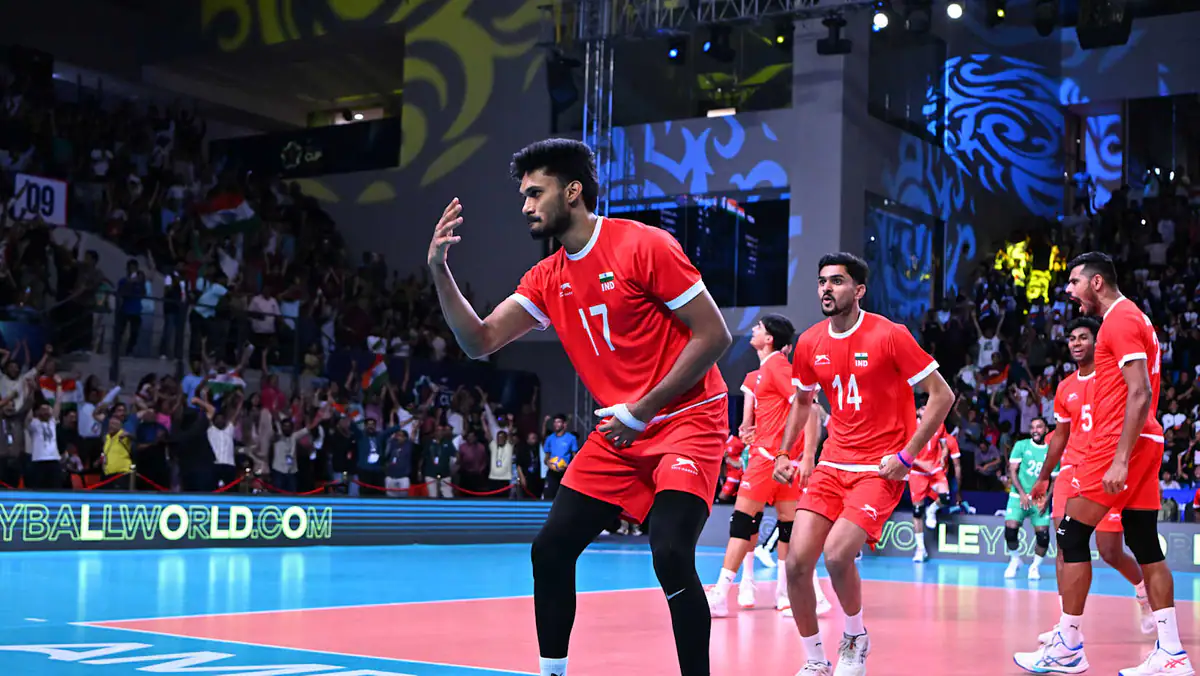
The 2026 AVC Men’s Volleyball Cup in Ahmedabad has emerged as one of the most significant tournaments in recent Asian volleyball history. More than just a continental competition, the event represents a major shift in how volleyball is structured and developed across Asia.
Held from June 20 to June 28 at the Veer Savarkar Sports Complex in Ahmedabad, the tournament is the first edition under the newly rebranded AVC Men’s Volleyball Cup format. Previously known as the AVC Challenge Cup and later the AVC Nations Cup, the competition has evolved into a crucial annual event for countries outside the elite Volleyball Nations League (VNL) structure.
For emerging volleyball nations, the tournament provides an opportunity to earn valuable FIVB ranking points, improve continental standing and qualify for future elite competitions.
The decision to award hosting rights to India marked an important milestone for the sport in the country. Ahmedabad became the focal point of Asian volleyball, attracting teams from across the continent and Oceania. The tournament was organized under unique circumstances, with the Volleyball Federation of India operating under administrative oversight. A dedicated steering committee worked alongside local authorities to ensure smooth execution, while all matches were made accessible through global streaming platforms, significantly increasing visibility for the competition.
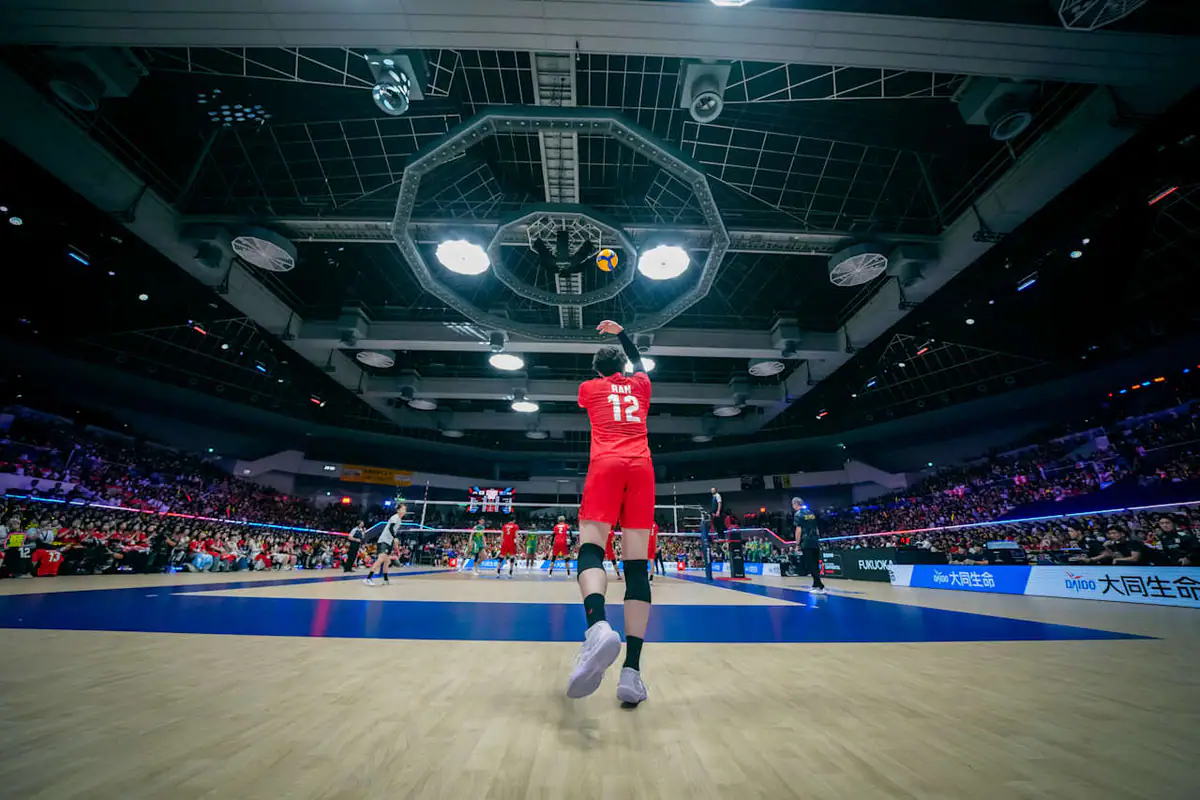
The response from Indian fans exceeded expectations. Crowds regularly filled the arena, creating an atmosphere rarely seen at volleyball events in the country and demonstrating the growing appetite for the sport.
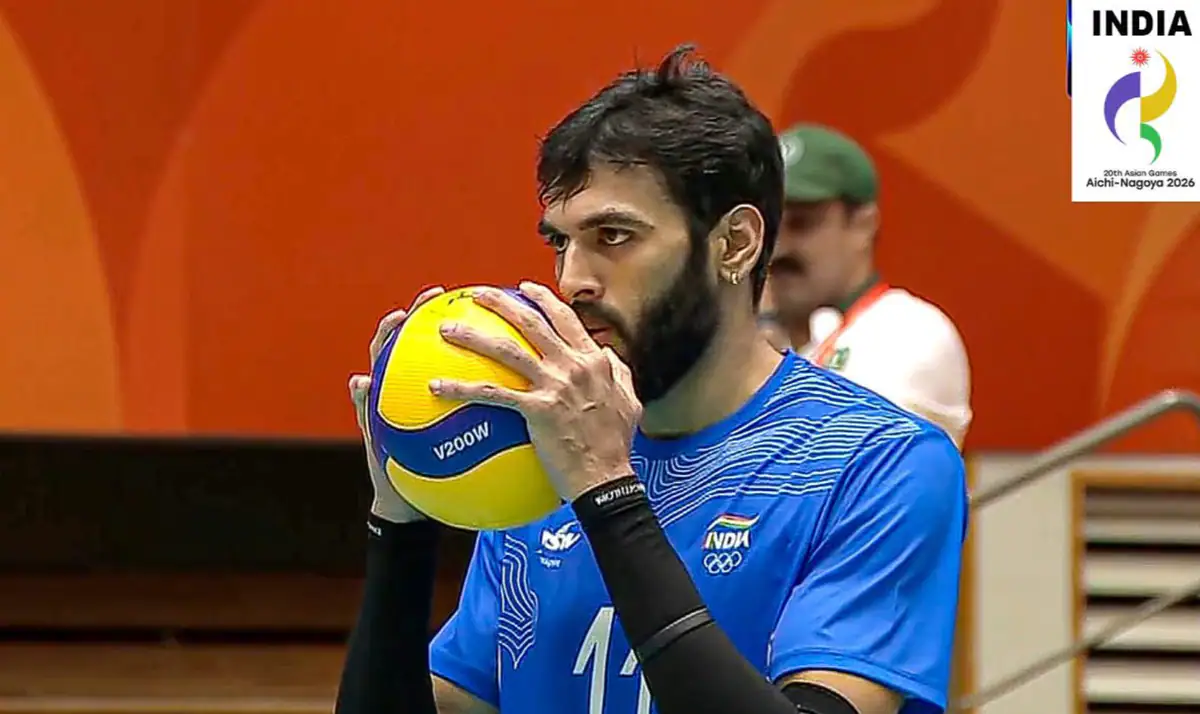
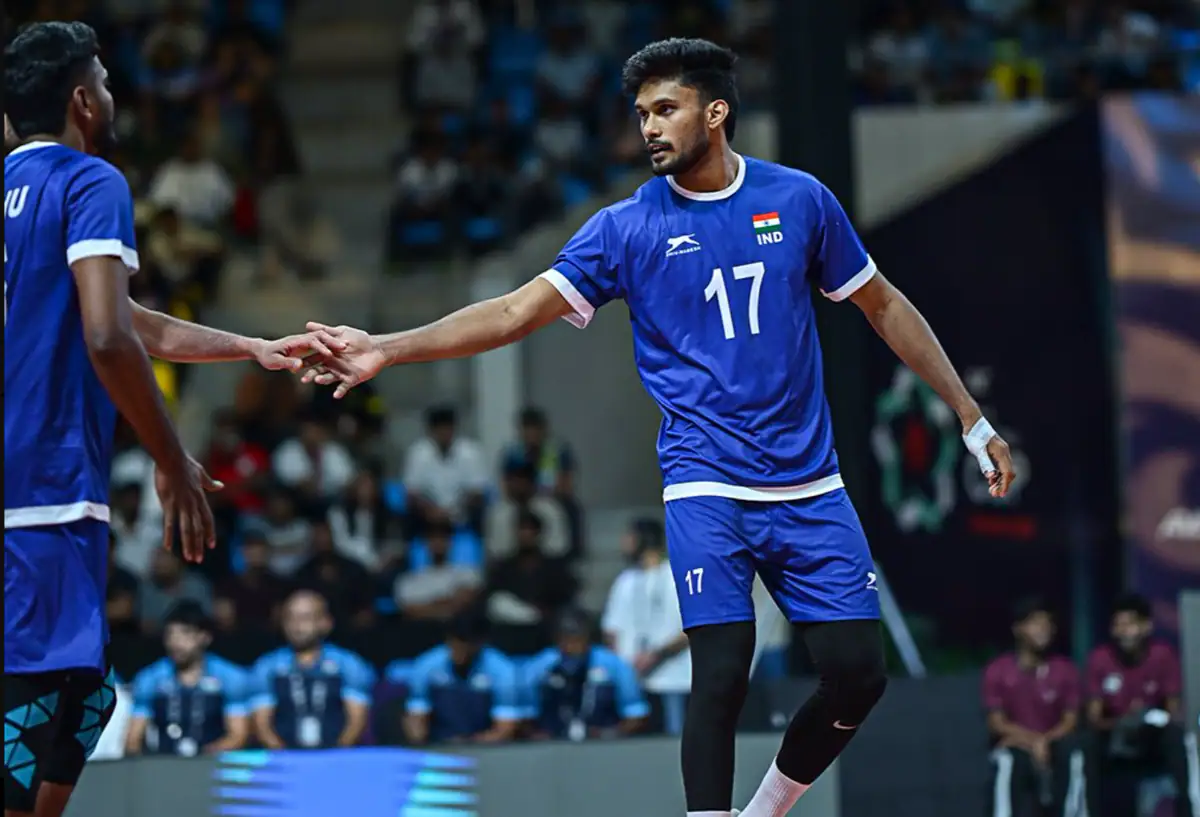
No story has captured attention more than India’s stunning performance under Serbian coach Dragan Mihailovic. Entering the tournament ranked 58th in the world, India was not considered among the favourites. However, the team quickly transformed into one of the competition's dominant forces, winning all five group-stage matches and dropping just one set.
India defeated:
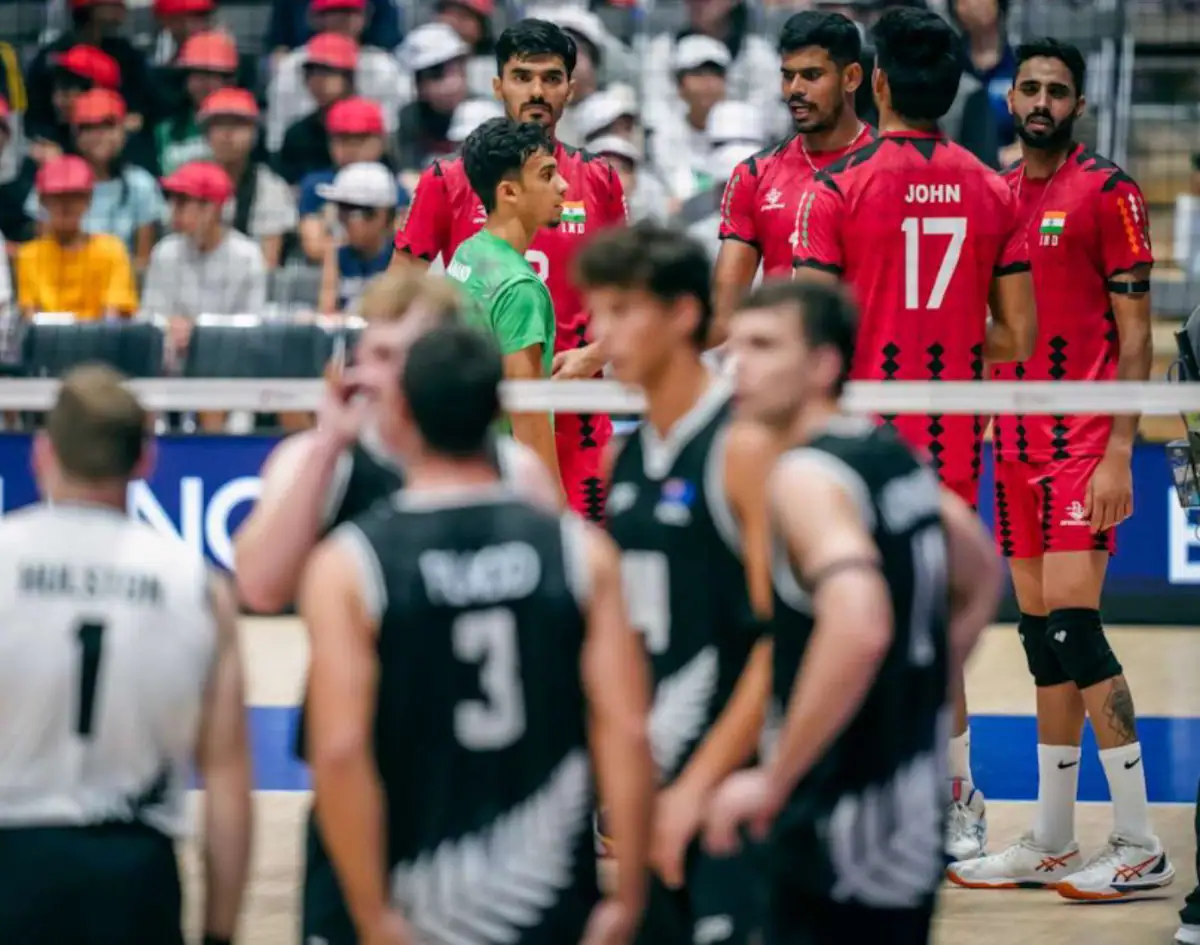
New Zealand (3-0)
Kazakhstan (3-0)
Chinese Taipei (3-1)
Bahrain (3-0)
Australia (3-0)
The victory over Bahrain, the defending champions, was particularly significant, while the win against Australia ended a long wait for success against one of Asia-Pacific volleyball’s traditional powers.
The unbeaten run propelled India into the semi-finals and dramatically improved its position in the FIVB World Rankings.
Perhaps the most tangible outcome of India's success has been its rise in the global rankings. Before the tournament, India occupied the 58th position in the world rankings. Consecutive victories over higher-ranked opponents generated substantial ranking points, allowing the team to climb to approximately 42nd in the world by the end of the group stage.
This jump is more than a statistical achievement.
Breaking into the top tier of Asian nations improves seeding for future continental events and strengthens India's pathway toward qualification for major international tournaments. It also increases the likelihood of continued financial and administrative support for the national program.
India's success has not been accidental. Mihailovic has introduced a modern European approach focused on speed, defensive organization and transition play. The team has moved away from a traditional power-based system and embraced tactical flexibility.
Players such as Chirag Yadav, Joel Benjamin Jebaraj, Jerome Charles Vinith, and setter Appavu Muthusamy have flourished within this structure. The attack is more balanced, the blocking more organized, and the overall level of discipline significantly improved.
The results have been evident throughout the tournament, particularly in high-pressure situations where India has consistently executed its game plan effectively.
Beyond India's success, the tournament has highlighted the increasing competitiveness of Asian volleyball. Traditional powers such as South Korea and Thailand faced significant challenges from emerging nations. Indonesia demonstrated impressive resilience despite coaching disruptions, while Oman announced itself as a rising force with several strong performances in its tournament debut.
The absence of VNL teams such as Japan, Iran and China has allowed a broader range of nations to compete for continental honours, creating a more balanced and unpredictable competition. This increased parity has made the AVC Cup one of the most compelling tournaments on the Asian volleyball calendar.
The importance of the AVC Men’s Volleyball Cup extends beyond the medals. The champions secure direct qualification to the next Asian Men’s Volleyball Championship, while strong performances contribute significantly to world rankings. These rankings influence qualification pathways for major international events, including future World Championships and Olympic qualification cycles.
For developing volleyball nations, every victory has long-term implications.
The tournament effectively serves as a bridge between regional competitions and the highest levels of international volleyball.
As the competition enters its knockout phase, India finds itself in a position few predicted before the tournament began. The team has captured the imagination of fans, climbed the world rankings and demonstrated that it can compete with some of Asia’s strongest volleyball nations. Regardless of the final outcome, the tournament has already marked a significant step forward for Indian volleyball.
More broadly, the 2026 AVC Men’s Volleyball Cup has showcased the rapid evolution of the sport across Asia. With stronger developmental pathways, increased investment and growing fan engagement, the competition has become a symbol of volleyball’s expanding reach on the continent.
For India, hosting the tournament and producing a historic performance on home soil may ultimately be remembered as the moment the country re-established itself as a serious force in Asian volleyball.
Comments (0)
to post comments, replies, and votes.
Loading comments…