Bajaj Pune Grand Tour Upgraded to UCI 2.1, Raising the Stakes for Indian Cycling

The Bajaj Pune Grand Tour has taken a significant step forward in its short history, with the six-stage race upgraded from UCI 2.2 to UCI 2.1 ahead of its 2027 edition.
The elevation gives the event greater international standing and comes at a particularly important moment for Indian cycling, with Pune set to host the 2032 UCI Road World Championships. The second edition of the Bajaj Pune Grand Tour will be held from January 26 to 31, 2027, beginning on Republic Day and featuring six stages across Pune and the wider district. The race is already listed on the UCI calendar for those dates.
The significance of the upgrade extends beyond the status of one race. For Indian riders, the move creates a higher-level domestic platform where they can compete against stronger international opposition, while organisers, officials and support teams gain experience of operating at a more demanding level of the UCI road racing calendar.
The inaugural Bajaj Pune Grand Tour, held in January 2026, established the event as an ambitious addition to India's road cycling calendar. According to the event organisers, the first edition brought together 29 teams and 171 riders representing 35 countries, while attracting an estimated 2.5 million spectators along its routes. The UCI itself described the 2026 race as the first men's stage race of Class 2.2 ever organised in India, highlighting its importance in the development of the country's international road-racing infrastructure. The federation reported a total audience of 2.5 million for the inaugural event, including 1.5 million spectators during the final stage.
The jump to UCI 2.1 now raises the competitive ceiling. A 2.1 classification places the Grand Tour in a higher category of international stage racing, with greater ranking opportunities for riders and a stronger incentive for teams to participate. The practical consequence could be particularly important for Indian cyclists, who rarely receive opportunities to race against deep international fields on home roads.
The objective is not simply to attract foreign riders. It is to create a racing environment in which Indian cyclists can repeatedly experience the pace, tactical demands and physical intensity associated with higher-level international road racing.
Six Stages Across Maharashtra
The 2027 route has been designed to showcase the geographical variety around Pune while creating different tactical challenges for the peloton. The six stages will connect Mulshi and Hinjewadi; Baramati and Saswad; Junnar and Rajgurunagar; Alandi and Lonavala-Khandala; Lonavala and Hinjewadi; and PCMC and Balgandharva Rangmandir.
That route design gives the race considerably more than a conventional urban circuit. The combination of rural roads, urban sections, historic locations and the terrain of the Western Ghats should create opportunities for different types of riders. Climbers and breakaway specialists can look towards the harder gradients, while sprinters and powerful all-rounders will have their opportunities on flatter sections.
The final overall classification could therefore depend not only on raw climbing ability but also on positioning, team tactics, time gaps and the ability to manage six consecutive stages. Beginning the race on January 26 also gives the event an additional national significance. Republic Day crowds will provide the opening stage with a major public platform, while the six-day format gives Pune and surrounding areas sustained exposure rather than the single-day visibility associated with a conventional road race.
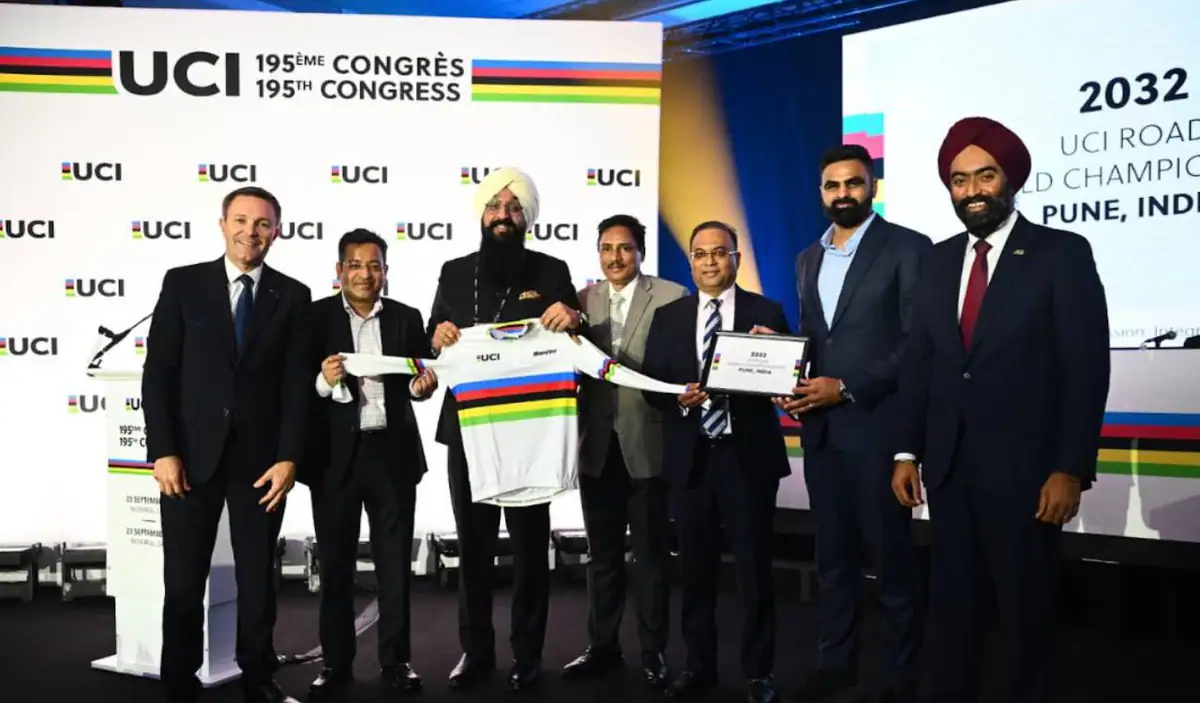
The timing of the UCI 2.1 upgrade is particularly significant because Pune's international cycling ambitions now extend well beyond the Grand Tour. The UCI confirmed at its 2026 Congress that Pune will host the 2032 UCI Road World Championships, making India the host of the world's premier road cycling championships for the first time.
That decision changes the purpose of events such as the Pune Grand Tour. The city now needs to build not only a suitable championship infrastructure but also the operational expertise required to deliver a global cycling event. Race organisation, road closures, traffic management, medical services, timing systems, broadcast operations, team logistics, commissaire experience and spectator management all require years of preparation.
A recurring international stage race can provide that experience. The Grand Tour can effectively become part of Pune's long-term preparation programme, with each edition allowing organisers to identify logistical weaknesses, improve sporting standards and build relationships with international teams and officials.
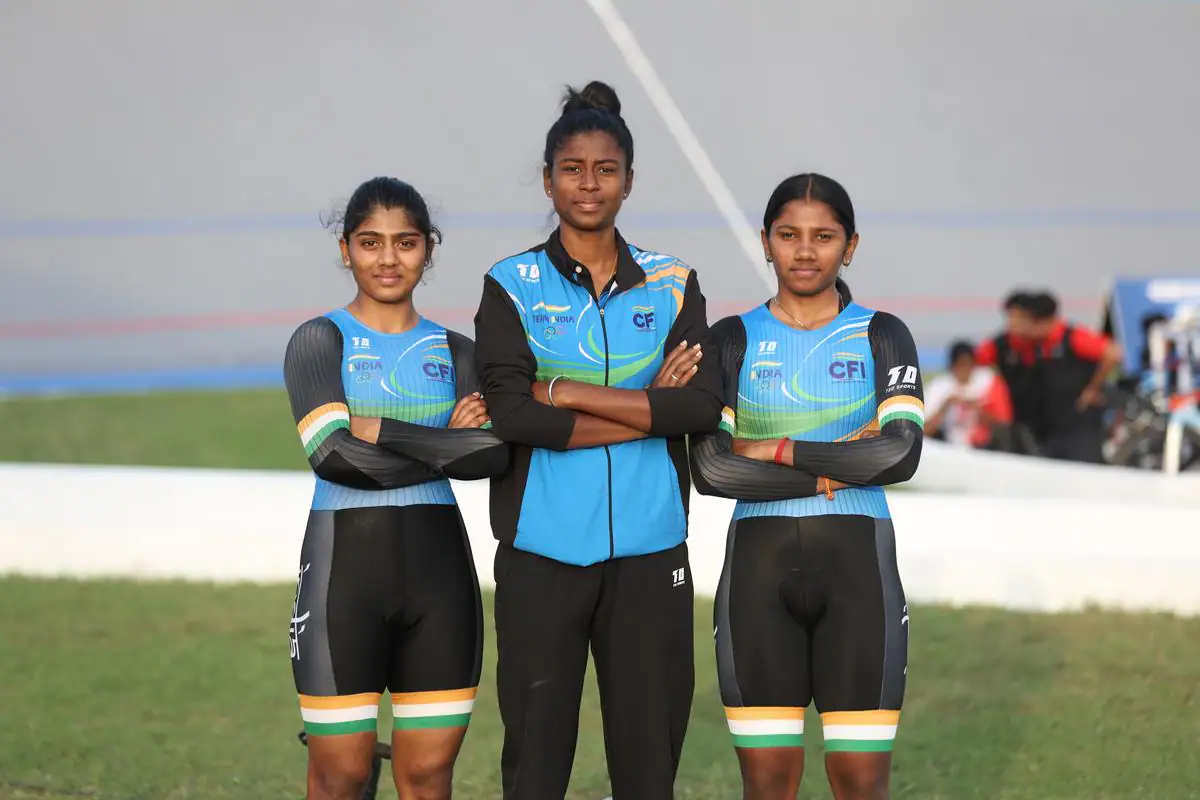
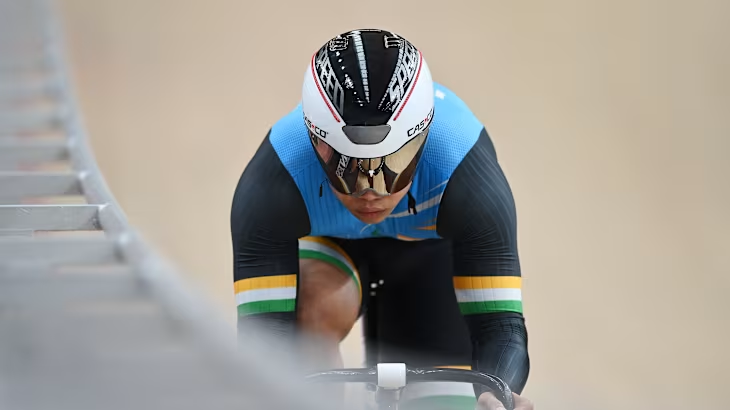
For Indian cyclists, perhaps the biggest benefit will be competitive exposure. Domestic riders can train extensively, but racing against experienced international cyclists is different. The speed of the peloton, positioning before climbs, response to attacks, team communication and tactical decision-making are learned most effectively through repeated competition.
The move to UCI 2.1 should therefore be viewed as an opportunity to raise the standard of Indian road cycling from within. The challenge, however, will be ensuring that Indian riders are not merely participants in a stronger field. The long-term objective should be to develop riders capable of influencing the race winning stages, competing for the general classification and earning meaningful UCI ranking points.
That is where the success of the Grand Tour will ultimately be measured.
Pune's cycling story is now developing on two parallel tracks. The Bajaj Pune Grand Tour is becoming a more competitive international race, while the city prepares for an event of vastly greater scale six years later. The UCI's confirmation of Pune as the 2032 World Championships host gives the Grand Tour a clear strategic context.
The 2027 edition, upgraded to UCI 2.1, is therefore not simply another edition of a young race. It is another building block in India's attempt to establish a sustainable international road-cycling ecosystem. When the peloton rolls out from Pune on January 26, the immediate objective will be six stages, six days of racing and a battle for the overall title.
The larger objective is considerably bigger: making Pune a permanent part of the international cycling map and ensuring that, by 2032, India is ready not merely to host the world's best cyclists but to have its own riders capable of competing among them.
Comments (0)
to post comments, replies, and votes.
Loading comments…