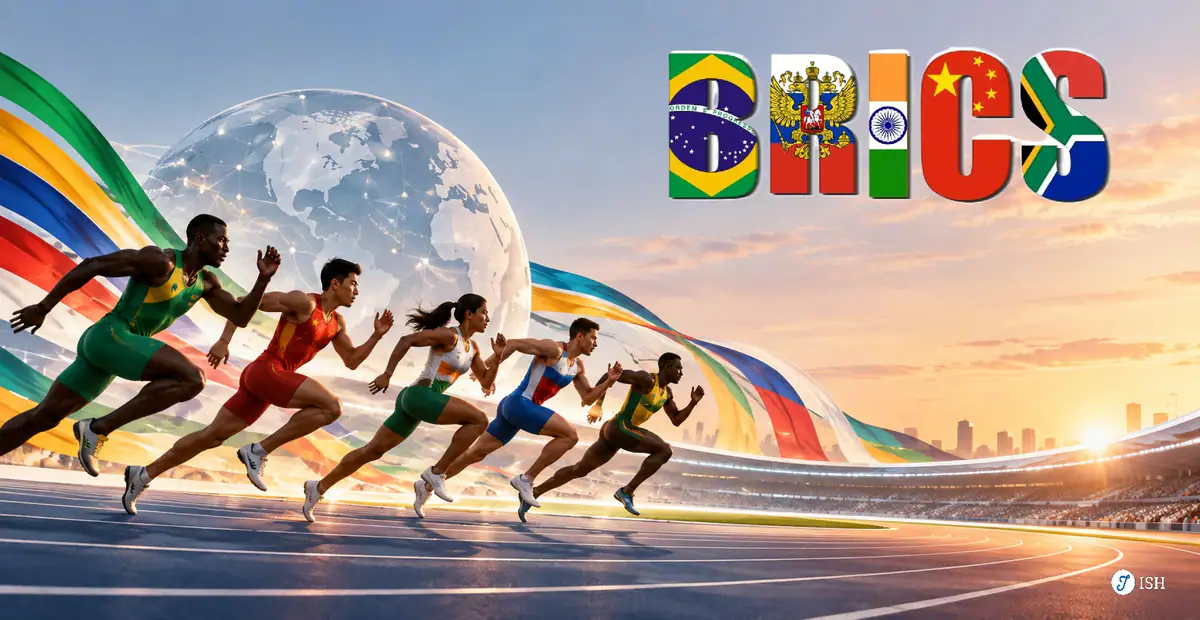
Explore how the BRICS Summit sports framework, BRICS Games, and sports tech initiatives open global pathways for aspiring young international athletes.
The Evolving Architecture of International Youth Athletics
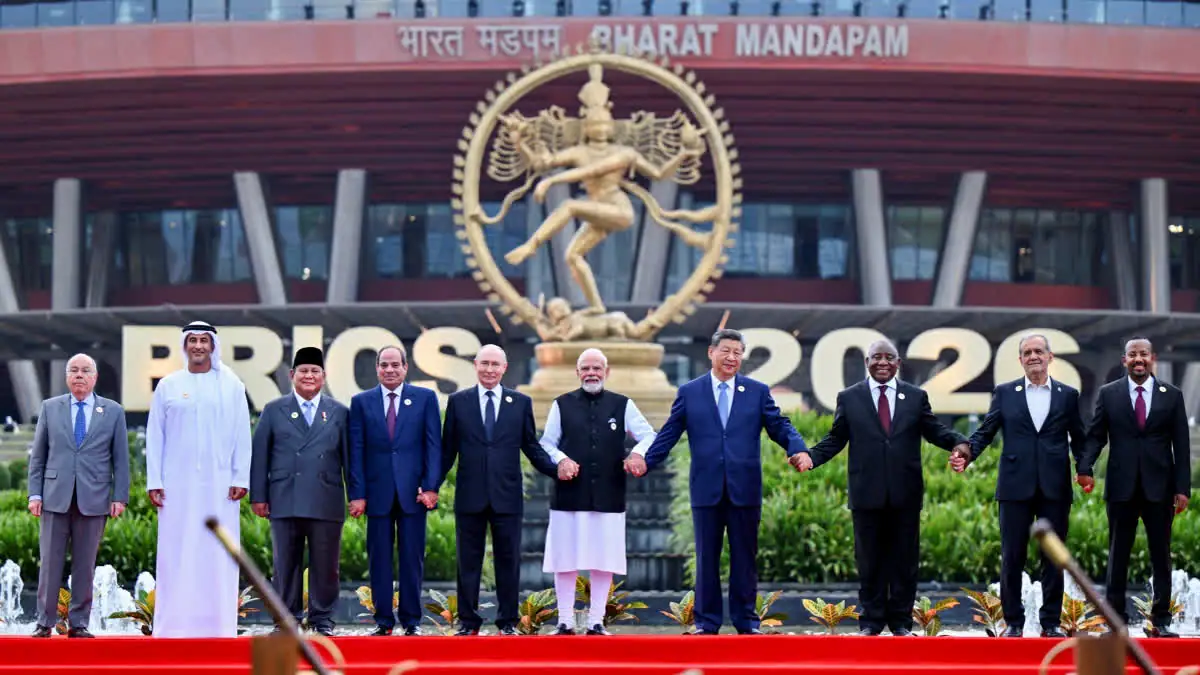
At the 18th BRICS Summit held in New Delhi, leaders representing eleven member nations finalized the New Delhi Declaration, establishing sports as a cornerstone of social development and cross-cultural diplomacy. Organized around the chairship theme of resilience, innovation, cooperation, and sustainability, Paragraph 130 of the declaration formalizes an institutional commitment to physical culture, sports science, and competitive youth exchanges. For a teenage athlete aspiring to achieve an international career, these diplomatic outcomes represent an important structural shift. Historically, young sportspeople from emerging markets have had to rely on Western-dominated sporting circuits for premier training, international exposure, and professional recognition. By establishing formal sports tracks connecting Brazil, Russia, India, China, South Africa, Egypt, Ethiopia, Indonesia, Iran, Saudi Arabia, and the United Arab Emirates, the summit creates an alternate multilateral ecosystem designed to advance junior talent directly from local fields to international podiums.
The BRICS Games and the Elevation of Indigenous Sports
The primary competition platform within this framework is the BRICS Games. Originally launched in 2016 as an under-17 soccer tournament, the event has grown into an expansive multi-sport competition. Paragraph 130 places clear emphasis on youth and student participation across both popular Olympic events and traditional disciplines. A major milestone following the ministerial consultations in Visakhapatnam is the scheduling of the BRICS Traditional and Indigenous Sports Demonstration Games in Ahmedabad, Gujarat, on October 12 and 13, 2026. Conceived as a culturally centered, non-competitive showcase, these demonstration games allow young athletes to represent their nations in sports such as Kabaddi, Mallakhamb, Wushu, and regional belt wrestling. For emerging competitors, this format offers critical international exposure, fostering cultural adaptability and competitive maturity without the immediate pressures and commercial constraints of traditional junior leagues.
BRICS SUMMIT - India 2026 (DD news)
Bridging Performance Gaps Through Sports Technology
Modern athletic performance is increasingly determined by fractional gains achieved through data analytics, motion tracking, and sports science. In previous decades, aspiring athletes outside wealthy nations faced a major technological divide due to the high cost of biometric evaluation and recovery monitoring. The New Delhi Declaration directly confronts this imbalance by endorsing the creation of the BRICS Working Group on Sports Technology, an initiative formulated during the Sports Ministers' Meeting in Visakhapatnam. This group organizes joint research across member states in artificial intelligence, digital transformation, biomechanical analysis, and athlete welfare. For a junior athlete, cross-border technical collaboration will accelerate the adoption of advanced training diagnostics within national sports academies. Young athletes can anticipate earlier access to scientific workload management, targeted injury-prevention protocols, and digital performance assessments that match elite global standards.
Democratising Equipment Access via Manufacturing Hubs
Acquiring certified, competition-grade equipment has long presented a prohibitive financial obstacle for young competitors. High import duties and international brand monopolies often make premier gear inaccessible to grassroots athletes. To solve these distribution and pricing challenges, BRICS leaders endorsed the launch of the BRICS Sports Goods Manufacturing Conclave, scheduled for its inaugural edition in Udaipur, Rajasthan, in November 2026. Backed by domestic industrial cluster programs, this initiative links manufacturers, startups, research institutes, and exporters to build sustainable supply chains and uniform quality standards across member states. For emerging athletes, localized manufacturing and lower trade barriers will reduce the financial burden of purchasing certified gear, ensuring that high-performance training tools are accessible at the school and club levels.
The integration of Paragraph 130 on physical culture with Paragraph 131 on the BRICS Youth Cooperation Framework creates direct pathways for emerging sportspeople. Junior athletes can anticipate several concrete developments in the coming seasons. National governing bodies are aligning domestic talent trials with the BRICS Games calendar, providing fresh qualification routes to international competition. Concurrently, local training academies will progressively incorporate shared digital analytics and sports science tools developed under the new technology working group. Furthermore, competitors in traditional and non-Olympic sports now possess a viable international platform to showcase their craft. By joining sports science, manufacturing self-reliance, and international multi-sport meets, the BRICS framework equips dedicated young athletes with the resources and platforms necessary to pursue sustainable global careers.
Enjoyed this story? A small contribution helps us cover more of Indian sport.₹200+ unlocks 1 year Premium · tap anywhere to paySupport · ₹501