Chennai Open vs Hong Kong Open: Same Prize Money, Worlds Apart in Player Quality Despite ₹10 Crore State Support
Chennai’s WTA 250 tournament has just one top-50 player in its preliminary entry list, compared with four top-20 stars and 16 top-50 players in Hong Kong.
The contrast raises questions about player recruitment, public investment and the future of women’s tennis in India. The 2026 Chennai Open and the Prudential Hong Kong Tennis Open will take place during the same week, from November 2 to 8, with both tournaments classified as WTA 250 events. Yet, despite offering comparable official financial commitments, the two tournaments have attracted strikingly different fields.
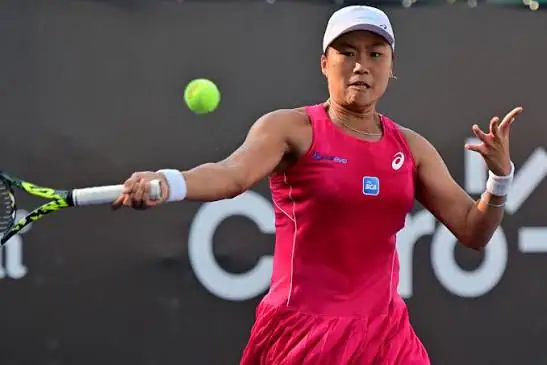
Hong Kong has assembled a star-studded entry list featuring four top-20 players and 16 top-50 competitors. Chennai, in contrast, has just one player ranked inside the world's top 50: defending champion Janice Tjen, who sits at No. 49.
The difference extends beyond the leading names. According to the preliminary entry lists, Hong Kong's last direct entrant is ranked No. 64, while Chennai's direct-entry cutoff falls to No. 149. The disparity is particularly significant because the Tamil Nadu government has allocated ₹10 crore towards organising the Chennai Open, making the tournament a substantial public investment in international women's tennis.
The question is not whether Chennai should host a WTA event. It is whether the tournament can maximise the sporting and commercial returns from that investment.
Both tournaments occupy the same position in the WTA calendar and offer players the opportunity to earn 250 ranking points by winning the singles title. The WTA lists Chennai's total financial commitment at $283,347, while Hong Kong's official tournament information lists a comparable financial commitment for its event. However, the entry lists tell a different story about competitive depth.
Hong Kong's leading contingent includes Diana Shnaider, Sorana Cirstea, Alexandra Eala and Jasmine Paolini, all ranked inside the top 20 in the preliminary list. They are supported by established tour players such as Leylah Fernandez, Maria Sakkari, Ann Li, Cristina Bucsa, Wang Xinyu and Liudmila Samsonova.
Chennai's field has a different profile. Tjen, the defending champion, is the only top-50 entrant, while Austria's Lilli Tagger and Thailand's Lanlana Tararudee are among the other highly ranked players.
The direct-entry cutoff is perhaps the clearest illustration of the difference. Hong Kong's list extends to No. 64, whereas Chennai's reaches No. 149. This means the two tournaments, despite their identical WTA classification, offer very different levels of opposition across the main draw.
Why equal prize money does not mean equal fields
The published prize purse is only one factor influencing a player's decision to enter a tournament. Scheduling, travel, playing conditions, recovery requirements and the wider commercial environment can all influence participation, particularly towards the end of a long season.
Hong Kong benefits from its position within the East Asian tournament circuit. Players competing in the region can potentially move between events without undertaking a major geographical detour. Chennai, by comparison, requires international players to travel further from some of the other Asian tournament locations. Late-season scheduling adds another consideration. Players who have spent months travelling and competing must weigh the potential ranking points against fatigue, injury management and preparation for subsequent commitments.
Appearance fees may also influence recruitment. Such payments are separate from the published tournament prize purse and can make a difference when organisers seek to attract established stars. However, without disclosed tournament-specific contracts, the precise role of appearance fees in determining these two fields cannot be established. The broader point is that matching the official prize commitment does not guarantee that two tournaments will have comparable recruitment budgets or commercial appeal.
The Tamil Nadu government's ₹10 crore allocation was announced to support the Chennai Open's return to the WTA calendar. The tournament is being organised at the SDAT Tennis Stadium in Nungambakkam with the involvement of the Tamil Nadu Tennis Association and the Sports Development Authority of Tamil Nadu.
That investment should not be judged solely by the number of top-20 players recruited. An international tournament can create value by providing Indian players with access to professional competition, supporting local sporting infrastructure and attracting audiences to women's tennis. But public funding also makes it reasonable to ask how the tournament's wider objectives are being measured.
Are organisers prioritising international visibility, domestic player development, sponsorship growth or a combination of all three? What proportion of the budget is available for player recruitment? And what measurable outcomes will demonstrate that the investment has strengthened Indian tennis?
These are legitimate questions for organisers and stakeholders, particularly when a tournament operating at the same level elsewhere has attracted a significantly stronger field.
Could a weaker field benefit Indian players?
There is another side to the comparison. A tournament with a lower entry cutoff can create opportunities for Indian players to compete against international opposition without immediately facing a draw dominated by top-50 athletes.
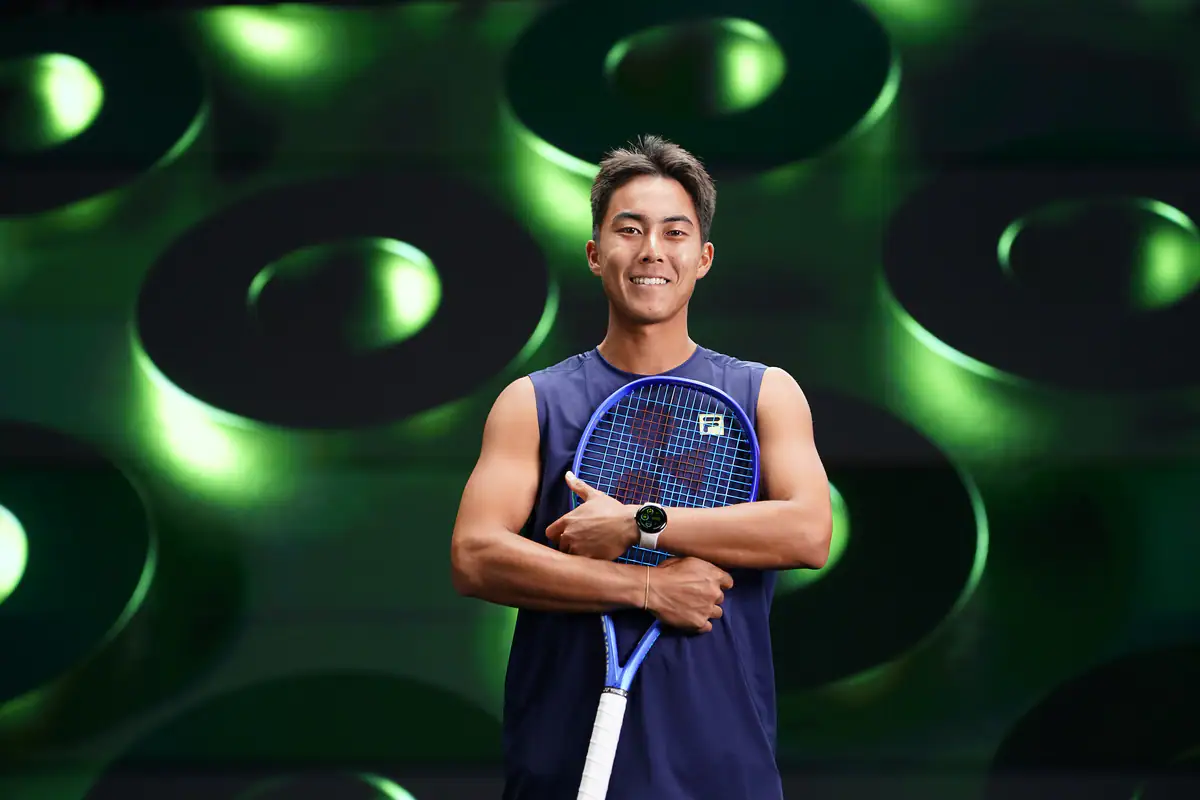
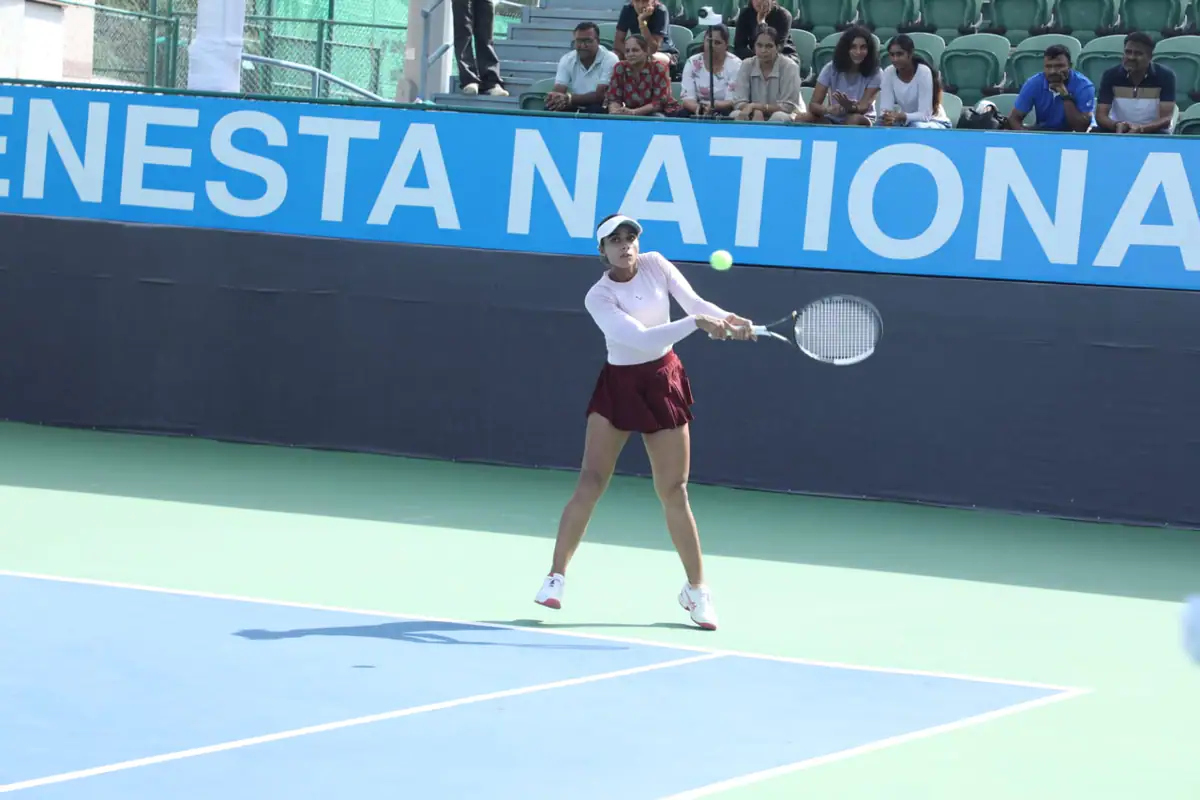
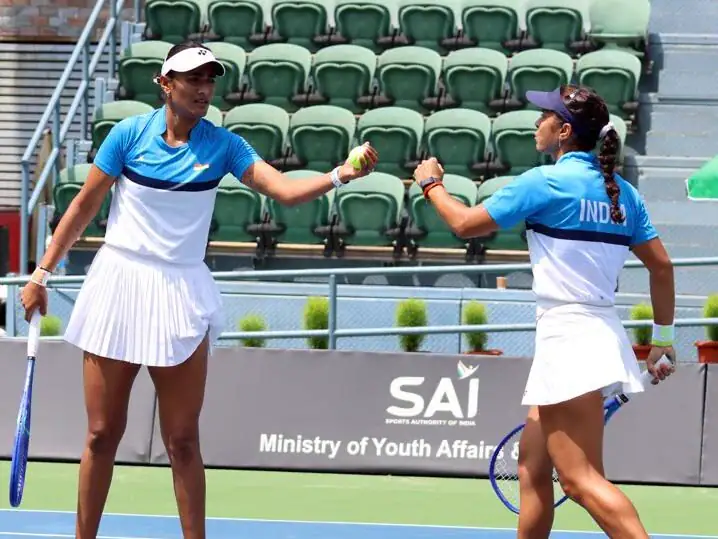
For players such as Ankita Raina, Rutuja Bhosale and Sahaja Yamalapalli, opportunities to win matches at WTA level can be valuable. Victories provide ranking points, prize money and experience that may help them progress towards stronger international competition.
However, a weaker field does not automatically guarantee domestic success. Indian players must still win matches, and the value of the opportunity depends on how effectively they use it. Nor should development and elite recruitment be treated as mutually exclusive. A tournament can attract a marquee international field while retaining meaningful opportunities for domestic wildcards and qualifiers.
The challenge for Chennai is to build a model that delivers both.
The immediate priority should be to understand why the recruitment gap has emerged and develop a strategy to narrow it. Organisers could examine the tournament's position within the Asian swing, the availability of discretionary player-recruitment funding, private sponsorship opportunities and the effectiveness of promotional partnerships.
A multi-year sponsorship model could offer greater financial certainty and help organisers plan recruitment earlier. Better integration with the regional tennis calendar could also make Chennai a more attractive destination for players already competing in Asia. At the same time, the tournament must protect its domestic development objectives. Wildcards and qualifying opportunities should continue to provide Indian players with a genuine pathway into the main draw.
The Chennai Open has an important role to play in the development of women's tennis in India. Its return to the WTA calendar and the Tamil Nadu government's financial backing are meaningful steps towards sustaining international competition in the country. But the contrast with Hong Kong cannot be ignored. Four top-20 players and 16 top-50 players in one field, against a single top-50 entrant in the other, represent a substantial difference in competitive depth.
The ₹10 crore allocation should not be seen as a guarantee of an elite draw. It should, however, be the starting point for a serious discussion about tournament strategy, commercial sustainability and measurable sporting outcomes. Chennai does not necessarily need to replicate Hong Kong's field overnight. It does need a clear plan to attract stronger players while ensuring that Indian athletes benefit from hosting a WTA 250 event.
Ultimately, the measure of success should be more ambitious than simply staging the tournament. It should be whether Chennai can turn public investment into a stronger international event and a more effective pathway for Indian women's tennis.
Comments (0)
to post comments, replies, and votes.
Loading comments…