Commonwealth Games 2026: Sports Ministry Invests Over ₹53 Crore as India Targets Strong Showing in Glasgow
The Sports Ministry has invested over ₹53 crore in India's Commonwealth Games 2026 preparations, with athletics, boxing and weightlifting receiving the biggest support.
The Indian government has invested more than ₹53 crore in preparing the country's athletes for the 2026 Commonwealth Games in Glasgow, reaffirming its commitment to supporting elite sport despite the Games featuring a significantly reduced programme.
Athletics, boxing and weightlifting have emerged as the biggest beneficiaries of the funding, reflecting India's strongest medal prospects ahead of the multi-sport event, which begins on July 23.
The investment comes at a unique time for the Commonwealth Games. Unlike previous editions, Glasgow 2026 has been streamlined to include only 10 able-bodied sports and six para disciplines after organisers opted for a compact model to reduce operational costs. While the scaled-down programme ensures the continuation of the Games, it also limits India's traditional medal opportunities.
Sports such as badminton, shooting, wrestling, hockey and cricket, all of which have historically contributed significantly to India's medal tally, are absent from this edition. As a result, India is expected to win fewer medals overall compared to previous Games, even if its athletes deliver improved performances in the disciplines that remain on the programme.
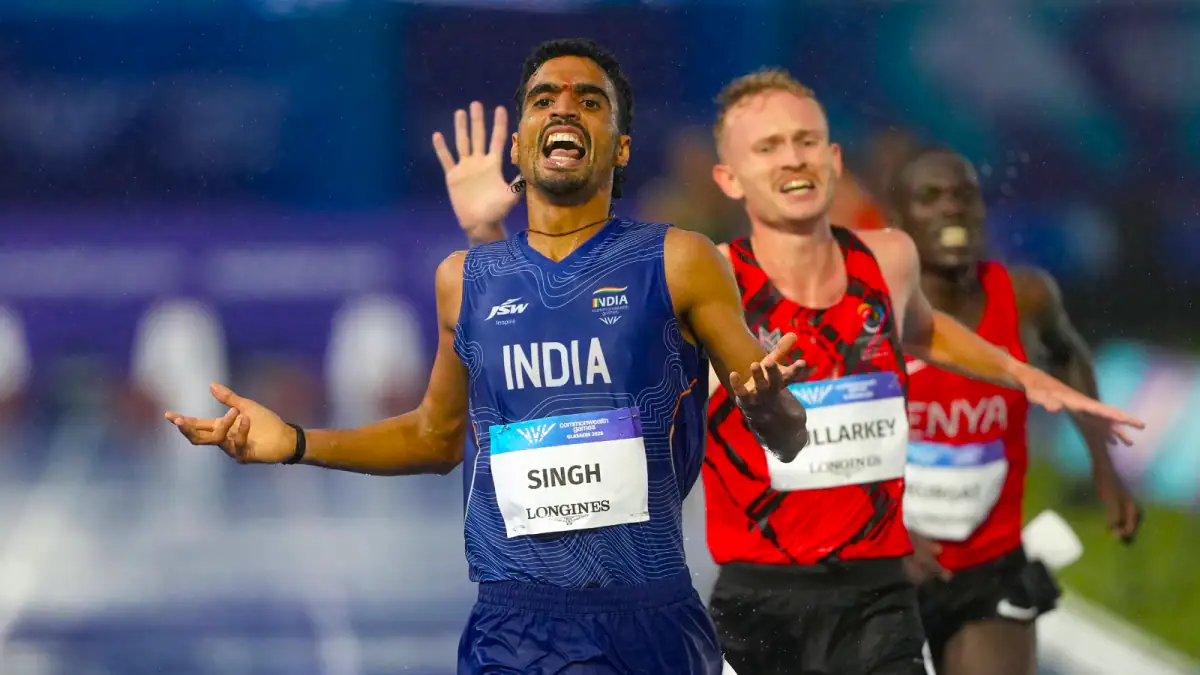
Athletics has received the highest allocation among all sports, with over ₹20 crore invested in preparing India's 32-member contingent.
The squad, led by two-time Olympic medallist Neeraj Chopra, will compete across 21 athletics events, making it India's largest representation in any sport at Glasgow. The funding has supported extensive overseas training and international exposure programmes aimed at ensuring Indian athletes are fully prepared for European conditions.
Preparations included training camps at the High Altitude Training Centre in Colorado Springs, USA, along with additional stints in Switzerland, Turkey and South Africa. These camps were designed to improve endurance, technical preparation and competition readiness while giving athletes valuable experience competing and training in environments similar to those they will encounter during the Games.
The government's emphasis on international preparation reflects a broader shift towards providing athletes with world-class facilities and competition exposure rather than relying solely on domestic training.
Boxing Continues to Receive Strong Backing
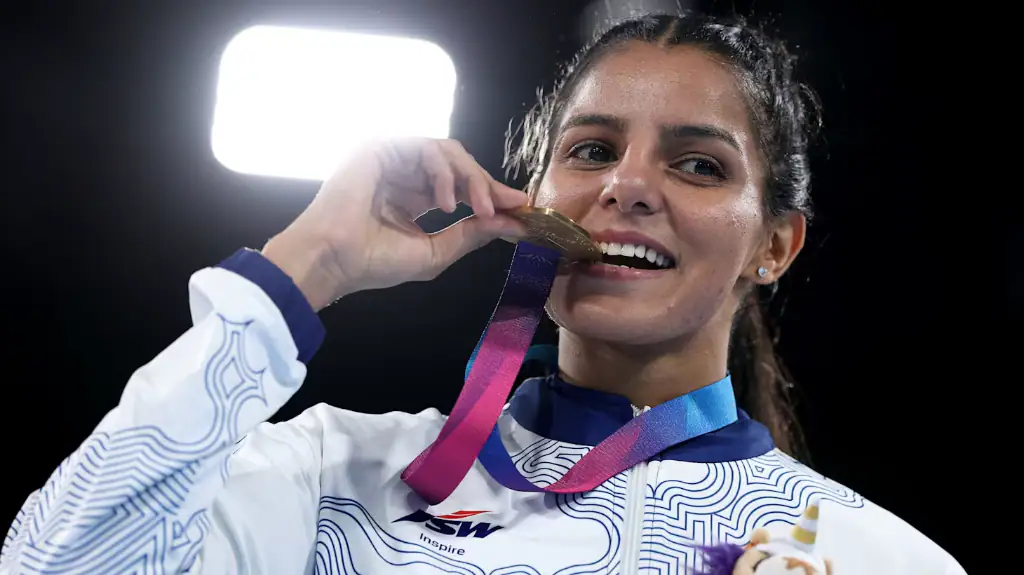
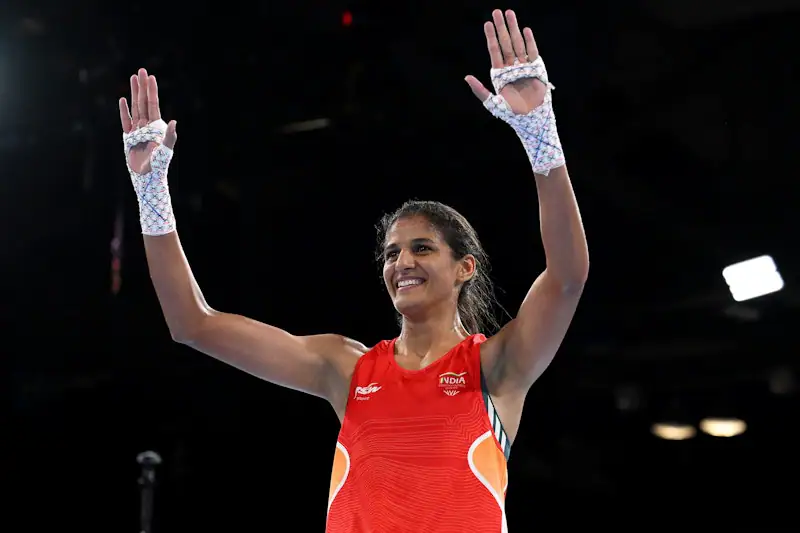
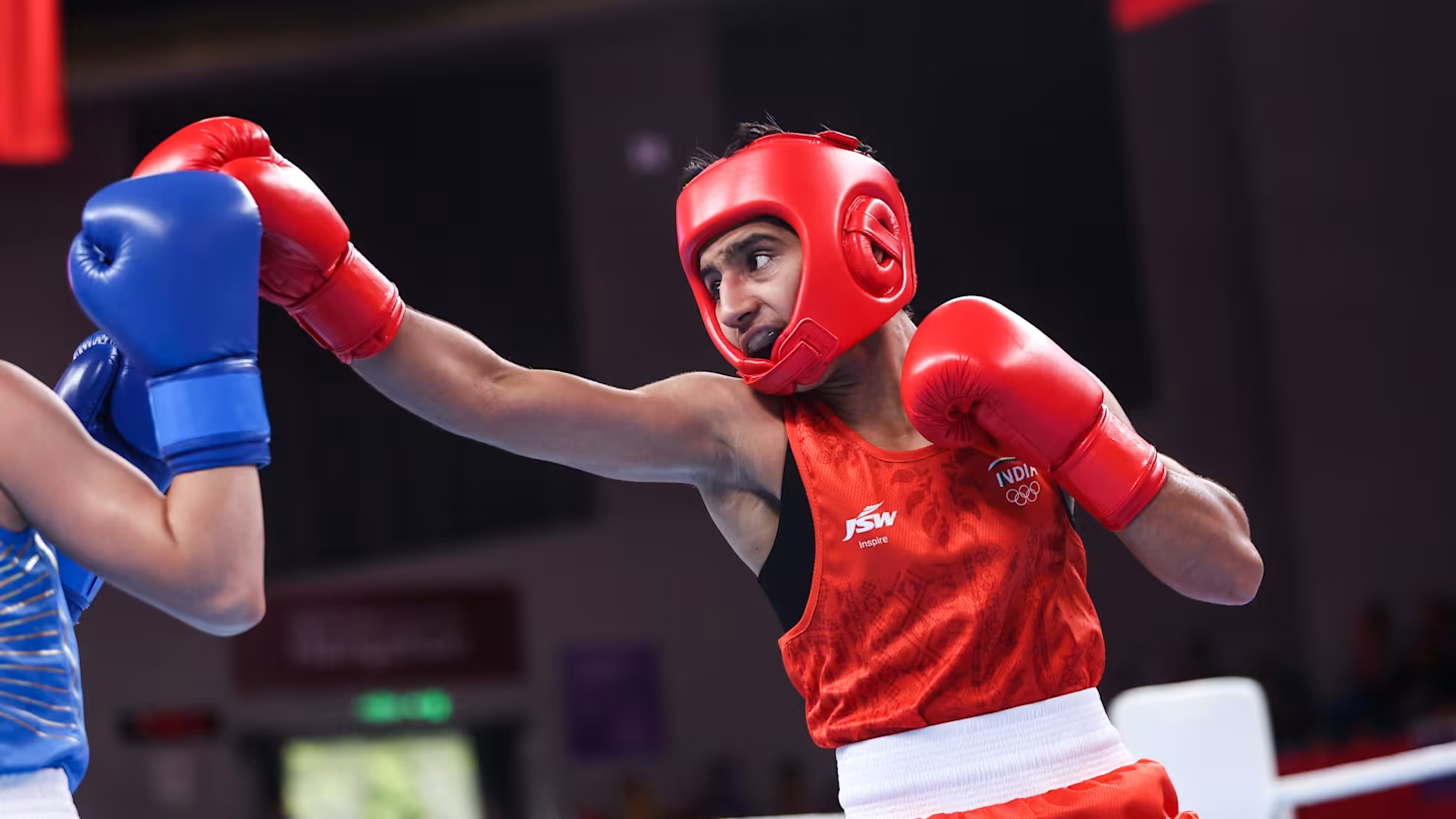
India's boxing programme has also received significant financial support, with more than ₹10 crore allocated towards the preparation of the 14-member squad. The team features seven male and seven female boxers, including Olympic bronze medallist Lovlina Borgohain, who will be one of India's leading medal contenders in Glasgow.
Boxing has consistently delivered medals for India at major international events, making it one of the country's strongest disciplines at the Commonwealth Games. Continued investment in overseas exposure, coaching, sports science and competition planning has helped Indian boxing remain competitive against the world's leading nations.
With several experienced boxers in the squad alongside emerging talent, expectations remain high despite the overall reduction in medal events.
Weightlifting, another traditional strength for India, has received approximately ₹7.5 crore in preparation funding. The 12-member squad is spearheaded by Tokyo Olympic silver medallist Mirabai Chanu, who remains one of India's biggest medal hopes in Glasgow. To ensure optimal preparation, the weightlifting team has been based in Birmingham, allowing athletes to acclimatise to European weather, time zones and training conditions before competition begins.
Acclimatisation has become an increasingly important aspect of India's preparation strategy, particularly for athletes travelling across multiple time zones.
By arriving well in advance of the Games, competitors have additional time to adjust physically while maintaining their training schedules under conditions similar to those expected in Glasgow.
While India's medal tally is expected to decline due to the absence of several medal-rich sports, officials remain optimistic about the country's chances within the events that are part of the programme. The focus this year extends beyond the overall medal table.
With fewer sports on offer, India's objective is to maximise performances in athletics, boxing, weightlifting, swimming, table tennis and other disciplines included in the competition. Several of the country's leading athletes are arriving in strong form, giving India realistic medal prospects despite the condensed schedule.
The emphasis has therefore shifted from comparing total medal counts with previous editions to evaluating how effectively Indian athletes perform against stronger international competition.
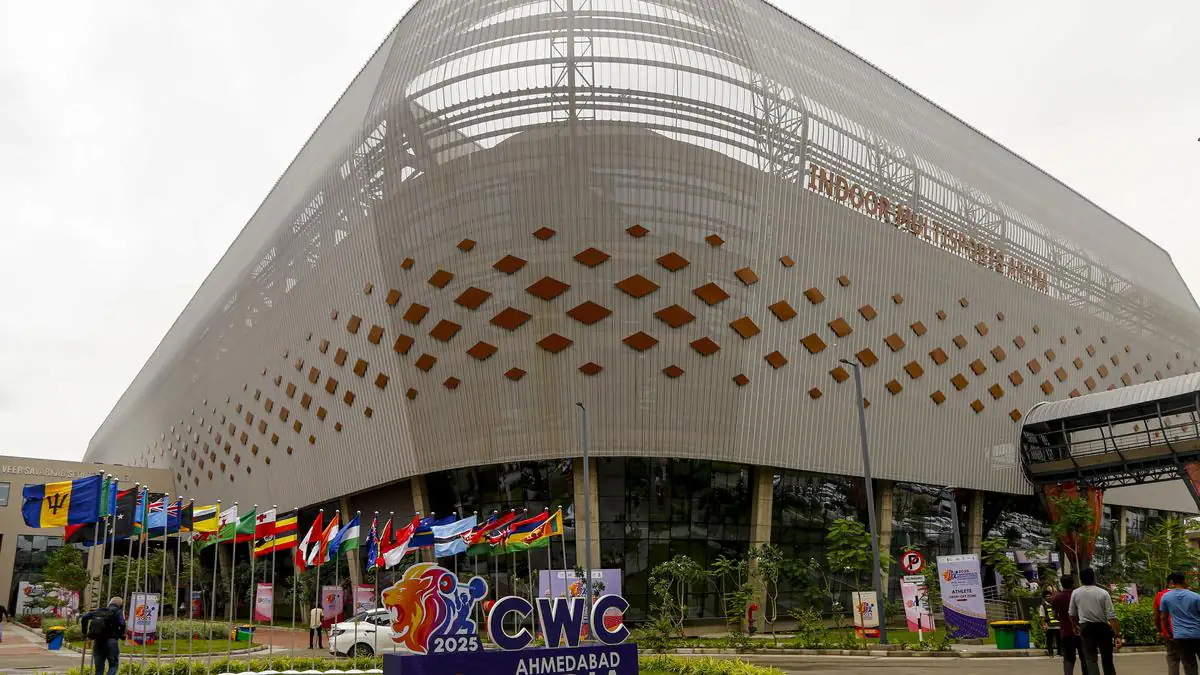
The Glasgow Games carry added significance for India beyond sporting competition. During the closing ceremony, India will officially assume hosting responsibilities for the 2030 Commonwealth Games, which will be staged in Ahmedabad. Unlike Glasgow's reduced programme, Ahmedabad is expected to restore the Commonwealth Games to a full-scale event featuring 17 sports, bringing back several disciplines omitted in 2026.
The transition provides India with an opportunity not only to showcase its organisational capabilities but also to build momentum ahead of hosting one of the biggest multi-sport events in its history.
The ₹53-crore investment underlines the Indian government's continued commitment to high-performance sport through programmes such as the Target Olympic Podium Scheme (TOPS) and the Mission Olympic Cell. Rather than limiting support to Olympic cycles, the strategy increasingly focuses on sustained athlete development, international exposure and scientific training across multiple disciplines.
Although the reduced Glasgow programme means India's overall medal tally is unlikely to match the 61 medals won at the 2022 Commonwealth Games in Birmingham, where the country finished fourth with 22 gold, 16 silver and 23 bronze medals, the quality of performances may provide a more meaningful measure of progress.
With world-class training, overseas preparation and increased investment behind them, India's athletes will head to Glasgow carrying both heightened expectations and the opportunity to demonstrate the country's growing strength across multiple sports.
Comments (0)
to post comments, replies, and votes.
Loading comments…