Craig Fulton Wants India to Turn World Cup Lessons Into Asian Games Action
 Follow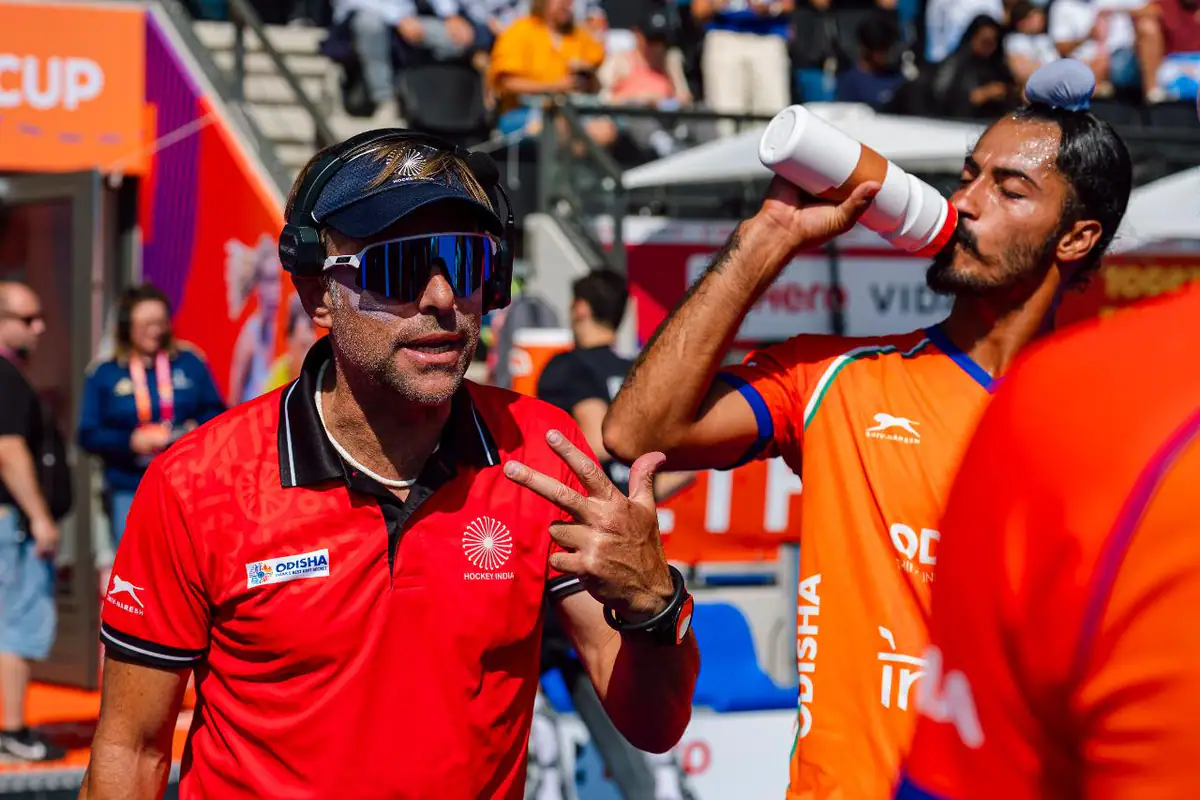
The Indian men’s hockey team has little time to dwell on its disappointing eighth-place finish at the FIH Hockey World Cup.
With the 2026 Asian Games in Aichi-Nagoya fast approaching, chief coach Craig Fulton wants his players to turn the lessons from that campaign into action as India begins its title defence in Japan. Led by Captain Harmanpreet Singh, India will open its Asian Games campaign against Indonesia on Sunday. The tournament carries added significance, with the gold medal also providing direct qualification for the Los Angeles 2028 Olympic Games.
For Fulton and his team, however, the immediate objective is clear: focus on the next game, address the shortcomings identified at the World Cup and build towards another Asian Games title.
India entered the World Cup with considerably higher ambitions but finished eighth. The short turnaround between the two tournaments has left little time for an extended reset, making the team's ability to quickly process the experience particularly important. Fulton believes the World Cup should be viewed as a learning opportunity rather than something to dwell on.
“These are lessons, and the only way to treat them as lessons learned is to turn that learning into action,” Fulton said. According to the coach, the team has already discussed its World Cup campaign, reviewed the areas that need improvement and identified the aspects that require greater focus.
The challenge now is to translate those discussions into performances on the field. “We've discussed everything, gone through everything and highlighted areas needing improvement. At the same time, it's now about action after all the training we're doing as we line up for our first game on Sunday,” Fulton added.
India travelled to Japan for the Asian Games after a brief stopover at Mount Fuji, where the squad held a bonding camp. Fulton felt the experience provided an important opportunity for the players to come together away from the familiar competitive environment. With limited time between the World Cup and Asian Games, the camp was also designed to help shift the players' focus towards the team rather than individual pursuits.
The coach described the experience as difficult but enlightening, particularly because it allowed the group to spend time together in a part of Japan where they had not previously trained as a collective. For Fulton, strengthening the team's unity was an important part of the transition from one tournament to another. The Indian squad has also seen a change, with Raj Kumar Pal coming into the team while Aditya Arjun Lalage makes way.
India are expected to enter the pool stage as one of the leading teams, but Fulton does not want his players to underestimate any opponent. The coach believes the best way to respect every team is to give full effort in every match, regardless of the perceived difference in quality. “All respect to whoever we play. The only way to truly respect the opposition is by giving 100%,” Fulton said.
That approach is particularly relevant during the group stage, where India could encounter matches in which they are expected to dominate possession and create the majority of opportunities. For Fulton, such matches must still be treated with the same intensity. The objective is not only to collect results but also to establish the rhythm and standards that India will need when the competition moves into the knockout stages.
A Chance to Make Asian Games History
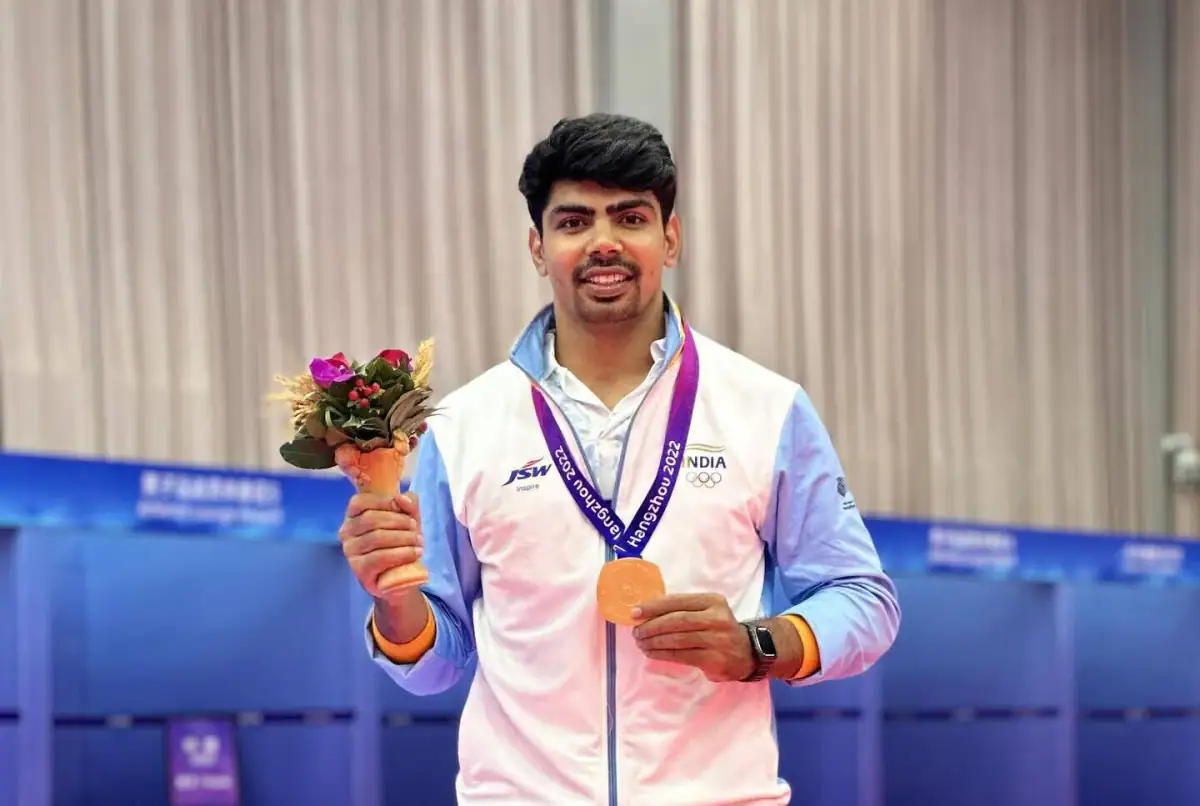
India won the men's hockey gold medal at the Hangzhou Asian Games, and the team now has an opportunity to achieve something that has not previously been accomplished in Indian men's hockey: successfully defend the Asian Games title. Fulton acknowledges that this edition comes with a different context from the previous Games.
Ahead of Hangzhou, India had competed in the Asian Champions Trophy on home soil, giving the team significant exposure to several of its Asian rivals before the Asian Games. This time, the players arrive in Japan immediately after competing against the world's leading teams at the World Cup. Despite that difference, Fulton does not want the team to become distracted by the broader narrative surrounding a potential historic title defence.
“We take it as one game at a time, and we've got all our focus on ourselves, not really worrying about anyone else,” he said.
While the ultimate objective is another gold medal, India will approach the tournament in stages. Fulton identified topping the pool as the team's first target before attention turns to the knockout rounds.
That approach reflects the coach's emphasis on controlling what India can influence its preparation, performance and response to different match situations. For the players, the Asian Games also provide an opportunity to immediately respond to the disappointment of the World Cup. The campaign begins against Indonesia on Sunday, with India aiming to establish momentum from the opening match.
The pressure of defending the gold medal and securing Olympic qualification will inevitably accompany the team throughout the tournament. But Fulton wants those expectations to be channelled into performance rather than distraction.
India have already spent time analysing what went wrong at the World Cup. The next step is to demonstrate that the analysis has translated into improvement.
As the Harmanpreet Singh-led side begins its Asian Games title defence, Fulton’s message is straightforward: the World Cup is now a lesson, and Japan is where those lessons must become action.
Comments (0)
to post comments, replies, and votes.
Loading comments…