Dakar 2026: Youth Olympic Games Set to Make History as Africa Hosts Its First Olympic Event
Dakar 2026 Youth Olympic Games begin October 31, marking Africa’s first Olympic sporting event, with India sending 17 athletes across 11 sports.
India will field 17 athletes across 11 sports as Dakar prepares to welcome the world’s leading young competitors from October 31 to November 13, marking a historic moment for African sport.
Dakar is preparing to make sporting history as Senegal hosts the Youth Olympic Games from October 31 to November 13, 2026, becoming the first African country to stage an Olympic sporting event. Under the slogan “Africa welcomes, Dakar celebrates”, the fourth edition of the Summer Youth Olympics will bring together approximately 2,700 athletes aged 17 and under across 25 sports.
Competitions will take place at eight venues spread across three locations: Senegal’s capital Dakar, the nearby suburb of Diamniadio and the coastal town of Saly, approximately 80 kilometres from the capital. The programme will feature a diverse range of disciplines, from athletics and swimming to beach wrestling, rugby sevens and breaking.
For the continent, the event represents a landmark opportunity to demonstrate its sporting potential and organisational capabilities. For Senegal, it is also a chance to showcase its cultural identity and strengthen Dakar’s profile as an international sporting destination.
The International Olympic Committee has described Dakar 2026 as an important milestone for Africa. The Summer Youth Olympics were originally scheduled for 2022 but were postponed by four years because of the COVID-19 pandemic. The Games will return for the first time since Buenos Aires hosted the previous summer edition in 2018.
Senegal has undertaken extensive infrastructure projects in preparation for the event. Authorities view the investment not only as a means of delivering the Games but also as an opportunity to develop organisational expertise, create long-term skills and support the country’s future sporting ambitions.
The Olympic flame arrived in Dakar on September 12 before travelling approximately 3,600 kilometres through all 14 regions of Senegal. President Bassirou Diomaye Faye used the occasion to encourage the country’s young people, saying that Africa’s youth was watching them with confidence and pride.
However, the build-up has taken place against a difficult economic backdrop. Senegal faces significant debt and economic pressures, while unemployment and the rising cost of living remain pressing concerns for many residents. The Games have generated excitement, but their wider economic benefits and long-term legacy will be important measures of their success.
India sends a 17-member contingent
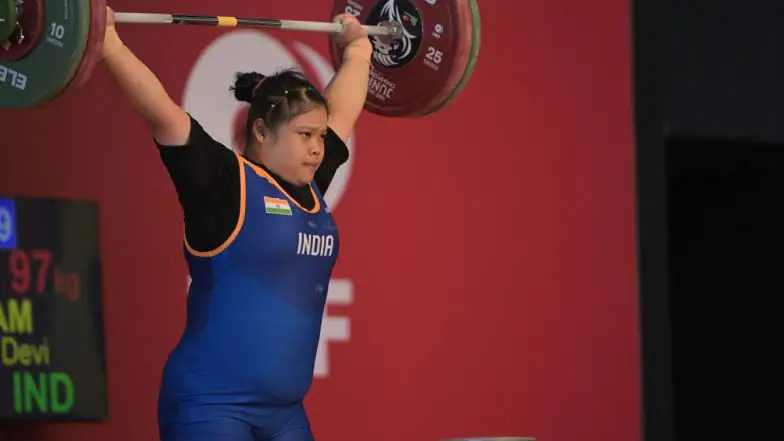
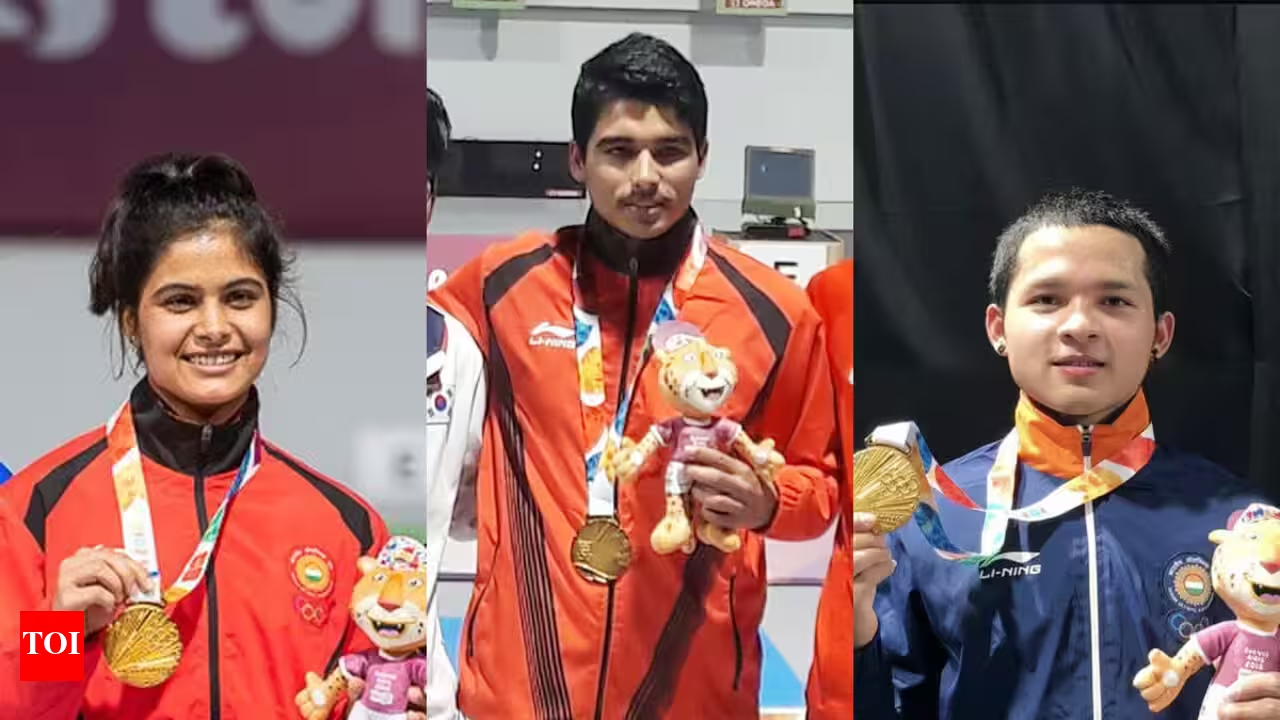
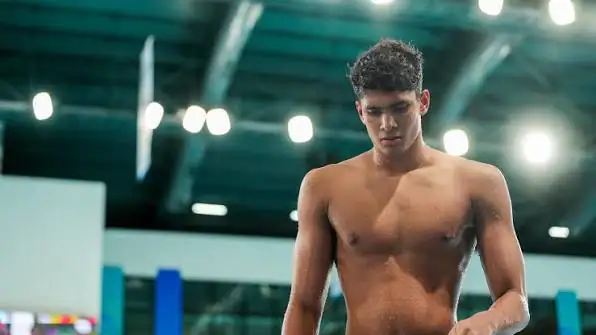
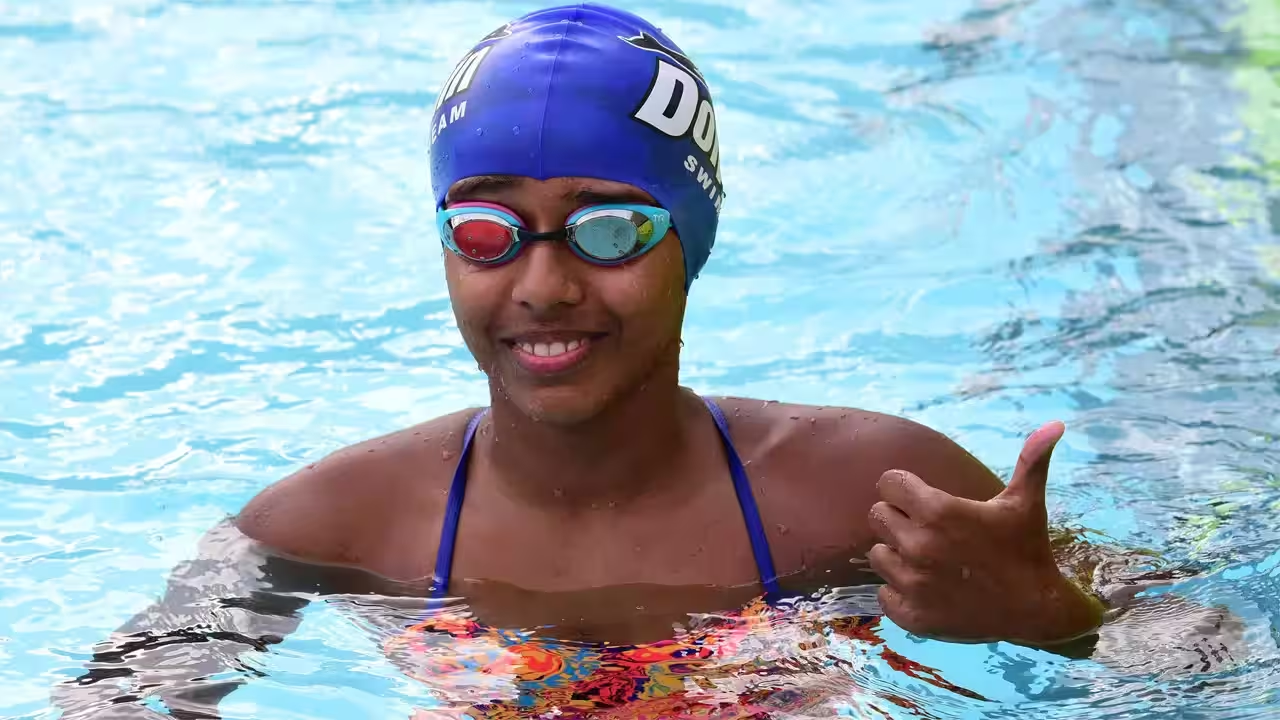
India will participate with a 17-member squad comprising 11 women and six men across 11 sports. It will be the country’s smallest contingent at a Summer Youth Olympic Games. The Indian team includes several promising young athletes, with table tennis player Syndrela Das, Asian U17 badminton champion Tanvi Patri and swimmer Dhinidhi Desinghu among the names to watch.
Desinghu will compete in three swimming events: the women’s 100m freestyle, 200m freestyle and 200m individual medley. Her participation across multiple disciplines gives India representation in several events in the pool.
Patri will compete in women’s singles badminton, while Dev Ruparelia will represent India in the men’s singles event. In table tennis, Syndrela Das will contest the women’s singles competition. India’s athletics representation includes Shourya Ambure in the women’s 100m hurdles. Gatha Anandrao Khadake will compete in the women’s individual archery event, while Gunjan and Ambekar Meetei Lairenlakpam will represent India in women’s 48kg and men’s 50kg boxing, respectively.
The squad also features Sresht Raju Mantena in individual jumping in equestrian, Khushbu Rajakbhai Darjada in women’s 63kg judo and Priyanshi Patil in women’s windsurfing.
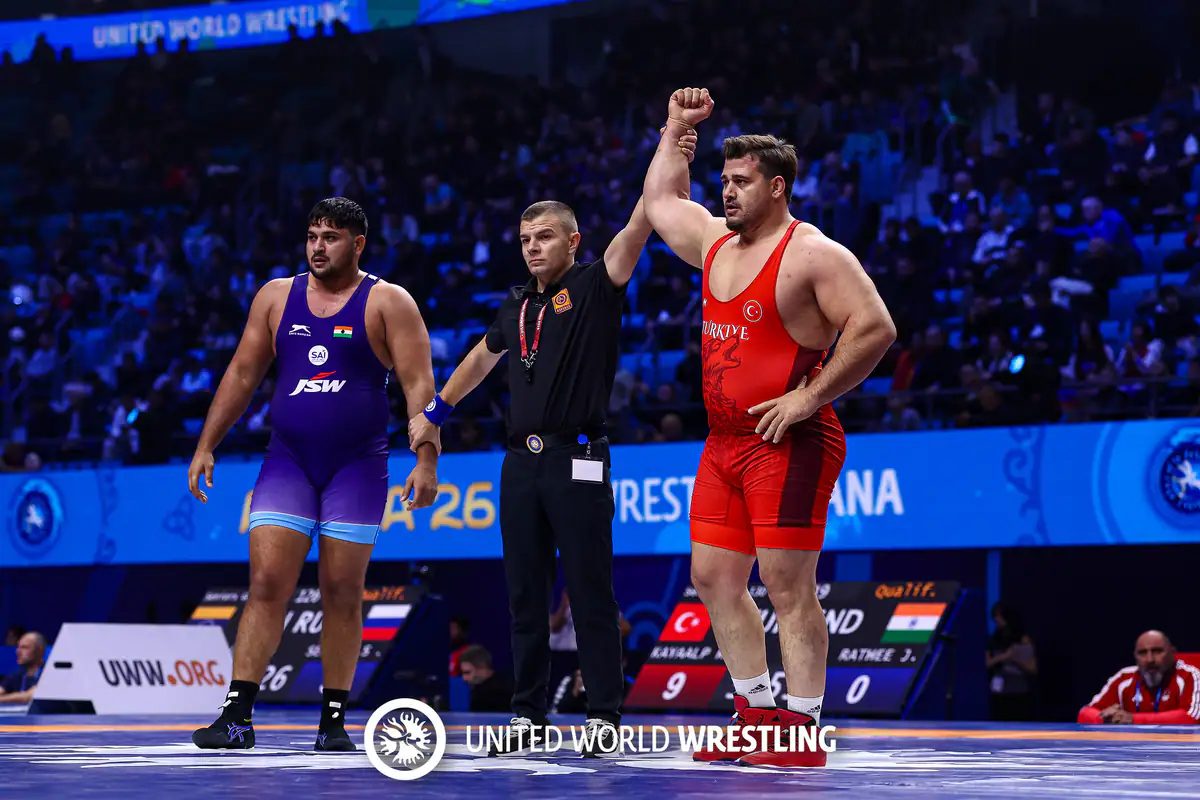
Beach wrestling will have four Indian representatives: Antra in the women’s 65kg category, Taniya in the women’s 75kg category, Anuj in the men’s 70kg category and Deepanshu Khokhar in the men’s 80kg category. Rajkumari Lanchenbi Chanu will compete in the women’s Changquan Combined event in wushu. Tirthank Pegu will contest the men’s 100m butterfly and 200m butterfly in swimming.
For the young Indian athletes, Dakar offers an opportunity to gain experience in a multi-sport international environment while testing themselves against competitors from around the world.
The Games will also mark the return of Russian athletes to Olympic competition under their national colours following a period of restrictions. The International Olympic Committee effectively lifted the suspension of the Russian Olympic Committee in July, although participation arrangements remain dependent on the rules of individual international federations.
According to the Russian Olympic Committee, 13 Russian athletes will compete in Dakar, accompanied by 10 coaches. However, their eligibility and representation will vary by sport. World Athletics continues to maintain its ban, while the international governing bodies for judo and swimming have permitted Russian athletes to return with their flag and national anthem.
The event will also feature a Refugee Olympic Team composed primarily of athletes based in Africa, reinforcing the Games’ international reach.
Dakar 2026 arrives with ambitions that extend beyond medals and competition results. Senegal hopes the event will strengthen its international standing, develop local expertise and demonstrate Africa’s ability to host major sporting occasions.
At the same time, human rights concerns have drawn attention to the wider responsibilities associated with hosting an Olympic event. Human Rights Watch has called on Senegalese authorities to halt what it described as a crackdown on LGBTQ people, following the country’s decision to double the maximum penalty for same-sex relations.
The Olympic Charter prohibits discrimination and commits the Olympic movement to respect human rights and human dignity, placing these issues within the broader conversation surrounding the Games.
As Dakar prepares to welcome thousands of young athletes, the event will represent both a historic sporting first and a test of the country’s ability to deliver a lasting legacy.
For India’s 17-member contingent, the immediate focus will be on competition and performance. For Africa, the significance is larger: Dakar 2026 will open a new chapter in the continent’s relationship with the Olympic movement, placing its young athletes, sporting infrastructure and cultural identity on the global stage.
Comments (0)
to post comments, replies, and votes.
Loading comments…