India at the 2018 Youth Olympics: A 13-Medal Campaign That Set the Benchmark
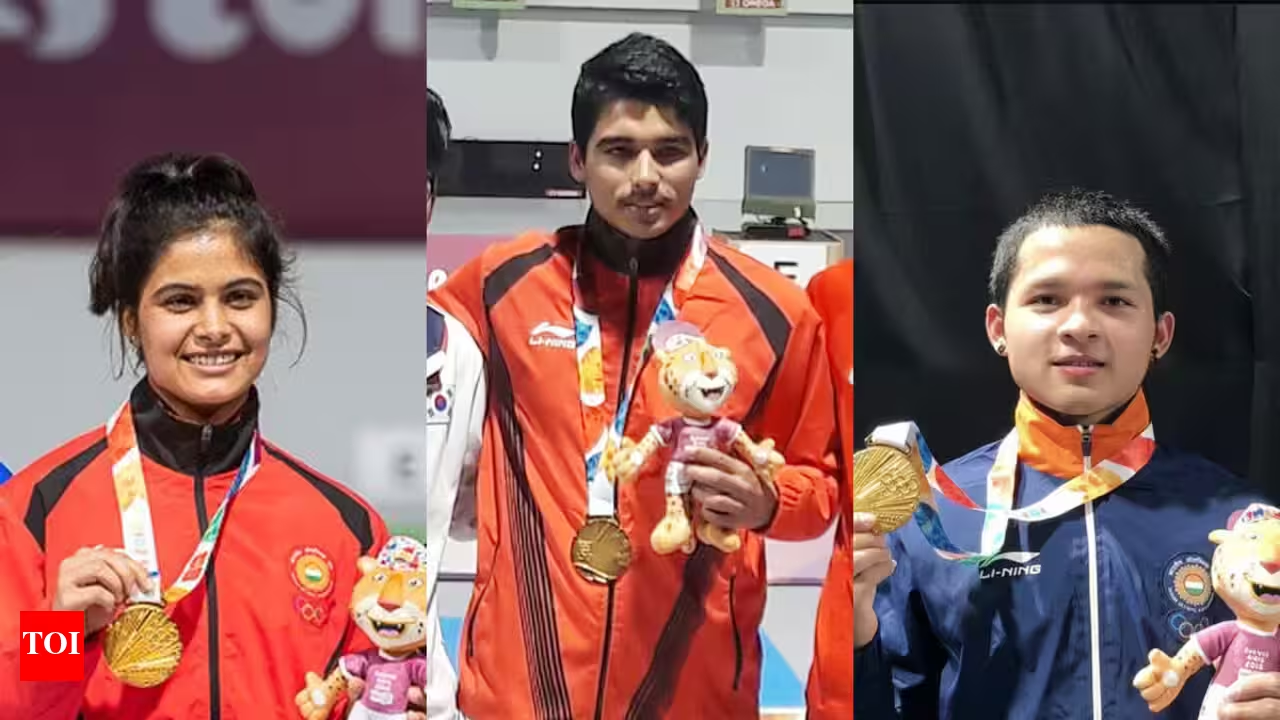
India produced its best-ever performance at the Youth Olympic Games in Buenos Aires in 2018, returning with 13 medals three gold, nine silver and one bronze.
The campaign placed India among the leading sporting nations at the Games and marked a significant improvement from the country’s previous Youth Olympic campaigns.
A contingent of 46 Indian athletes competed across 13 sports, with medals coming from eight disciplines. India finished 17th in the medal standings according to the 2018 campaign data, while the overall medal haul established a new national benchmark at the Youth Olympics.
The first major breakthrough came in weightlifting. Jeremy Lalrinnunga won the boys’ 62kg gold, becoming the first Indian athlete to win a Youth Olympic Games gold medal. He lifted a combined 274kg, creating a historic moment for Indian weightlifting.
His gold was particularly significant because India had previously won medals at the Youth Olympics but had never stood at the top of the podium. Lalrinnunga therefore became the athlete who finally broke that barrier in Buenos Aires. His performance also highlighted the importance of India's junior weightlifting programme and provided an early indication of the potential within the country's younger generation.
Shooting Became India's Strongest Sport
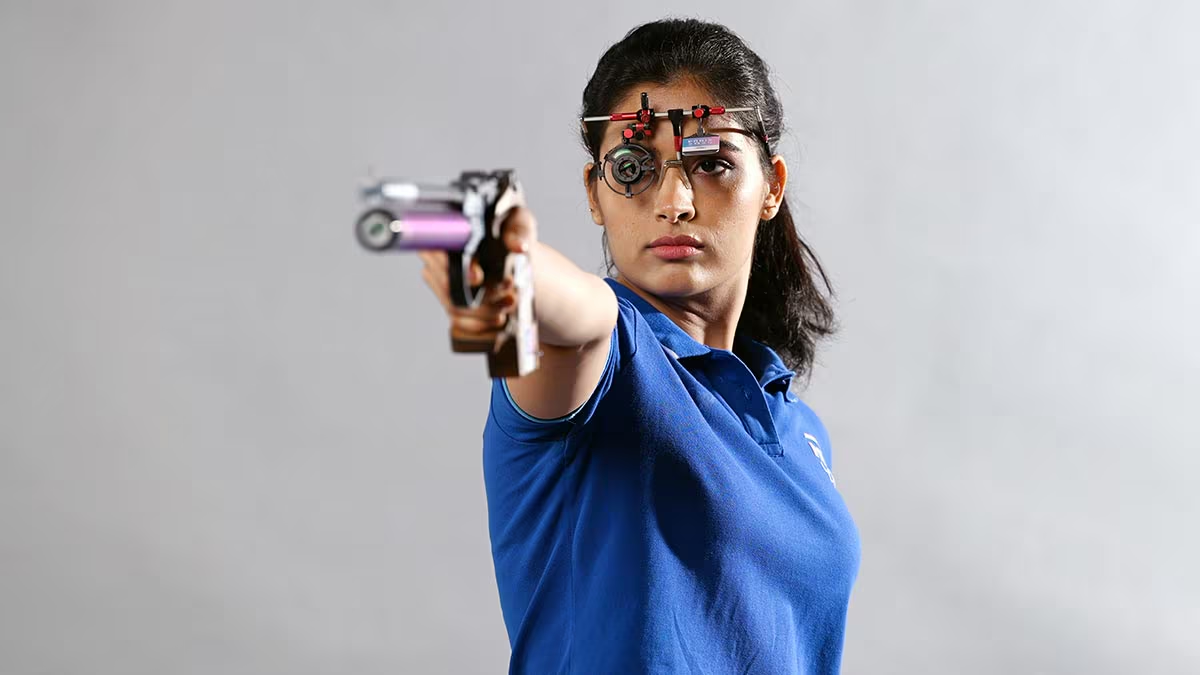
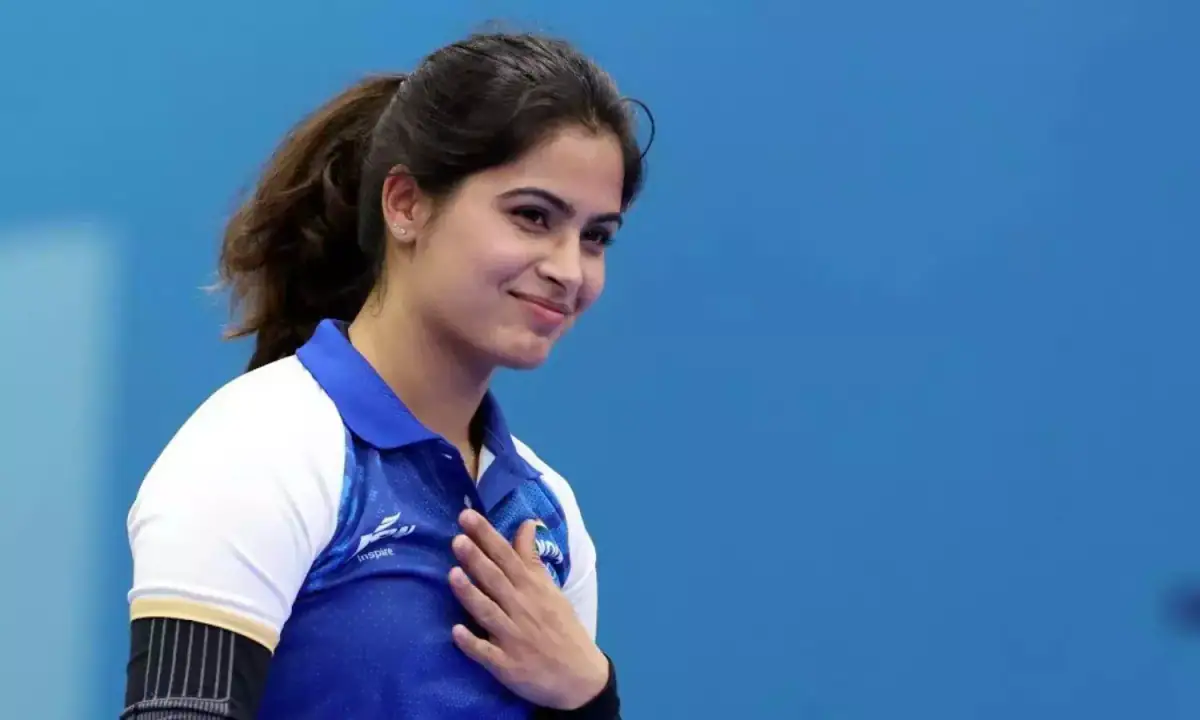
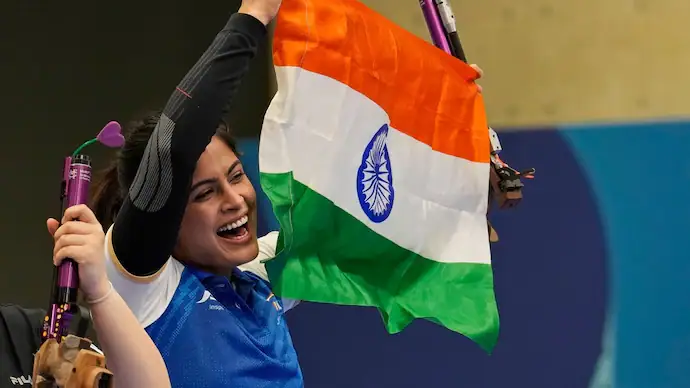
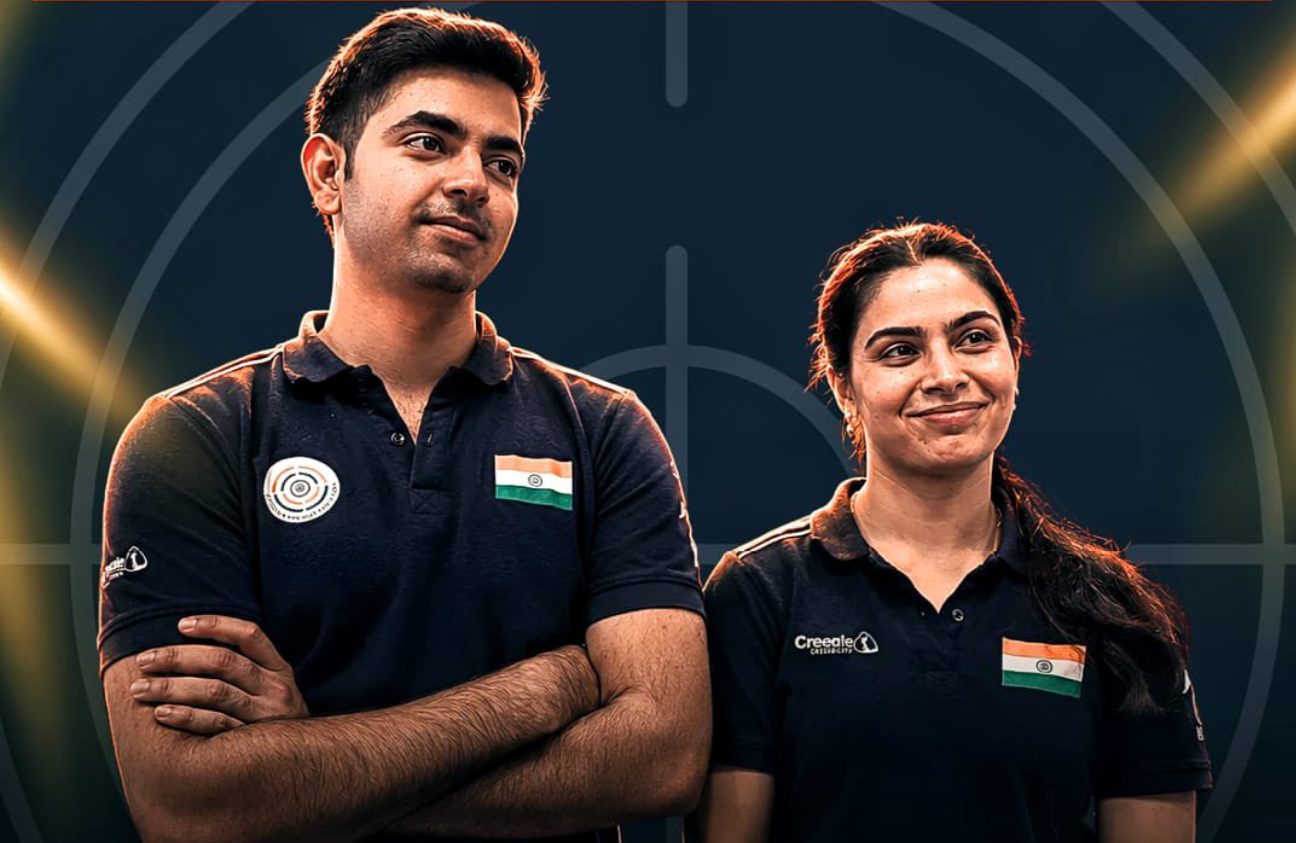
Shooting produced four medals for India, including two golds and two silvers. Manu Bhaker won the girls’ 10m air pistol gold, while Saurabh Chaudhary won the boys’ 10m air pistol gold. The two victories gave India its second and third gold medals of the Games.
Bhaker's victory was historic in its own right. She became the first Indian female athlete to win a Youth Olympic gold medal. Chaudhary then added another gold in the men's 10m air pistol, completing a remarkable shooting campaign for the Indian contingent. The other two shooting medals came through Tushar Mane, who won silver in the boys’ 10m air rifle, and Mehuli Ghosh, who took silver in the girls’ 10m air rifle.
All four Indian shooters therefore returned from Buenos Aires with medals.
India's nine silver medals demonstrated that the performance was not dependent on a single discipline. Tababi Devi Thangjam won silver in the girls’ 44kg judo event, becoming India's first Youth Olympic medal-winning judoka. Her achievement was an important milestone for Indian judo. Lakshya Sen won silver in boys’ singles badminton after reaching the final. His run underlined his status as one of India's most promising young badminton players at the time.
In wrestling, Simran won silver in the girls' 43kg freestyle category, becoming only the second Indian female wrestler to win a Youth Olympic medal. Athletics also contributed to the tally. Suraj Panwar won silver in the boys’ 5km walk, while Praveen Chitravel secured India's only bronze medal in the boys’ triple jump.
Archery produced another landmark result when Akash Malik won silver in the boys’ individual recurve event, giving India its first Youth Olympic silver in archery.
Hockey Delivered Two More Silvers
India's first appearance in the Youth Olympic hockey competition also ended with medals.
Both the Indian men's and women's Hockey 5s teams won silver medals. The results were significant because they marked India's first participation in the Youth Olympic hockey competition and immediately produced podium finishes for both teams.
The Hockey 5s format was different from the traditional 11-a-side game, but the performances demonstrated the depth of India's hockey pathway and added two more medals to the national tally.
One of the most encouraging aspects of India's 2018 campaign was the spread of its medals. The 13 medals came from shooting, weightlifting, hockey, athletics, archery, badminton, judo and wrestling. That meant India did not rely exclusively on one sport to build its medal tally.
Shooting led the way with four medals, while weightlifting, hockey, athletics, archery, badminton, judo and wrestling all contributed to the overall haul. The campaign therefore showed a broader competitive base among India's junior athletes. India also won additional medals in IOC mixed-team events, where athletes from different nations competed together. Those medals were not included in India's official 13-medal national tally, which counted medals won in events representing India.
The Buenos Aires campaign became an important reference point for India's development at the Youth Olympic level. Jeremy Lalrinnunga's historic weightlifting gold, Manu Bhaker and Saurabh Chaudhary's shooting victories, the two hockey silvers and medals across five other sports demonstrated that India's young athletes were increasingly capable of competing across a wide range of Olympic disciplines.
More importantly, several athletes from the 2018 generation subsequently became prominent names in Indian sport. The campaign therefore represented more than a medal tally. It provided evidence that India's junior sporting pipeline was producing athletes capable of competing successfully on an international stage.
With the 2026 Youth Olympic Games following Buenos Aires, the 2018 edition remains the most recent benchmark against which India's next generation can be measured. The challenge for the new generation is not simply to match the 13-medal haul but to build on the breadth and quality of the performance achieved in Buenos Aires.
Comments (0)
to post comments, replies, and votes.
Loading comments…