Brazil Beat India 4-0 in Kolkata, but Khalid Jamil’s Side Leaves Signs of Progress
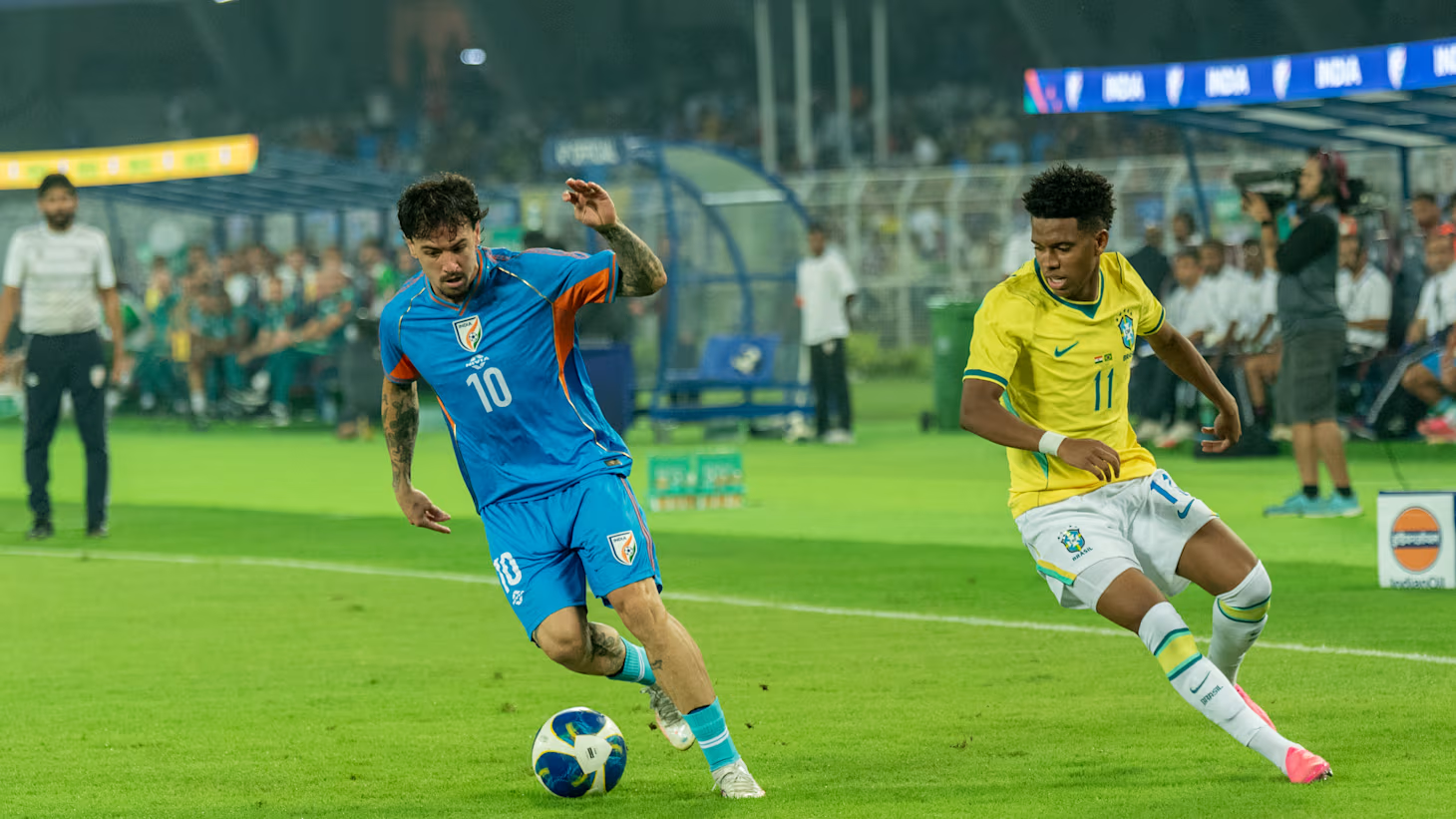
Brazil defeated India 4-0 in Kolkata, but India’s defensive resistance, 13 dribbles and 11 interceptions offered positives ahead of upcoming tests against Uruguay and New Zealand.
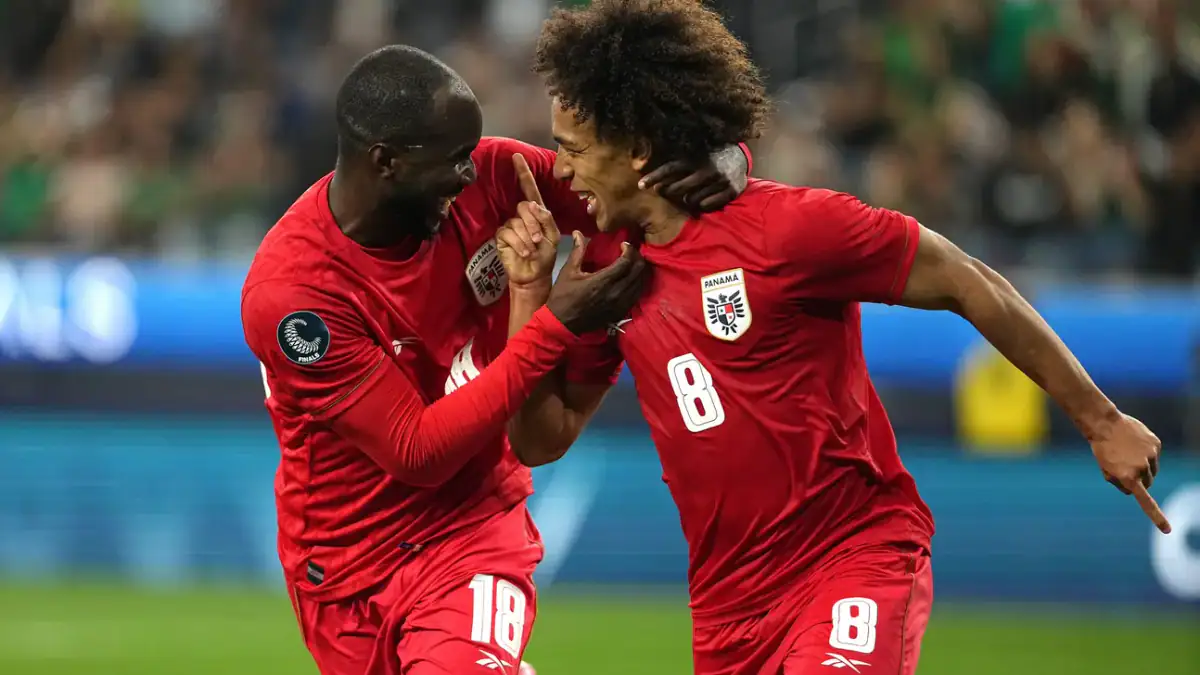
Brazil came to Kolkata with a new-look squad, a six-place FIFA ranking and the weight of being a five-time world champion. India entered the contest ranked 137th in the world and coming off an encouraging 1-1 draw against Panama.
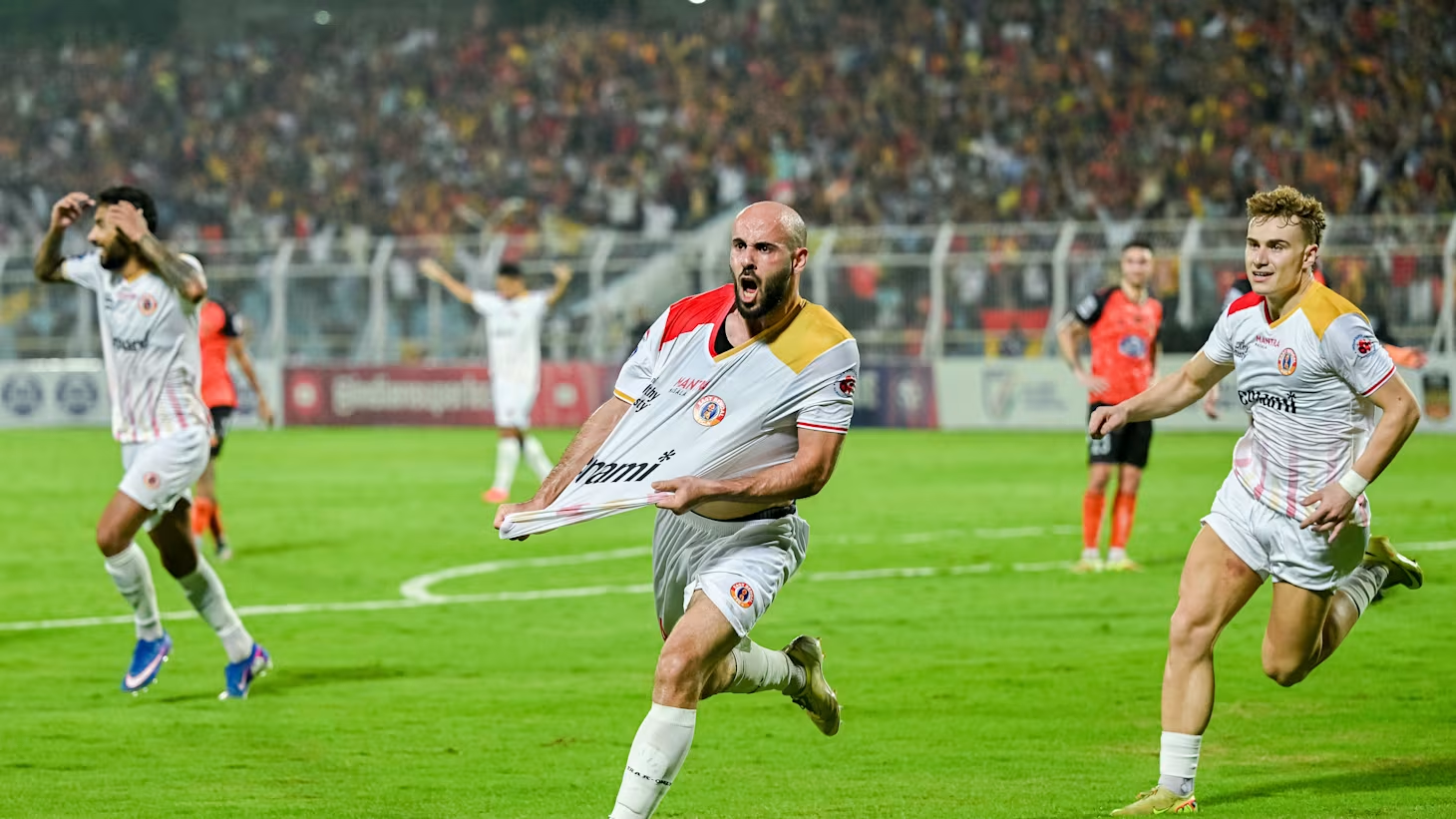
The gulf in pedigree ultimately showed at Salt Lake Stadium as Brazil secured a 4-0 victory, scoring twice in each half. Yet the result did not tell the entire story of an evening in which India forced Carlo Ancelotti’s experimental side to work harder than the scoreline suggested.
For Brazil, the match was another step in the rebuilding process following their round-of-16 exit at the 2026 FIFA World Cup. For India, it offered evidence that competing against elite opposition can expose weaknesses while also revealing areas of genuine promise.
Ancelotti made eight changes to the Brazilian starting XI from the team that had defeated Australia 4-2, using the fixture as an opportunity to assess players competing for places in the next cycle. Brazil had also brought eight new players into the squad, with seven featuring against India. Goalkeeper Pedro Morisco made his senior international debut.
Despite the changes, Brazil controlled the key moments. India held the visitors at bay for 27 minutes before Estevao broke through. He worked his way into the penalty area, and Gurpreet Singh Sandhu’s attempted save allowed the ball to bounce into the net.
Brazil doubled its advantage 14 minutes later when Pedro’s effort found the net after Gurpreet was unable to get down quickly enough. The second half followed a similar pattern, with Brazil adding two more goals to complete a 4-0 victory.
For a team ranked 131 places above India, the result was hardly surprising. What stood out was the resistance India offered before and between those decisive moments.
India’s defensive structure shows promise
India’s approach under Khalid Jamil was primarily defensive, but the team was not passive. India recorded 13 dribbles compared to Brazil’s three, made 11 interceptions to Brazil’s five and won more duels.
Those numbers indicate that India were able to disrupt Brazil’s rhythm in several phases of the game, even if they struggled to sustain that pressure for the full 90 minutes. The major difference was efficiency.
Brazil required relatively few openings to punish India, while the home side could not convert its periods of possession and pressure into goals. The Indian defence also had moments where concentration dropped, particularly when Brazil increased the tempo around the penalty area. Jamil subsequently replaced Gurpreet at half-time with Prabsukhan Singh Gill, but the goalkeeper's mistakes were only part of a wider defensive issue. India's shape needed greater consistency, particularly in preventing Brazil from progressing into dangerous shooting positions.
One of the clearest concerns for India came from the players introduced from the bench. With the coaching staff making extensive changes and giving opportunities across the squad, the substitutes had an important chance to demonstrate that they could contribute against top opposition. Instead, India's second-half replacements struggled to maintain the intensity and effectiveness of the starting group.
That is particularly significant for a team attempting to build depth for the next international cycle. Matches against opponents of Brazil's quality provide limited opportunities, making every minute valuable for players competing for places. Jamil's assessment of the substitutes was therefore one of the strongest takeaways from the evening: opportunity alone is not enough; players must be mentally prepared to take advantage of it.
There were, however, individual performances that offered encouragement. Anirudh Thapa impressed in defensive midfield, while Ryan Williams and Manvir Singh carried much of India's attacking responsibility. Sahal Abdul Samad also contributed positively. Williams, in particular, stood out for his willingness to remain involved in India's attacking phases despite the quality of the opposition.
These performances provide India with building blocks as Jamil continues to develop the side.
The next test is Uruguay
India's international window is far from over. The next challenge is Uruguay, a two-time world champion that enters the contest after a 4-1 victory over South Korea.
That match will provide another opportunity for India to test the defensive structure and attacking combinations developed under Jamil. The larger objective is not simply to avoid heavy defeats against elite teams. It is to turn these matches into meaningful competitive experience and gradually reduce the gap between India's performance level and that of higher-ranked opponents.
Another World Cup-playing nation, New Zealand, awaits India in November. Brazil exposed India's weaknesses, particularly defensive concentration and squad depth. But the match also demonstrated that India can disrupt a world-class opponent, win individual duels and create moments of pressure.
The 4-0 scoreline was decisive. The performance, however, was not without positives.
For India, the next step is turning those positives into consistency.
Comments (0)
to post comments, replies, and votes.
Loading comments…