Dragan Mihailovic’s Impact: How the Serbian Coach Guided India to an Unbeaten Group Stage at the 2026 AVC Men’s Volleyball Cup
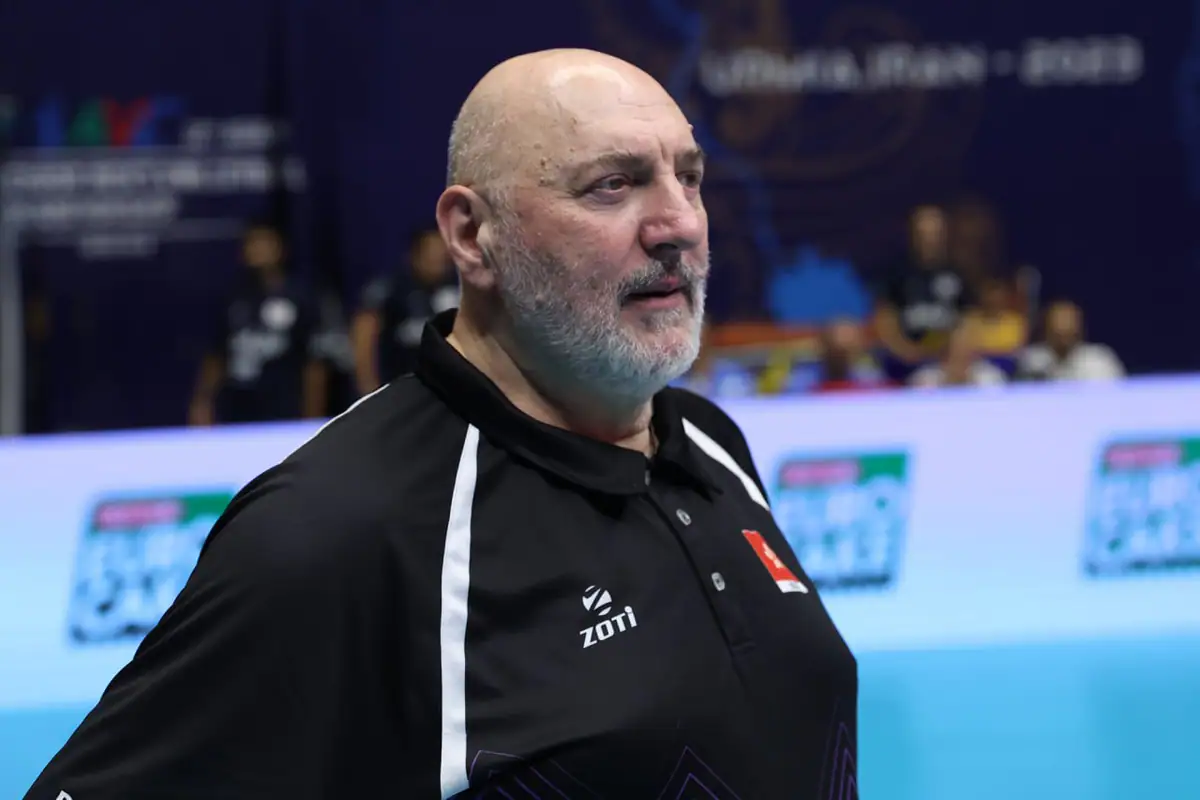
When Dragan Mihailovic took charge of the Indian men’s volleyball team, expectations were modest. Few imagined that within months, India would emerge as one of the standout teams in Asia, defeating higher-ranked opponents and storming into the semi-finals of the 2026 AVC Men’s Volleyball Cup with an unbeaten record.
The Serbian tactician has overseen a remarkable transformation, guiding India to five consecutive victories in the group stage while dropping just one set. More than the results themselves, it has been the style of play, tactical discipline and renewed confidence that have caught the attention of volleyball followers across the continent.
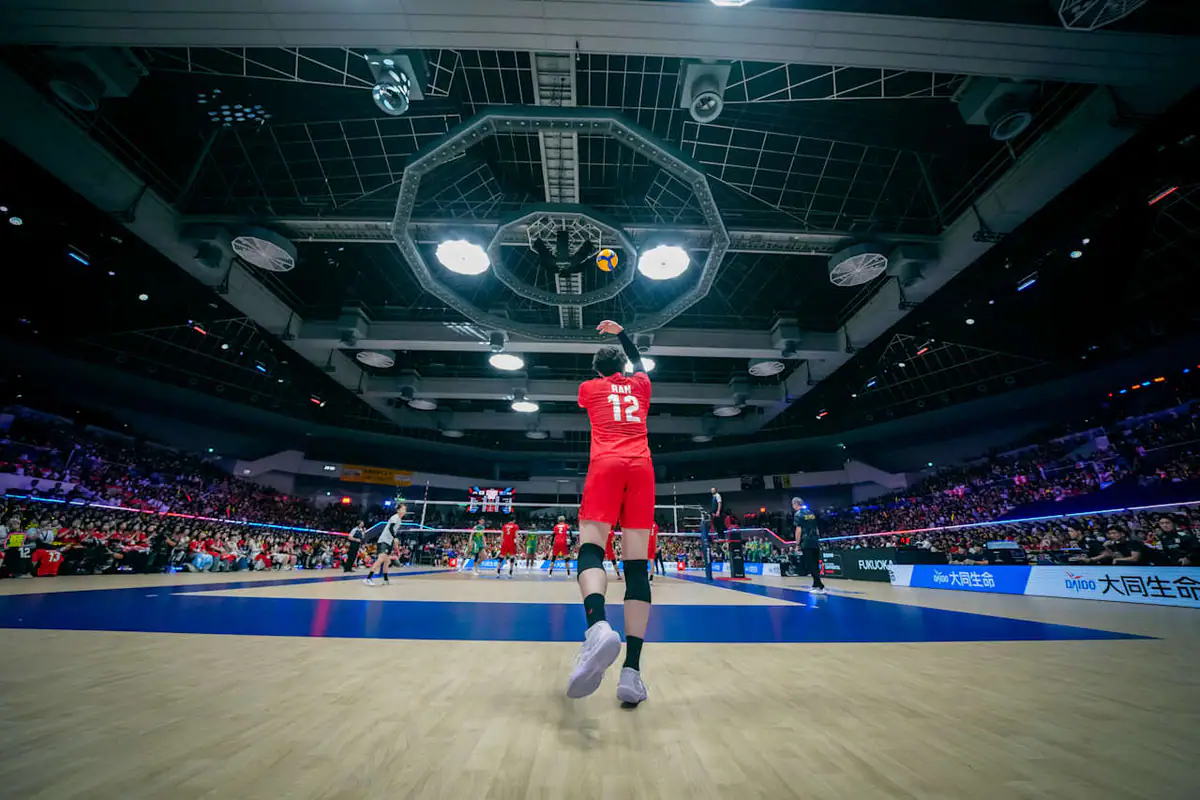
India’s campaign in Ahmedabad has been nothing short of outstanding.
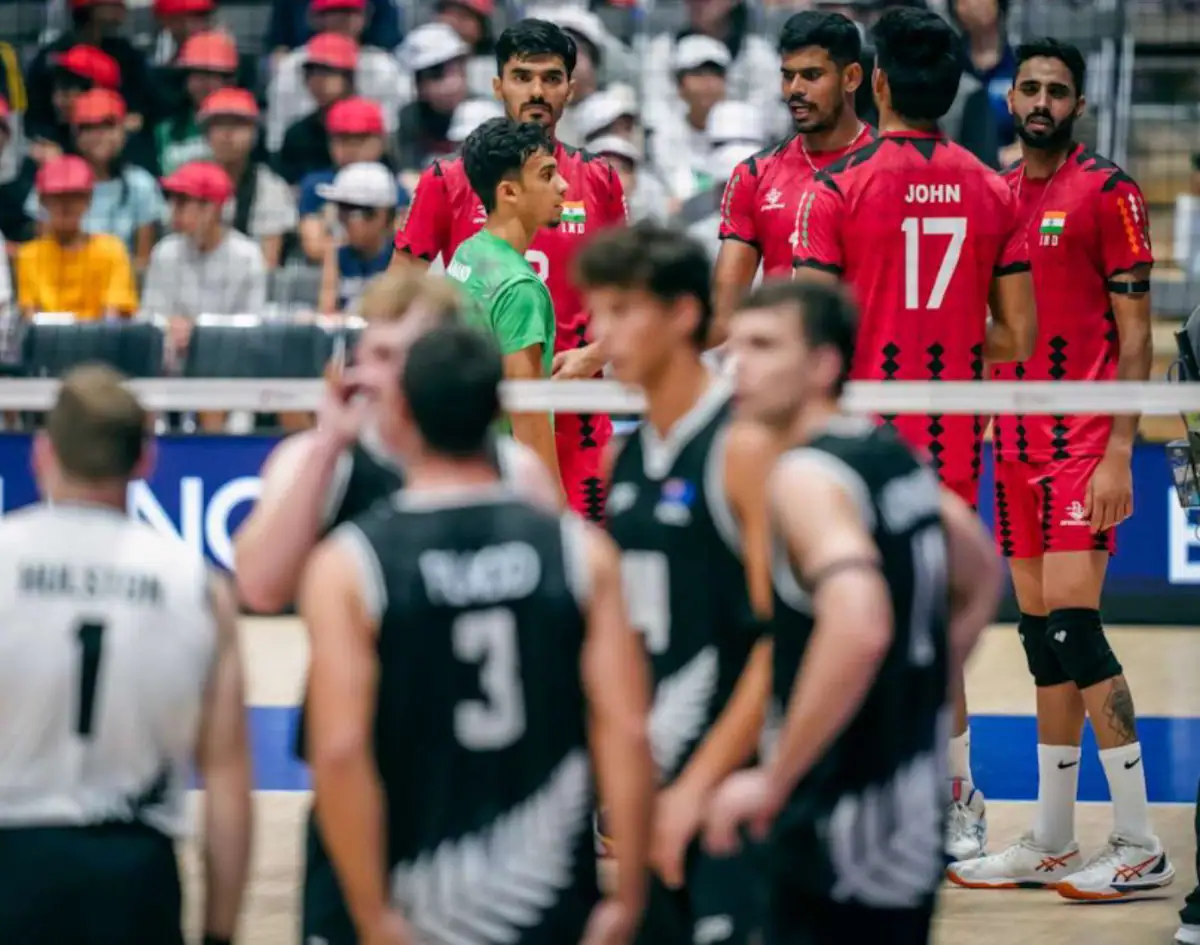
The team opened with a 3-0 victory over New Zealand, followed by another straight-sets win against Kazakhstan. Their toughest challenge came against Chinese Taipei, where India dropped the opening set before producing an impressive comeback to win 3-1.
Momentum continued with a dominant 3-0 triumph over defending champions Bahrain, before India capped off the group stage by defeating Australia 3-0, recording its first win over the Australians in more than a decade.
The results ensured India finished at the top of Pool A with an unbeaten 5-0 record, collecting victories over every opponent and conceding just one set throughout the preliminary phase.
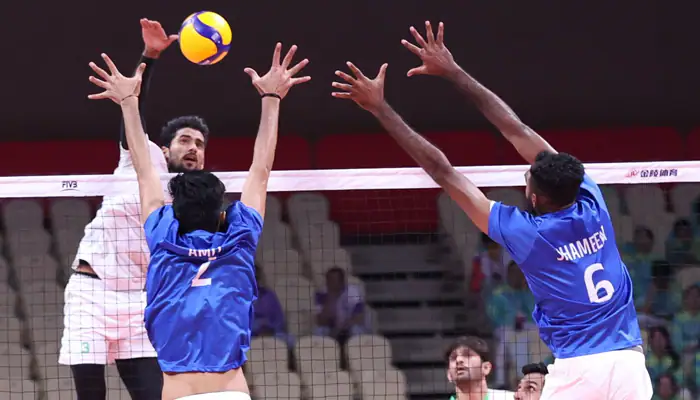
One of Mihailovic’s biggest contributions has been modernising India’s tactical approach. Historically, Indian volleyball relied heavily on physicality and high-ball attacks. Under the Serbian coach, the team has embraced a faster and more structured European system built around quick transitions, coordinated blocking and intelligent ball distribution.
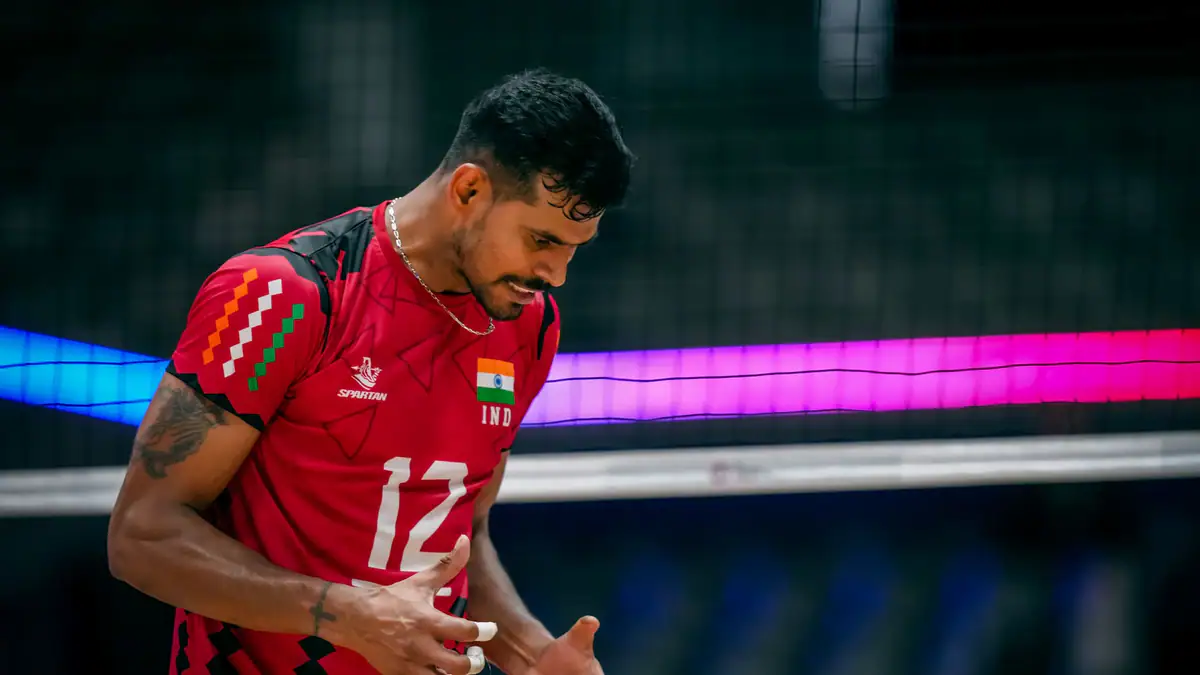
Setter Appavu Muthusamy has been central to this philosophy, orchestrating attacks that utilise multiple options rather than depending on a single scorer. Outside hitters such as Chirag Yadav and Joel Benjamin Jebaraj, along with captain Jerome Charles Vinith, have flourished within this framework.
The result has been a more balanced side capable of adapting to different opponents and maintaining composure in pressure situations.
Unlike previous Indian squads that often depended on individual brilliance, Mihailovic has fostered a collective approach. Throughout the tournament, multiple players have contributed significantly in attack and defence. Chirag Yadav consistently delivered double-digit scoring performances, Jerome Vinith provided leadership and offensive firepower, while Joel Benjamin Jebaraj excelled in blocking and transition play.
Defensively, libero Anand K and the middle blockers have helped India maintain stability in serve reception and net coverage, allowing the attackers to operate with greater freedom. This emphasis on teamwork has been evident in every match and has enabled India to sustain high standards across consecutive games.
India’s success becomes even more impressive considering the administrative uncertainty surrounding volleyball in the country. The months leading up to the AVC Men’s Cup were marked by governance disputes and disagreements over the national team’s preparation. At one stage, Mihailovic’s position itself came under threat before intervention ensured continuity in the coaching setup.
Despite these distractions, the Serbian coach maintained focus on the players, implementing structured training sessions, video analysis and sports science practices that elevated the team’s performance levels. The ability to shield the squad from external issues and keep attention on the court has been one of his understated achievements.
India’s unbeaten campaign has also had a significant impact on its international standing. The victories over Bahrain and Australia, both higher-ranked teams, earned valuable ranking points and propelled India sharply up the FIVB World Rankings. The team entered the tournament outside the top 50 but climbed to approximately 42nd in the world by the end of the group stage.
This rise carries practical benefits beyond prestige, including improved seeding in future continental competitions and greater confidence heading into major events such as the Asian Games. The ranking surge is tangible evidence of the progress achieved under Mihailovic’s leadership.
Perhaps the greatest impact of Dragan Mihailovic has been psychological. The Indian squad now believes it can compete with Asia’s best. Instead of entering matches as underdogs, the team has embraced an aggressive mindset, taking the initiative against stronger opponents and showing resilience whenever challenged.
This confidence was most evident in the comeback victory over Chinese Taipei and the composed performance against Australia, where India closed out tight first and third sets to secure a straight-sets win.
The consistency displayed across five matches suggests that the transformation extends beyond tactics to a broader shift in mentality.
With the group stage complete, India now enters the semi-finals carrying momentum and belief. The unbeaten run has generated excitement among fans and established the team as a genuine contender for the title. While tougher tests await, the performances so far indicate that India possesses the discipline and quality required to challenge any side remaining in the competition.
For Dragan Mihailovic, the achievements represent validation of months of planning and preparation. His emphasis on structured systems, player development and collective responsibility has produced immediate results and laid the foundation for sustained progress.
Whether or not India ultimately lifts the AVC Men’s Volleyball Cup trophy, the 2026 campaign has already marked a turning point. Under the guidance of the Serbian coach, Indian volleyball has rediscovered its competitive edge, climbed the international rankings and announced itself as a rising force on the Asian stage.
Comments (0)
to post comments, replies, and votes.
Loading comments…