Engaging the New Cricket Demographic: Why 34% of Ticket…
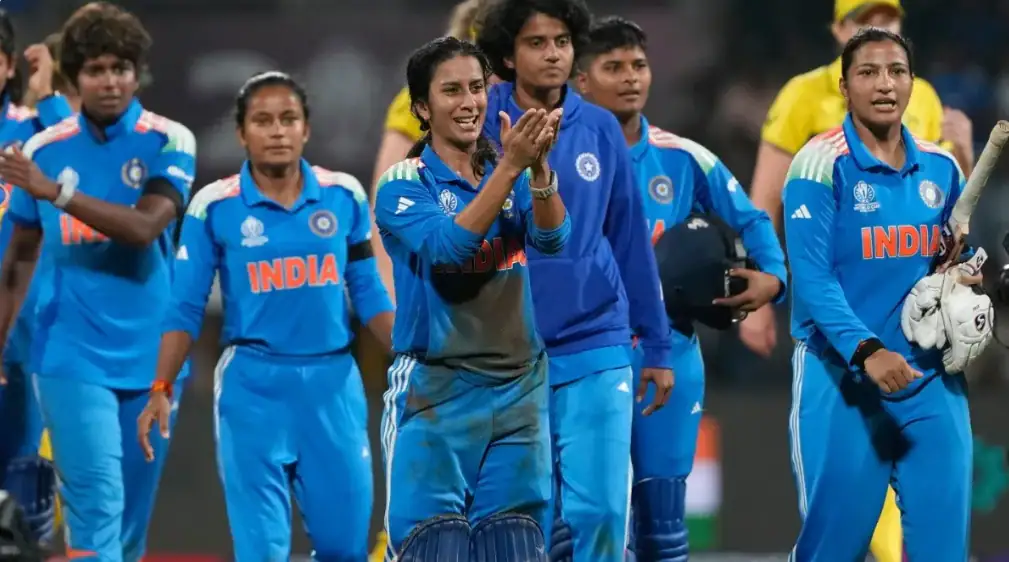
How smart marketing, digital gaming, and better matchday experiences sparked a record female turnout in cricket.
How smart marketing, digital gaming, and better matchday experiences sparked a record female turnout in cricket.
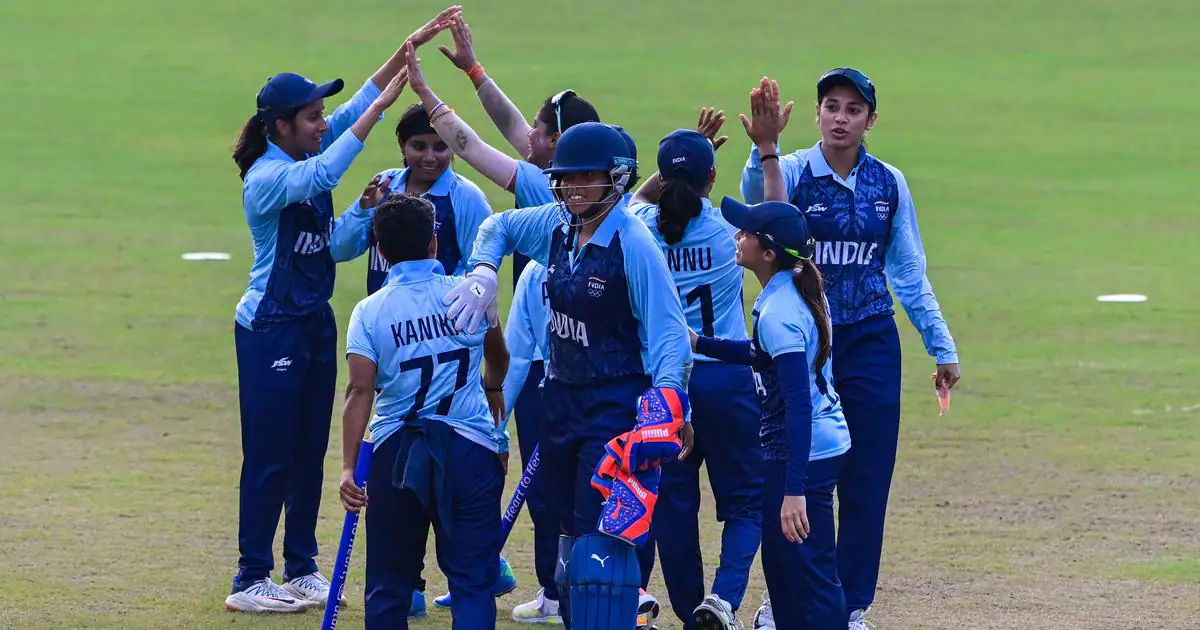
If you walked around the concourses outside the stadiums during the recent World Cup, you probably noticed something different about the crowd. The lines at the merchandise stands weren't just filled with fathers buying jerseys for their sons, or groups of die-hard male supporters chanting traditional club songs. Instead, there was a completely different energy, one driven by a massive surge of women and girls who didn't just show up to watch but actually bought the tickets to get there.
The final numbers confirmed what everyone in the stands could feel: 34% of all ticket buyers for the tournament were female. In the broader history of the sport, that isn't just an incremental uptick; it is a record-breaking high across any cricket format. Even more striking is the fact that a full third of everyone who bought a seat was purchasing a cricket ticket for the very first time.
So, how did an old-school sport that spent over a century catering to a predominantly male audience suddenly crack the code on female engagement? It didn't happen by accident. It was the result of a calculated, multi-year strategy that overhauled how the game is marketed, how it feels to attend a match, and how the sport connects with culture online.
For decades, cricket carried a reputation that was tough to shake. People viewed it as a slow, overly technical game built for traditionalists often stereotyped as an "old boys' club" where matches dragged on for days. While short-form T20 cricket injected high-speed entertainment into the calendar years ago, bringing female fans through the turnstiles required more than just shortening the game to three hours. It required a complete reset of the sport's cultural footprint.
The breakthrough came when organisers stopped treating female fans as an afterthought or a "bonus" audience. In previous eras, sports marketing directed at women often relied on patronising tactics think pink jerseys, simplified rule explanations, or family-discount bundles that assumed women only attended games as chaperones for their kids.
The recent World Cup threw that playbook in the trash. The marketing centred entirely on elite athleticism, intense national rivalries, and prime-time sports entertainment. By treating the players like absolute rockstars and promoting the matches with the same aggressive, high-production value as men's tournaments, the sport earned the respect and the spending power of a brand-new demographic.
Meeting Fans Where They Hang Out: The Roblox Effect
You can't talk about the rise in female ticket buyers without looking at what happened on screens long before the stadium gates opened. The organisers understood that to build lifelong fans, you have to engage them early, and you have to meet them on their own turf.
Instead of relying solely on traditional TV spots or standard social media highlights, the sport made a massive digital detour into gaming. A dedicated World Cup game launched on Roblox, creating a virtual space where younger fans could interact with the tournament, customise avatars, and participate in cricket challenges.
The results were staggering:
Over 950,000 players jumped into the game during the tournament window.
Users logged more than 95,000 hours of in-game play.
By turning the World Cup into an interactive digital playground, the sport built familiarity and excitement among younger female audiences. When you spend hours engaging with a sport online, buying a ticket to see it live becomes a natural next step.
There is a simple rule in sports business: people who play the game are vastly more likely to pay to watch it. You can draw a direct line between the 34% female ticket-buying stat and the aggressive expansion of grassroots cricket programmes leading up to the tournament.
Through initiatives tied directly to the competition, more than 520,000 women and girls picked up a bat and ball over the course of the year. At the same time, dedicated development programmes trained over 180 female leaders and coaches, ensuring that local clubs had the infrastructure to support this sudden flood of interest.
When a teenage girl spends her Saturday morning playing in a local softball-cricket league, she naturally wants to see the best in the world do it on the global stage. Those half-a-million grassroots participants didn't just stay on the local fields; they convinced their friends, parents, and partners to buy stadium tickets so they could watch their heroes in person.
Getting someone to buy a ticket once is a marketing challenge; getting them to come back and bring their friends is an operational one. A major driver behind the surge in female attendance was a deliberate overhaul of the matchday experience.
Historically, some sports venues can feel intimidating or uninviting to female fans due to aggressive crowd behaviour, poor facilities, or inconvenient scheduling. To counter this, tournament organisers focused heavily on venue accessibility, safety, and overall atmosphere by making several key practical changes:
Optimised Scheduling: Prime-time evening and weekend slots allowed friend groups and working professionals to attend without juggling awkward midday hours or navigating public transit late at night on weekdays.
Inclusive Atmospheres: A heavy focus on live music, entertainment between overs, and proactive crowd safety created a festival-like vibe that felt genuinely welcoming to first-time attendees.
Smart Ticket Pricing: Accessible entry-level pricing made it easy for younger fans and large groups of friends to take a chance on a live match without breaking the bank.
The result was an environment where women didn't just feel safe; they felt like the event was specifically designed for them. It wasn't unusual to see entire sections of stadiums packed with groups of women treating the match as their primary weekend social event.
The Commercial Reality: Why This Matters to the Bottom Line
From a purely business perspective, tapping into the female demographic is a massive financial win. Women drive or influence the vast majority of consumer spending decisions globally. For sponsors, broadcasters, and commercial partners, a sports property that can legitimately deliver a 34% female ticket-buying audience is gold.
This demographic shift brings a whole new ecosystem of commercial opportunities:
Merchandise Evolution: High demand for stylish, well-fitted apparel rather than just traditional, boxy men's replica kits.
Sponsor Diversification: Attracting lifestyle, fashion, and wellness brands that previously ignored traditional cricket broadcasts.
Higher Lifetime Value: First-time buyers who fall in love with the live experience often convert into season-ticket holders, pay-TV subscribers, and multi-year consumers.
The most exciting thing about the 34% figure is that nobody within the sport views it as a ceiling. Instead, it serves as proof of concept. It shows that when you remove traditional barriers, invest heavily in visible female leadership, and treat women like the passionate sports fans they are, the market responds instantly.
Cricket is no longer just a traditional pastime preserved for a specific type of fan. The turnstiles have opened up, the demographic landscape has permanently shifted, and the fans buying the tickets today are reshaping what the sport will look like for the next fifty years.
Comments (0)
to post comments, replies, and votes.
Loading comments…