LA 2028 Calling: What Qualifying for the Olympics Means for the Future of Indian Women’s Cricket
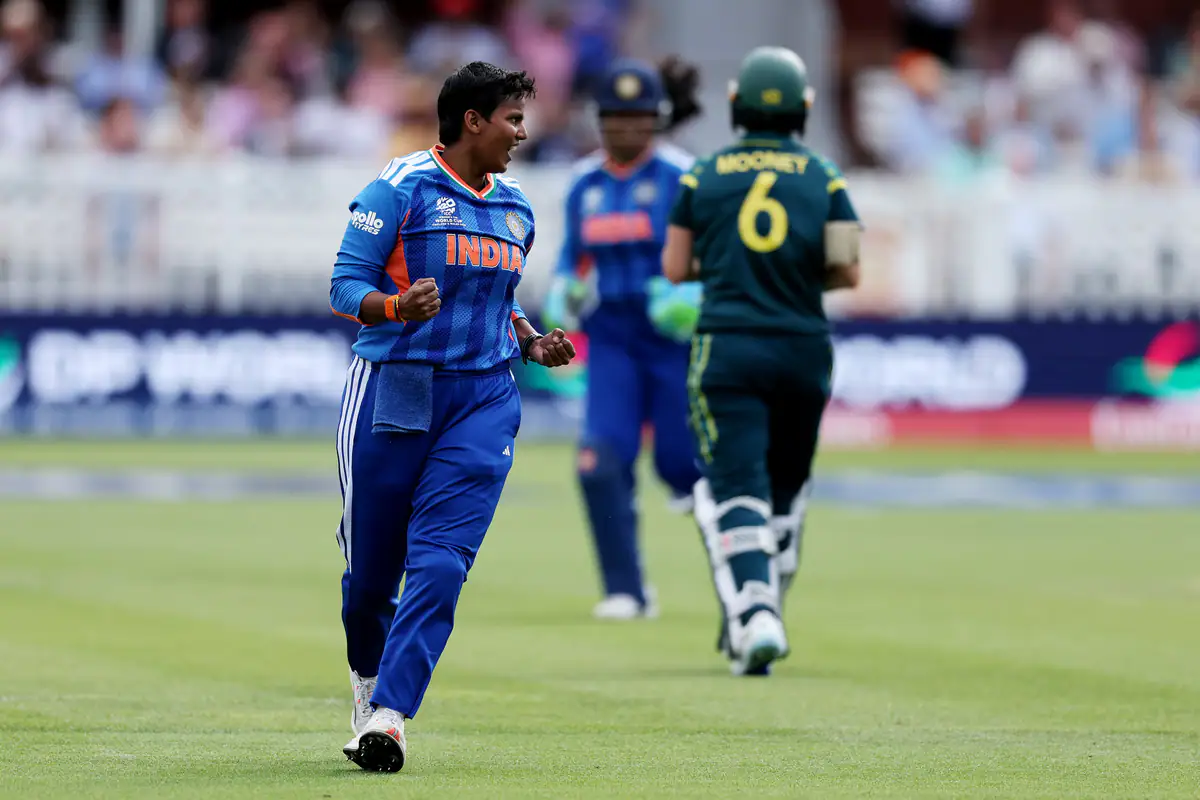
How Olympic qualification will unlock grassroots funding, spark social change, and redefine the women’s game.
How Olympic qualification will unlock grassroots funding, spark social change, and redefine the women’s game.
For over a century, the Olympic Games and the sport of cricket existed in two entirely different universes. While the rest of the sporting world converged every four years to chase gold and glory under the iconic five rings, cricket built its own massive, self-sustaining empire. But paradigms shift, and the announcement that cricket is returning to the Olympic programme for the Los Angeles 2028 Games has sent a jolt of electricity through the global sporting landscape.
Among the initial wave of announcements, one milestone stands out as a historic turning point for Indian sport: the Indian women’s cricket team has officially secured its spot for LA28.
This is not just another tournament added to an already packed calendar. For Indian women’s cricket, qualifying for the Olympics is a structural, cultural, and psychological watershed moment that will permanently alter the trajectory of the sport.
To understand why this matters so deeply, one must understand the unique position cricket holds in India. It is often described as a religion, but it has historically been a highly insular one. When Indian cricketers step onto the field, they represent the Board of Control for Cricket in India (BCCI). It is a private entity, immensely powerful and incredibly wealthy, but it operates in its own orbit, largely detached from the broader Indian Olympic Association and the national sports ministry.
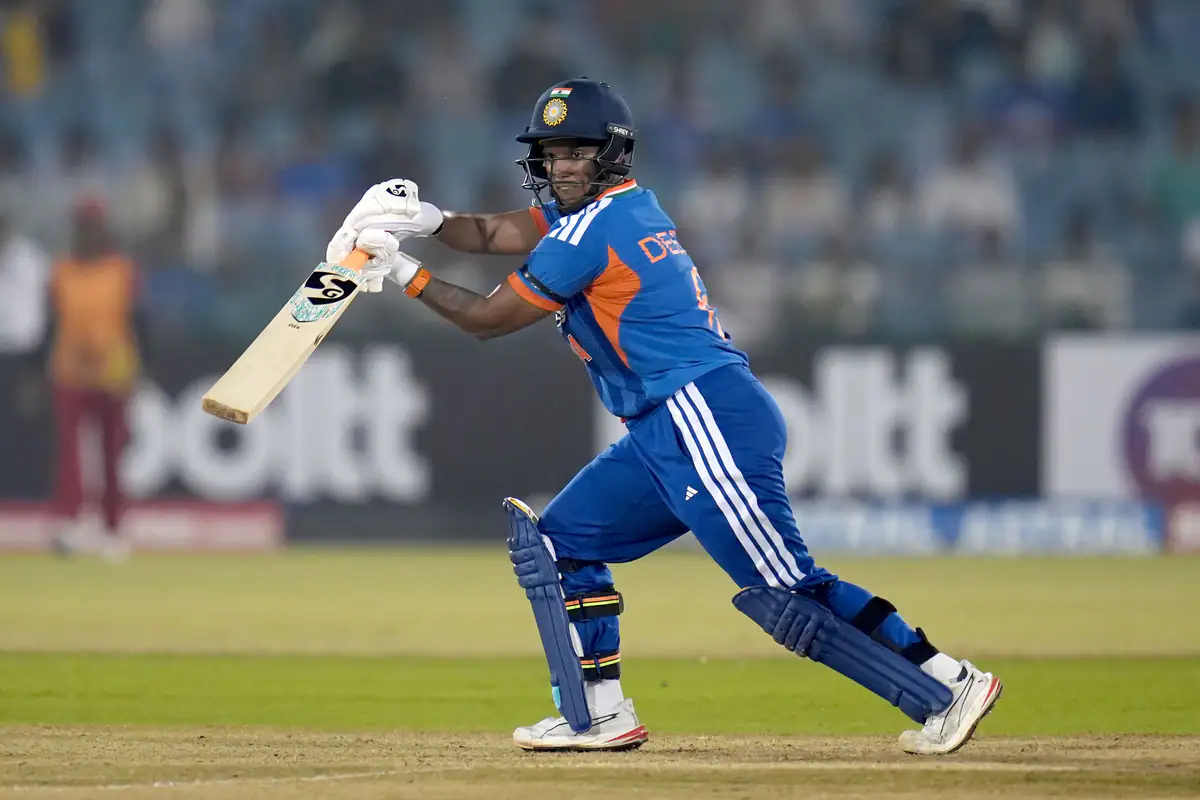
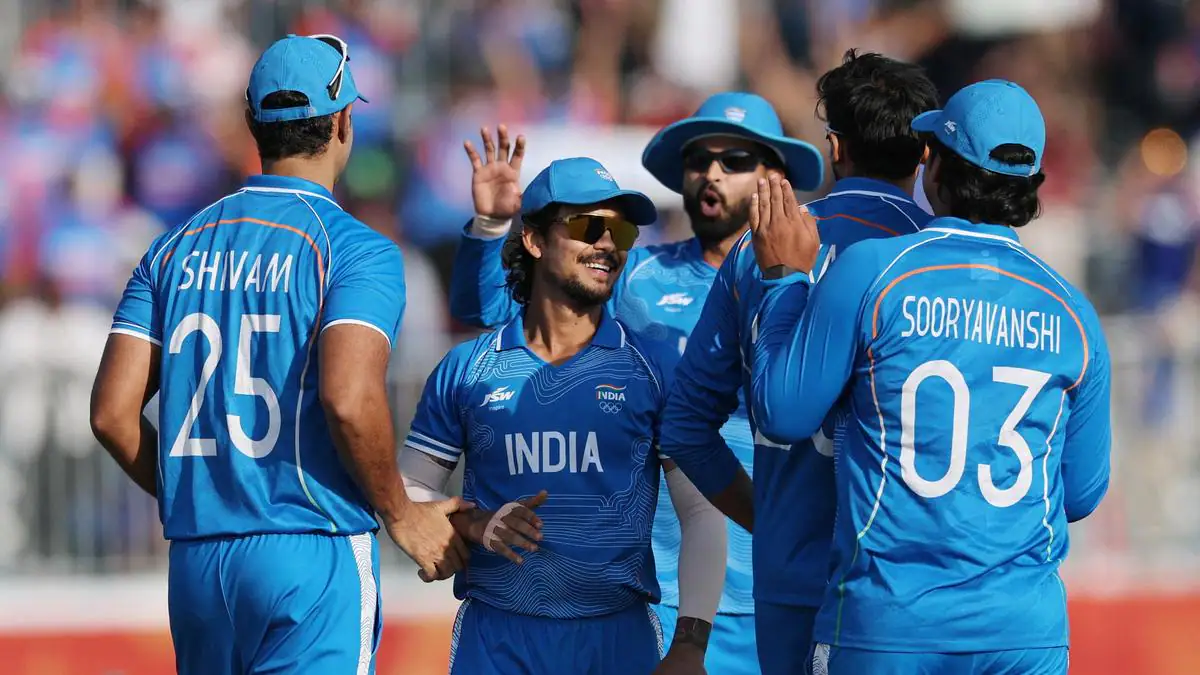
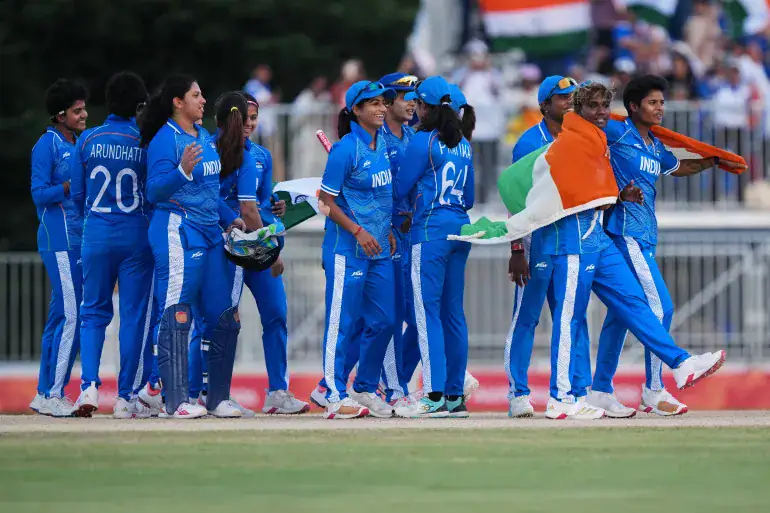
At LA28, that changes. For the first time on the grandest stage, Indian cricketers will wear the official national kit, walk alongside track athletes, archers, and shooters in the opening ceremony, and reside in the Olympic Village.
This psychological shift cannot be overstated. For the players, the chance to win a gold medal taps into a completely different reservoir of national pride. For the fans, the Olympics brings in a massive audience that does not usually follow the day-to-day bilateral cricket cycle. Every four years, the entire nation of 1.4 billion people unites to count medals. Introducing women's cricket into this high-stakes environment means the team will be playing in front of eyes that have never watched a single ball of the Women's Premier League (WPL). It elevates the players from domestic sporting heroes to true national icons representing the tricolour in the ultimate global arena.
While men’s cricket in India has enjoyed decades of financial dominance and institutional security, the women’s game has had to fight tooth and nail for every inch of ground. From travelling in unreserved train compartments in the early days to finally gaining central contracts, equal match fees, and their own franchise league, the journey of Indian women’s cricket has been one of hard-fought battles.
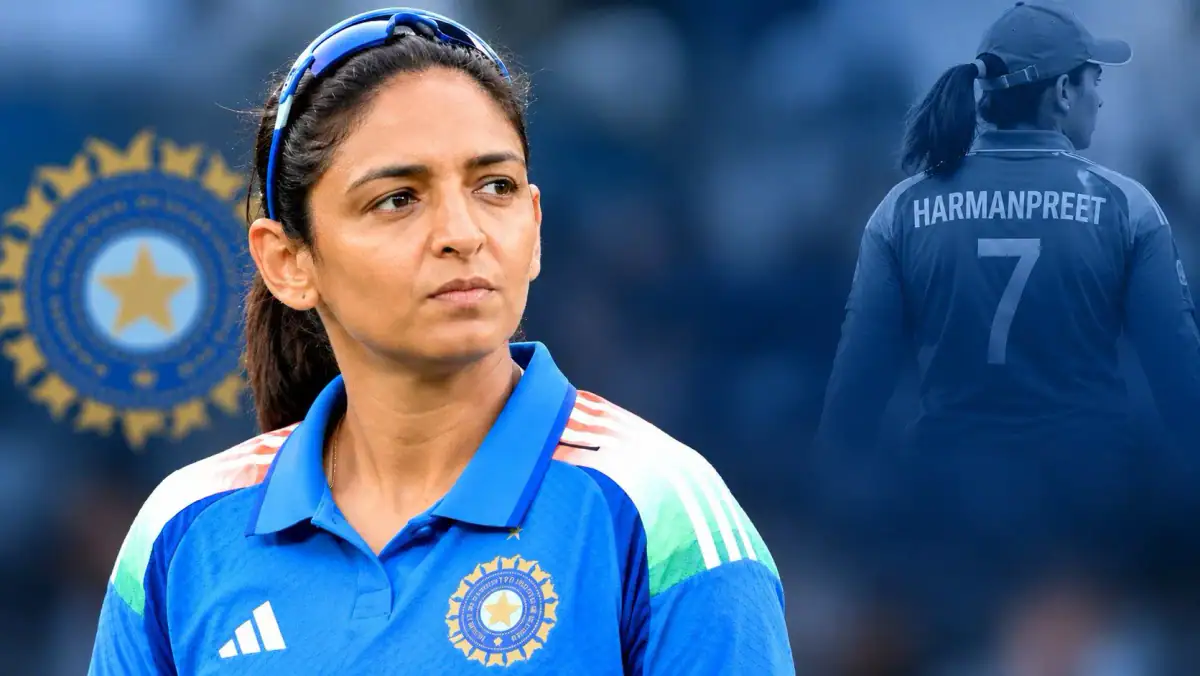
The Olympics serves as the ultimate legitimiser. In many rural and semi-urban parts of India, cricket is still occasionally viewed through a conservative lens as a "boys' game", despite the massive strides made by stars like Harmanpreet Kaur, Smriti Mandhana, and Jemimah Rodrigues. However, the word "Olympics" carries an unmatched domestic prestige. When a young girl in a small village tells her parents she wants to play cricket, the pitch changes completely if that path can lead to an Olympic podium.
An Olympic qualification changes the social contract of the sport. It turns women’s cricket into a highly respected avenue of national service and athletic excellence in the eyes of traditional Indian families. It is no longer just a game; it is an Olympic discipline.
One of the most practical benefits of Olympic inclusion is how it unlocks government sports infrastructure. While the BCCI's coffers are legendary, the development of grassroots women's sports in India relies heavily on state government initiatives, public sector undertakings (PSUs), and national sports policies.
Now that cricket is an Olympic sport, it falls under the purview of initiatives like the Target Olympic Podium Scheme (TOPS) and various state-run sports hostels. This opens up massive opportunities:
Public Sector Employment: Historically, sports departments in Indian railways, police forces, and government ministries have offered secure jobs to hockey players, kabaddi players, and track athletes. With cricket entering the Olympic fold, expect a massive surge in government job quotas for domestic women cricketers, providing much-needed financial security to players outside the elite WPL circle.
Localised Funding: State governments that aggressively fund Olympic sports (such as Haryana, Odisha, and Manipur) will now have a direct incentive to build dedicated turf wickets, organise district-level women's cricket tournaments, and integrate the sport into their grassroots athletic academies.
Sports Science Integration: The national sporting framework will begin sharing its elite sports science, sports psychology, and rehabilitation infrastructure with the cricketing ecosystem, creating a more holistic athletic development pipeline.
From a purely sporting perspective, the Olympic tournament format is going to be unlike anything these players have ever experienced. Unlike a T20 World Cup, which typically features ten or twelve teams playing over several weeks, the Olympic cricket event in Los Angeles will feature an incredibly compact six-team bracket.
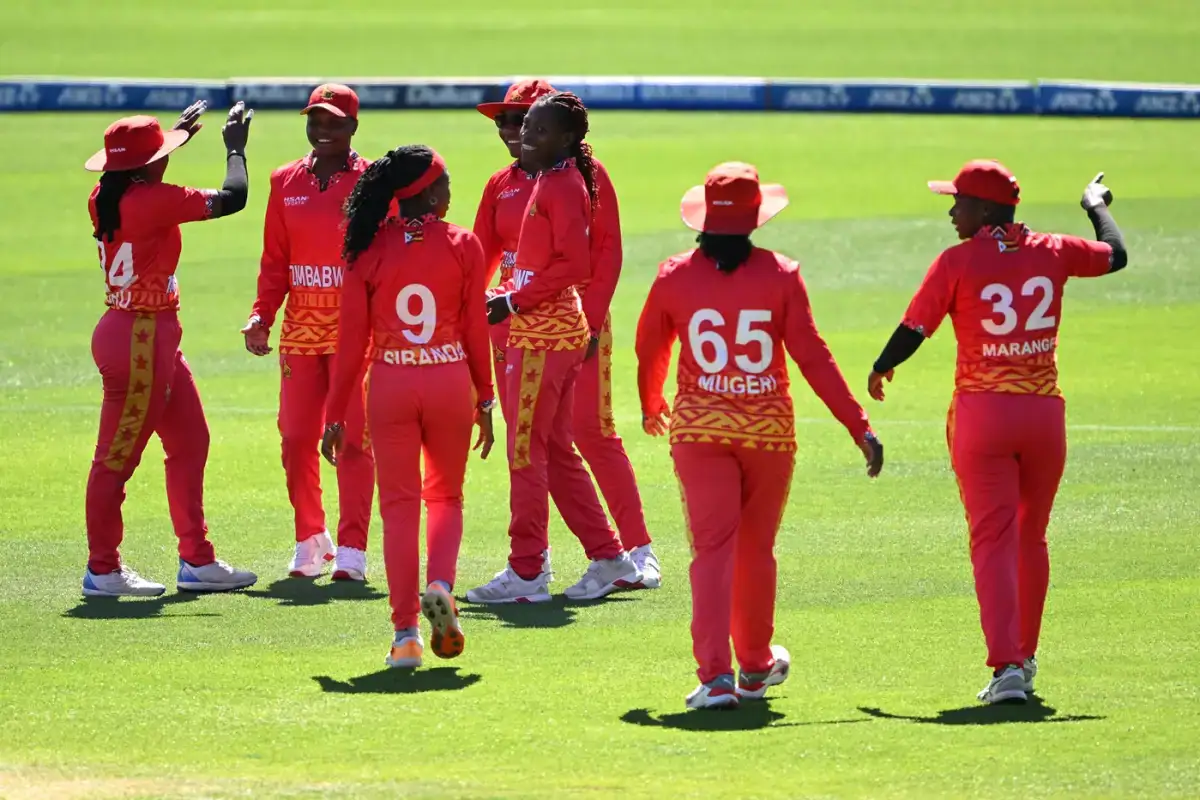
With only six teams in the mix, there are no "easy" group games or warm-up matches. Every single fixture is a high-stakes, maximum-intensity battle against the absolute elite of world cricket teams like Australia, Great Britain, and South Africa.
This demands a level of tactical ruthlessness and mental resilience that Indian teams have historically struggled with in late-stage knockout games. The road to LA28 over the next two years will require the management to build a squad that isn't just skilled but physically explosive and mentally bulletproof. The pressure of playing for an Olympic medal, where the difference between third and fourth place is the difference between a lifetime of glory and going home empty-handed, will forge a new, fiercely competitive identity for the team.
https://www.indiasportshub.com/articles/india-england-women-lords-test-2026
Ultimately, the true legacy of India's qualification for LA28 will not be measured solely by the colour of the medal they bring back from California. It will be measured in the decade that follows.
For generations, Indian kids grew up dreaming of hitting the winning runs in a World Cup final. Now, they can dream of standing on top of a podium, gold medal around their neck, watching the national flag rise while the national anthem plays. This expansion of the imagination is priceless.
When the Women in Blue step onto the field in Pomona in July 2028, they won't just be playing for themselves. They will be carrying the aspirations of millions of young girls watching from living rooms across India, realising that their dreams are no longer bound by tradition. LA 2028 is calling, and the future of Indian women's cricket has never looked brighter.
Comments (0)
to post comments, replies, and votes.
Loading comments…