The Current Form of Indian Women’s Test Cricketers: Strengths, Struggles, and What Lies Ahead
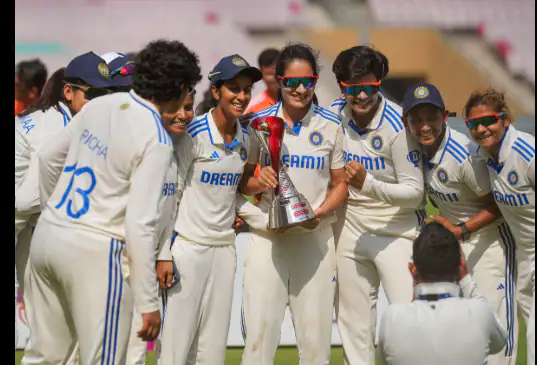
Explore the current form of Indian women's Test cricketers, their strengths, recent performances, key challenges, and what lies ahead in red-ball cricket.
Indian women’s cricket has come a long way in the white-ball formats, but Test cricket remains a different beast altogether. With fewer opportunities and the unique demands of five-day (or four-day) red-ball play, the team’s performances in the longest format often reveal both hidden depths and areas that still need work.
Over the last couple of years, India Women have played a handful of Tests, showing flashes of brilliance from established stars while some emerging players tried to find their feet at the highest level. The most recent chapter was the tough one-off Test against Australia at the WACA in Perth back in March 2026. Australia, led by Alyssa Healy in what was her farewell Test, dominated the contest and won comfortably by 10 wickets.
India were bowled out for 198 in the first innings, with the batting showing some resistance but ultimately lacking the depth needed against a strong Australian attack. In the second dig, they managed only 149, falling short once again. Australia chased down the small target with ease. That loss highlighted some ongoing challenges.
Top-Order Firepower and the Quest for Consistency
While Smriti Mandhana and Shafali Verma provide explosive starts, consistency over long sessions has sometimes been an issue. Mandhana, the elegant left-hander, has been a reliable performer across formats. In recent tests, she’s shown good technique but has fallen to good balls at crucial times. Her ability to anchor the innings while playing her natural game makes her the cornerstone of the top order.
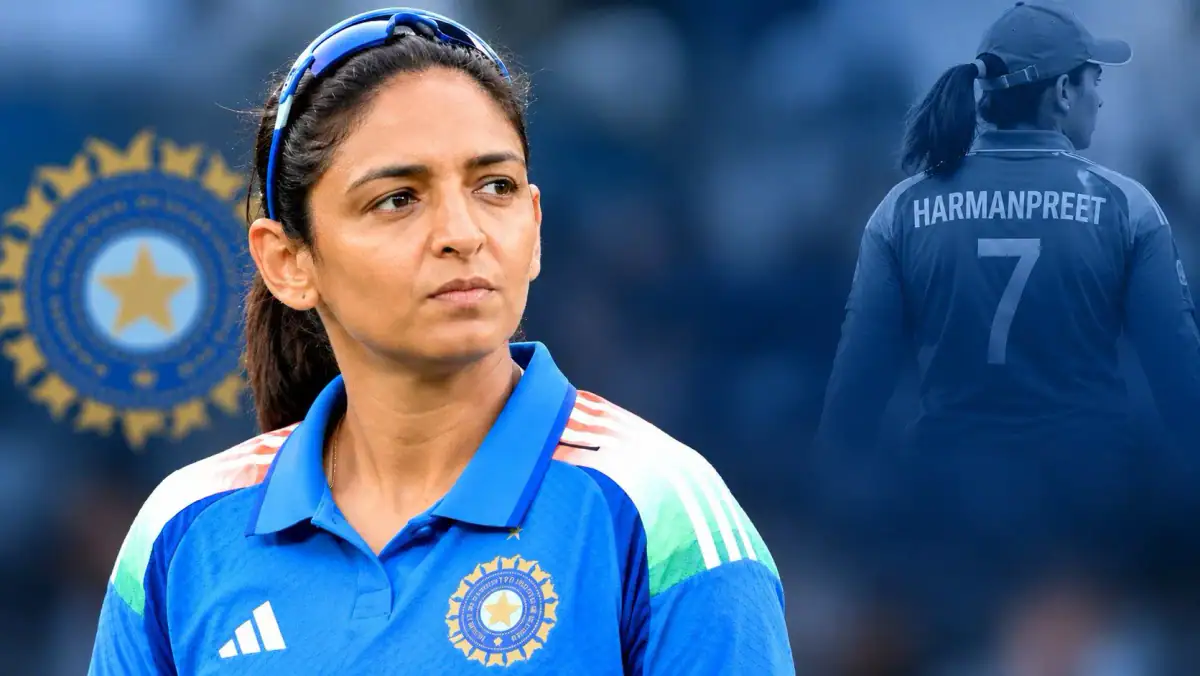
Shafali Verma, on the other hand, brings aggressive intent. She can take the game away early but has had mixed results in red-ball cricket. In the Perth Test, like many teammates, she found the Australian seamers and the conditions tricky. Her growth as a Test batter will be key if India wants to compete overseas regularly. Harmanpreet Kaur, the captain, remains the heartbeat of the side. Her experience and fighting spirit are unmatched.
Middle-Order Resilience and Emerging Talent in India Women’s Tests
In tough situations, she often digs deep, and her off-spin adds value. However, at 37, managing workload and form becomes important. In the Australia Test, she tried to steady the ship but couldn’t quite push on to a big score. However, Jemimah Rodrigues has been steady in the middle order. Her compact technique serves her well, and she’s one of those players who can grind out runs when the pitch gets difficult. Deepti Sharma, the all-rounder, continues to be dependable with both bat and ball. Her left-arm spin offers control, and she’s contributed handy lower-order runs.
However, one name that caught attention in the recent Australia game was Pratika Rawal. She showed composure in the second innings, batting with Sneh Rana as India tried to make Australia bat again. Young talents like Richa Ghosh behind the stumps and players such as Kranti Gaud and Renuka Singh Thakur in the bowling department are slowly gaining experience, but the transition from domestic cricket to Tests is steep.
Looking back a bit further, India had a much better outing in the 2024 home Test against South Africa. They won that one convincingly by 1-0 in the single-match series. The conditions in India suited the spinners, and the batting lineup clicked better on home soil. Harmanpreet and the middle order looked more settled, while the likes of Sneh Rana and Deepti exploited the turning tracks effectively.
Home Dominance vs Away Challenges in India Women’s Tests
That victory gave the team confidence and showed what they can achieve when everything aligns. The contrast between home and away performances is still quite stark. In familiar conditions, India’s spinners and batters who are comfortable against spin dominate.
Abroad, especially against pace-heavy attacks like Australia’s, the team has struggled to build long partnerships and handle swing or seam movement. Current form across the squad is a mixed bag. In limited-overs cricket leading into and after the Australia Test, many of these players have been in solid touch. Mandhana and Harmanpreet have been scoring runs consistently in ODIs and T20s, which should translate to Tests with better application. The bowling unit, led by Renuka, has pace options, but the attack often relies heavily on spin.
What stands out when watching these players is the growing professionalism. Fitness levels have improved dramatically compared to a decade ago. The introduction of more domestic red-ball cricket and India A tour has helped bridge the gap. Yet, with only a handful of Tests played, match practice remains limited. This makes every opportunity precious. Younger players like Shafali, Pratika, and potentially others coming through need more exposure at this level. The upcoming one-off Test against England at Lord’s in July 2026 will be another big test. English conditions will challenge the technique again, and it’ll be interesting to see how the team adapts.
Promise, Challenges, and the Road Ahead for Indian Women in Tests
Overall, the Indian women’s team in Tests shows promise but needs more consistency and depth. The top order has talent, the middle order has experience, and the bowling has variety. What they perhaps lack right now is the ruthless finishing and the ability to grind out results away from home. If the BCCI continues investing in more Test matches and structured red-ball programmes, we could see this team evolve into a real force.
Fans love seeing Mandhana caress drives through covers or Harmanpreet power the ball, but in Tests, it’s often the quiet battles in the middle sessions that decide the outcome. The current crop has the talent. Now it’s about building the temperament and experience to match the best in the world over longer periods. The next few Tests, starting with England, will tell us a lot about how far this group has come and how much further they need to go.
will be another big test. English conditions will challenge the technique again, and it’ll be interesting to see how the team adapts.
Comments (0)
to post comments, replies, and votes.
Loading comments…