FIFA ASEAN Cup 2026: India’s Inclusion Could Reshape the Region’s Football Landscape
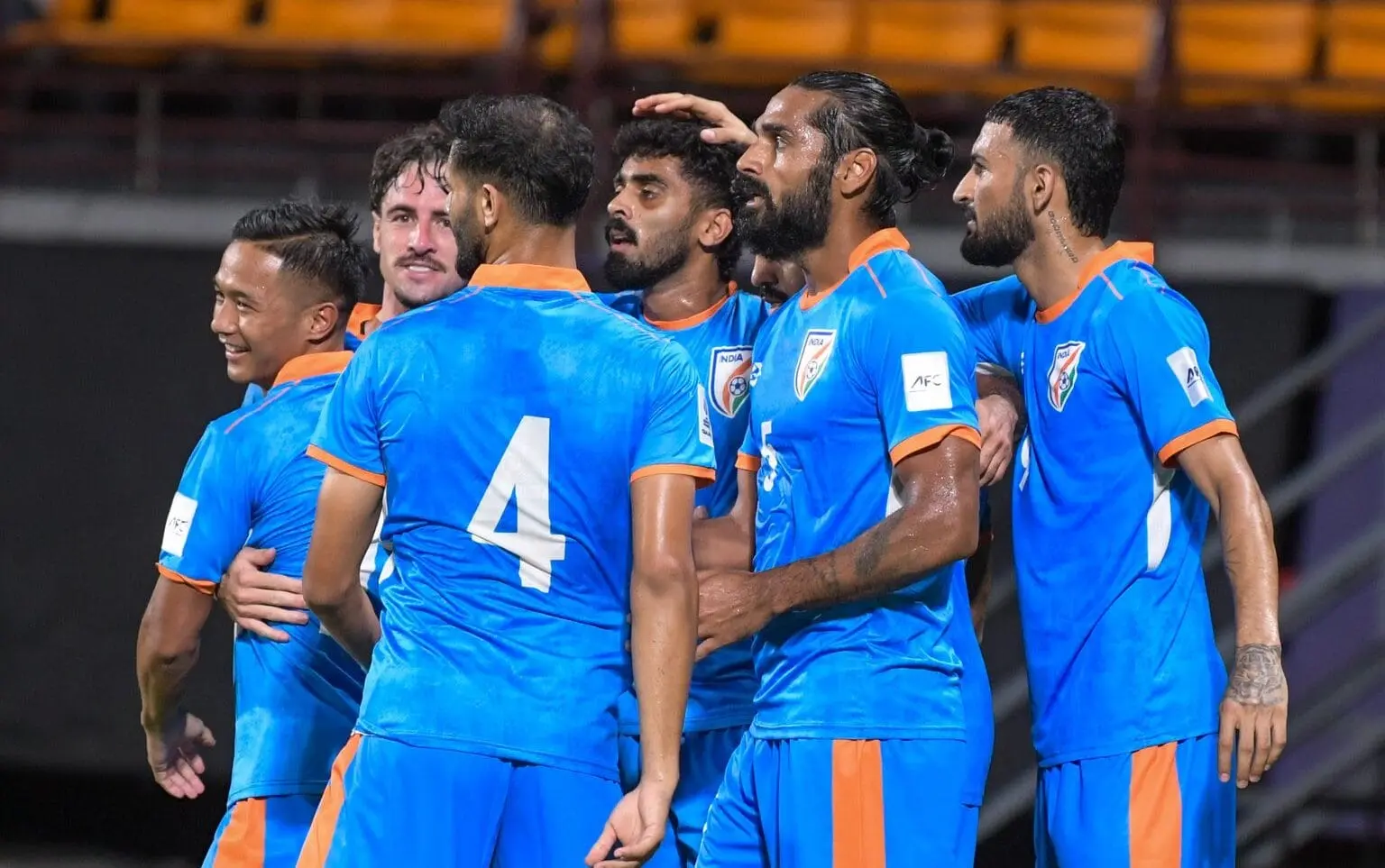
The proposed FIFA ASEAN Cup 2026 is emerging as one of the most intriguing additions to the Asian football calendar, not just for its revamped format but for the potential inclusion of teams like India, China, and Hong Kong.
If the plans materialise, the tournament could mark a significant shift in how regional competitions are structured and perceived across Asia.
Scheduled to take place between September 21 and October 6, 2026, during the FIFA international window, the tournament is expected to feature 14 teams divided into two tiers. This new format moves away from the traditional structure of the ASEAN Championship and instead introduces a more compact, high-stakes competition designed to maximise both competitiveness and commercial value.
At the top level, Division 1 will feature eight teams split into two groups of four, while Division 2 will consist of six teams divided into two groups of three. The structure eliminates semi-finals, meaning group winners will advance directly to the final, while second-placed teams will contest the third-place playoff. The rest will play classification matches, ensuring that every fixture carries significance despite the shorter format.
What stands out immediately is the reported invitation extended to India. Traditionally, the ASEAN tournament has been limited to Southeast Asian nations, so expanding the competition to include India and China signals a broader strategic vision. This is less about geography and more about raising the competitive standard and expanding the tournament’s commercial footprint.
For India, currently ranked 136 in the FIFA rankings, participation in such a tournament would offer a valuable competitive platform. The potential Division 1 pool includes teams like Thailand, Vietnam, Indonesia, Philippines, and Malaysia sides that are closely matched with India in terms of ranking and quality. This creates an environment where matches are neither one-sided nor purely experimental, but genuinely competitive.
Indian football has long struggled with a lack of consistent, high-quality international fixtures outside of qualifiers. A tournament like this provides structure and continuity two elements that are crucial for building a competitive national team. Instead of sporadic friendlies, India would be playing matches that carry consequences, which in turn sharpens tactical discipline and mental resilience.
The financial aspect also underlines the ambition behind the tournament. Reports suggest that each participating team could receive around $125,000 as a participation fee, with the Division 1 winner set to earn over $1 million. The total prize pool is expected to exceed $4 million, a significant jump compared to the traditional ASEAN Championship. This level of investment reflects an intent to elevate the tournament into a commercially viable product capable of attracting broader attention.
Hosting duties are expected to be split, with Indonesia likely staging Division 1 matches and Hong Kong hosting Division 2. Indonesia’s inclusion as a primary venue makes sense given its passionate fan base and strong domestic interest in football, while Hong Kong offers a more urban, commercially accessible setting.
Another interesting dimension is the potential introduction of a promotion and relegation system between the two divisions. If implemented, this would ensure that teams remain competitive across editions, with performance directly impacting their standing in future tournaments. It also adds a layer of long-term narrative, something that regional competitions often lack.
From a competitive standpoint, India’s inclusion raises both opportunity and challenge. On paper, the margins between teams in Division 1 are minimal. Rankings between 90 and 150 suggest that outcomes will depend heavily on execution rather than reputation. India would not be entering as favourites, but neither would they be outsiders. The tournament could effectively serve as a benchmark to measure where Indian football currently stands in the Asian pecking order.
There is also a broader strategic angle. For years, Indian football has been looking for ways to bridge the gap between domestic development and continental competitiveness. Participation in a structured regional tournament like this could provide that missing link. It offers exposure to different playing styles, increases match frequency, and allows coaches to build continuity within the squad.
China’s involvement further enhances the tournament’s profile, bringing with it greater visibility and commercial interest. Combined with Southeast Asia’s strong football culture, this creates a product that is not just competitive but also marketable.
Ultimately, the FIFA ASEAN Cup 2026 represents more than just another tournament. It is an attempt to modernise regional football competitions in Asia, aligning them more closely with global standards in terms of format, competitiveness, and financial viability. For India, the invitation if confirmed is a significant opportunity. The real test will not just be participation, but how effectively the team uses this platform to grow.
In a region where margins are narrow and progress is incremental, tournaments like this can play a decisive role in shaping the future trajectory of a national team.
Comments (0)
to post comments, replies, and votes.
Loading comments…