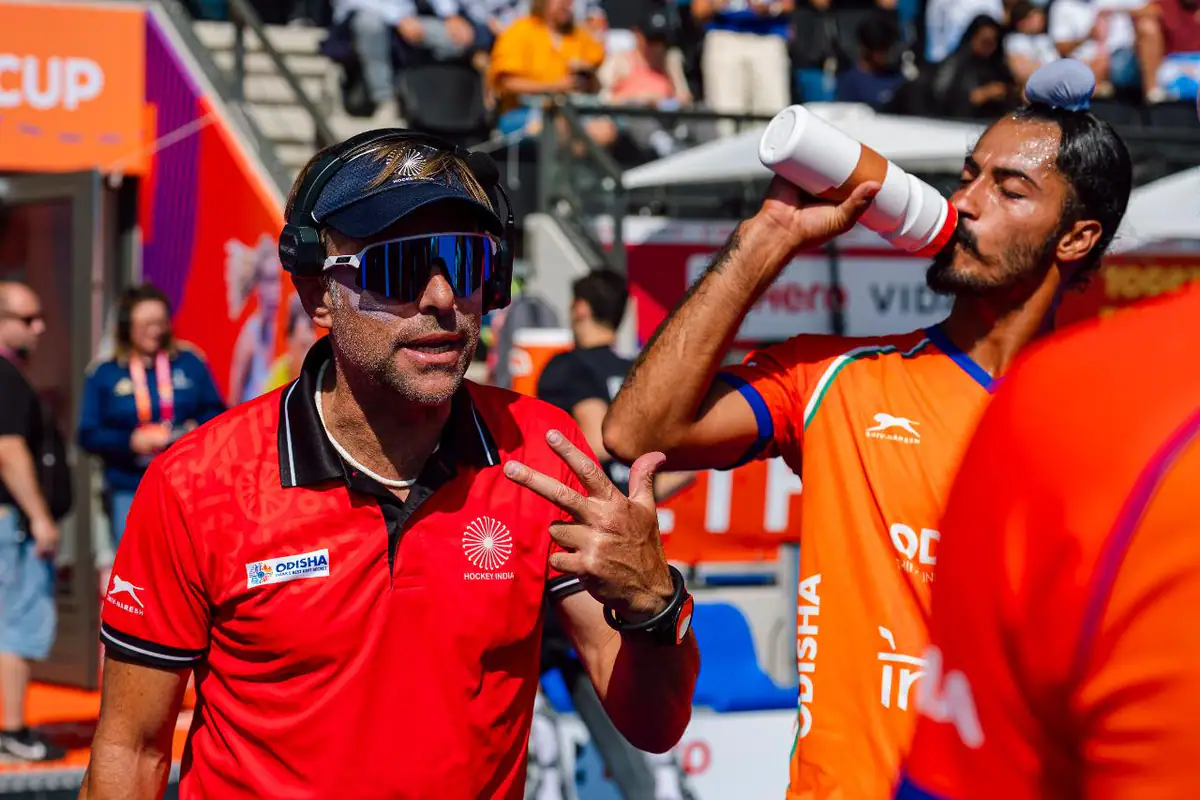
FIH Hockey World Cup 2026: India's Strikers Banking on Chemistry and Consistency Ahead of Global Challenge
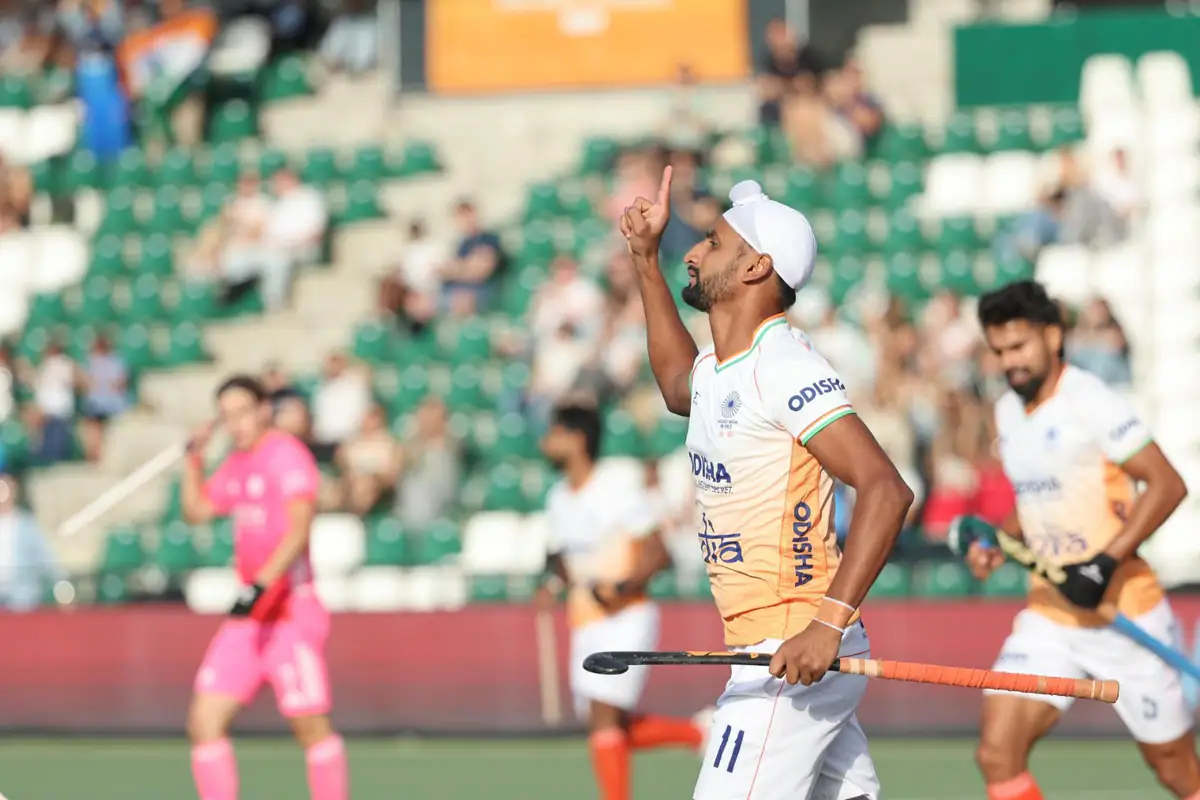
With the FIH Hockey World Cup Belgium and Netherlands 2026 just around the corner, the Indian men's hockey team is entering the final phase of its preparations with a clear focus on one of the most crucial aspects of the modern game its forward line.
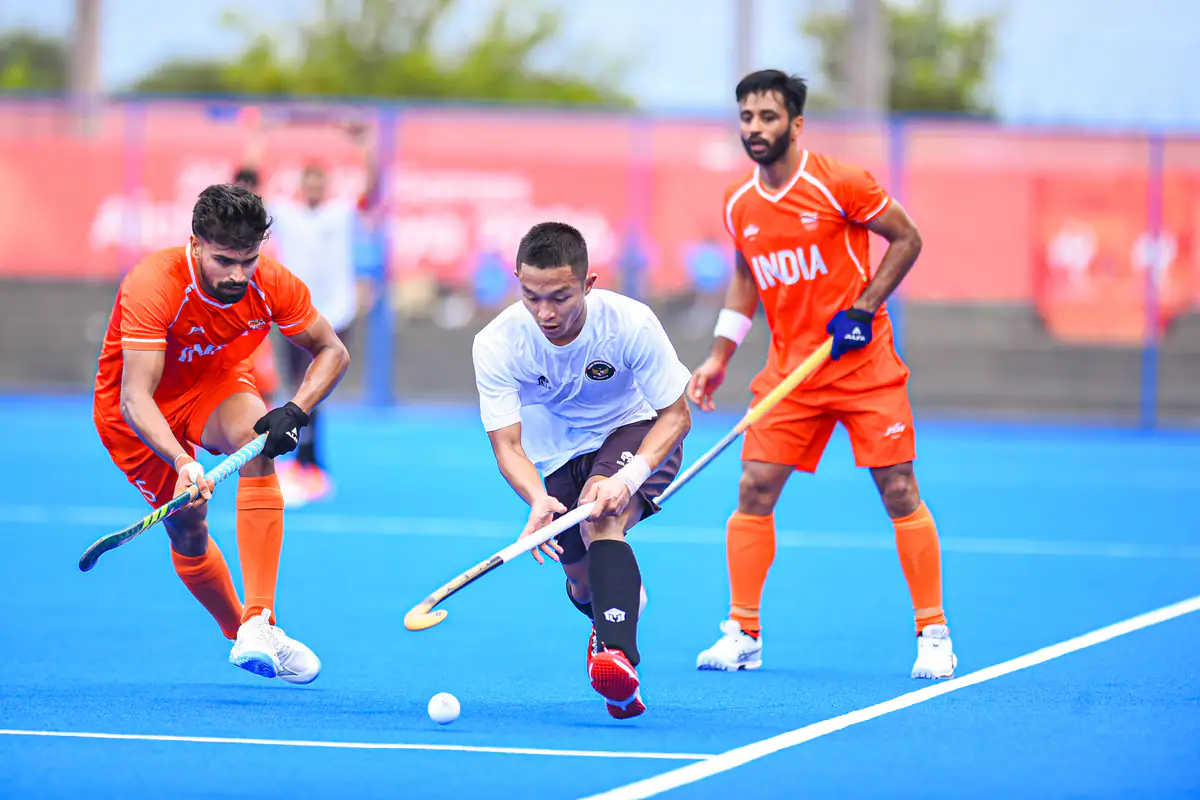
In today's fast-paced international hockey, creating opportunities is only half the battle. Converting them consistently often determines the outcome of tightly contested matches. India's attacking trio of Mandeep Singh, Abhishek, and Shilanand Lakra believe success at the World Cup will depend not only on finishing ability but also on chemistry, teamwork and disciplined preparation.
The tournament begins on August 15, and with India aiming to make a deep run, the forwards have emphasized that every attacking move starts long before entering the opposition's circle.
Veteran striker Mandeep Singh is preparing for his fourth FIH Hockey World Cup, bringing invaluable experience to a relatively young attacking unit.
Having benefited from the guidance of senior players early in his own career, Mandeep now sees it as his responsibility to mentor the next generation of Indian forwards.
"When I was younger, I used to ask a lot of questions to the senior players. I learnt a great deal from them, and now I try to pass on those experiences to the younger forwards. We talk about handling pressure, staying calm and making the right decisions in big matches," Mandeep said.
The experienced striker believes preparation inside the attacking circle has been a major focus during India's training camps.
"Our sessions as forwards are very specific. We spend a lot of time working inside the last nine yards, focusing on creating the right connections and making sure every attack has an outcome. We've also worked extensively on receiving the final pass and converting our chances," he explained.
For Mandeep, the role of a striker extends beyond scoring goals.
"A good striker is never just focused on scoring goals. Hockey is a team game, and the better your understanding and connection with your teammates, the more effective you'll be. Every time we enter the circle, our aim is to create an outcome, whether that's a goal, a shot on target or winning a penalty corner."
Preparing for his first Hockey World Cup, Shilanand Lakra has embraced every opportunity to learn from experienced players like Mandeep. The 27-year-old credits the senior members of the squad for helping him adapt to the demands of international hockey.
"Whenever I make a mistake, the senior players tell me where I can improve. Mandeep always motivates me and guides me. Those conversations help me keep learning and focus on getting better," Lakra said.
The young forward also highlighted how the responsibilities of modern attackers have evolved significantly over the years. "My focus is always on what I can do best for the team. Whether it's creating opportunities, scoring goals or making tackles, I try to contribute in every way I can."
He believes defensive work is now equally important for forwards. "As a forward, it's not just about scoring anymore. We are the first line of defence, and if we defend well, we make life easier for our defenders and midfielders."
That willingness to contribute across every phase of the game has become a defining feature of India's attacking approach under the current coaching setup. Among India's most reliable goalscorers in recent years, Abhishek believes consistency begins long before the ball reaches the striker. "For a striker, consistency starts without the ball. Off-the-ball movement and pressing are extremely important because the striker is the first line of defence," he explained.
According to Abhishek, successful attacks depend on coordinated movement rather than individual brilliance. "Once we win possession, the next step is building a connection with the other forwards, and then comes finishing the move, whether that's scoring a goal, getting a shot on target or winning a penalty corner."
He also believes composure under pressure is developed through repetition in training rather than appearing naturally during matches. "Composure inside the circle comes from training. Without putting in the hard work during practice, you can't expect to make the right decisions in those situations."
Alongside technical preparation, the Indian team has also placed significant emphasis on mental conditioning. "We also work on the mental side through meditation and experience. The more you play, the calmer you become when those opportunities come your way," Abhishek added.
India Ready for Tough Pool D Challenge
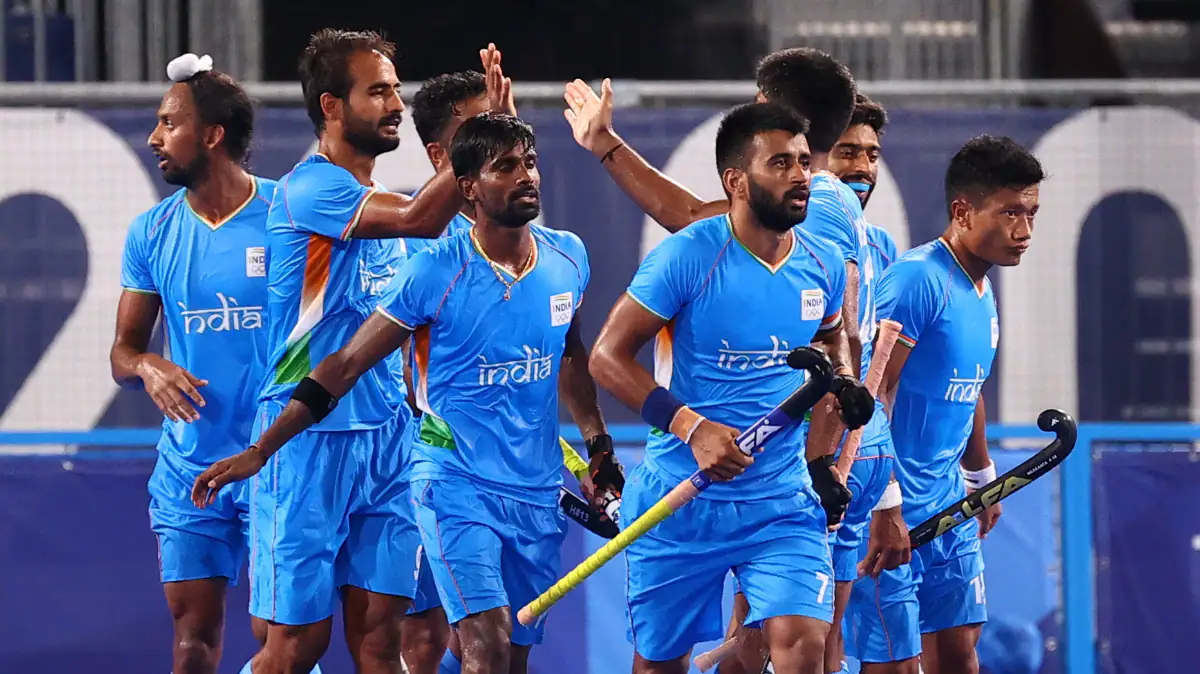
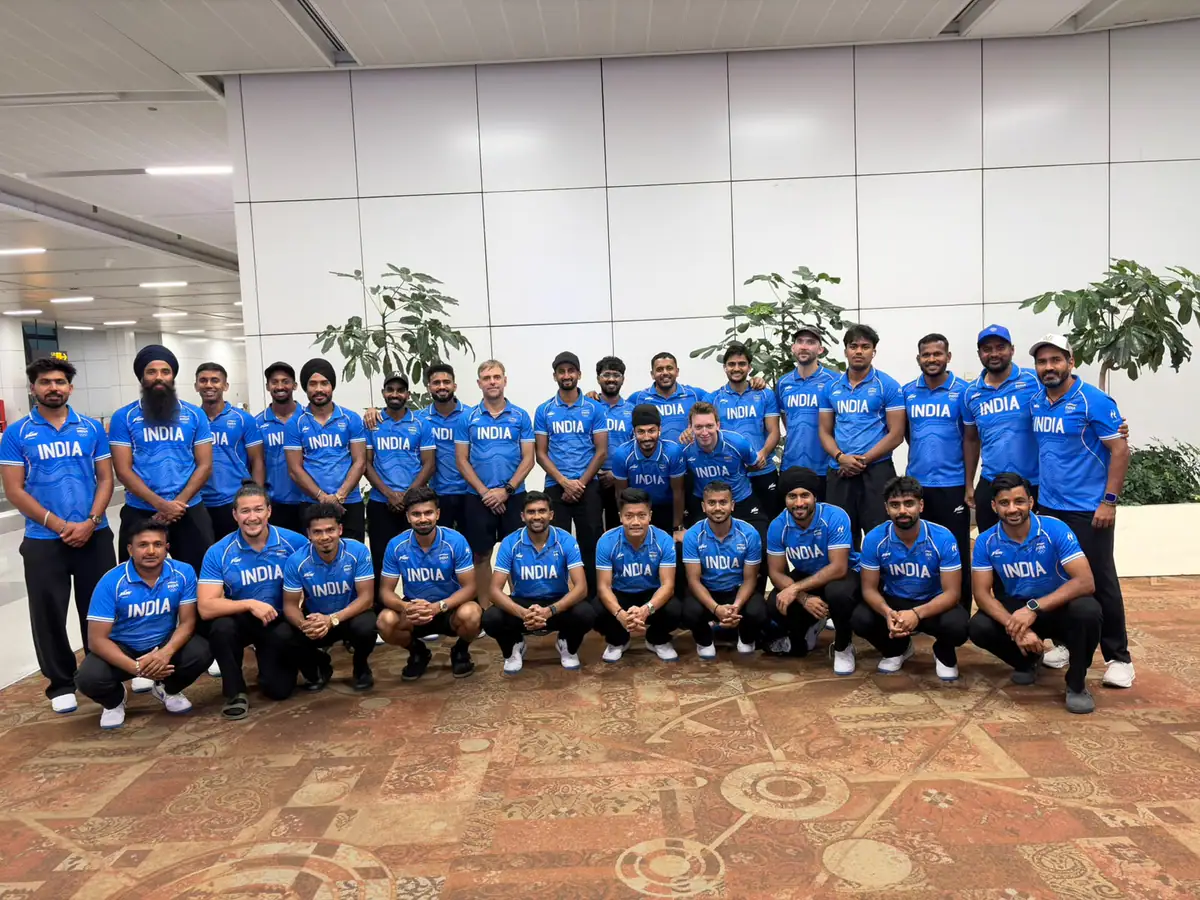
India enters the World Cup with a balanced squad that blends experienced campaigners with emerging talent. The attacking unit, led by Mandeep and supported by in-form forwards such as Abhishek and Lakra, will be expected to convert the opportunities created by India's energetic midfield. The emphasis on teamwork, communication and relentless pressing reflects the evolution of modern international hockey, where forwards are expected to contribute defensively before becoming goal threats.
If the chemistry developed during months of preparation translates onto the pitch, India will believe it has the firepower to challenge the world's best teams.
India has been drawn in Pool D of the FIH Hockey World Cup 2026, where every group-stage match promises to be highly competitive. The Men in Blue will begin their campaign against Wales on August 15, before taking on England in their second group fixture.
The pool stage concludes with one of world hockey's fiercest rivalries as India faces Pakistan in a blockbuster encounter. With chemistry, consistency and composure forming the foundation of their preparations, India's forwards now have the opportunity to transform months of hard work into performances on hockey's biggest stage.
Comments (0)
to post comments, replies, and votes.
Loading comments…