Indian Women’s Hockey Team Eyes Record Fourth Asian Champions Trophy Title in Bhopal
India begins its title defence on November 19 against Malaysia as the hosts look to cap a landmark year with another continental triumph
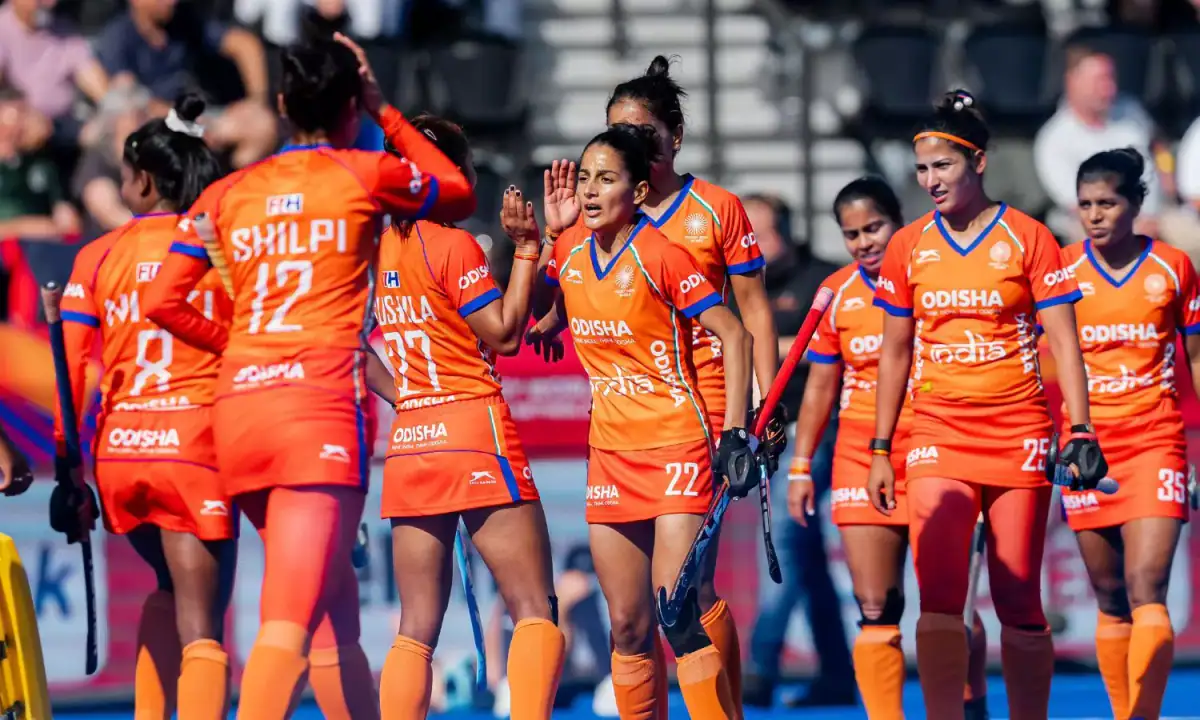
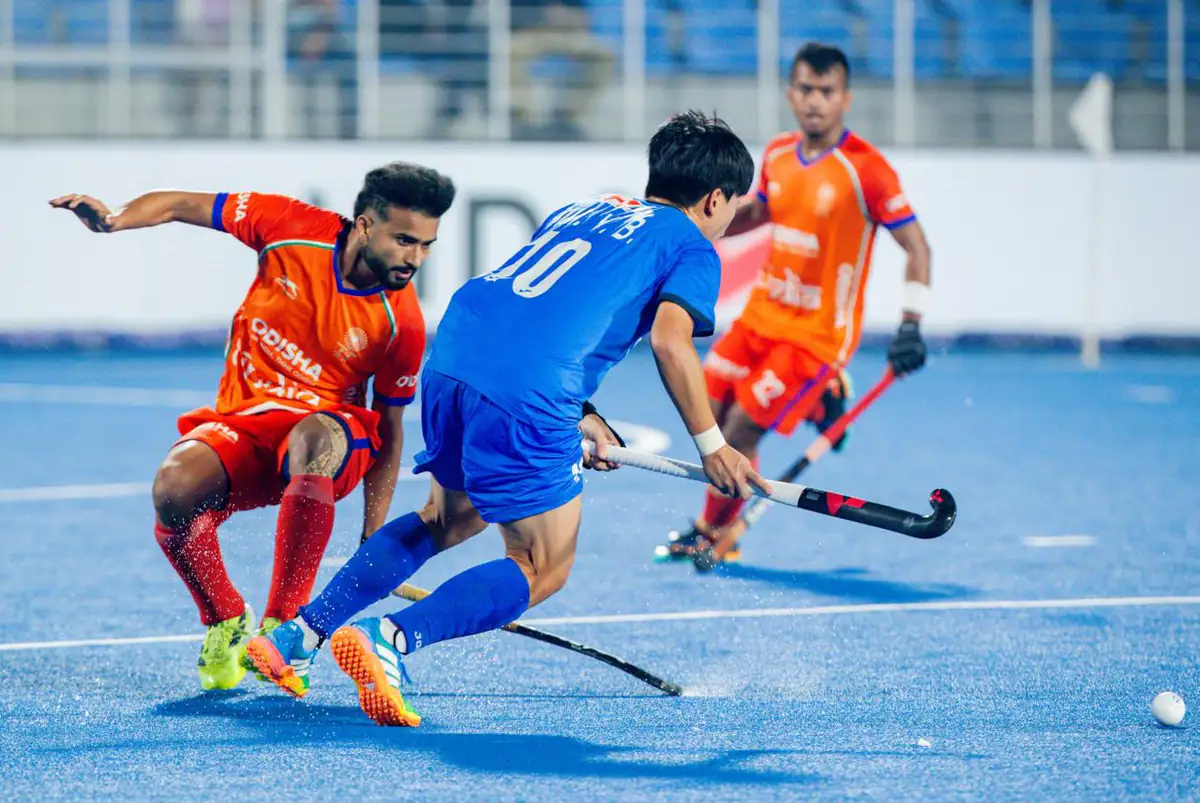
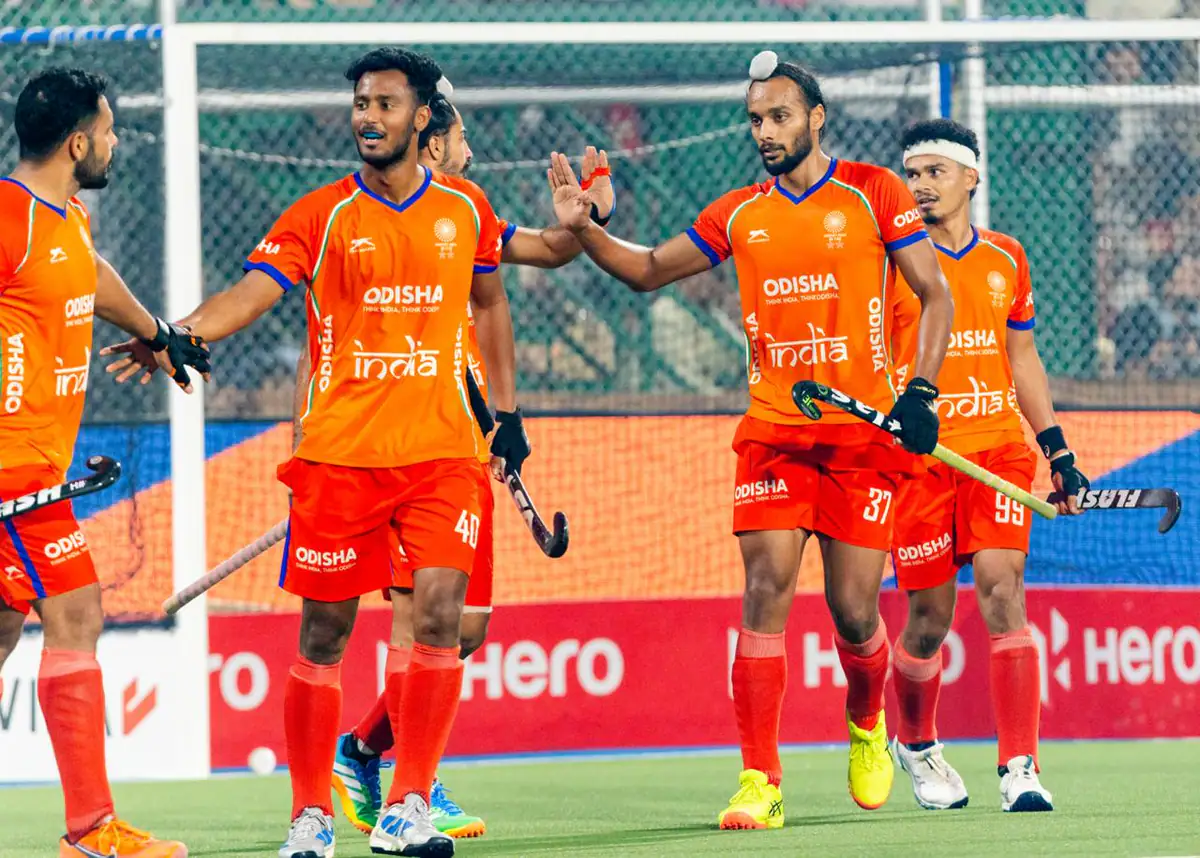
The Indian women’s hockey team will look to bring a memorable 2026 season to a fitting close when it begins its title defence at the Madhya Pradesh Women’s Asian Champions Trophy Bhopal 2026 on November 19. With three titles already to their name, India have an opportunity to become the most successful team in the tournament’s history by winning a record fourth crown on home soil.
The six-team competition will be held from November 19 to 28 at the newly built International Sports Complex in Nathu Barkheda, Bhopal. The tournament also marks a significant occasion for Madhya Pradesh, which will host an international hockey tournament for the first time. The new venue adds another international-standard hockey facility to India’s sporting infrastructure.
India enter the tournament as defending champions and joint-most successful team alongside South Korea, with both nations having won the title three times. The hosts will face China, Japan, South Korea, Malaysia and Thailand in a single round-robin format. Each team will play the other once, with the top four advancing to the semi-finals on November 27. The medal matches will take place on November 28.
India’s campaign in Bhopal follows a season that has brought significant progress and some of the most important results in the team’s recent history.
The year began with the FIH Hockey Women’s World Cup Qualifiers in Hyderabad. Playing at home, India remained unbeaten until the final and secured qualification for the World Cup. The team carried that momentum into the FIH Women’s Nations Cup in Auckland, where it won all five matches to claim the title and earn promotion to the FIH Pro League.
The next major assignment was the World Cup in Belgium. India continued its upward trajectory, finishing fifth — its best performance at the Women’s World Cup since 1974. The result underlined the team’s growing competitiveness against the leading sides in international hockey.
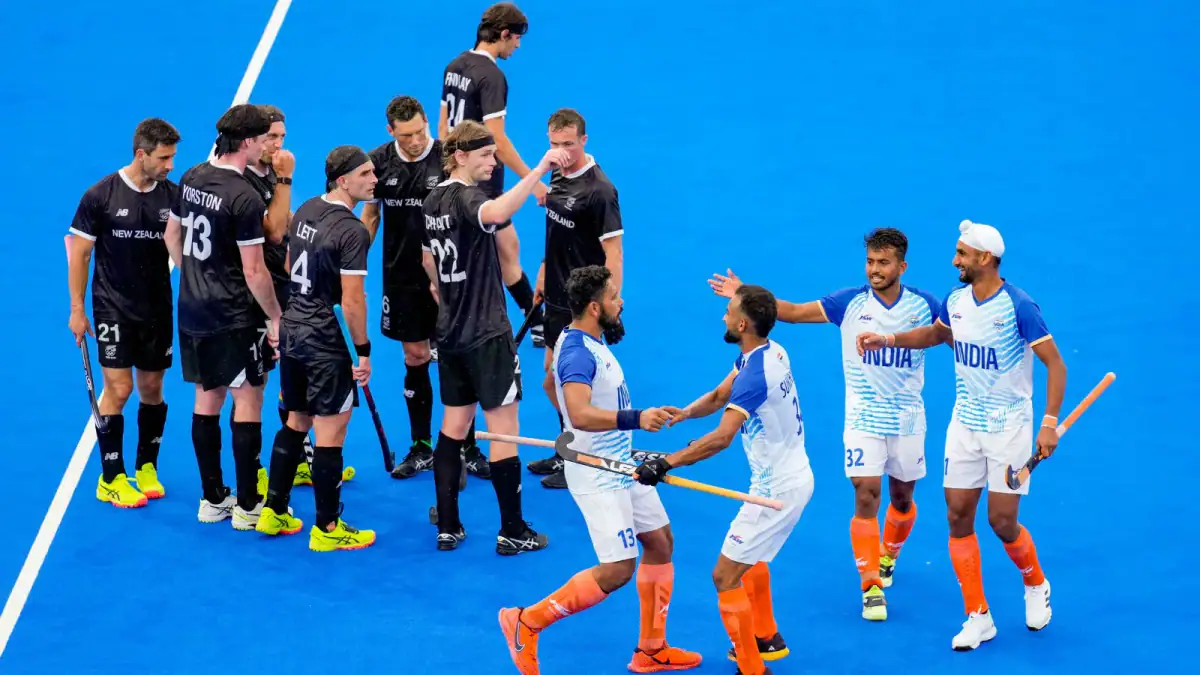
However, the defining achievement of the season came at the Asian Games in Japan. India ended a 44-year wait to win the women’s hockey gold medal at the continental showpiece, adding another major milestone to an already successful year.
The Asian Champions Trophy presents a different challenge. Unlike the longer Asian Games competition, the compact round-robin format leaves little room for mistakes. With five matches to play in a short period, consistency and the ability to recover quickly between fixtures will be crucial.
China, Japan and South Korea pose major challenges
World No. 4 China will be among India’s strongest challengers. The Chinese team will be determined to win its maiden Asian Champions Trophy title, while India will draw confidence from its recent performances against them, including the victory in the Asian Games final last month.
World No. 7 India will also have to contend with South Korea, a three-time champion with a distinguished record in the competition. The Koreans will be keen to return to the top of the podium after India’s recent success.
Japan, which has won the tournament twice, brings a different tactical challenge. Its defensive organisation and quick circulation can trouble opponents, making the fixture against the Japanese an important test for the Indian side.
Malaysia and Thailand may be viewed as less formidable opponents on paper, but the short league format means India cannot afford to take any match lightly. Every result will influence the final standings and the semi-final positions.
India have already had a positive build-up, registering a 4-1 win over Japan in a practice match ahead of the tournament.
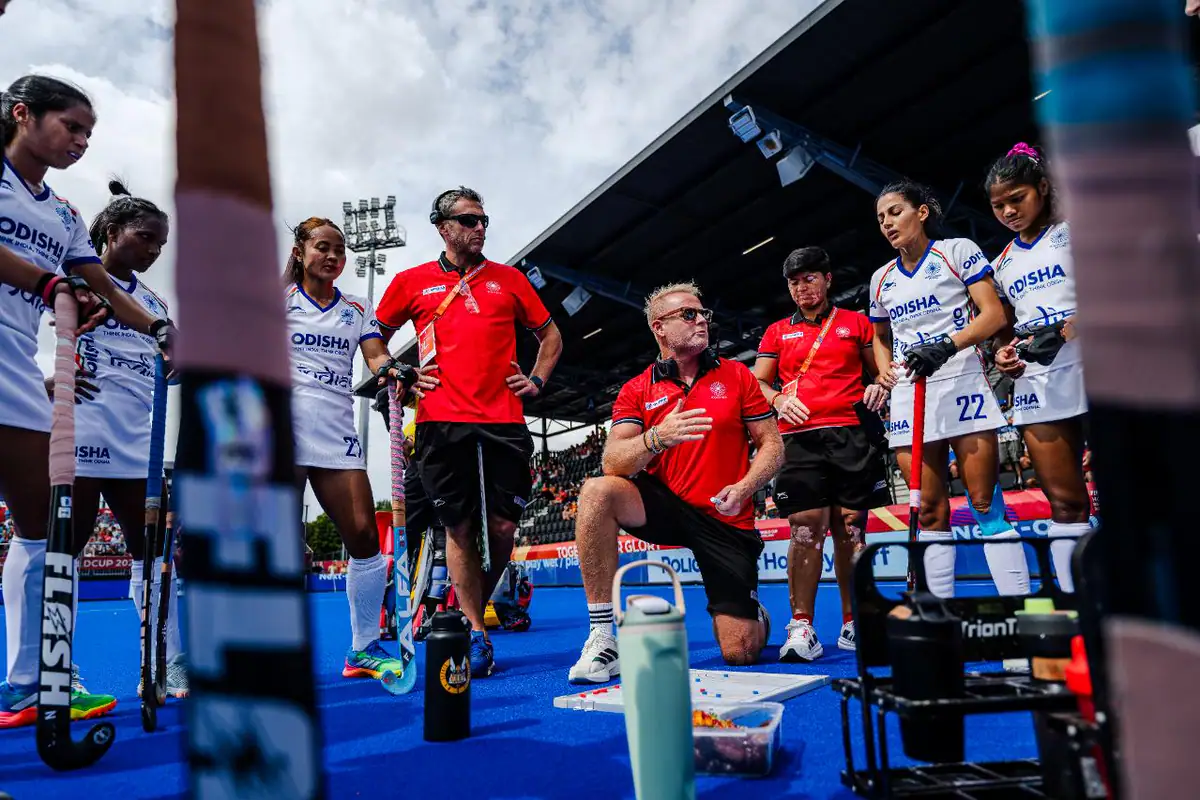
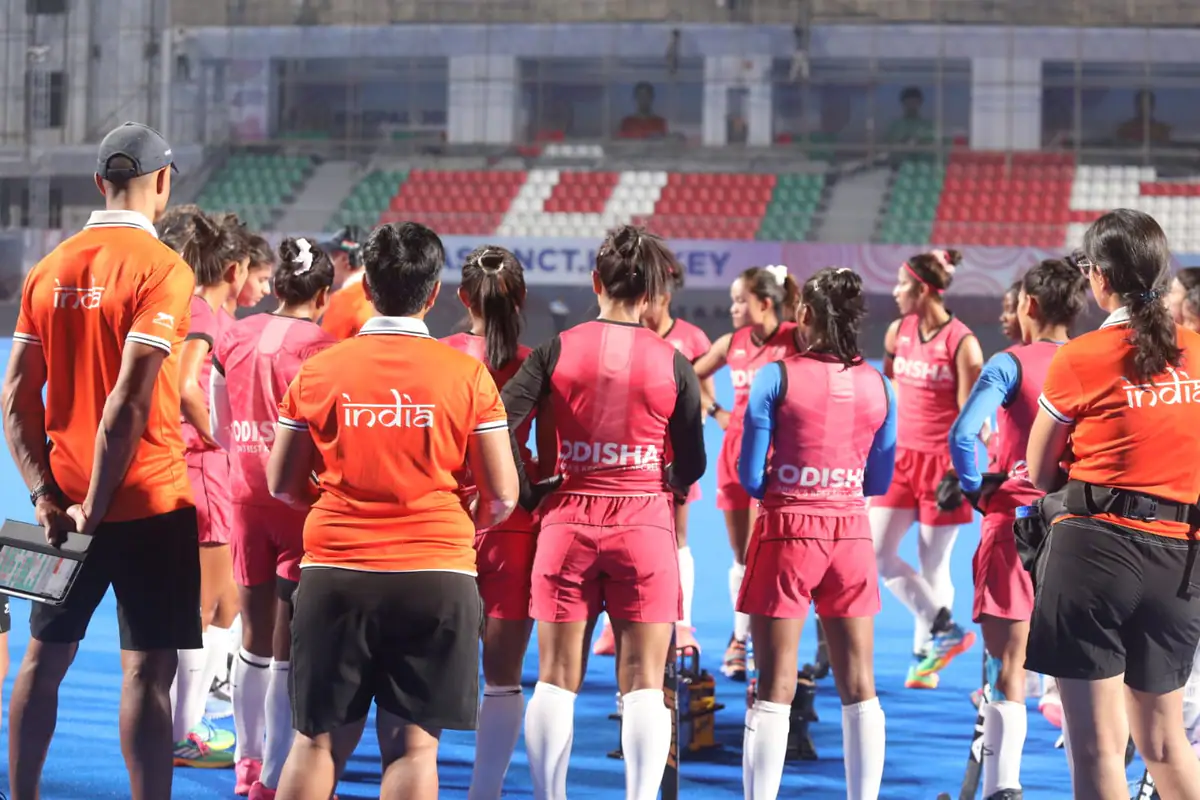
Chief Coach Sjoerd Marijne will use the competition not only to pursue another title but also to assess the team’s flexibility and depth. He has indicated that giving players opportunities in different positions is an important part of the team's development.
“We want the players to be able to play in different positions. It’s to create more depth in the squad and becomes helpful if a player gets injured, especially in a tournament like the Olympics and it’s very helpful for the development of the players,” Marijne said.
He added that the coaching staff wants to understand whether these positional changes can contribute to the team's style of play and the improvements being targeted.
For India, developing players who can adapt to different roles could prove valuable in major international competitions, where injuries, tactical adjustments and demanding schedules often require greater squad flexibility.
Captain Salima Tete, meanwhile, stressed that the team would remain focused on its own approach rather than being distracted by the opposition.
“We are not focusing on what our opponents are doing. We are just focusing on ourselves, our structure, following coach’s instructions. In short, we want to play our game,” Tete said.
India begin their campaign against Malaysia on November 19 before facing South Korea on November 21. They will take on Thailand on November 22, followed by China on November 24, and conclude their league-stage fixtures against Japan on November 25.
The schedule offers India an early opportunity to establish momentum before the more demanding encounters against the leading Asian sides. Securing a strong league-stage position will be essential to progressing into the knockout rounds with confidence.
India have won the Women's Asian Champions Trophy in three editions, including the previous two tournaments, which were also hosted in India — in Ranchi and Rajgir. A successful title defence in Bhopal would complete a hat-trick of consecutive titles and take India to four overall, moving them clear of South Korea.
After a season featuring World Cup qualification, Nations Cup success, a fifth-place World Cup finish and a historic Asian Games gold medal, the Indian team has one final opportunity to add to its achievements. A fourth Asian Champions Trophy would not only strengthen India’s position in continental hockey but also provide a fitting conclusion to a landmark year.
Comments (0)
to post comments, replies, and votes.
Loading comments…