India Beat Japan 4-1 to Win Record-Extending Sixth Asian Champions Trophy Title in Mohali
The Indian men's hockey team produced a stunning second-half comeback to claim its third consecutive Asian Champions Trophy crown, giving veteran midfielder Nilakanta Sharma a memorable farewell in front of a packed home crowd.
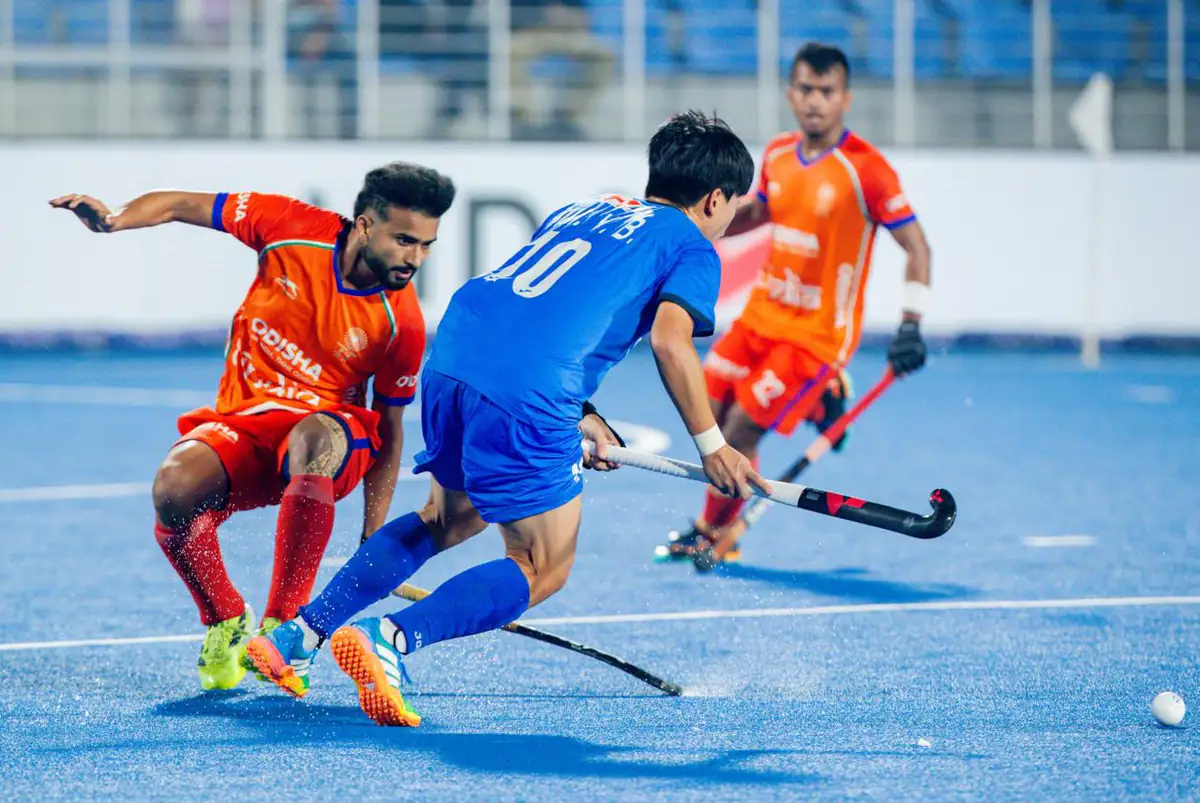
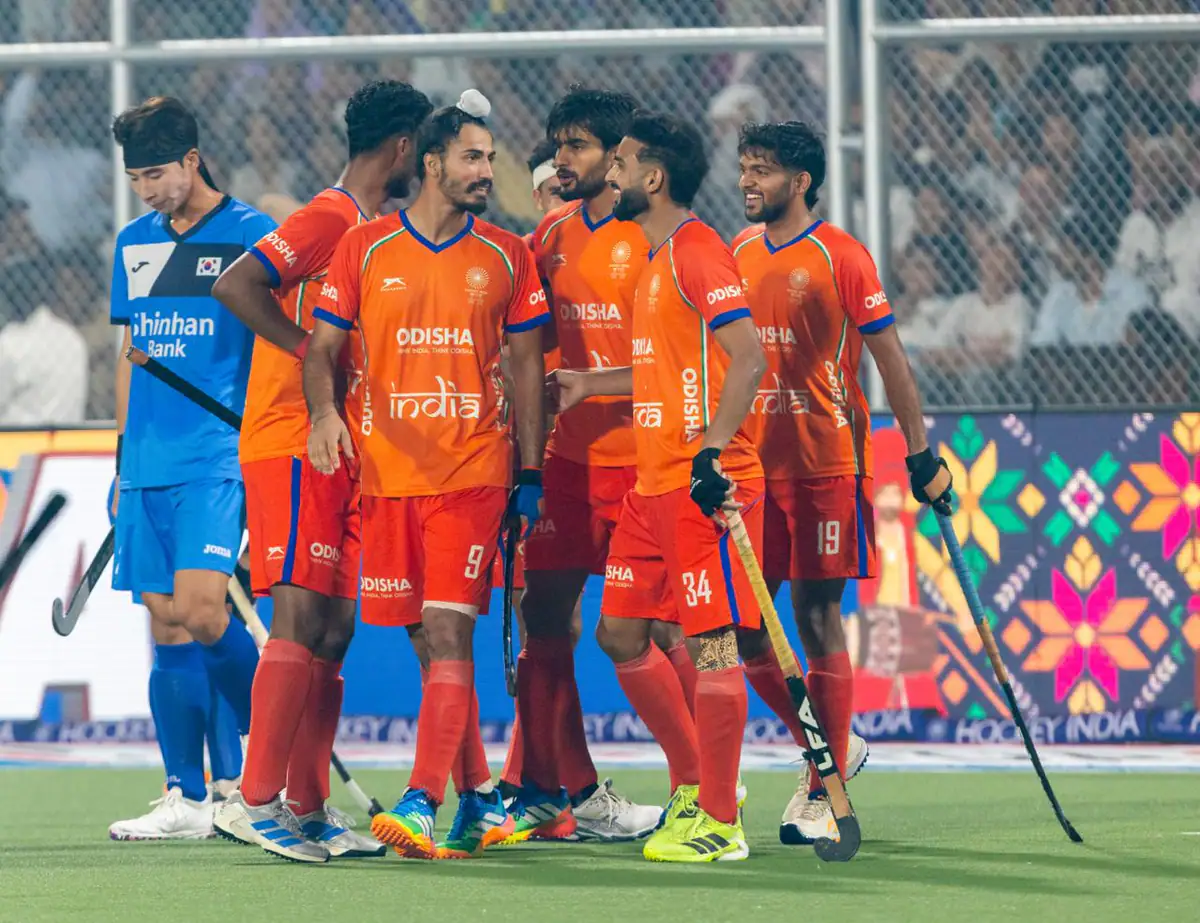
India reaffirmed its dominance in Asian hockey with a commanding 4-1 victory over Japan in the final of the Hero Asian Champions Trophy Punjab 2026 at the Olympian Balbir Singh Senior International Hockey Stadium in Mohali on Thursday. Trailing at half-time, the hosts produced a clinical second-half performance, scoring four goals to secure their sixth title in the competition's history and a third consecutive championship.
Japan took an early lead through Matsumoto Kazumasa in the third minute, but India responded through Shilanand Lakra (42'), Dilpreet Singh (48'), Jugraj Singh (53') and Sukhjeet Singh (54') to complete a memorable comeback.
The victory capped an unbeaten campaign for the hosts, who had won all five of their league-stage matches before dismantling South Korea 8-1 in the semi-final. More importantly, the triumph provided a fitting farewell to midfielder Nilakanta Sharma, who had announced that the tournament would be his final assignment in the Indian jersey.
Japan began the final with greater urgency and capitalised on an early opportunity to put India under pressure. In the third minute, Matsumoto received a pass from Saito Hiro, drove into the Indian circle from the right and unleashed a powerful reverse-hit finish that beat goalkeeper Suraj Karkera.
India gradually began to dominate possession, but Japan's compact defensive structure made it difficult for the hosts to create clear scoring opportunities. Nilakanta attempted to unlock the defence with a long diagonal pass to Abhishek in the ninth minute, but the forward's tomahawk went wide. Dilpreet Singh was unable to control an incisive pass from Jugraj, while Hardik Singh tested Japanese goalkeeper Kisho Kuroda from the top of the circle.
Japan remained disciplined and continued to frustrate the Indian attack. They earned two penalty corners in the second quarter, although neither resulted in a goal. Captain Raiki Fujishima's attempt from the second opportunity was deflected away.
India, meanwhile, struggled to generate penalty-corner opportunities despite making 11 circle penetrations in the first half. Japan's close marking restricted the Indian forwards and disrupted their attempts to use aerial passes effectively. As the hosts went into the half-time break trailing 0-1, the atmosphere inside the packed stadium reflected the growing tension.
Shilanand Lakra sparks India's comeback
The momentum shifted after the interval as India returned with greater attacking intent. The hosts earned an early penalty corner, but Harmanpreet Singh's powerful drag-flick was directed straight at Kuroda. Another opportunity followed, with the Japanese goalkeeper producing an excellent save using his outstretched right foot to deny Harmanpreet.
India finally found the breakthrough through a variation in the 42nd minute. Harmanpreet slipped the ball to Sukhjeet Singh, whose attempt was blocked. Dilpreet collected the loose ball and moved it towards Aditya near the baseline. Aditya then cut it back for Shilanand Lakra, who produced the crucial deflection to level the score.
Japan challenged the goal through a video referral, alleging dangerous play, but the on-field decision was upheld. India had restored parity, and the home crowd found its voice again.
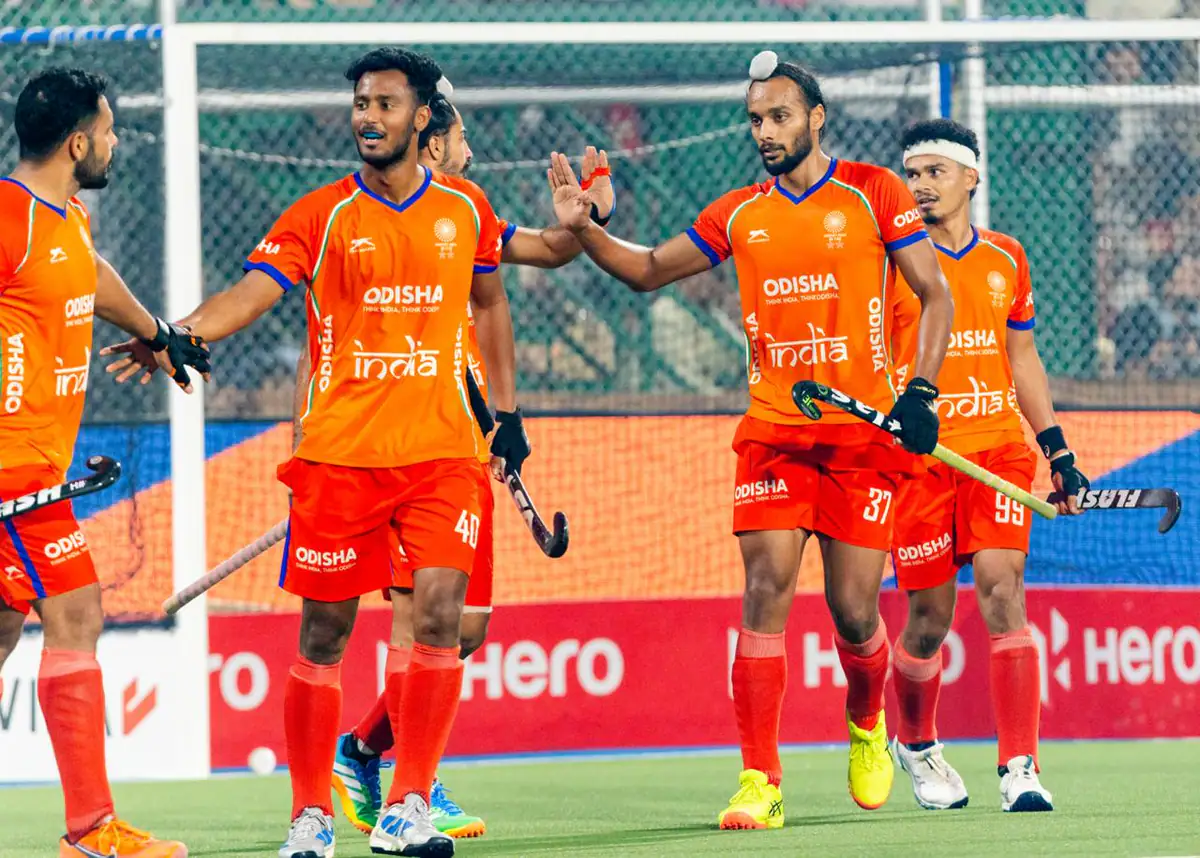
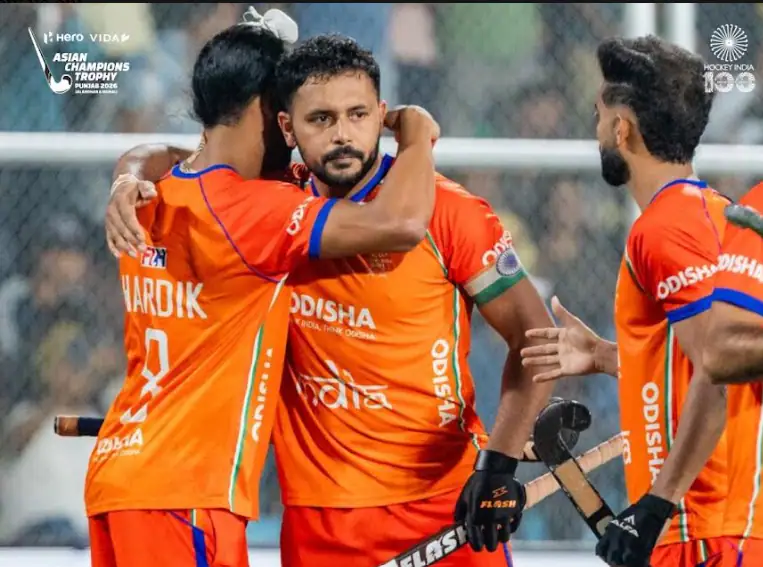
With the equaliser behind them, India carried their momentum into the final quarter and began to find greater space in Japan's defensive structure. Dilpreet Singh put India ahead in the 48th minute following an excellent passage of play involving Sanjay and Hardik Singh. After his initial pass was blocked, Hardik recovered possession and slid the ball towards Dilpreet, who turned sharply before striking into the goal.
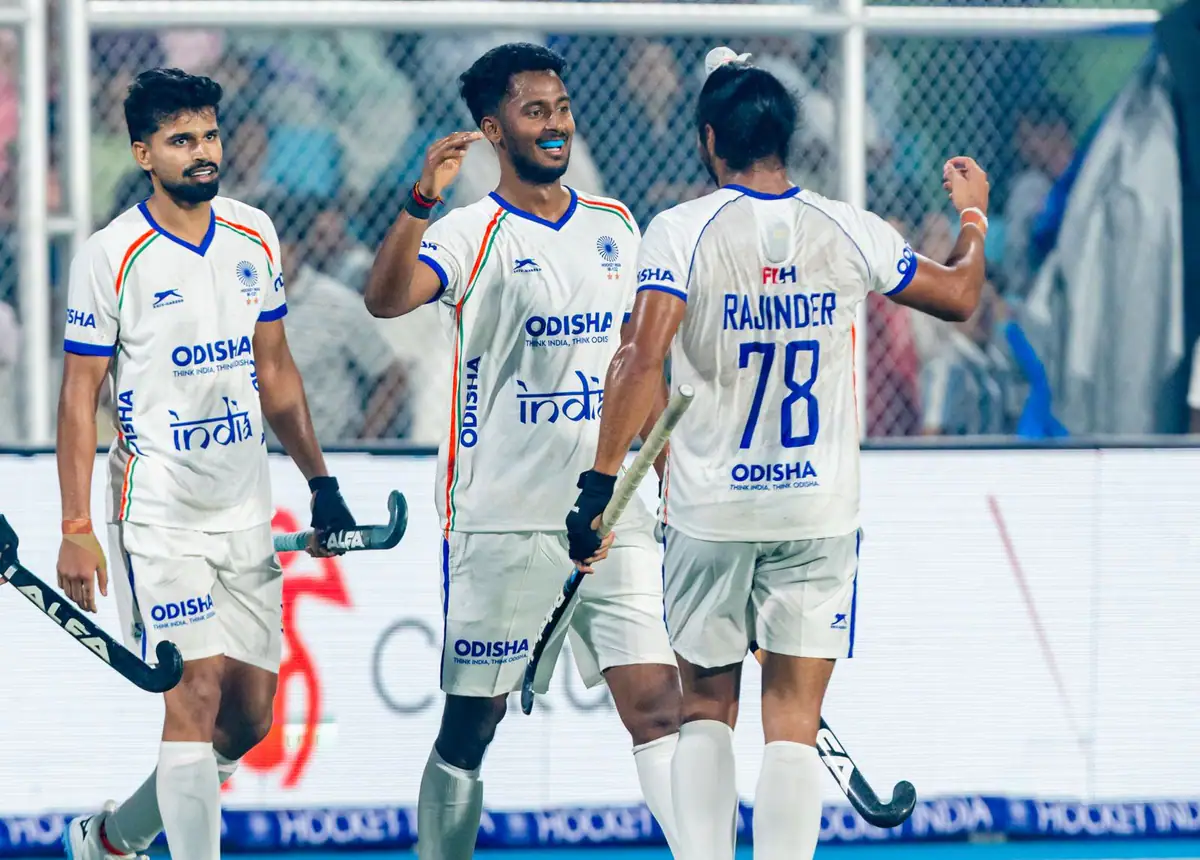
India then extended their advantage through a penalty corner in the 53rd minute. Jugraj Singh stepped up and unleashed a powerful drag-flick to make it 3-1. Barely a minute later, the hosts struck again. Vivek Sagar Prasad delivered a slapshot from the top of the circle, which Sukhjeet Singh deflected into the net to complete India's decisive fourth-quarter burst.
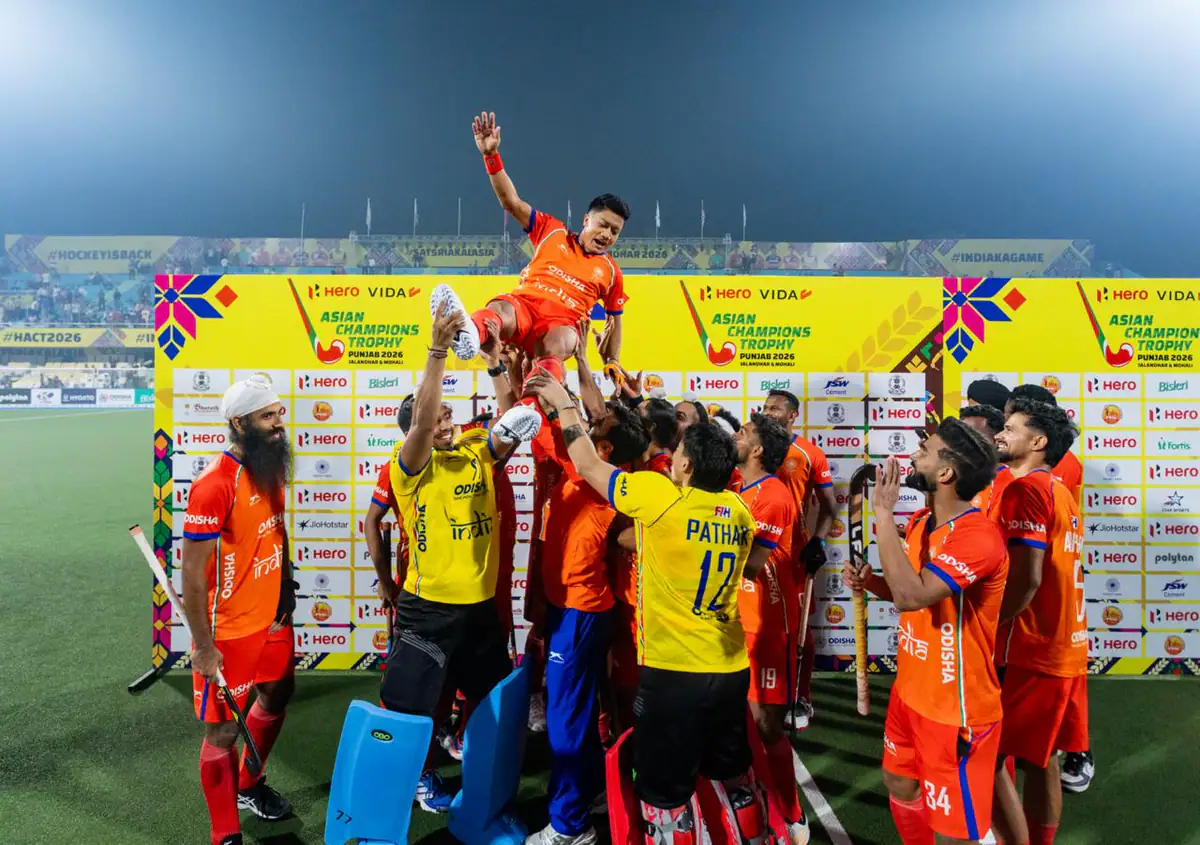
Japan attempted to respond, with Matsumoto trying to score while Krishan Bahadur Pathak was off his line. India managed to clear the danger. The visitors earned one final penalty corner with just 12 seconds remaining, but Fujishima's drag-flick went wide. The final hooter triggered celebrations across the stadium as India completed a remarkable turnaround.
The title was particularly special for Nilakanta Sharma, who brought his international career to a close with another Asian Champions Trophy triumph. The Indian team delivered a fitting farewell to the midfielder by securing the championship in front of the home supporters.
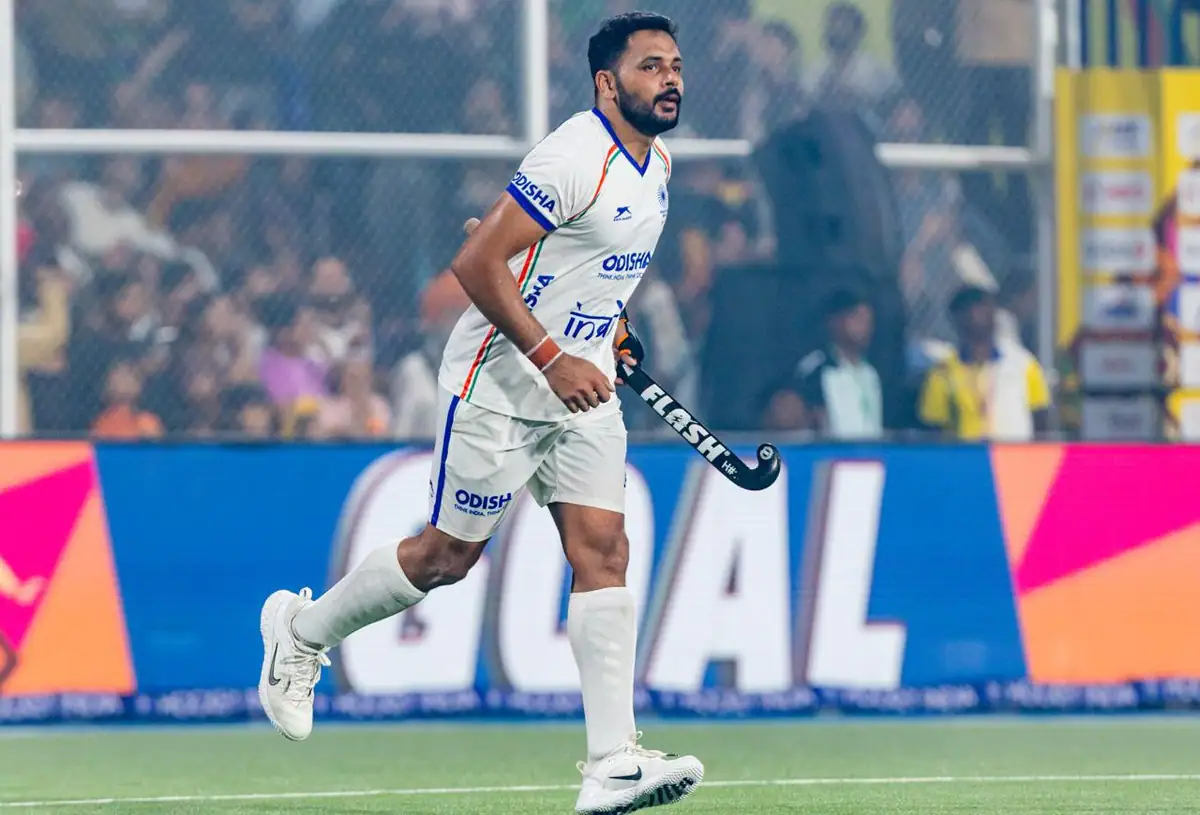
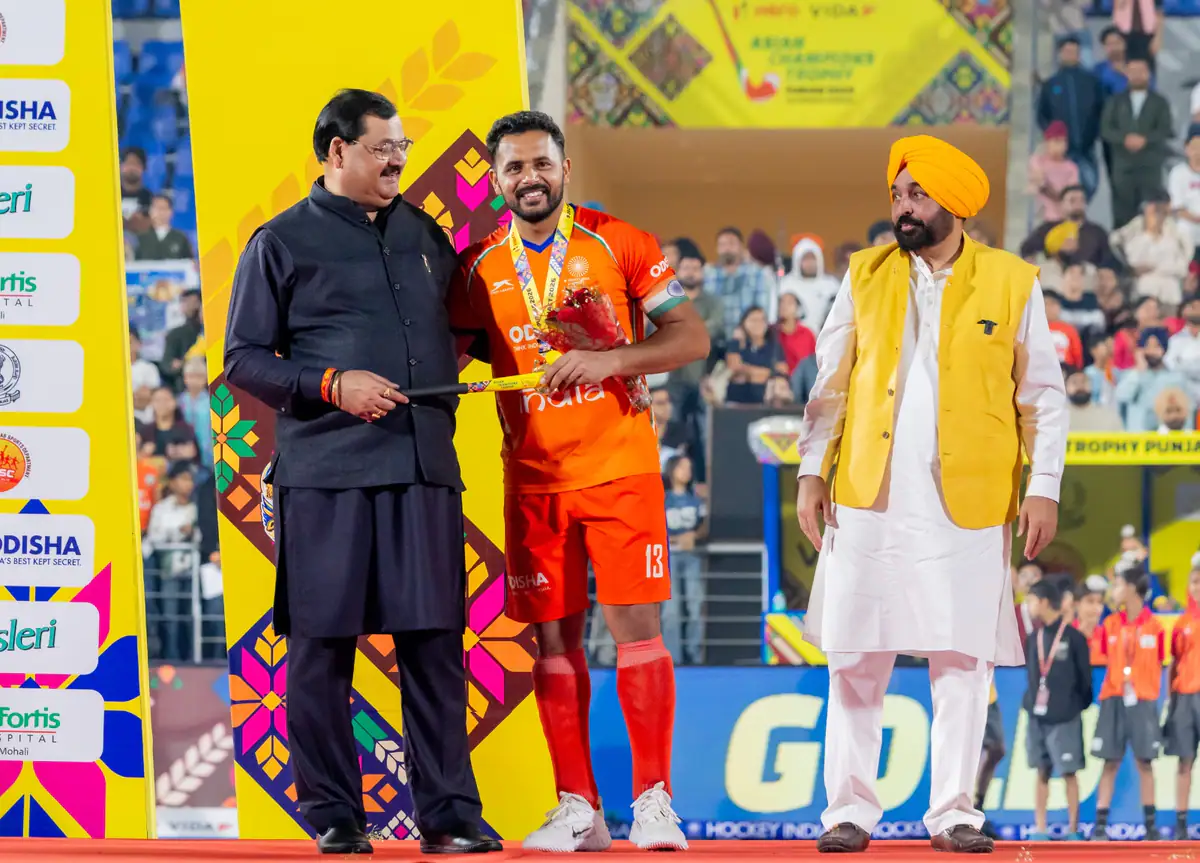
The final also marked a milestone for Hardik Singh, who made his 200th senior international appearance. Punjab Chief Minister Bhagwant Mann presented him with a special jersey before the match to commemorate the achievement.
Harmanpreet Singh was named the Hero of the Tournament and also received recognition as the competition's leading goalscorer with 10 goals. The tally took his senior international goal count to 250. Goalkeeper Krishan Bahadur Pathak received the Goalkeeper of the Tournament award.
Earlier, Malaysia secured the bronze medal with a 5-2 victory over South Korea. Fitri Saari, Faizal Saari, Abu Kamal Azrai and captain Marhan Jalil scored for Malaysia, while Geunwoo Park and Semin Chun found the net for Korea.
India's sixth title and third consecutive championship provided a fitting conclusion to the tournament, which marked the return of international hockey to Punjab. With packed stands at both Jalandhar and Mohali, the competition once again highlighted the region's enduring connection with the sport.
Comments (0)
to post comments, replies, and votes.
Loading comments…