Sjoerd Marijne Prioritises Squad Depth as India Prepare to Defend Women’s Asian Champions Trophy in Bhopal
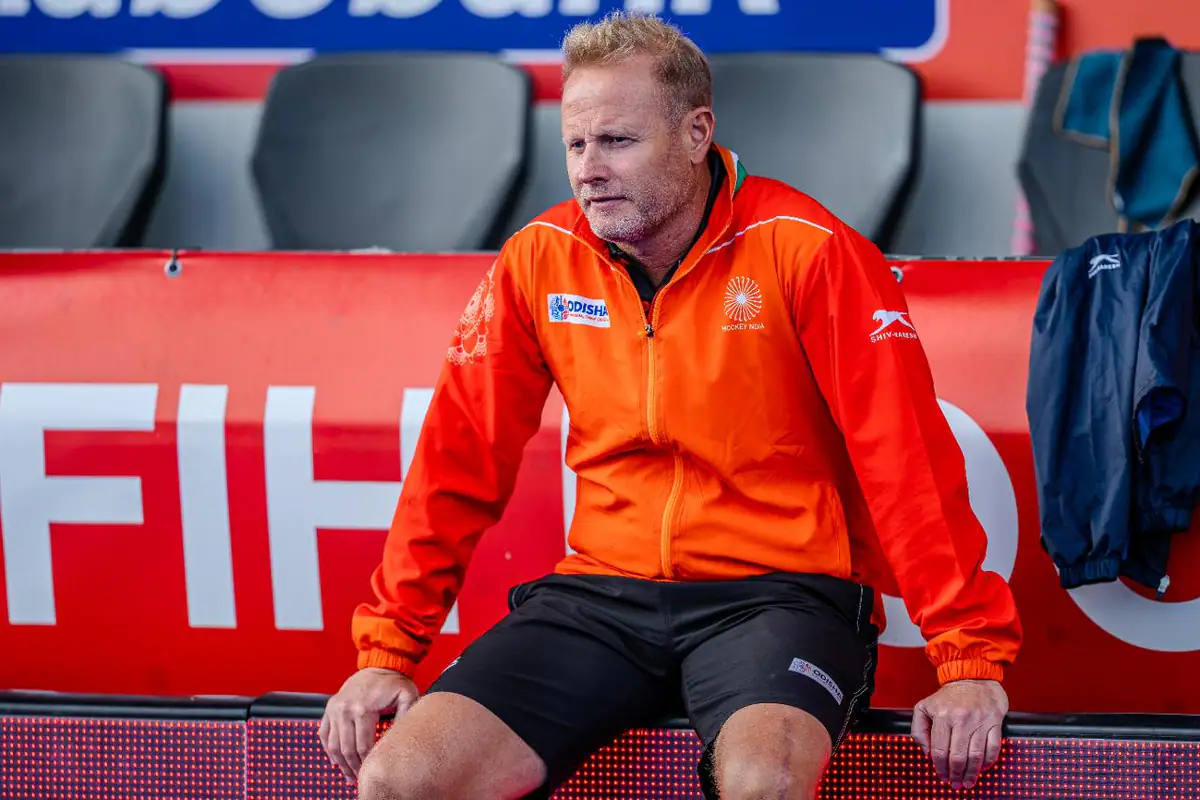
India will face China, Japan, South Korea, Thailand and Malaysia from November 19 to 28, with the chief coach looking to test positional versatility and give emerging players opportunities
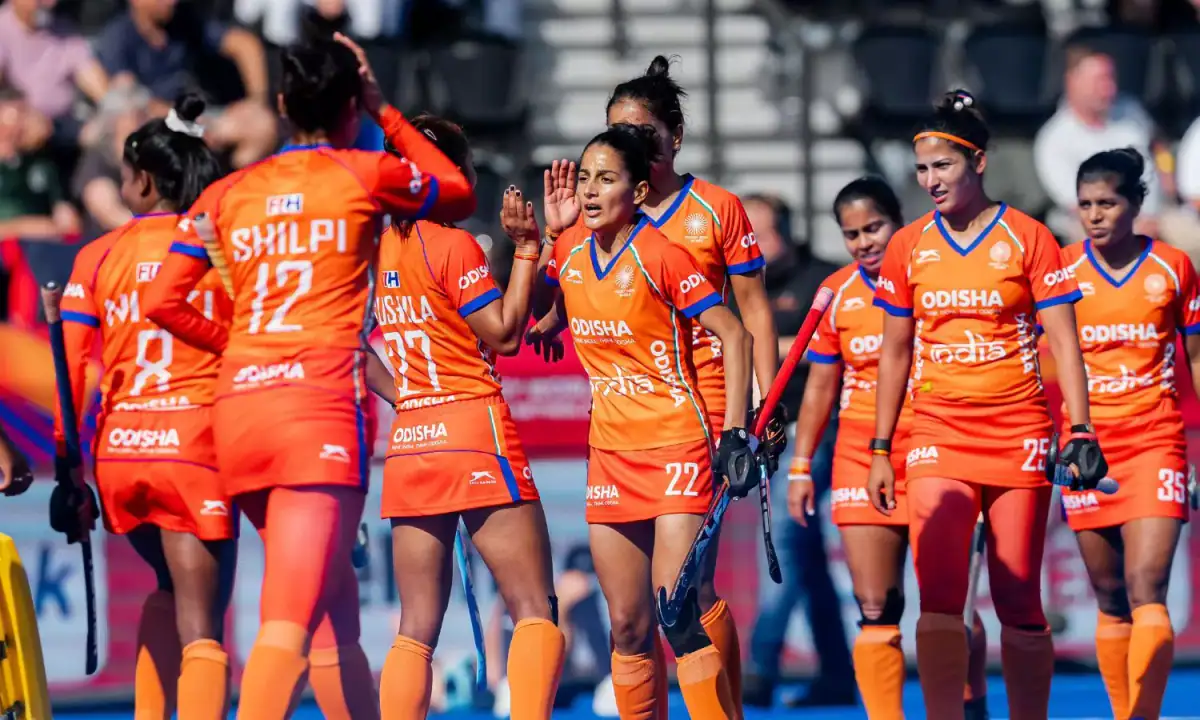
The Indian women’s hockey team will enter the Madhya Pradesh Women’s Asian Champions Trophy Bhopal 2026 with the responsibility of defending its title and the confidence of a historic Asian Games gold medal earlier this year. However, for chief coach Sjoerd Marijne, the tournament is about more than retaining the continental crown. It is also an opportunity to build a deeper, more adaptable squad capable of competing consistently at the highest level.
India, a three-time winner of the Women’s Asian Champions Trophy, will take on China, Japan, South Korea, Thailand and Malaysia in Bhopal from November 19 to 28. With the national camp in Bengaluru nearing its conclusion, Marijne has identified squad depth, positional flexibility and the development of younger players as key priorities ahead of the competition.
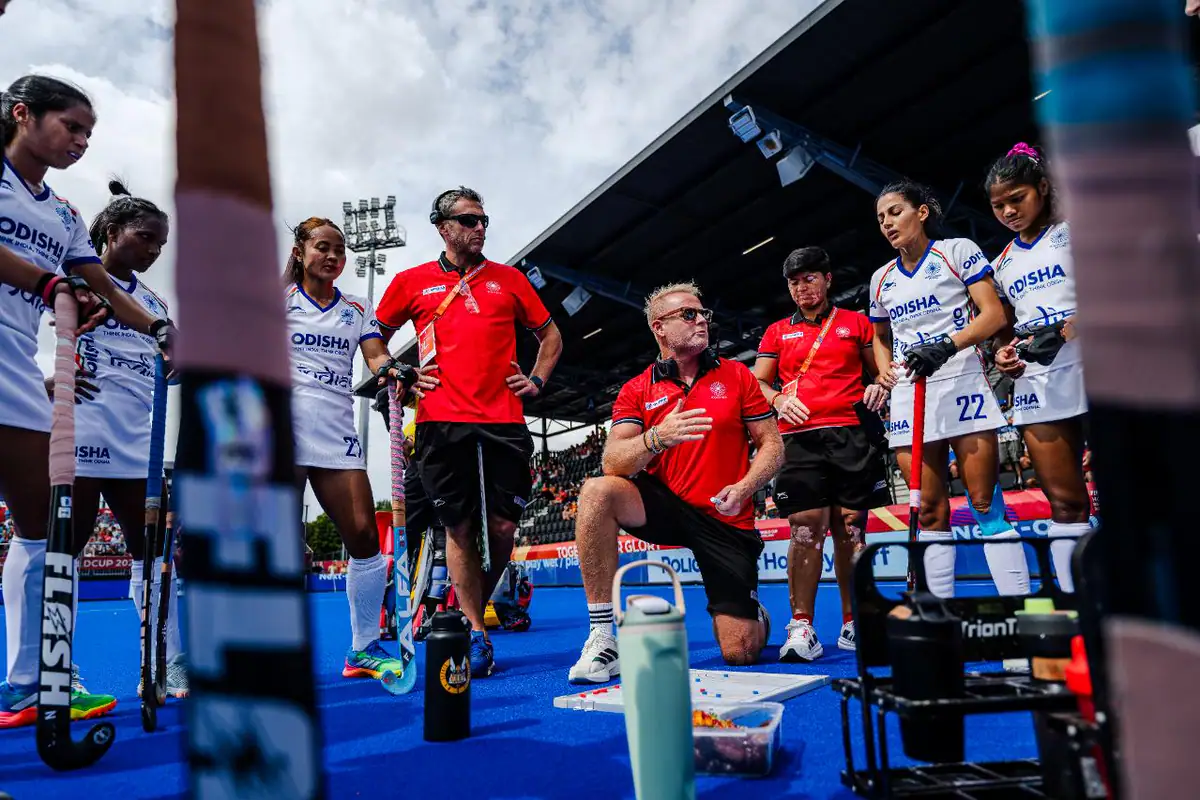
In an interview with Hockey India, the Dutch coach explained that the team has spent the camp creating greater competition within the group, while preparing players to take on responsibilities beyond their regular positions.
Building depth and competition within the squad
Marijne believes that improving squad depth is essential, not only for the immediate tournament but also for India's longer-term ambitions.
“We are busy creating more depth, which also makes training sessions more competitive. The players are also aware of that. So, they're giving their best and working really hard,” he said. The focus on competition within the squad is intended to ensure that players are challenged during training and that the team has more options when circumstances demand changes. A deeper group can become particularly important in demanding international tournaments, where injuries, suspensions and tactical adjustments can affect team combinations.
One of the central elements of the preparation has therefore been testing players in different positions. Marijne wants the squad to develop greater versatility so that individuals can adapt when required rather than being restricted to one role.
He pointed to Ishika, who usually plays as a striker but has also been used in midfield, and Rutuja Dadaso Pisal, who is similarly being encouraged to adapt.
“It becomes helpful if a player gets injured, especially in a tournament like the Olympics, and it’s very helpful for the development of the players,” Marijne explained.
The coach is also looking to understand whether these positional changes can improve the way India wants to play. The Bhopal tournament will provide a competitive setting to assess whether the experiments conducted during the national camp translate into effective performances under pressure.
Opportunity for emerging players and returning faces
The Asian Champions Trophy will also offer opportunities to players looking to establish themselves within the senior group. Marijne specifically mentioned Pooja Sahoo as a youngster who will get an opportunity, while Jyoti Singh is set to receive her first chance. Mumtaz, meanwhile, returns to the squad after a prolonged absence.
For the coaching staff, the tournament presents an opportunity to assess these players against some of Asia's strongest teams rather than relying exclusively on performances in training. The emphasis on giving emerging players meaningful opportunities is closely connected to the wider objective of building squad depth. Developing alternatives across positions can provide India with greater flexibility during major competitions and help reduce dependence on a fixed group of players.
For the youngsters, the challenge will be to demonstrate that they can handle the demands of international hockey while adapting to the team's tactical requirements.
India will play at the International Sports Complex in Nathu Barkheda, Bhopal, which brings the additional challenge of adjusting to a new stadium and playing surface. However, Marijne does not consider the change a significant concern. He pointed out that international teams regularly encounter different pitches throughout the year and must be prepared to adapt.
“It's just an adjustment. We play the whole year on different pitches and this will be a similar change,” he said. The coach also referred to the difficult and uneven playing surface the team encountered at the Asian Games in Japan. Having dealt with those conditions, he believes the Bhopal pitch should not become a major distraction.
Marijne also noted that the conditions will be the same for all participating teams. Consequently, India's attention will remain on its own preparation rather than the characteristics of the venue.
The tournament will bring India up against several teams it has faced in major continental competitions, including China, the opponent it defeated in the Asian Games final. While the prospect of meeting the same group of leading Asian teams offers a useful measure of India's progress, Marijne is reluctant to make the opposition the centre of the team's preparation.
He pointed out that it remains uncertain which squads the other countries will bring to Bhopal. More importantly, India's priority is to identify what needs to improve following the Asian Games triumph.
“You never know what squads these teams bring to the tournament. But the main thing is what I've said the whole year, and it will be the same for this tournament: we have to focus on ourselves, what we want to improve after the Asian Games, what we want to do better,” he said.
The Bengaluru camp has been built around those areas of improvement. The next step is to assess whether the team can reproduce its training work when faced with the intensity and pressure of tournament hockey.
For Marijne, the outcome will therefore be judged not only by results but also by how effectively India implements the improvements it has been working on.
The Bhopal tournament will be followed by a break for the players before the international calendar gathers momentum again. India are scheduled to face Argentina and Germany in the FIH Pro League in February, making the management of the intervening period particularly important.
Marijne wants the players to return mentally and physically fresh while ensuring they remain prepared for the demands of international competition.
He highlighted the difficulty of moving back into the international rhythm after a break and domestic commitments, including the Hockey India League. The standard and intensity of international hockey require time to readjust to, and India will need to make that transition quickly.
“How fast we can get the girls back in that zone” will be a major challenge, he said.
The immediate objective, however, is to make the most of the home tournament. India will have the opportunity to defend its Women’s Asian Champions Trophy title in front of home supporters while testing emerging players and strengthening its options across the squad.
For Marijne, Bhopal is both a title defence and an important stage in the team's development. The focus is clear: create greater depth, improve adaptability and ensure that India's progress at the Asian Games becomes a foundation for the challenges ahead.
Comments (0)
to post comments, replies, and votes.
Loading comments…