FIH Men’s Hockey World Cup: India’s 51-Year Wait Leads a Six-Nation Battle to End Title Droughts
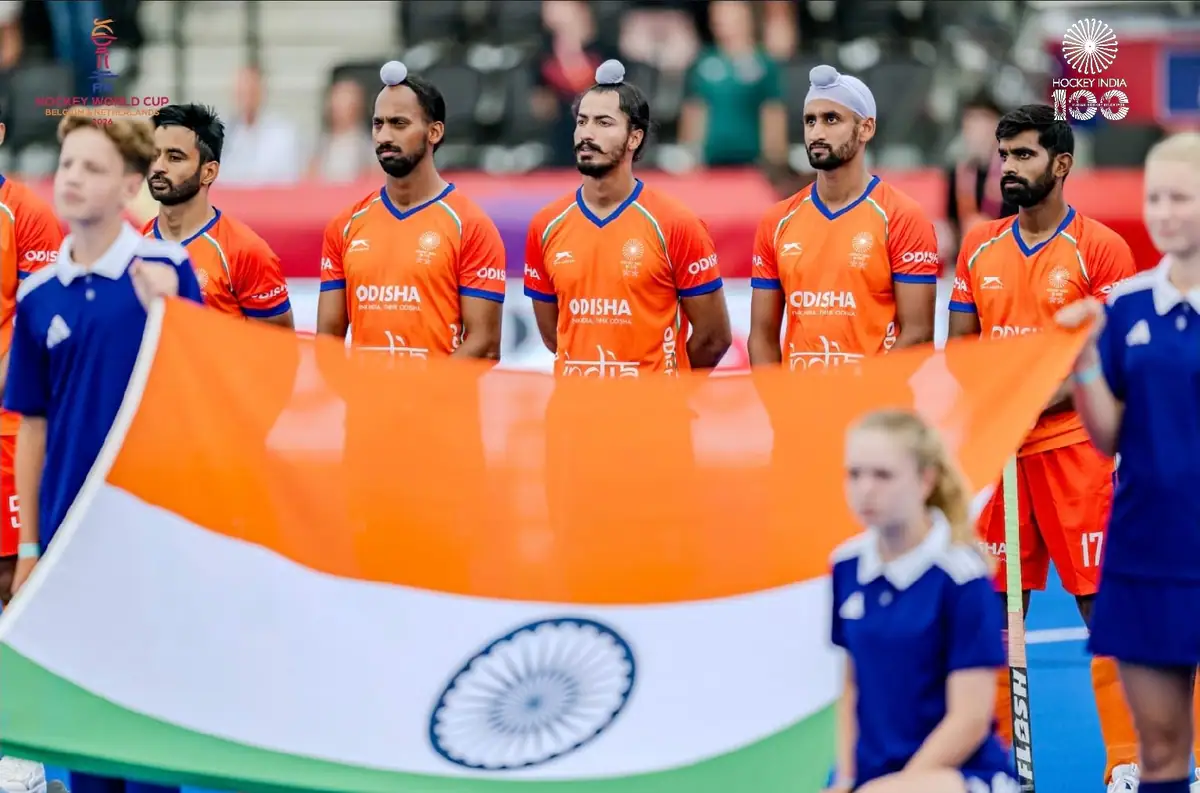
The 2026 FIH Men’s Hockey World Cup begins with a striking statistic: five of the six nations that have won the tournament are entering the competition carrying an active wait for their next world title.
For India, that wait has stretched to 51 years. Pakistan have gone 32 years since their last triumph, the Netherlands 28, Australia 12 and Belgium 8. Only Germany, the reigning champions, arrive without a long-standing drought, having won the title just three years ago in 2023. The figures tell the story of how dramatically the balance of power in international hockey has changed since the World Cup was established in 1971.
Only six countries have ever lifted the men's World Cup trophy: Pakistan, Germany, the Netherlands, Australia, India and Belgium. As the 16th edition gets underway in Belgium and the Netherlands from August 15 to 30, each of these nations enters with a different relationship with its past.
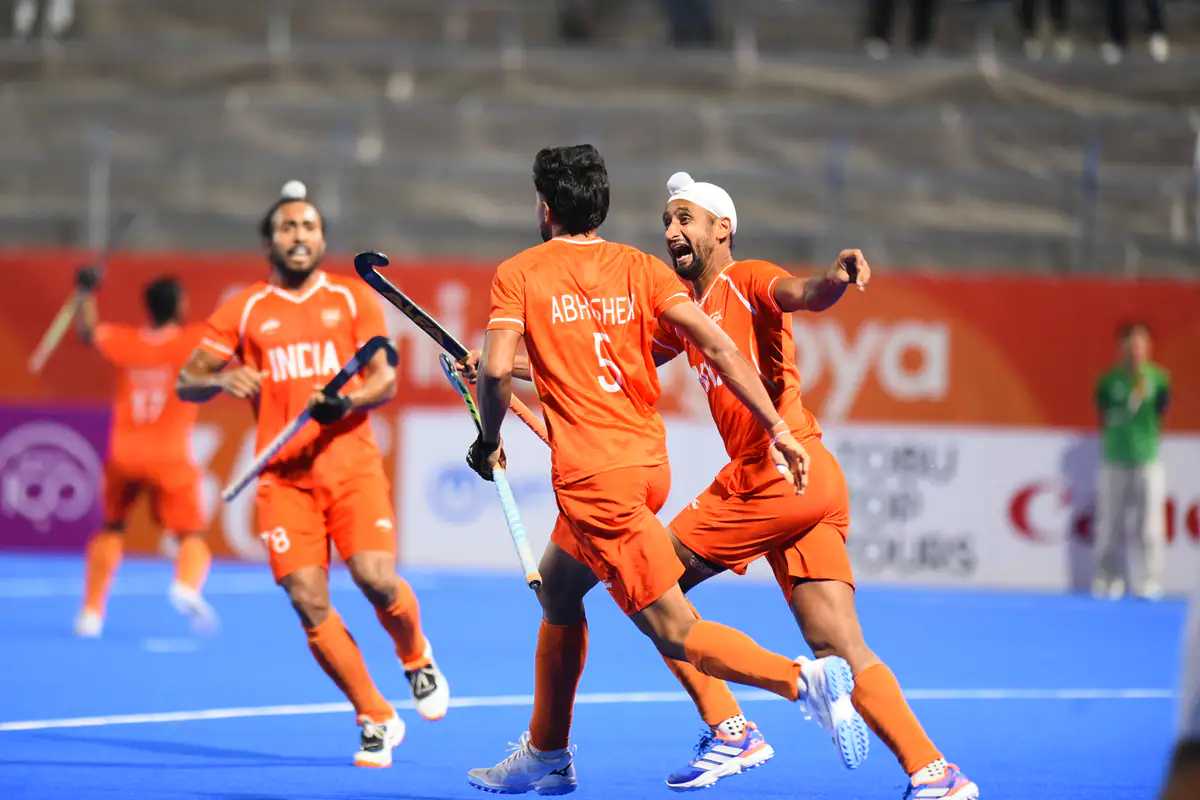
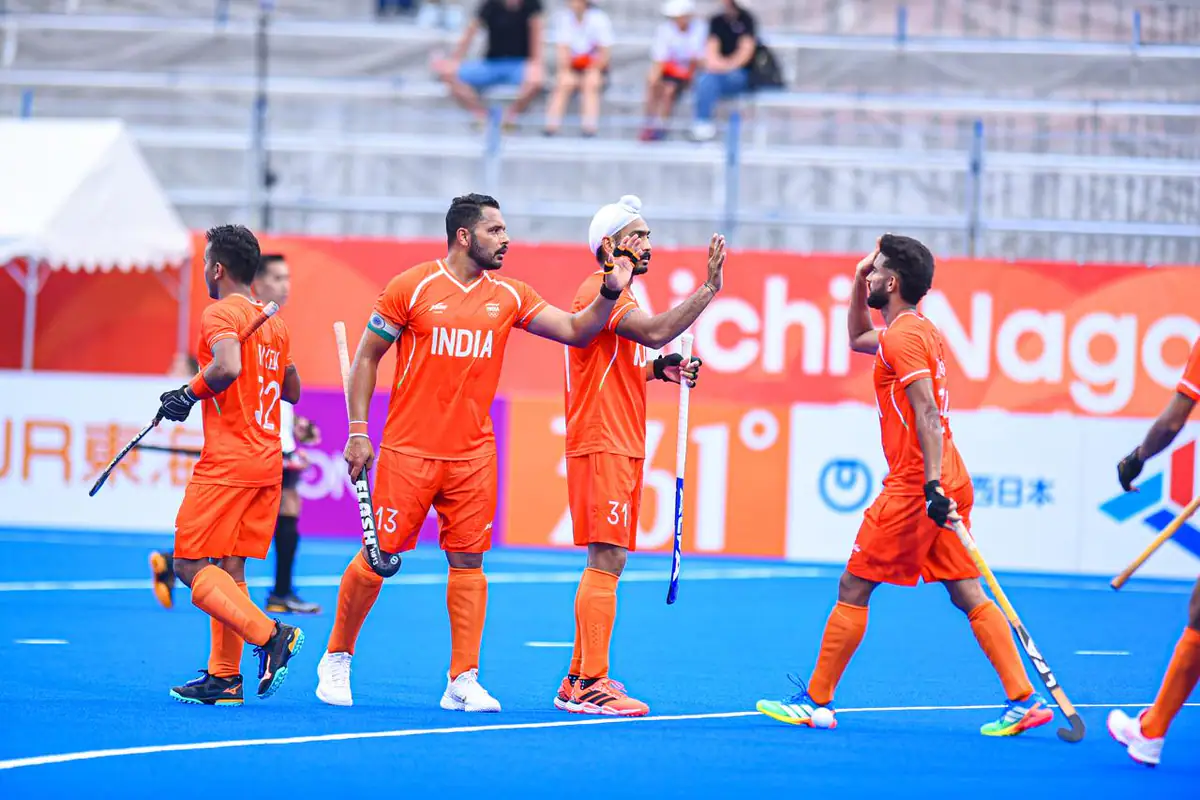
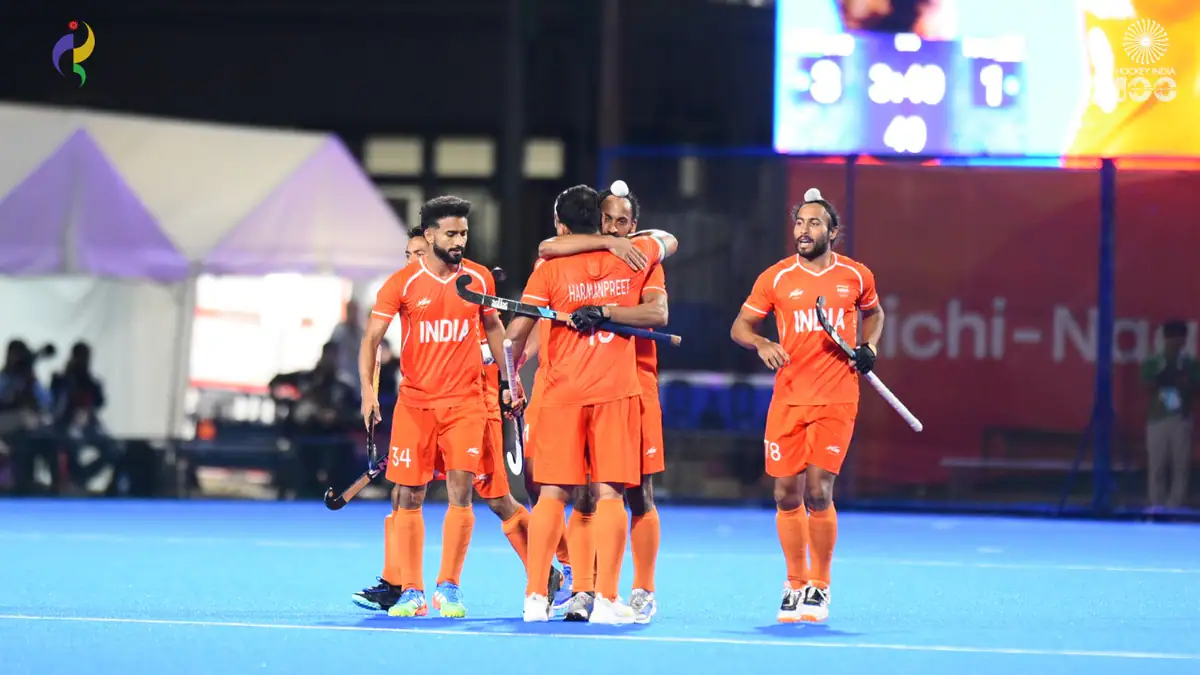
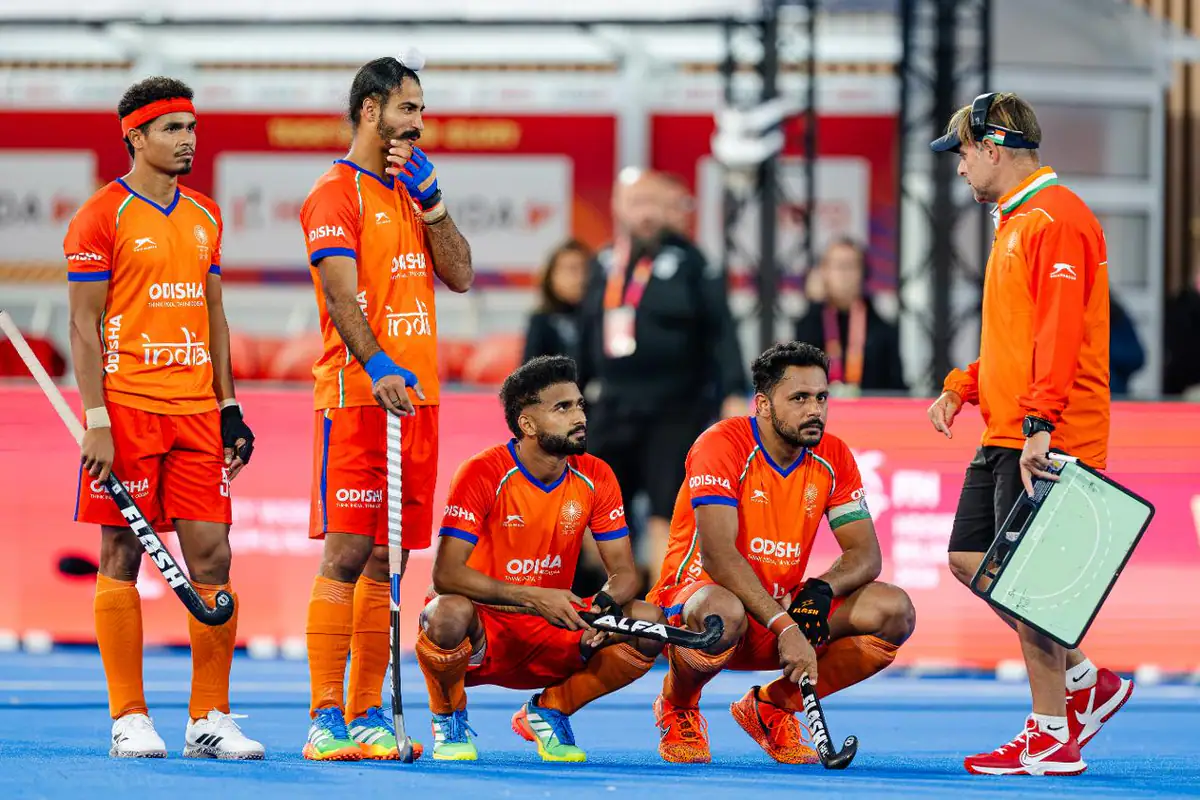
India carries the longest active title drought among former champions. The country's only World Cup title came in 1975, when India defeated Pakistan 2-1 in the final in Kuala Lumpur. Ashok Kumar scored the decisive goal in one of the most celebrated moments in Indian hockey history. India had already established itself as a major force in the tournament's early years, winning bronze at the inaugural 1971 edition and silver in 1973.
But the 1975 victory remains India's only World Cup gold.
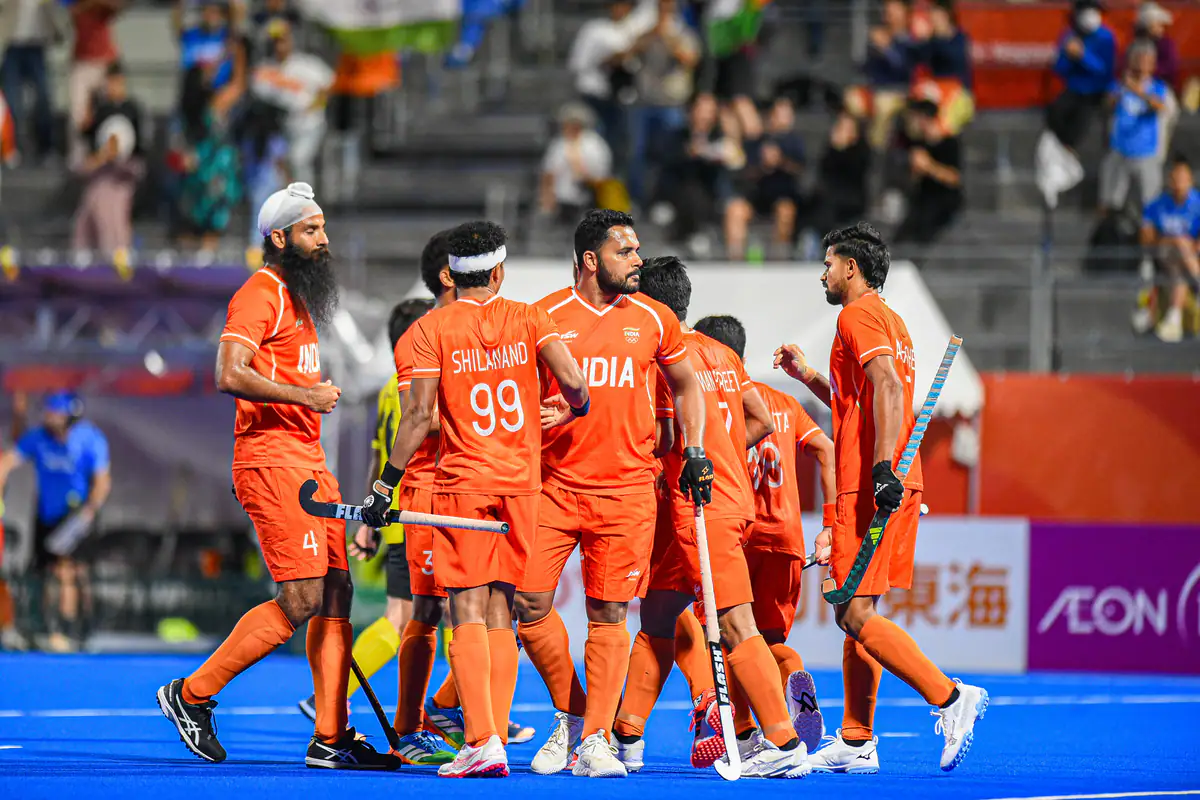
The subsequent decades brought a dramatic decline in World Cup performance. India struggled to consistently reach the latter stages, including a 12th-place finish in 1986, 10th in 1990 and 11th in 2006. At the 2023 World Cup on home soil, India finished ninth. There are, however, reasons for optimism.
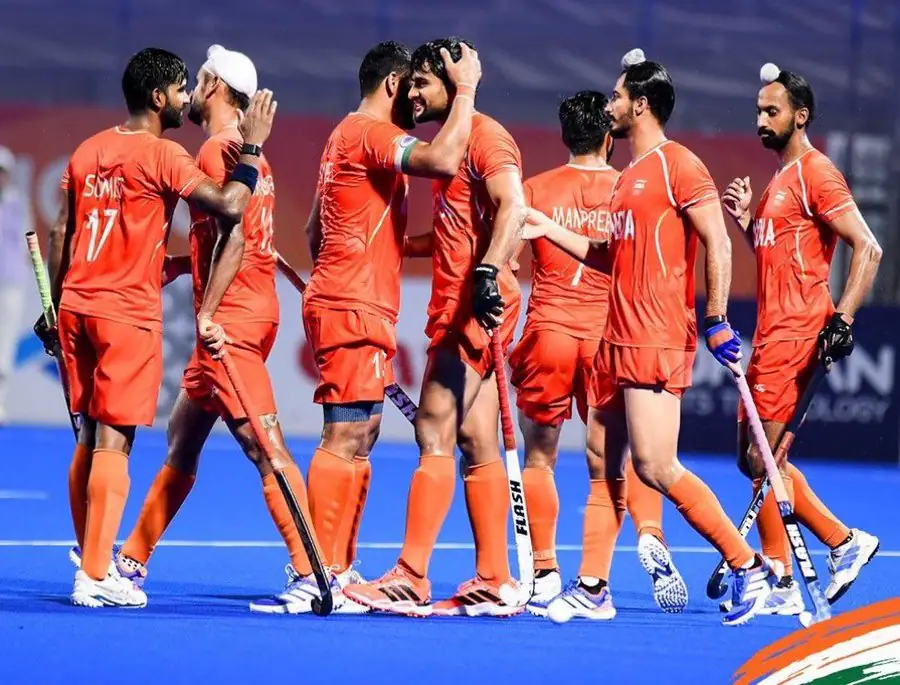
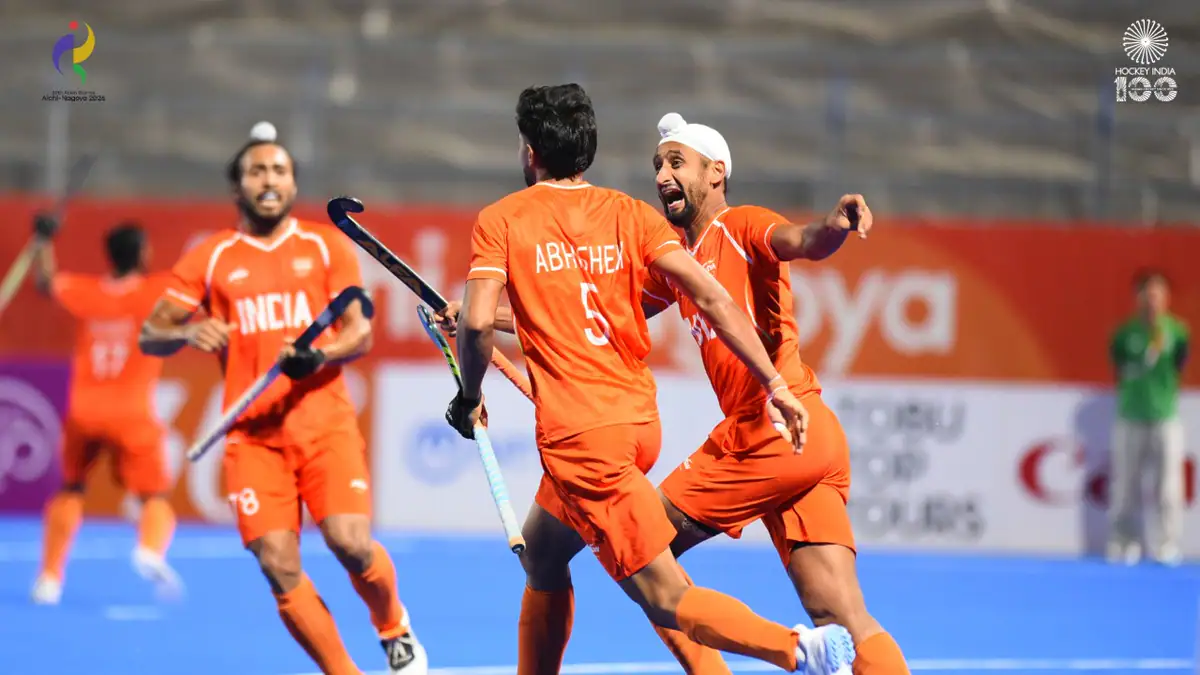
India have rebuilt themselves as a major force in international hockey over the past Olympic cycles, winning bronze at Tokyo 2020 and Paris 2024. The challenge now is translating that revival into World Cup success.
At 51 years, India's wait is by far the longest among the six former champions.
Pakistan are the most successful nation in World Cup history, with four titles. Their victories came in 1971, 1978, 1982 and 1994, with the latter remaining their most recent championship. Pakistan defeated the Netherlands in a penalty shootout in the 1994 final in Sydney. The 32-year drought reflects a much broader decline.
Pakistan were among the defining teams of early international hockey, but structural instability, reduced investment and difficulties adapting to the modern high-tempo game contributed to their fall from the elite. They even missed the 2023 World Cup before returning to the competition for 2026.
For a country with four titles, another deep World Cup run would represent a significant revival.
Netherlands: 28 years since their last title
The Netherlands have three World Cup titles and the most final appearances in tournament history, reaching the championship match seven times. Their last triumph came in 1998, when they defeated Spain 3-2 after extra time in Utrecht. Yet the Dutch have remained consistently competitive even without winning the World Cup.
They reached consecutive finals in 2014 and 2018, losing to Australia and Belgium respectively, before taking bronze in 2023. Their Olympic success has also continued, with the Netherlands winning gold at Paris 2024. Now, as co-hosts of the 2026 tournament, the Netherlands have an opportunity to end a 28-year wait on home soil.
Australia's drought is shorter at 12 years, but their history makes the wait notable. The Kookaburras have won three World Cup titles in 1986, 2010 and 2014 and have accumulated ten medals, the most in tournament history. Their 2014 title was particularly emphatic. Australia defeated the Netherlands 6-1 in the final in The Hague.
Since then, however, they have been unable to reclaim the trophy. Australia won bronze in 2018 and finished fourth in 2023. The 2026 tournament offers them another chance to turn consistency into another championship.
Belgium: Eight years after their breakthrough
Belgium has the shortest drought among the non-reigning champions. Their breakthrough came in 2018, when the Red Lions defeated the Netherlands in a penalty shootout after a goalless final in Bhubaneswar. It was Belgium's first World Cup title.
https://www.indiasportshub.com/articles/india-open-hockey-world-cup-campaign-with-3-1-win-over-wales
Their success was the result of a long-term transformation of Belgian hockey, built around high-performance structures and player development. Belgium came close to retaining the trophy in 2023, reaching the final before Germany won on a shootout after a 3-3 draw.
As co-hosts in 2026, Belgium have the opportunity to reclaim the title after just eight years.
Germany is in a different position. Their current drought is just three years, because they won the 2023 World Cup in Odisha. The Germans produced one of the most remarkable knockout-stage campaigns in tournament history, recovering from deficits against England, Australia and Belgium before winning the final on penalties.
Germany already have three World Cup titles, having previously won in 2002 and 2006. Their objective in 2026 is not to end a drought but to prevent another nation from doing so.
The title droughts reveal the changing geography of men's hockey. India and Pakistan dominated the early years, winning four of the first five World Cups. The subsequent shift towards synthetic surfaces, greater physical conditioning, high-tempo pressing and professionalised domestic structures helped European and Australian programmes establish a new era of dominance.
That evolution explains why India's 51-year wait and Pakistan's 32-year drought have lasted so long, while the Netherlands, Australia, Belgium and Germany have remained more consistently competitive.
The 2026 World Cup therefore represents more than another championship. For India, it is an opportunity to end 51 years of waiting.
For Pakistan, it is a chance to revive a four-time champion's legacy. For the Netherlands and Australia, it is about converting sustained competitiveness into gold again.
For Belgium, it is about reclaiming the crown. And for Germany, it is about defending it. Six nations have won the men's World Cup. In 2026, at least five of them arrive with unfinished business.
The question is which drought ends first.
Comments (0)
to post comments, replies, and votes.
Loading comments…