FIVB Strips Volleyball Federation of India of Recognition, Hands Control to Steering Committee Amid Governance Crisis
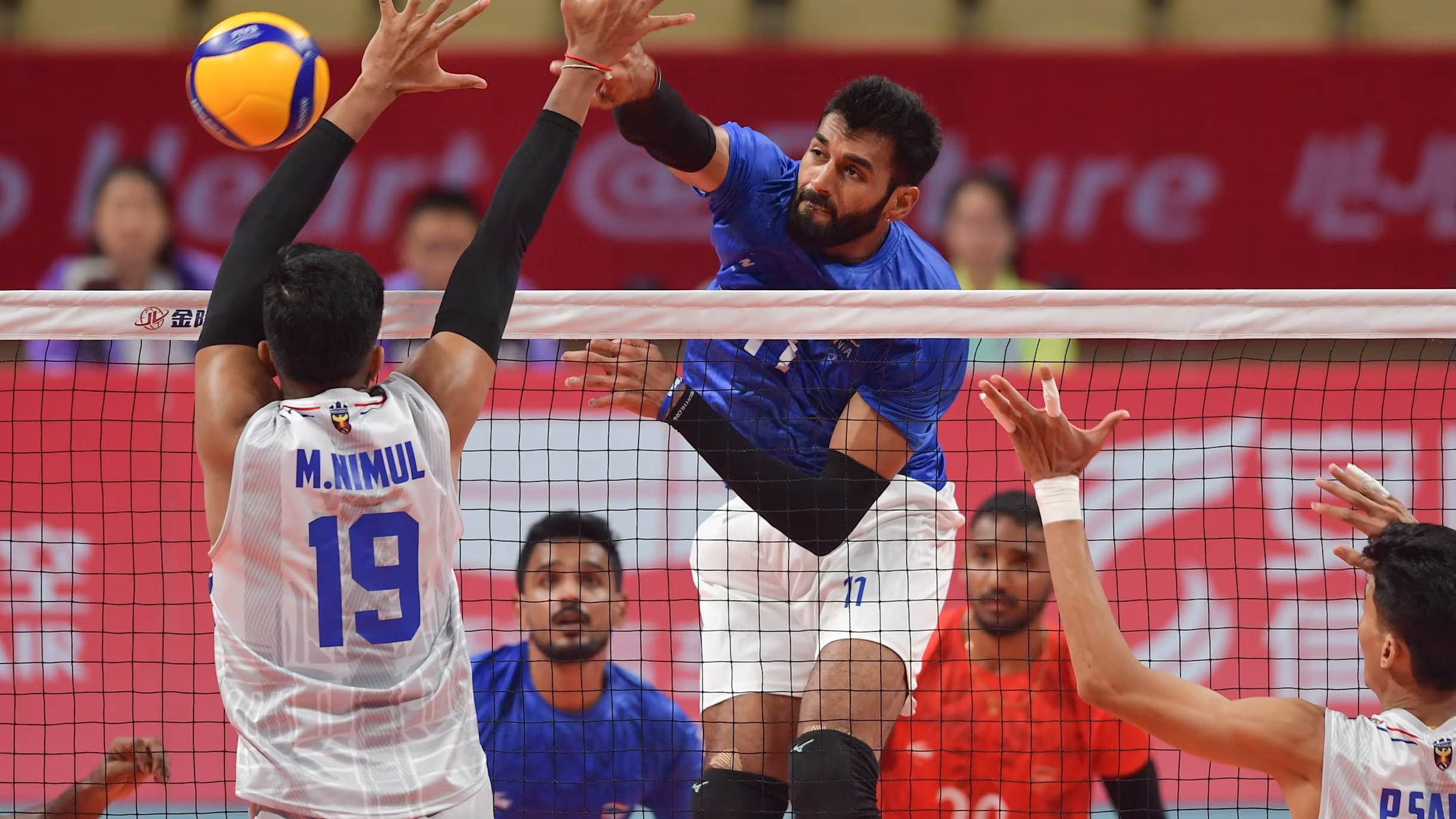
Indian volleyball is in crisis. The Federation Internationale de Volleyball has revoked the provisional recognition of the Volleyball Federation of India with immediate effect, citing the failure of the VFI's interim leadership to meet the legal and administrative conditions set by the global governing body.
In its place, the FIVB has handed temporary administrative control to a Steering Committee comprising representatives from both the FIVB and the Indian Olympic Association a dramatic intervention that underlines just how severely governance at the VFI has deteriorated, and how little patience the international community has left for promises that go unfulfilled.
The FIVB's statement was unambiguous. Citing Articles 1.5.3 and 1.9.1 of its General Regulations, the governing board determined that the VFI's interim leadership had not respected the legal and administrative requirements established as conditions of their provisional recognition a recognition that had itself only been granted for a limited period, carrying explicit expectations of reform. Those reforms did not materialise. The consequence was immediate and far-reaching.
The Steering Committee now in charge is composed of Rohit Rajpal from the Indian Olympic Association's Executive Council, IOA CEO Raghuram Iyer, FIVB General Sports Director Steve Tutton, FIVB Head of Legal Affairs Stephen Bock, and Hitesh Malhotra. This group, which had already been supervising the VFI's activities, has been tasked with ensuring that volleyball in India continues to function despite the sanctions and with delivering a set of reforms that the VFI itself repeatedly failed to implement. Their mandate includes establishing an Athletes' Commission, conducting elections for state volleyball associations, updating the VFI's constitution to meet legal and governance standards, ensuring transparent and merit-based team selection, and organising both national and international competitions going forward.
The FIVB has also committed financial and technical support through its Volleyball Empowerment programme, with $258,000 allocated for 2026 to support athletes and develop national teams across men's, women's and all volleyball formats. The message from the international body is clear they are not abandoning Indian volleyball, but they are no longer willing to allow it to be governed by those who have demonstrated an inability or unwillingness to meet basic standards of administration.
https://thegodofsports.com/six-zero-opal-pickleball-paddle-14mm/
To understand how Indian volleyball arrived at this point, it is necessary to look at a pattern of dysfunction that stretches back years. The rot began in earnest in 2020, when the Sports Ministry suspended the VFI for misgovernance a sanction that set the tone for everything that followed. In the intervening years, elections have been repeatedly delayed due to internal conflicts and alleged political interference. Financial mismanagement has compounded the structural chaos, with an arbitration case resulting in a reported payment of seven crore rupees to a sponsor and approximately $335,000 still owed to the FIVB itself. Decision-making has been opaque, accountability has been minimal, and the federation has consistently failed to build the kind of institutional credibility that any sports body needs to function effectively.
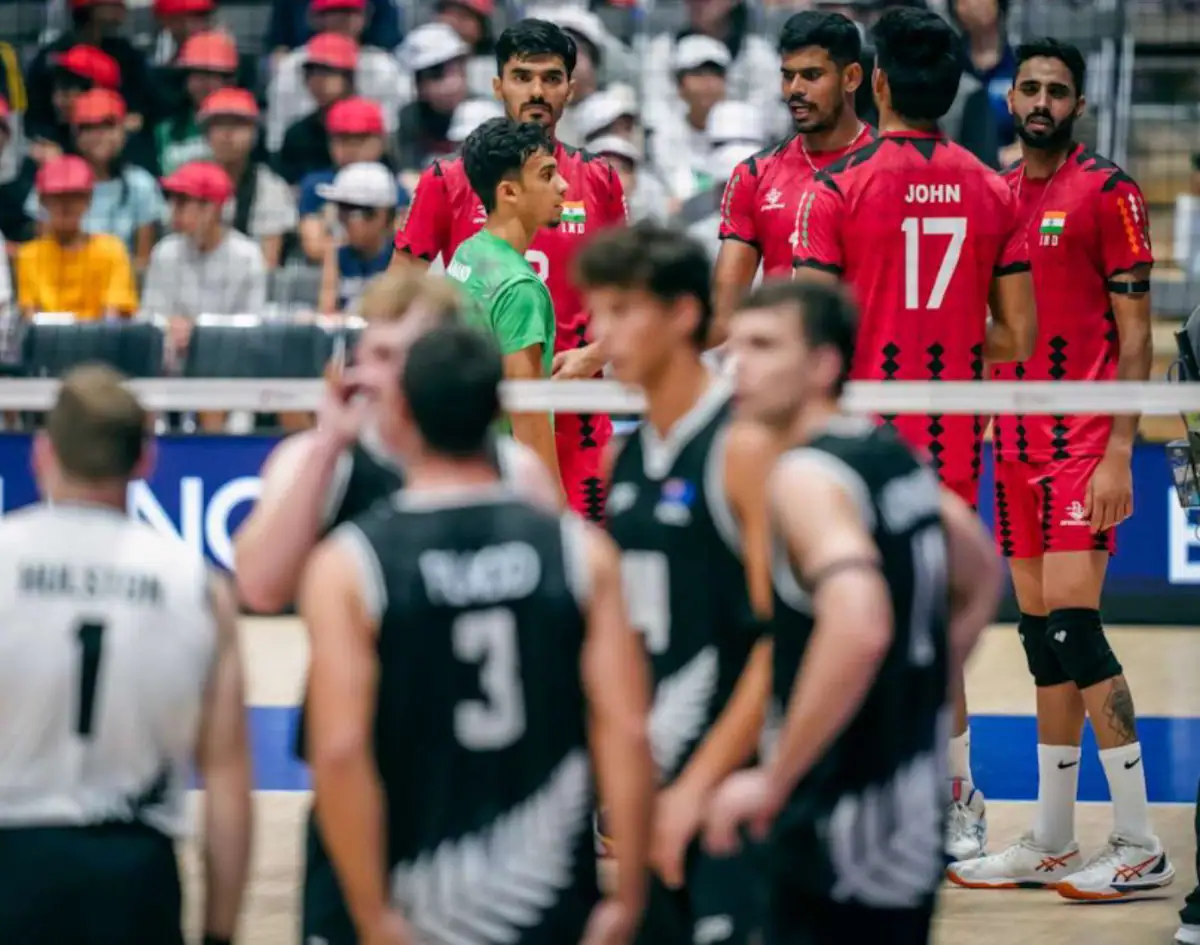
The human cost of this dysfunction became visible in the most public way possible just weeks ago, when senior players Anand K and John Joseph walked out of the national training camp in Ahmedabad in protest. Their complaints were pointed and specific inadequate training facilities, coaching standards they considered unacceptable, the controversial removal of foreign coach Dragan Mihailovic, and what they described as unscientific and unprofessional training methods. They privately emailed the Indian Olympic Association to raise these concerns, only to reportedly be told to apologise and deny that multiple complaint emails had been sent. Both players refused, even at the risk of being banned. The VFI has denied pressuring them, but the fact that senior national team players felt compelled to take such a drastic step speaks volumes about the conditions within the programme.
The timing of the FIVB's intervention carries particular urgency. From June 20 to 28, Ahmedabad is scheduled to host the Asian Volleyball Confederation Men's Cup at the Veer Savarkar Sports Complex in Naranpura, with twelve nations expected to compete. India hosting a major continental event while its national federation has had its recognition revoked is an uncomfortable reality one that the Steering Committee must address with considerable speed and efficiency if India is to present itself as a credible host and competitive participant.
The path forward is demanding but not without hope. The FIVB's decision to install a competent, internationally-supported oversight structure rather than simply penalise Indian volleyball into isolation suggests a genuine desire to see the sport recover and grow in one of the world's most populous nations. The Steering Committee's priorities athlete welfare, transparent governance, merit-based selection, structural reform are the right ones. Whether they can be delivered in time to stabilise Indian volleyball before the Asian Cup, and built upon in the years that follow, will determine whether this crisis becomes the turning point the sport so desperately needs.
For India's volleyball players, who have endured years of mismanagement through no fault of their own, the hope is that accountability has finally arrived. For Indian volleyball as an institution, the reckoning is long overdue.
Comments (0)
to post comments, replies, and votes.
Loading comments…