Gen-Z Serves: India’s Under-13 & Under-12 Sensations Taking Tennis by Storm
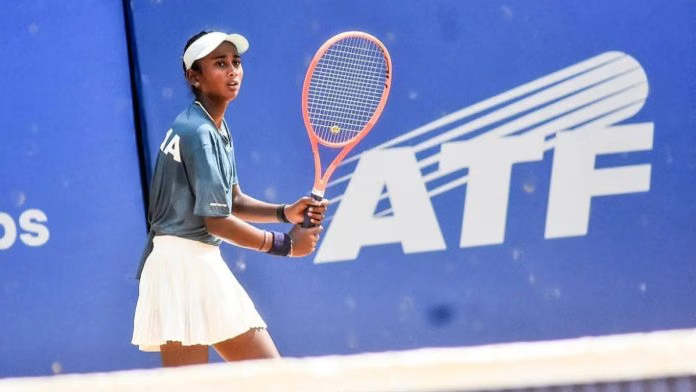
Srishti Kiran’s world No. 1 rise headlines a thrilling wave of U-12 and U-13 talents rewriting India’s tennis future with skill, grit and joy.
Srishti Kiran’s world No. 1 rise headlines a thrilling wave of U-12 and U-13 talents rewriting India’s tennis future with skill, grit and joy.
Gen-Z Serves: India’s Under-13 and Under-12 Sensations Taking Tennis by Storm. There’s something electric about watching a kid barely tall enough to see over the net unleash a serve that rattles the opponent. In Indian tennis courts these days, that spark isn’t rare anymore; it's becoming the norm. While the seniors grab headlines with occasional breakthroughs, a quiet revolution is happening in the under-12 and under-13 brackets.
These Gen-Z kids, born around 2012-2014, are racking up titles, climbing global rankings, and making veterans sit up and take notice. It’s not just talent; it’s the perfect storm of better coaching, parental grit, and that fearless energy only preteens seem to possess.
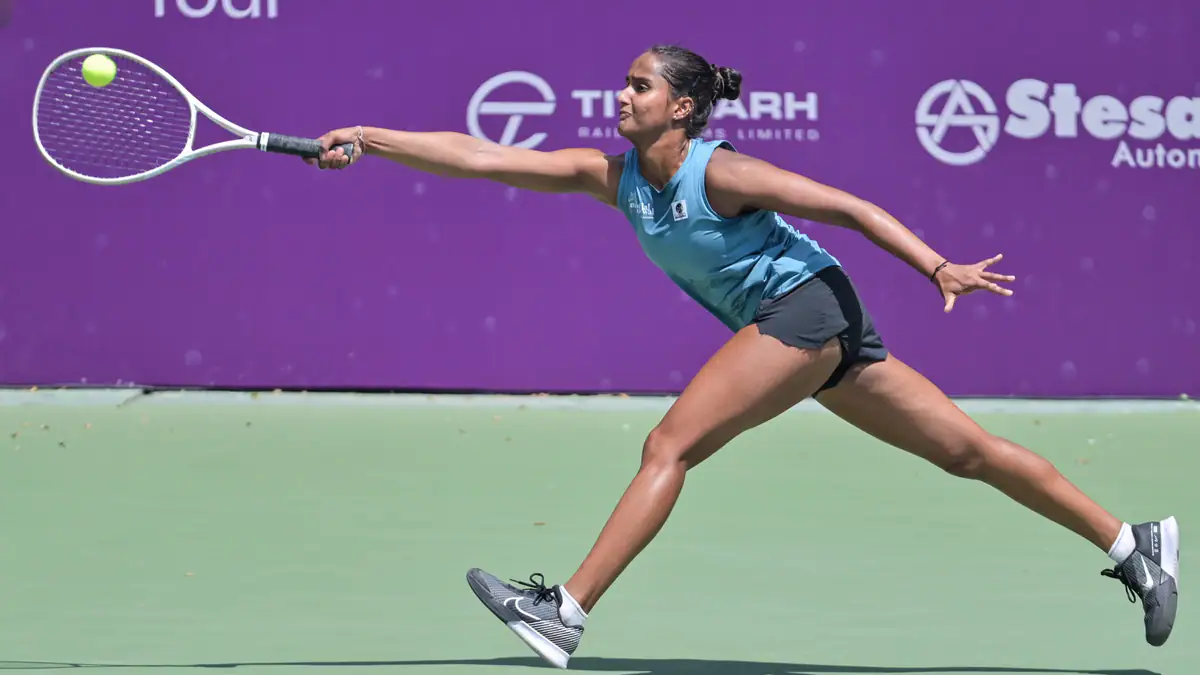
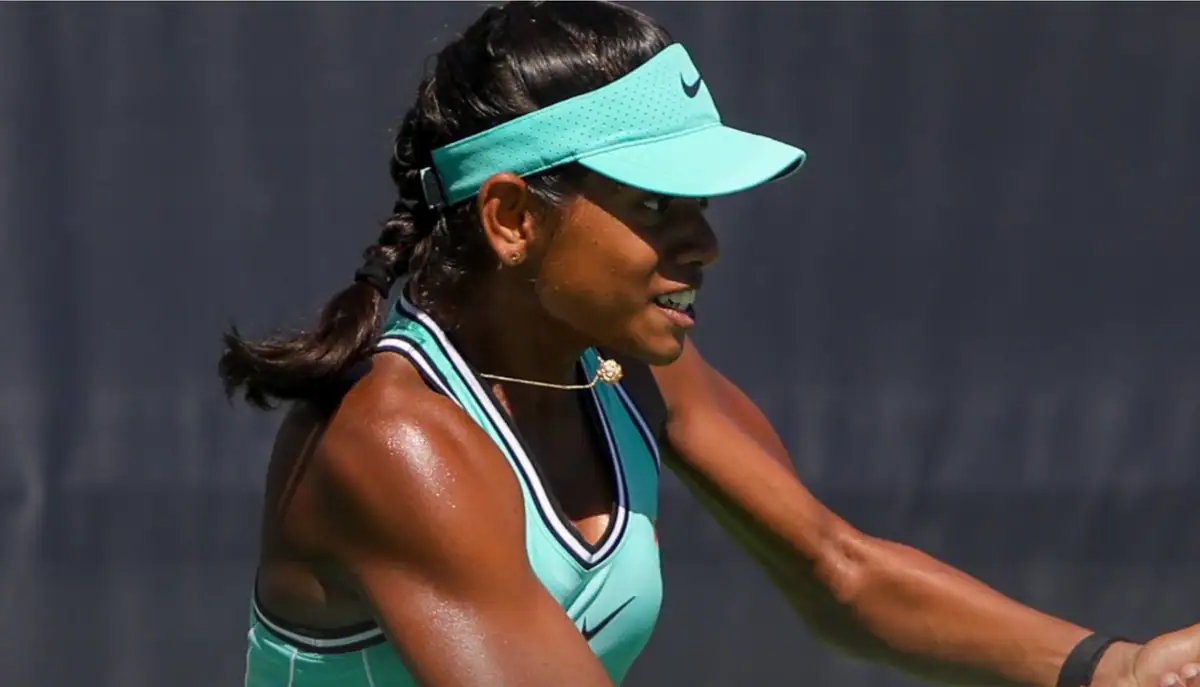
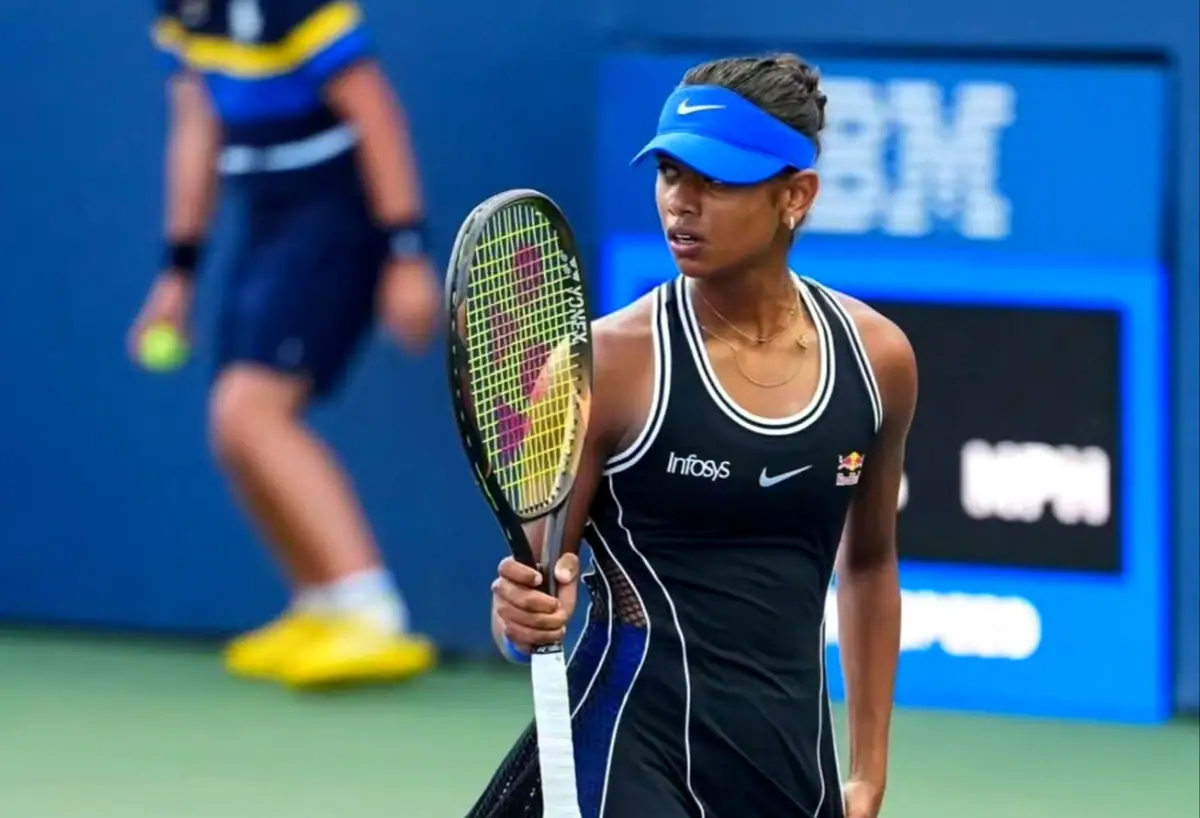
Leading the charge is 13-year-old Srishti Kiran from Bengaluru. If you haven’t heard her name yet, you will soon. She recently became the world’s top-ranked player in the Under-13 category according to ITF metrics, the highest any Indian has achieved at that level. What makes it special is how she got there: five straight ITF junior titles in a blistering run, followed by a runner-up finish at a J100 event in Guatemala. That propelled her to a career-high combined junior ranking of 357 but, more importantly, cemented her as No. 1 among her age group globally.
Srishti Kiran: From U-10 Prodigy to Junior Wimbledon Hope
Srishti’s story starts like many others' early mornings on local courts, parents shuttling her between school and training. But she stood out early. At just seven, she became the youngest Indian to win back-to-back AITA U-10 national titles. She followed that with success on the global junior tour, including the Dubai Bowl. Her game? Aggressive baseline play mixed with surprising power for her age and a mental toughness that belies her years. Watching her matches, you see clean strokes, smart point construction, and that ability to stay composed when the pressure builds.
What strikes me most is the family sacrifice behind it. Bengaluru’s tennis scene has grown, but it’s still not comparable to academies in Europe or the US. Her parents have juggled work, travel, and endless support, often at personal cost. Srishti has spoken in interviews about balancing studies with tennis, a common thread among these young stars. She’s already qualified for Junior Wimbledon 2026, and the excitement around her is palpable. For a country that’s long waited for the next big female talent after Sania Mirza, Srishti feels like a genuine promise.
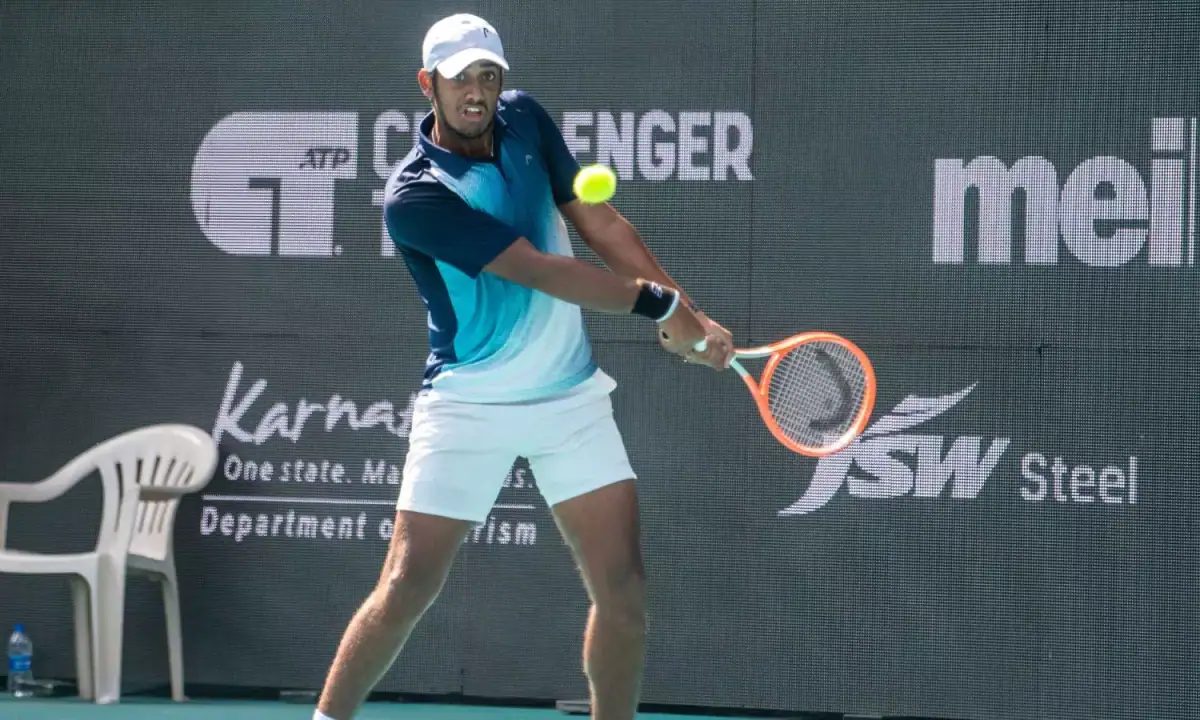
On the boys’ side, names like Riaan Nandankar are lighting up domestic circuits. The 11-year-old from Gujarat sits atop the AITA Under-12 boys rankings with a hefty points lead. His recent national championship wins and strong showings in state and zonal events show a complete game solid serve, good footwork, and the competitive fire that separates winners. Gujarat has produced solid players before, but Riaan’s consistency at such a young age has coaches buzzing.
India’s U-12 Talent Pool and the Gen-Z Tennis Surge
Then there’s Thanush Shekar B C from Karnataka, another top contender in the U-12 mix. He’s had impressive runs, including doubles and singles titles at Asian junior events like the Indore Open. These kids aren’t just winning local trophies; they’re travelling, facing international competition early, and learning to adapt. The All India Tennis Association (AITA) rankings reflect a deep talent pool, with players from Maharashtra, Haryana, and other states also pushing hard. Dhanush SM, Kabir Dahiya, the list of boys grinding it out is long and encouraging.
Why this sudden surge? A few things come to mind. First, infrastructure is slowly improving. More academies, better synthetic courts, and private coaching centres in metros and Tier-2 cities are helping. Second, exposure. These kids are competing in ITF juniors and Asian tournaments much earlier than previous generations.
Social media and streaming mean parents and coaches can study global trends and tailor training. Third, the mindset shifts. Indian parents, once hesitant about sports careers, are now seeing tennis as viable thanks to role models and the potential for scholarships or pro earnings. Take the girls’ side beyond Srishti. Young talents like Evana Arora, already making noise at 11 with strong national and Asian rankings, show the depth. These players are fitter, more tactical, and mentally sharper. Modern training emphasises not just strokes but also nutrition, psychology, and recovery even at 12-13. It’s Gen-Z efficiency meeting old-school Indian perseverance.
Challenges, Momentum and the Road Ahead for India’s Junior Tennis
Of course, challenges remain. Tennis is expensive. International travel and rackets' coaching fees add up quickly. Many families stretch finances thin. Injuries at a young age are a real risk with intense schedules. And the jump from juniors to seniors has tripped up many promising Indians before. The transition requires physical growth, emotional maturity, and sponsorship support that isn’t always there. Yet, the momentum feels different this time. Srishti’s world No. 1 ranking isn’t a one-off; it’s part of a pattern. More Indian juniors are qualifying for prestigious events, and the depth in U-12/U-14 nationals is impressive.
Compare this to a decade ago, and the progress is clear. The tennis ecosystem is benefiting from better funding in some states, corporate interest, and a post-COVID focus on holistic development. I remember chatting with a coach who works with these age groups. He mentioned how these kids consume tennis differently, analysing matches on YouTube, following ATP/WTA stars, and visualising big stages. They have that digital-native confidence. Srishti, for instance, seems unfazed by the spotlight, focusing on the next ball. That attitude is refreshing in a sport full of pressure.
Looking ahead, the big question is sustainability. Can these sensations maintain their edge as they grow? Physical development varies; competition intensifies, and life (school, injuries, and burnout) intervenes. But the signs are promising. Programmes like those from the AITA and private academies are creating better pathways. Exposure trips abroad, wildcard entries, and junior Grand Slams are within reach for the top performers. For Indian tennis fans, this wave brings hope.
Gen-Z Kids Powering India’s Tennis Future
We’ve had flashes of Leander Paes and Mahesh Bhupathi in doubles, Sania’s magic, and the occasional ATP challenger wins. But consistent depth, especially in women’s singles and younger boys, has been missing. These under-12 and under-13 kids could change that narrative. Imagine a future where multiple Indians feature in junior Slams regularly and then transition smoothly to the main tour. It’s easy to get carried away with hype, but tempering it with realism is important.
Not every prodigy becomes a superstar. What matters is creating a system where many get the chance to succeed. These sensations are already inspiring younger siblings and neighbourhood kids to pick up rackets. Courts in Bengaluru, Ahmedabad, Chennai, and Delhi are busier with tiny servers dreaming big. In the end, tennis at this level is as much about joy as results.
The pure thrill of hitting winners, the friendships formed across nets, the lessons in resilience. Srishti Kiran lifting trophies, Riaan Nandankar dominating nationals these moments capture that magic. They remind us that India’s sporting story is evolving, one powerful forehand at a time. As these Gen-Z stars serve up aces on the global stage, one thing is clear: Indian tennis isn’t waiting for the future anymore. It’s already here, bouncing with energy in the hearts and rackets of kids who refuse to be overlooked. Keep an eye on them. The storm is just beginning.
Comments (0)
to post comments, replies, and votes.
Loading comments…