Learn about the India Doping Crisis, global standings, NADA and WADA roles, drug testing steps, athlete passports, and new sports anti-doping regulations.
Global Standings of India in Doping Violations
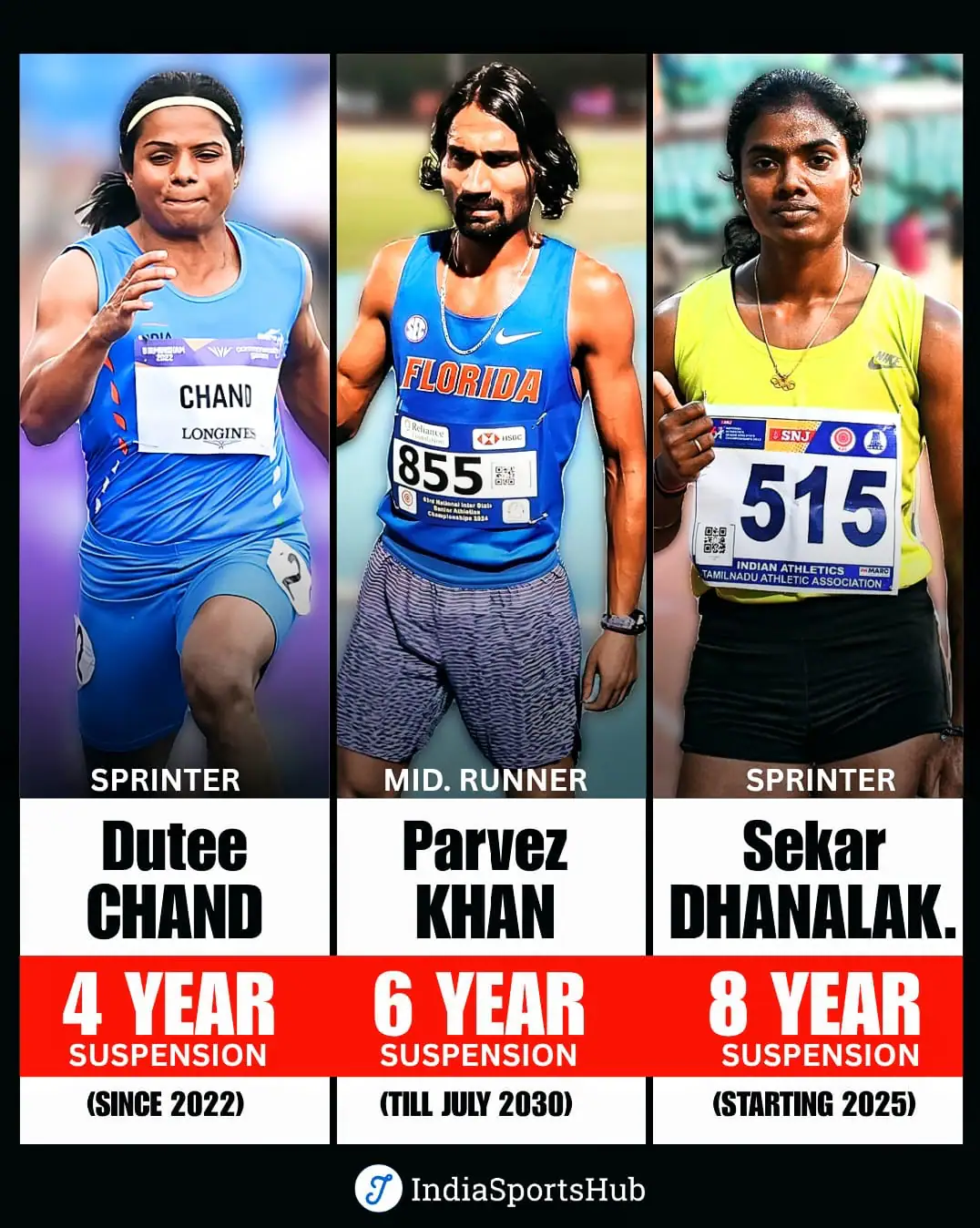
India currently faces an intense sports integrity crisis and has been ranked as the worst doping offender globally for three consecutive years. The World Anti Doping Agency annual report for 2024 revealed that Indian athletes accounted for a record 260 adverse analytical findings from 7,113 samples. This corresponds to a positivity rate of 3.6 %, representing the highest rate among all countries that conducted 5,000 or more tests. By comparison, other major sports nations recorded much lower positivity rates, such as China with a 0.2 % rate, France with 0.8 %, and Russia with 0.7 %. Although preliminary data for 2025 showed a decline to 110 positive cases, the deep systemic nature of the problem remains a major concern. Furthermore, the Athletics Integrity Unit ranks India at the very top of its global list of dope offenders with 162 individuals serving bans, ahead of Kenya with 148 names and Russia with over 60 cases. This poor record led World Athletics to place the country in Category A, which imposes the most stringent testing and regulatory requirements on national athletes.
Most Affected Sports and Common Substances
The doping issue in India is heavily concentrated within a few physical disciplines. In 2024, the highest number of positive cases was recorded in athletics with 76 violations, followed by weightlifting with 43, wrestling with 29, powerlifting with 17, and kabaddi with 10 cases. Bodybuilding, judo, and wushu also reported multiple cases. When analyzing the %age of positive tests within sports where more than 50 samples were analyzed, powerlifting was the most compromised discipline with a positive rate of 31.48 %. Wrestling recorded a 7 % positive rate, weightlifting stood at 6.48 %, kabaddi at 5.52 %, and athletics at 4.08 %. Recently, there has been a sharp surge in the abuse of stanozolol, an anabolic steroid, among track athletes, rowers, and weightlifters, leading to a wave of provisional suspensions for national stars.
Source: Instagram
The Roles of WADA and NADA
To preserve clean competition, the global sports movement established a coordinated system of governance. The World Anti Doping Agency, cofounded in 1999, functions as the independent international authority. It publishes the World Anti-Doping Code to harmonize rules across all sports and updates the prohibited list of substances annually. At the national level, the National Anti-Doping Agency, established in 2005, executes these mandates within India. NADA is responsible for coordinating test distribution planning, carrying out sample collection, managing test results, and organizing educational campaigns such as the Play True initiative to cultivate a clean sporting culture.
Testing Timelines and Collection Protocols
Antidoping tests are generally conducted during two main phases. In competition, testing refers to sample collection from an athlete participating in a sporting event, commencing at 11:59 p.m. on the day before they compete until the event and its associated collection process conclude. Out of competition testing can occur at any place and any time of the year without any prior notice to the athlete. During the collection process, a doping control officer of the same gender as the athlete notifies them and maintains continuous visual observation. The athlete selects a tamper-evident kit and provides either a blood sample or a urine sample of at least 90 milliliters. This sample is split into A and B bottles, sealed securely, and sent under a strict chain of custody to a laboratory accredited by the World Anti-Doping Agency.
Procedural Steps Following a Positive Test
Once an athlete tests positive, a systematic sequence of steps is triggered under results management rules. First, NADA conducts an initial review to confirm if the athlete has an approved therapeutic use exemption for the substance or if there was a departure from international laboratory standards. If no justification is found, NADA notifies the athlete and imposes an immediate provisional suspension. The athlete is given seven days to request the testing of the B sample. If the B sample is negative, the entire charge is dismissed. If the B sample is positive, the case goes to a formal hearing before the independent Anti-Doping Disciplinary Panel, which reviews the evidence and defense claims before issuing a sanction, which can range from a simple warning to a multi-year ban. If dissatisfied, the athlete has 21 days to file an appeal before the Anti Doping Appeal Panel. The final level of appeal lies internationally with the Court of Arbitration for Sport in Switzerland.
The Utility and Purpose of the Athlete Biological Passport
The athlete biological passport is an extremely valuable tool in modern anti doping efforts. Its fundamental purpose is to monitor selected biological variables over time to indirectly reveal the physiological effects of doping, rather than trying to detect a specific substance. By creating an individual electronic record, it establishes a personalized baseline for each athlete. The hematological module monitors markers of blood manipulation, such as hemoglobin and red blood cells, which is highly useful for spotting blood transfusions or erythropoietin abuse. Meanwhile, the steroidal module analyzes steroid profiles in urine to detect the use of synthetic anabolic agents. This biological passport is vital because it acts as a strong deterrent, guides targeted testing toward suspicious profiles, and serves as indirect proof of violations even when new designer drugs escape traditional tests.
The government of India recently brought the National Anti Doping Act 2022 and the National Anti Doping Amendment Act 2025 into force to establish a clean sports ecosystem. This statutory regulation provides a strong legal foundation that aligns India with the World Anti Doping Code and its obligations under the UNESCO International Convention against Doping in Sport. The legislation elevates NADA and the national testing laboratory to statutory bodies, mandating WADA accreditation for all domestic labs. Importantly, the 2025 amendment guarantees the absolute operational independence of NADA and its director general from sports federations and government departments. This ensures that testing, investigations, and results management are conducted fairly without any external interference or conflict of interest, enhancing the global credibility of Indian sports.
Enjoyed this story? A small contribution helps us cover more of Indian sport.₹200+ unlocks 1 year Premium · tap anywhere to paySupport · ₹501