India Eyes Another Top-Five Commonwealth Games Finish Despite Reduced Medal Opportunities in Glasgow
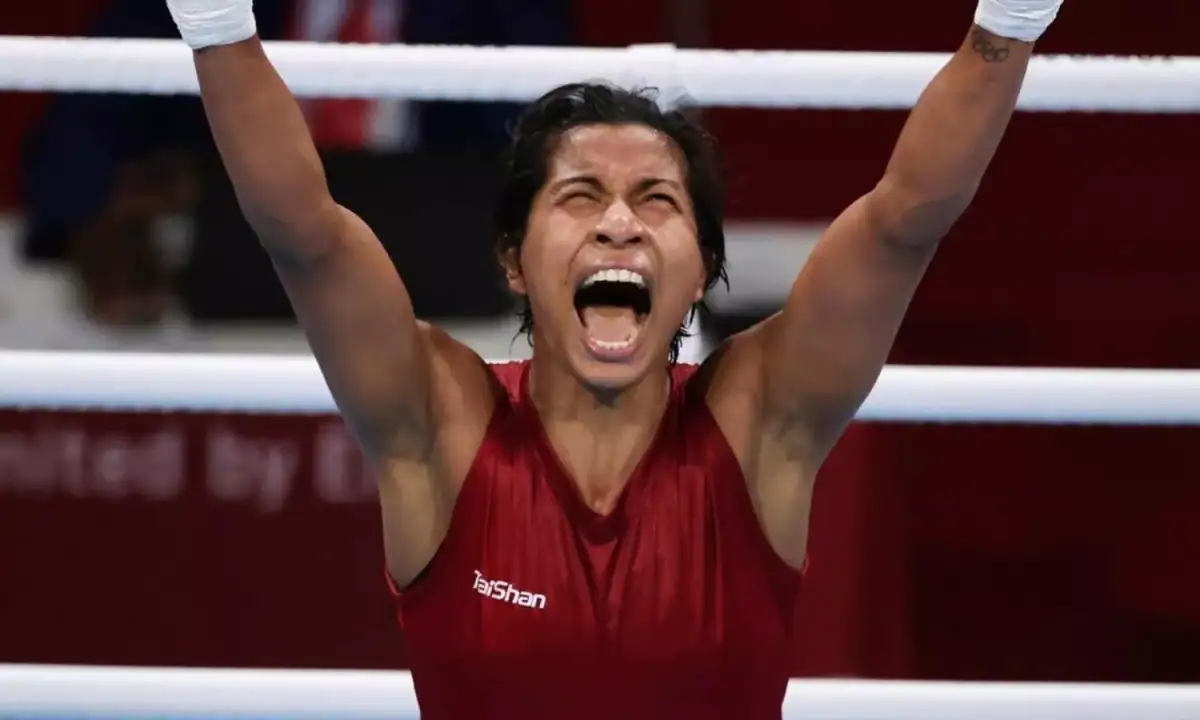
India begins its Glasgow 2026 Commonwealth Games campaign with hopes of another top-five finish, led by athletics, boxing and weightlifting.
The 2026 Commonwealth Games officially get underway in Glasgow on Thursday, marking the beginning of a unique edition that will test both the resilience of the Games and the ambitions of participating nations.
For India, the challenge is twofold maintaining a remarkable streak of top-five finishes despite a drastically reduced sports programme, while adapting to a medal landscape significantly different from previous editions.
With only 10 sports featuring in Glasgow 2026, compared to the far larger programme in Birmingham four years ago, India's medal prospects have inevitably been affected. Yet, a strong contingent in athletics, boxing and weightlifting offers hope that the country can once again establish itself among the Commonwealth's leading sporting nations.
The road to Glasgow has been anything but straightforward. The Games were plunged into uncertainty in 2023 when the Australian state of Victoria withdrew as host, citing escalating costs that made staging the event financially unviable. With the future of the Commonwealth Games hanging in the balance, Glasgow stepped in to rescue the event.
Having successfully hosted the Games in 2014, the Scottish city agreed to organise the 2026 edition using a radically different model.
Instead of building new infrastructure, organisers have relied entirely on existing venues, reducing the overall budget to approximately £160 million almost 60 percent lower than Birmingham 2022. Around 3,000 athletes from 74 Commonwealth nations and territories will compete across 10 sports at just four competition venues, making this the smallest Commonwealth Games in more than three decades.
The streamlined format has also maintained a strong commitment to inclusivity, with para events integrated into six sports, continuing the Games' tradition of promoting equal competition.
No nation has been affected more by the trimmed sports programme than India. Since Manchester 2002, India has consistently finished among the top five nations in the overall medal standings, establishing itself as one of the Commonwealth's strongest sporting countries.
However, replicating that success in Glasgow will be considerably more challenging. The exclusion of wrestling, badminton, table tennis and shooting has significantly reduced India's traditional medal opportunities.
Those four sports alone contributed 25 of India's 61 medals at the Birmingham 2022 Commonwealth Games, including several gold medals that helped the country secure fourth place in the final standings. Without those disciplines, India's campaign will depend heavily on a smaller group of Olympic sports capable of delivering podium finishes.
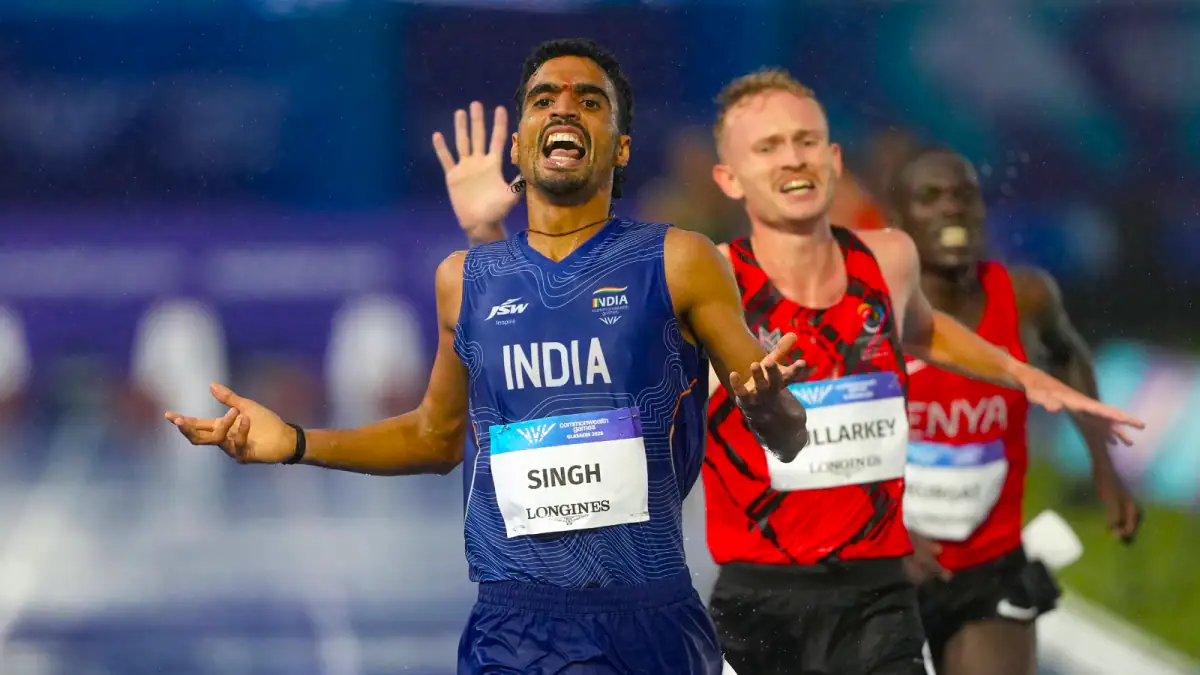
Athletics will shoulder much of India's medal expectations. India has fielded the maximum permitted 32-member athletics squad, making it the country's largest contingent in Glasgow. The team will compete across 22 medal events, offering multiple opportunities to contribute to the overall medal tally.
Leading the squad is Neeraj Chopra, who enters the Games under unusual circumstances. For perhaps the first time in a major championship, the two-time Olympic medallist is not the overwhelming favourite in the men's javelin throw. Sri Lanka's Rumesh Tharanga arrives in outstanding form after producing a sensational 92.62m throw to win the Rome Diamond League, while Pakistan's reigning Olympic champion Arshad Nadeem also remains one of the strongest contenders.
Even so, Chopra's consistency at major championships ensures he remains among India's biggest medal hopes.
Beyond the javelin, India will look towards Sarvesh Kushare in the high jump, Murali Sreeshankar in the long jump and Praveen Chithravel in the triple jump to challenge for podium finishes.
The men's and women's 4x400m relay teams are also expected to be among India's strongest medal prospects after years of steady progress on the international circuit. Although India collected eight athletics medals in Birmingham, matching that total against a stronger field will require several athletes to produce personal-best performances.
Weightlifting has traditionally been one of India's most successful Commonwealth sports, and much of that responsibility once again rests on Mirabai Chanu. The Olympic silver medallist is aiming for a third consecutive Commonwealth Games gold medal, adding another chapter to her remarkable international career.
Few Indian athletes possess Mirabai's consistency on the global stage, making her one of the country's safest medal bets. However, India's weightlifting squad has been significantly reduced.
Following a series of positive doping cases involving national campers earlier this year, the Indian contingent has been limited to just 11 lifters, reducing the number of medal opportunities available in a discipline that has consistently delivered for India.
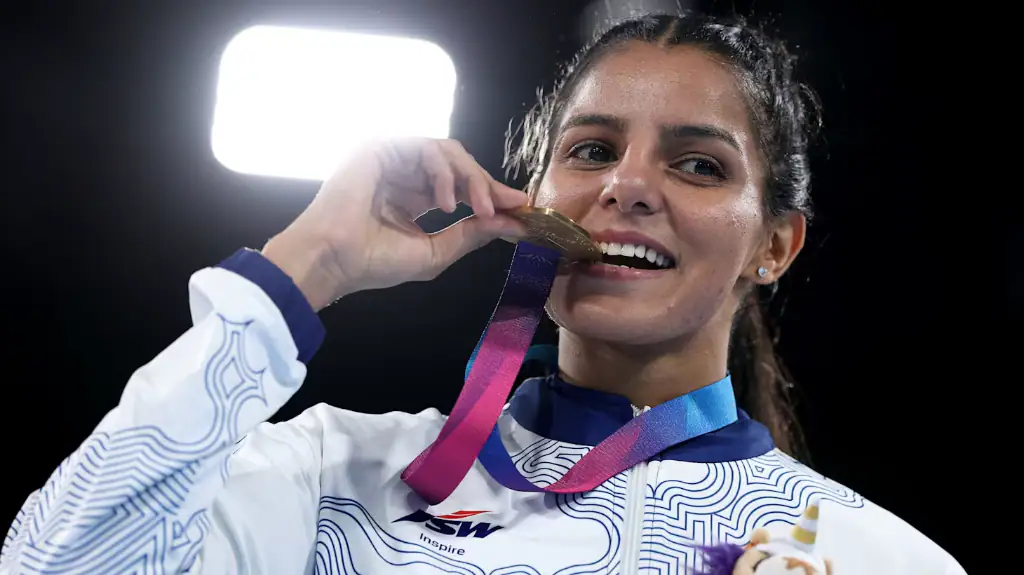
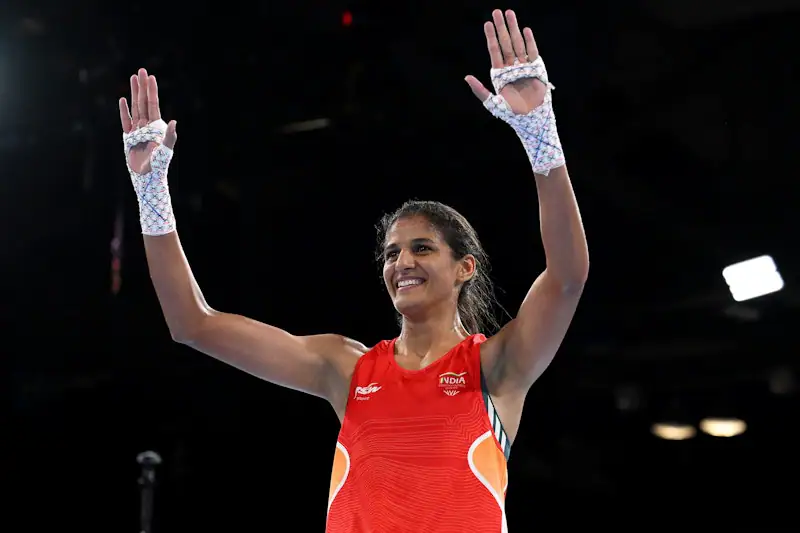
Boxing is expected to provide another major source of medals. Olympic bronze medallist Lovlina Borgohain enters the Games seeking the only major title missing from her collection. Joining her is Jaismine Lamboria, the reigning world champion in the 57kg category, who will be aiming to improve on the bronze medal she won in Birmingham. India's women's squad also features Asian champion Preeti Pawar, Sakshi Chaudhary and Arundhati Choudhary, all of whom possess genuine medal credentials.
In the men's competition, experienced heavyweight Narender Berwal and World Cup medallist Sachin Siwach will lead India's challenge. Given the strength and depth of the squad, boxing could once again emerge as one of India's highest medal-producing sports.
Beyond the three headline sports, India will rely on several disciplines to strengthen its medal tally. The lawn bowls team will hope to recreate the success of Birmingham, where the women's fours created history by winning gold while the men's team claimed silver. India's judokas, who secured three medals in the previous edition, will also aim to continue their upward trajectory despite stronger international competition.
Meanwhile, India's para athletes are expected to play a significant role, with para events now fully integrated into the Commonwealth Games programme.
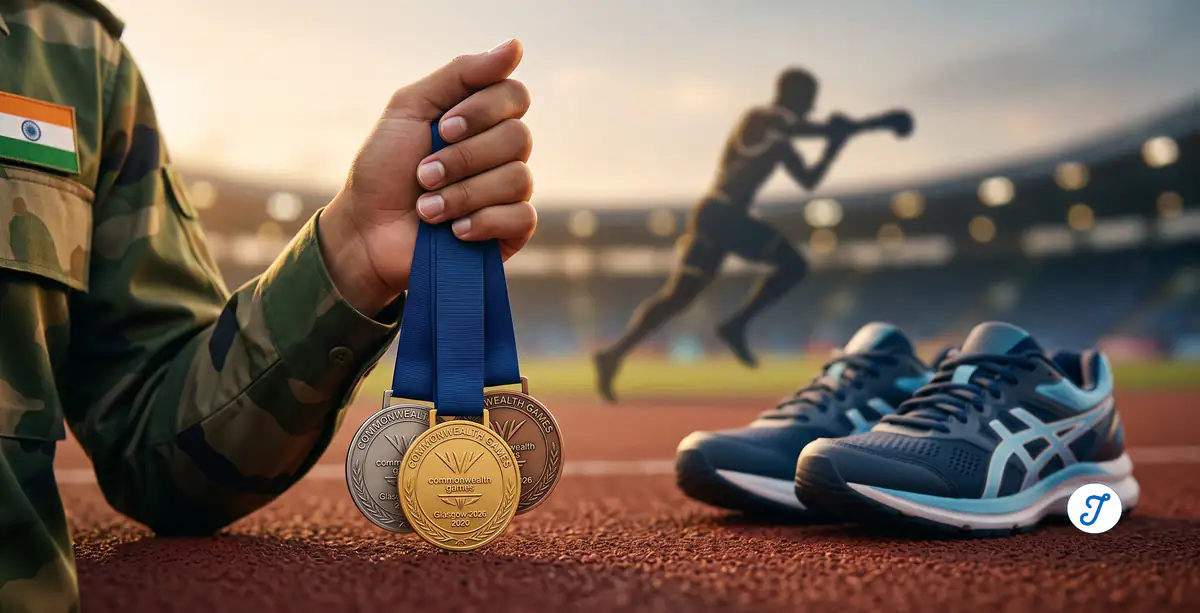
Glasgow 2026 may lack the scale and spectacle of previous Commonwealth Games, but it presents a different kind of challenge for both organisers and participating nations. For India, success cannot simply be measured by matching Birmingham's haul of 61 medals. The reduced programme makes that virtually impossible.
Instead, the objective is clear continue the country's remarkable run of finishing among the top five nations, despite fewer medal events and the absence of several traditional strongholds.
Led by world-class athletes such as Neeraj Chopra, Mirabai Chanu and Lovlina Borgohain, supported by a new generation of medal contenders across athletics, boxing, weightlifting and para sport, India enters Glasgow with realistic ambitions of once again proving its growing strength across Olympic disciplines.
If the country's leading stars deliver on expectation and emerging athletes rise to the occasion, India could yet preserve one of the most consistent records in Commonwealth Games history.
Comments (0)
to post comments, replies, and votes.
Loading comments…