India Face Bangladesh With a Final Spot in Sight in Women’s Asia Cup Semifinal
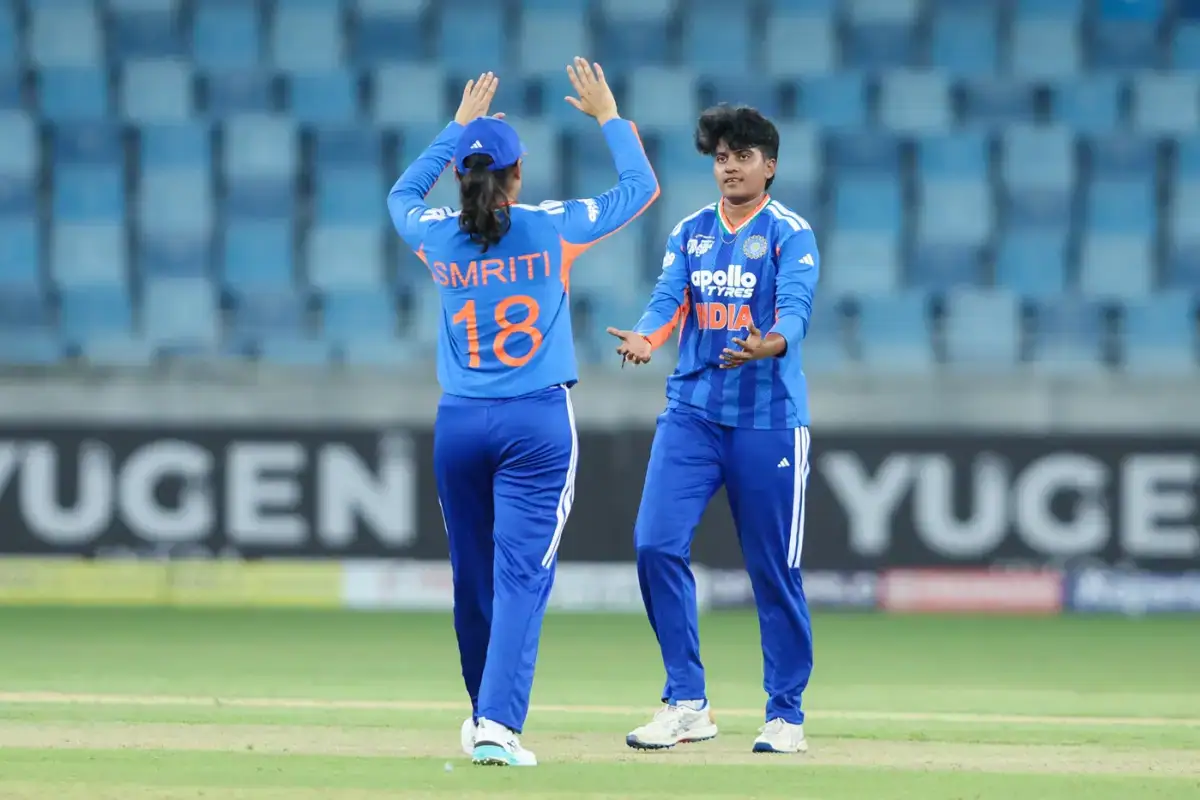
India face Bangladesh in the Women’s Asia Cup 2026 semifinal as Harmanpreet Kaur’s side look to continue their unbeaten run and move closer to an eighth continental title.
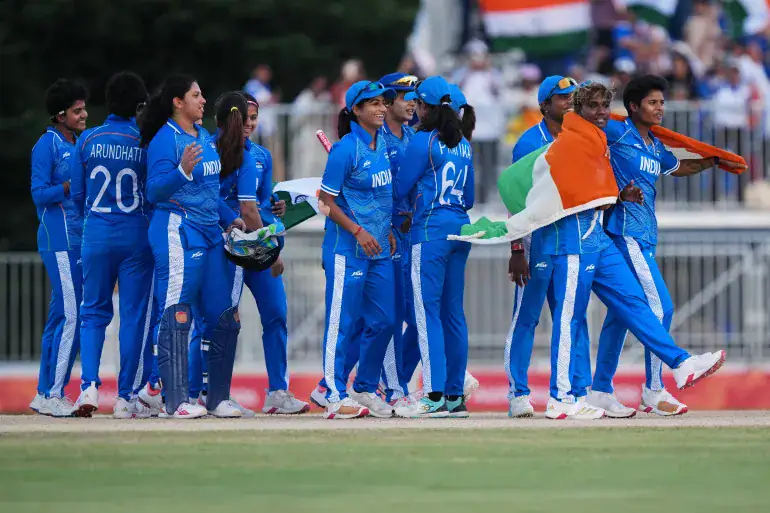
India enter the Women’s Asia Cup 2026 semifinal against Bangladesh with momentum, depth and history firmly on their side. After an unbeaten group-stage campaign, the seven-time champions now stand two wins away from adding another continental trophy to their collection.
The first hurdle is Bangladesh, who have earned their place in the last four through a mixture of resilience and determination. The semifinal will therefore present contrasting narratives: India arrive as the tournament's dominant force, while Bangladesh will look to turn their fighting qualities into a major upset.
For Harmanpreet Kaur and her team, however, the objective remains straightforward: win and move into the final.
India have looked increasingly comfortable as the tournament has progressed. Their Group A campaign ended with a perfect record, with the team combining aggressive batting with a varied bowling attack. The standout performance came against Pakistan, when India dismissed their rivals for just 55 before completing a seven-wicket victory.
That result underlined the gap India has been able to create when their major strengths come together.
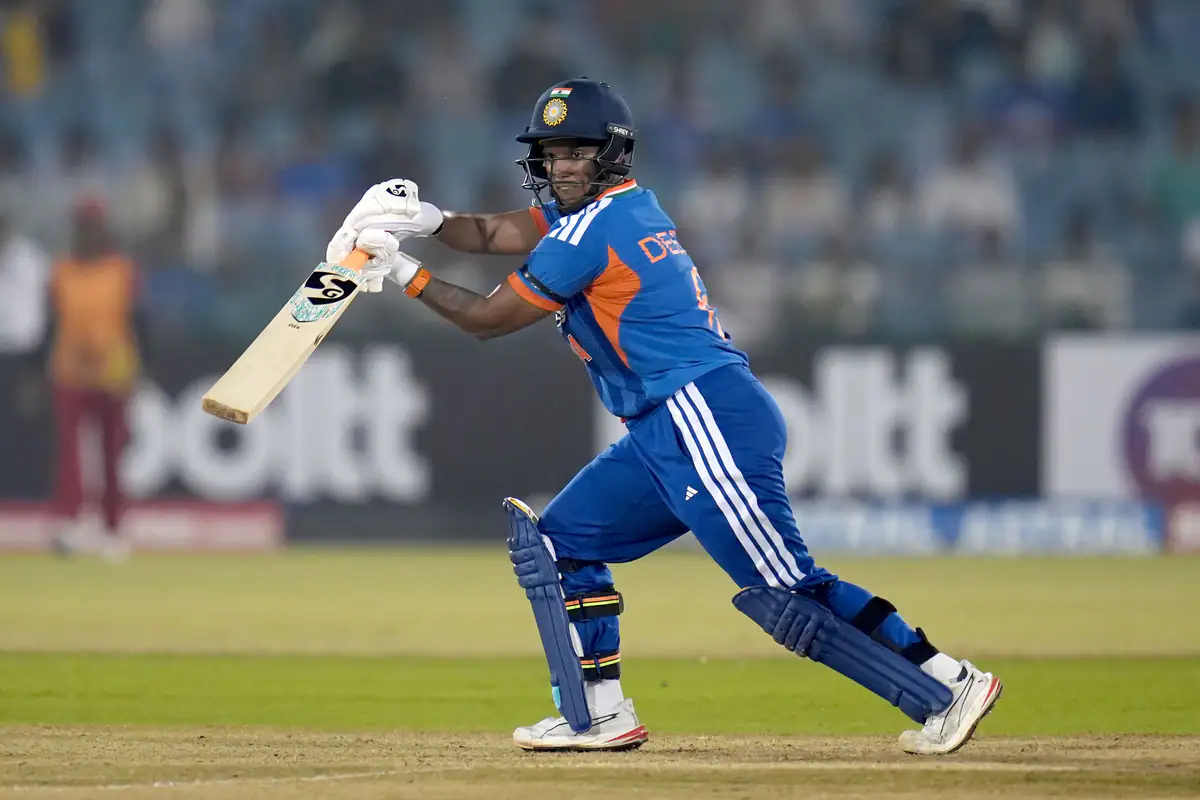
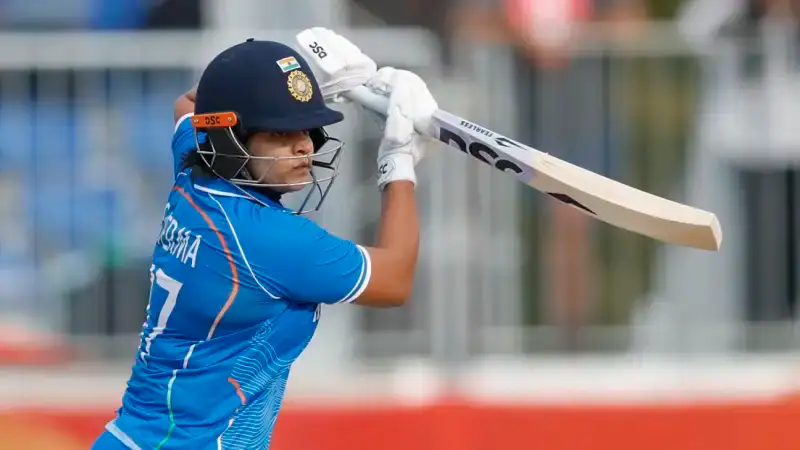
Their batting lineup has also offered multiple routes to a big score. Smriti Mandhana remains one of the central figures. The left-hander has carried excellent confidence into the knockout stage, most notably producing a sensational 124 from 64 balls against Hong Kong.
That innings was a reminder of how quickly Mandhana can take a game away from an opposition. If Bangladesh allows her time at the crease, the semifinal could become a long evening for their bowlers.
At the other end, Shafali Verma provides a completely different challenge.
The explosive opener has continued to give India fast starts and recently became the youngest and fastest player to reach 3,000 runs in Women's T20 Internationals. Her ability to attack inside the PowerPlay gives India an immediate advantage and puts pressure on opposing captains from the opening overs.
Even if Bangladesh manages to break through India's opening partnership, the challenge does not disappear. Harmanpreet brings experience and power into the middle order, while Richa Ghosh provides another aggressive option with the bat. That depth means India does not need one individual to carry the innings. Different players have the ability to influence the game depending on the situation.
The same is true with the ball.
Deepti Sharma remains one of India's most dependable performers and enters the semifinal after establishing herself as the leading wicket-taker in women's T20 internationals. Her ability to control the middle overs could be particularly important against a Bangladesh batting lineup that has shown vulnerability during the tournament.
Shree Charani adds another dimension with her variations, giving India further control when conditions favour spin. The challenge for Bangladesh will therefore be to prevent India from settling into their preferred rhythm.
Bangladesh's route into the semifinal has been less straightforward. Nigar Sultana's side booked its place in the final four after defeating the UAE by 34 runs, but the victory exposed some of the concerns surrounding their batting. Bangladesh slipped to 55 for six before Sharmin Akhter and Nigar Sultana helped stabilise the innings.
The recovery was valuable, but against India, Bangladesh may not have the luxury of another prolonged collapse. Their top order will need to contribute substantially if they are to put India under genuine pressure. The bowling unit could consequently become the team's most important weapon.
Rabeya Khan, Nahida Akter and Marufa Akter will have the responsibility of restricting India's aggressive batters and preventing the game from running away during the PowerPlay. Discipline will be crucial.
India's batting lineup thrives on pressure and scoring momentum, and loose deliveries are likely to be punished.
Can Bangladesh disrupt India’s rhythm?
On paper, the semifinal appears heavily tilted towards India. Their unbeaten record, batting depth and bowling variety make them clear favourites. The historical record is also firmly in India's favour, with the team having won the Women's Asia Cup seven times.
But knockout cricket has a way of changing the equation. One outstanding spell can alter a match. One partnership can transform a chase. One poor PowerPlay can put even a dominant team under pressure. Bangladesh's best chance may therefore lie in making India uncomfortable early.
If their bowlers can remove Mandhana and Shafali before they establish themselves, the pressure will shift towards India's middle order.
With the ball, Bangladesh will need to keep the scoreboard under control rather than simply searching for wickets. India's depth means there is little benefit in chasing breakthroughs at the expense of conceding boundaries.
For India, this semifinal represents another step towards what would be an eighth Women's Asia Cup title. The team's performances so far have created expectations, but Harmanpreet's side will know that reputation counts for nothing once the knockout match begins. The task is to reproduce the consistency that carried them through the group stage while avoiding the complacency that can accompany being the overwhelming favourite.
Bangladesh, meanwhile, has nothing to lose. They have already navigated their way into the final four and now face the biggest challenge of their campaign. A disciplined bowling performance, a strong start with the bat and the ability to handle India's pressure could give them an opportunity to make the contest considerably closer than the pre-match expectations suggest.
India remains the obvious favourite. But the semifinal has to be won on the field, not on paper.
With a place in the final at stake, both teams now have 20 overs to turn their tournament into something memorable for India, another step towards continental supremacy; for Bangladesh, a chance to produce one of the competition's biggest surprises.
Comments (0)
to post comments, replies, and votes.
Loading comments…