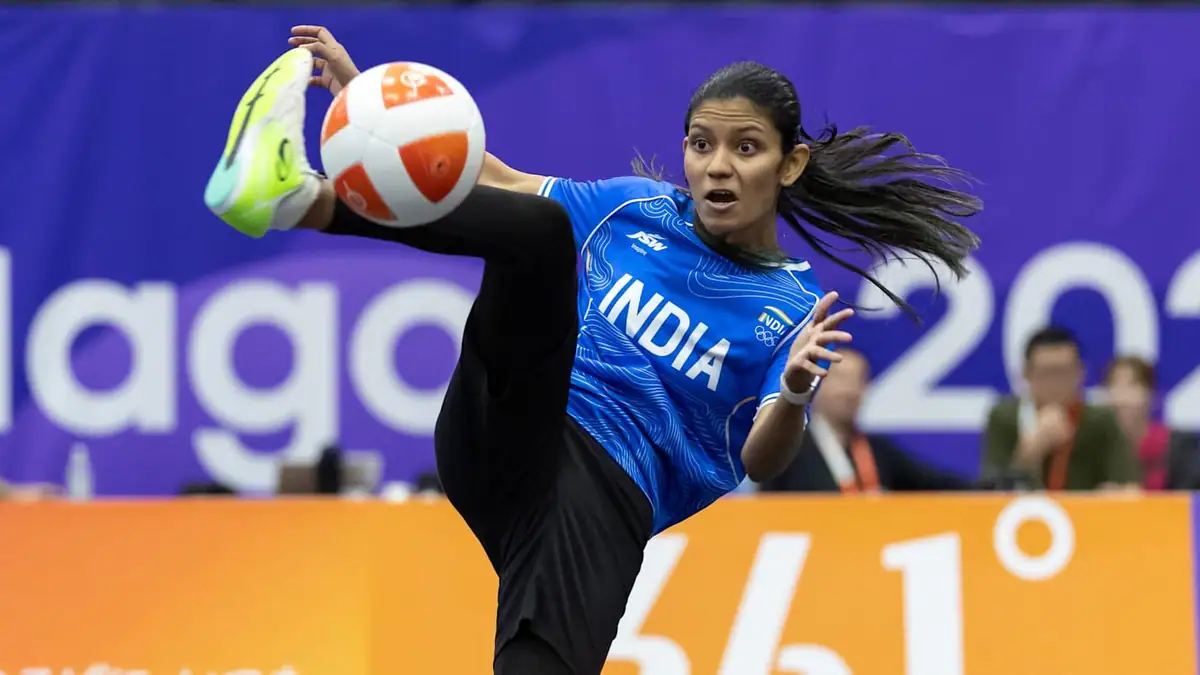
India’s Asian Games Gold Medal Legacy: Can India Add More Gold in Aichi-Nagoya 2026?
India’s Asian Games journey has produced 183 gold medals across 19 completed editions, placing the country fifth on the all-time Asian Games gold medal table. Ahead of the Aichi-Nagoya 2026 Asian Games, India sits behind China, Japan, South Korea and Iran, but the gap to fourth-placed Iran is only nine gold medals.
The historical numbers underline both India’s long-standing presence at the continental event and the significant acceleration in its medal-winning performance in recent editions.
China leads the all-time gold medal standings with 1,674 golds, followed by Japan with 1,084 and South Korea with 787. Iran occupies fourth place with 192 gold medals, while India has 183. India’s complete medal tally stands at 183 gold, 238 silver and 357 bronze medals, giving the country 778 medals overall. The numbers place India fifth in Asian Games history in both gold-medal and overall-medal terms.
India was also the host of the inaugural Asian Games in New Delhi in 1951, finishing second overall with 15 gold medals. The following decades were considerably more challenging. At the 1990 Beijing Asian Games, India won just one gold medal and finished 11th in the medal table. Between 1994 and 2014, India's gold-medal haul generally remained between four and 14 per edition.
That trajectory began to change significantly in the last decade.
From 14 Golds to 28
India won 14 gold medals at Guangzhou 2010, followed by 11 at Incheon 2014. The 2018 Jakarta-Palembang Games brought a rise to 16 gold medals. The biggest jump came at the Hangzhou Asian Games, held in 2023 after being postponed from 2022. India won 28 gold medals, alongside 38 silver and 41 bronze medals, for a reported total of 107 medals before a subsequent revision following a retroactive anti-doping sanction in boxing. The gold tally of 28 remained unchanged.
The 28-gold haul was particularly significant because it more than doubled India's 2014 total and represented a substantial increase from the 16 golds won in 2018.
India’s recent gold-medal growth has been driven by a combination of established sports and emerging medal-producing disciplines. At Hangzhou, shooting, athletics and archery contributed 18 of India’s 28 gold medals, accounting for more than 64 percent of the country's gold-medal tally. Athletics remains India's biggest historical contributor, with 85 Asian Games gold medals since 1951. At Hangzhou, Indian athletes won six gold medals, including titles for Avinash Sable, Tajinderpal Singh Toor, Parul Chaudhary, Annu Rani and the men's 4x400m relay team.
Shooting has also become one of India's most productive disciplines. Indian shooters won seven gold medals at Hangzhou, along with nine silver and six bronze medals.
Archery produced another landmark performance. India swept all five compound archery gold medals at Hangzhou, with Jyothi Surekha Vennam and Ojas Deotale among the individual champions.
Team Sports Add to India’s Gold Opportunities
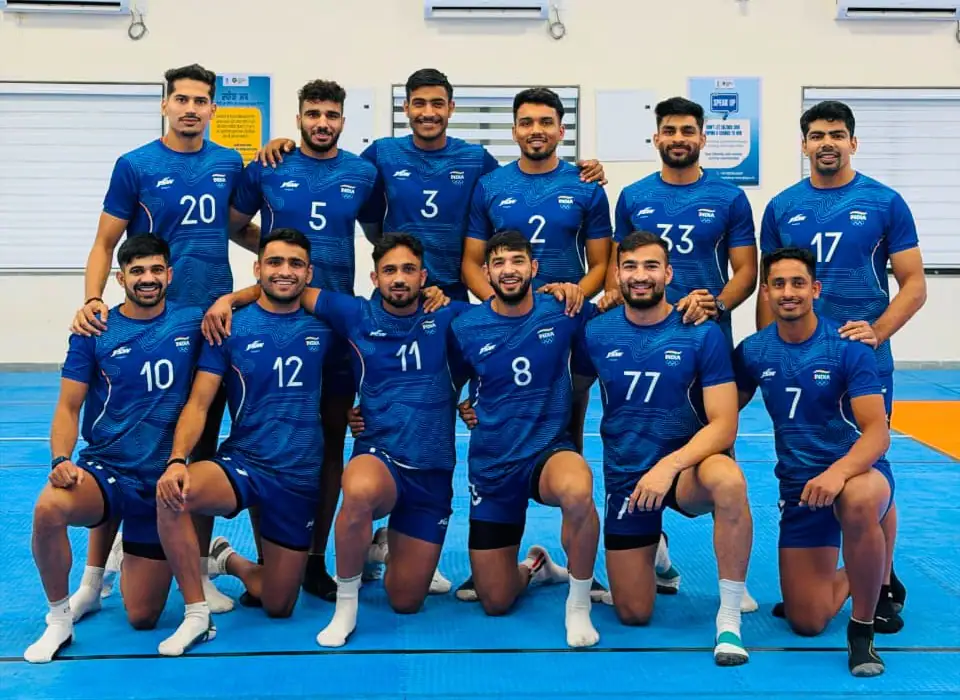
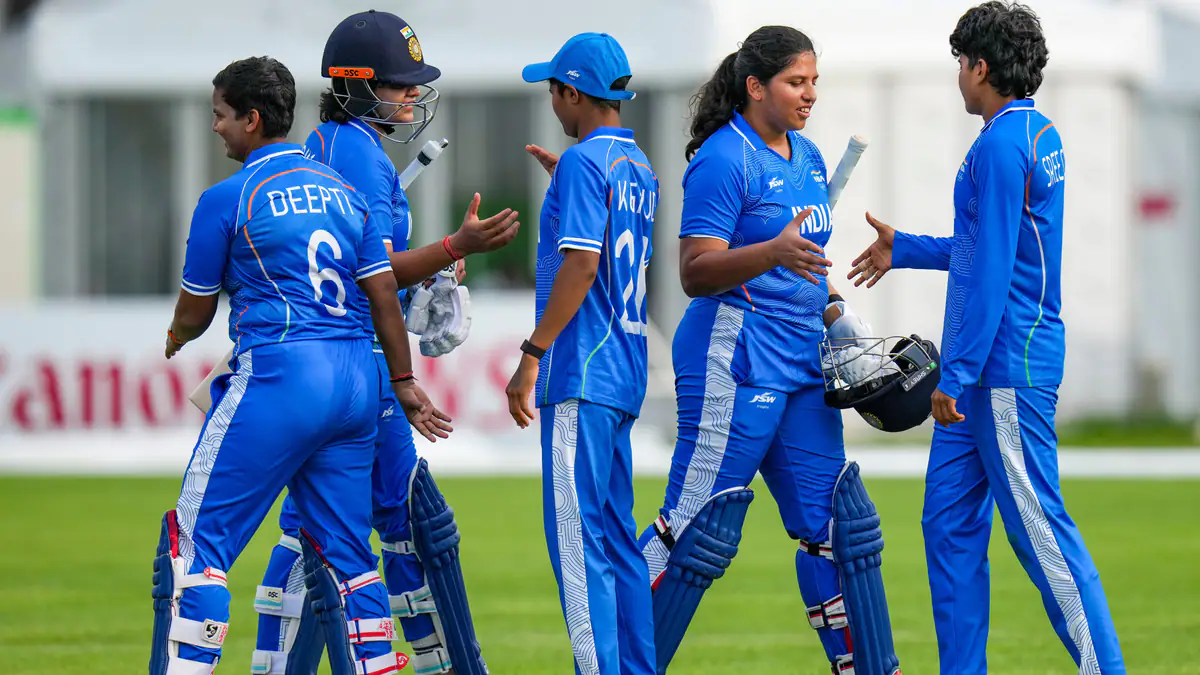
India's medal prospects are not restricted to individual events. Kabaddi remains an important gold-medal sport, with India winning both the men's and women's titles at Hangzhou. Cricket also returned to the Asian Games programme and saw India win both the men's and women's Twenty20 competitions.
Badminton and squash have also expanded India's gold-medal base. Satwiksairaj Rankireddy and Chirag Shetty created history by winning India's first Asian Games men's doubles badminton gold, while squash produced two gold medals at Hangzhou. The 2026 programme retains several of these important medal opportunities, including cricket, kabaddi, squash and compound archery. The 43-sport, 71-discipline programme contains 469 events.
One of the major statistical storylines heading into Aichi-Nagoya is India's position relative to Iran. Iran currently has 192 gold medals, nine ahead of India's 183. However, the recent trajectories of the two countries have differed. Iran won 21 golds in 2014, 20 in 2018 and 13 at Hangzhou, while India progressed from 11 to 16 and then 28 golds across the same editions.
India therefore enters 2026 with the possibility of moving beyond the 200-gold mark. The source analysis identifies a 23–27 gold-medal performance as sufficient to take India's all-time tally to between 206 and 210 and move it ahead of Iran.
India's challenge in Aichi-Nagoya will come against a highly competitive Asian field. Japan will compete on home soil, while China and South Korea remain major forces across multiple disciplines. India will also have to deal with the absence of Neeraj Chopra, whose withdrawal removes a defending Asian Games javelin champion from the 2026 campaign.
The country nevertheless arrives after its strongest Asian Games performance to date in terms of gold medals. From 183 golds across its history, India now has an opportunity to add another significant chapter to that tally.
Aichi-Nagoya 2026 will determine whether India can convert its recent continental momentum into another major increase in its Asian Games gold-medal legacy.
Comments (0)
to post comments, replies, and votes.
Loading comments…