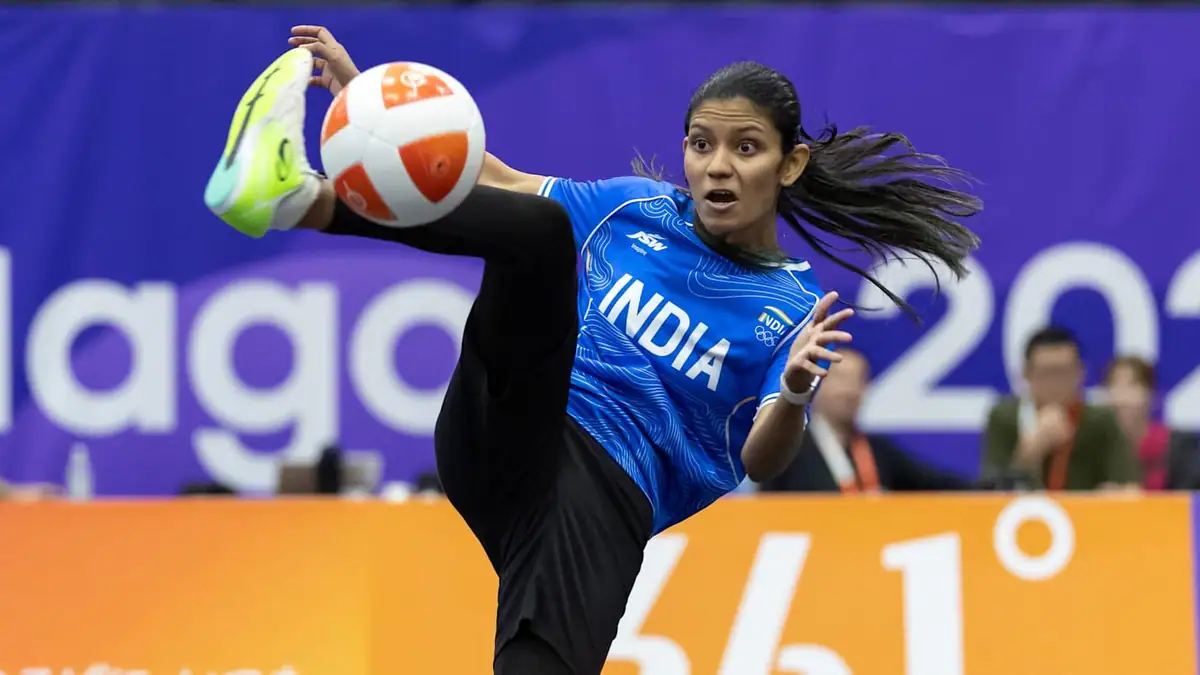
India Spends Nearly ₹703 Crore on Asian Games 2026 Preparation Across 30 Sports
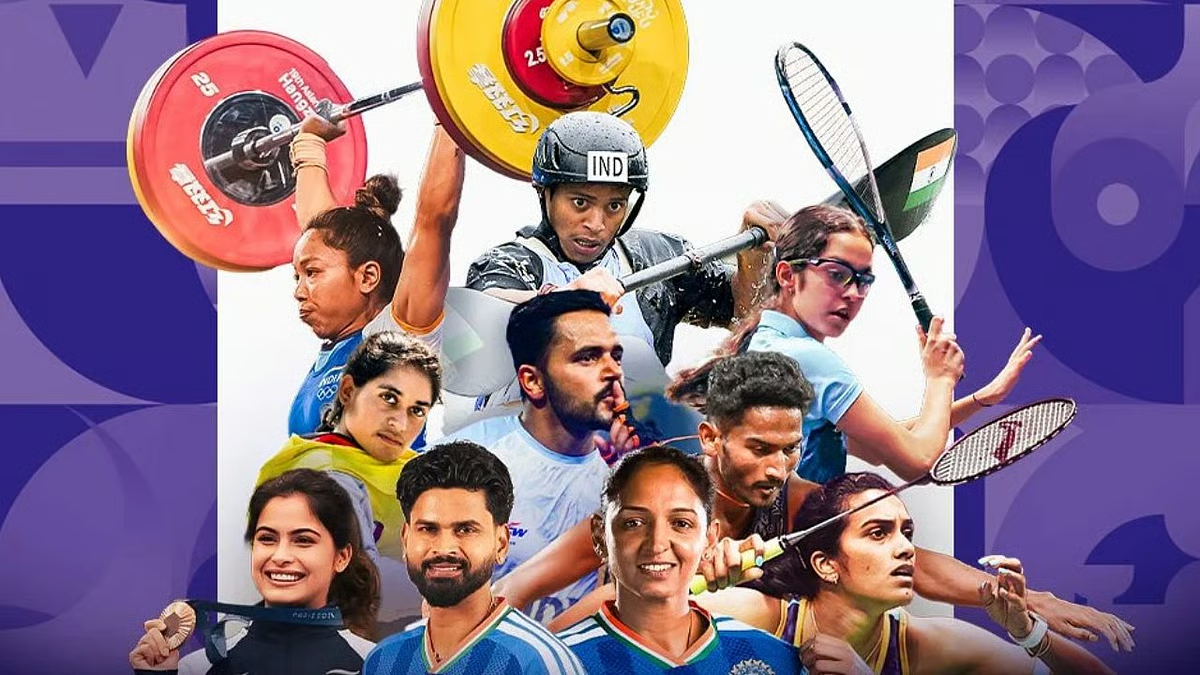
India’s preparations for the Aichi-Nagoya Asian Games 2026 have involved a substantial investment in athlete development, international competition exposure, training camps and specialised sporting support, with approximately ₹703 crore spent across 30 Asian Games disciplines during the preparation cycle from November 2023 to August 2026.
The expenditure has been made through the Annual Calendar for Training & Competition (ACTC) framework, with the Ministry of Youth Affairs & Sports working alongside the Sports Authority of India (SAI) and recognised National Sports Federations to support athletes preparing for the continental multi-sport event.
According to the expenditure data for the Asian Games preparation cycle, the total spending across the 30 disciplines amounts to approximately ₹702.86 crore, which rounds off to ₹703 crore.
The investment covers a wide range of sports, from athletics, hockey and shooting to badminton, wrestling, boxing, cycling, rowing, table tennis, tennis, soft tennis and emerging disciplines.
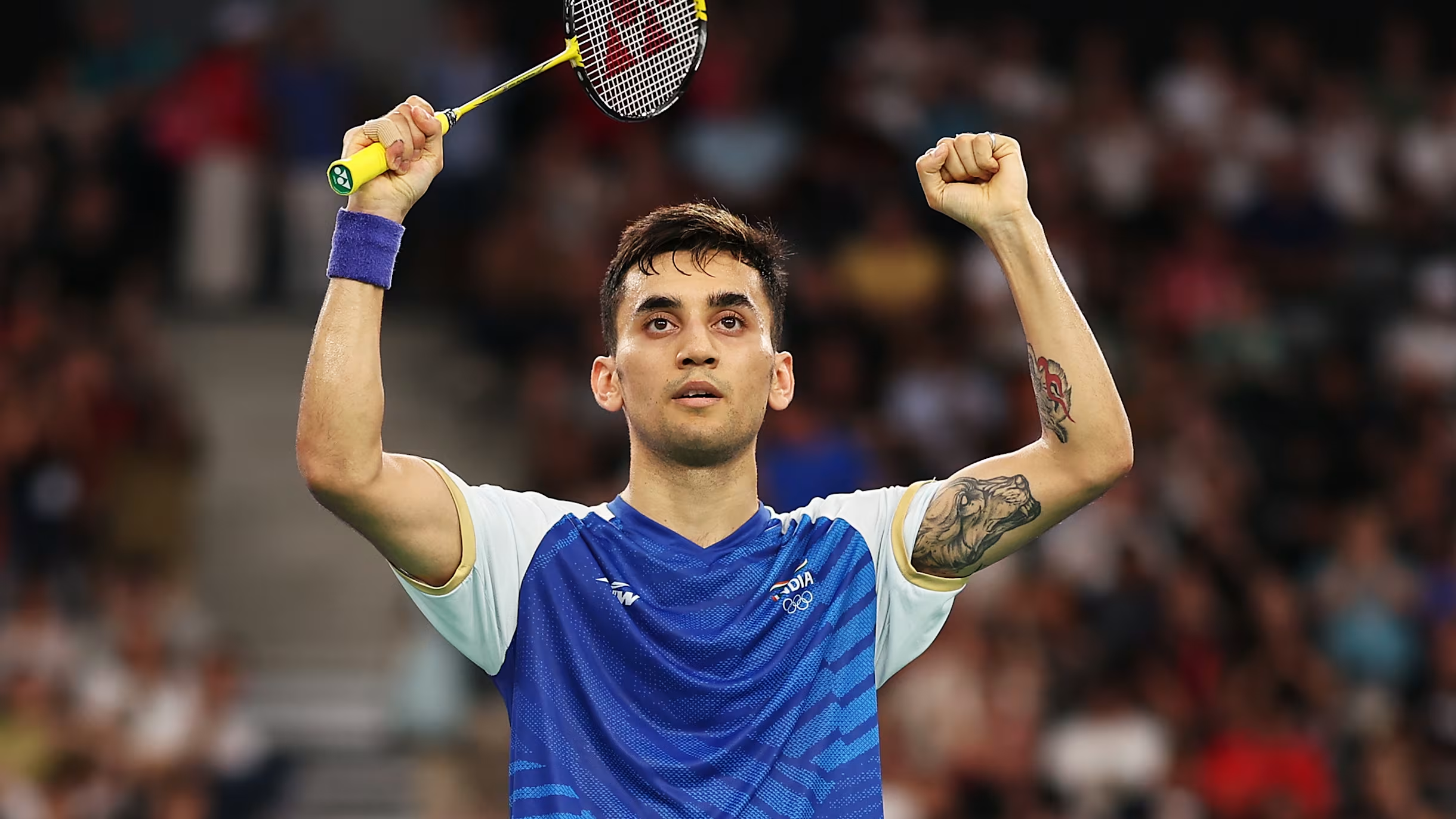
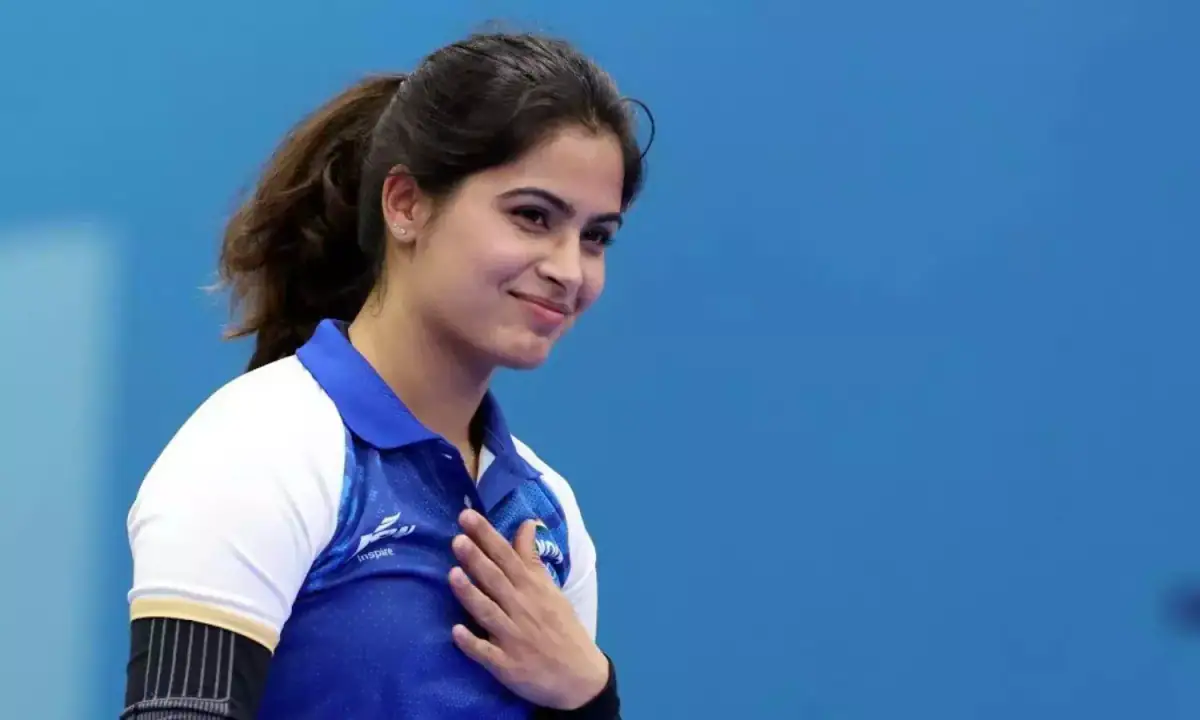
Among the 30 disciplines listed, wrestling received the highest allocation during the preparation cycle, with an expenditure of approximately ₹82.40 crore. Shooting followed closely at ₹79.80 crore, while hockey received approximately ₹77.84 crore for the men's and women's teams. Athletics, another major contributor to India's Asian Games programme, accounted for ₹54.65 crore. Boxing received ₹54.34 crore, while badminton was allocated ₹49.26 crore.
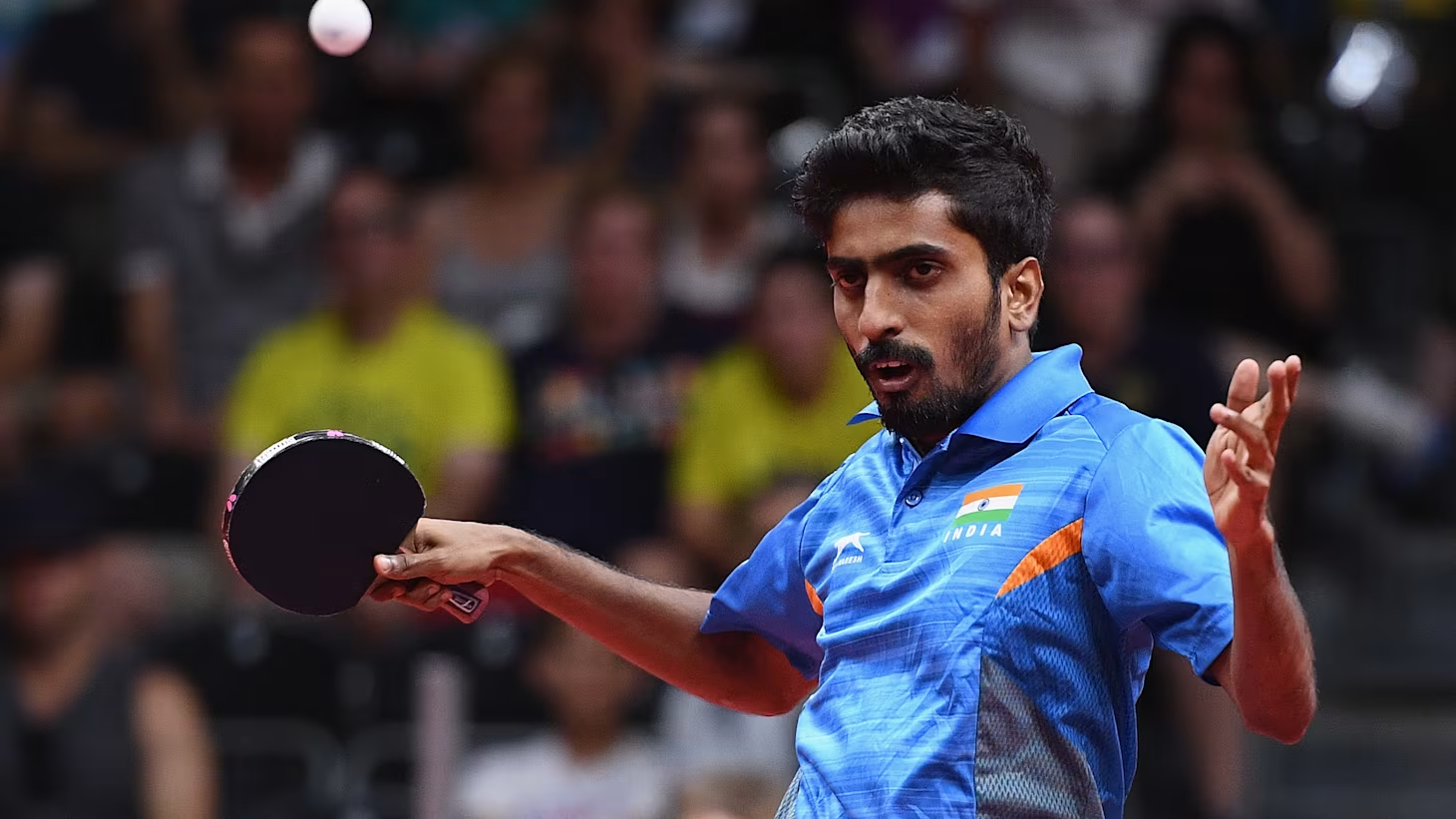
Cycling Track received ₹35.86 crore, while weightlifting accounted for ₹27.12 crore. Fencing received ₹28.21 crore, and table tennis had expenditure of ₹25.31 crore. The allocations reflect the breadth of India's preparation programme rather than simply the number of athletes participating in individual sports.
Full expenditure across 30 disciplines
The expenditure data for the November 2023-August 2026 Asian Games preparation cycle is as follows:
Sport | Discipline | Expenditure (₹ crore) |
|---|---|---|
Aquatics | Swimming | 10.80 |
Archery | Compound/Recurve | 22.19 |
Athletics | — | 54.65 |
Badminton | — | 49.26 |
Boxing | Men & Women | 54.34 |
Canoe & Kayak | Slalom/Sprint | 20.10 |
Cycling Track | — | 35.86 |
Equestrian | Dressage/Eventing | 3.69 |
Fencing | Épée/Foil/Sabre | 28.21 |
Golf | — | 9.48 |
Artistic Gymnastics | WAG | 10.49 |
Hockey | Men & Women Team | 77.84 |
Judo | — | 8.05 |
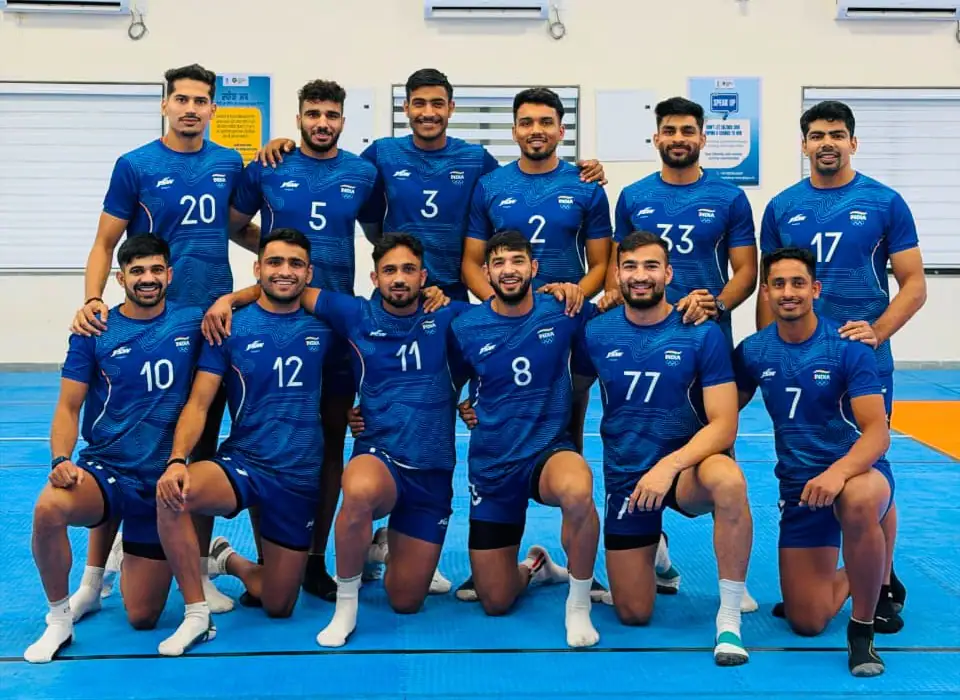
Kabaddi | — | 4.30 |
Karate | Kumite & Kata | 1.99 |
Kurash | — | 1.58 |
Rowing | — | 13.80 |
Rugby | — | 3.63 |
Sailing | — | 20.16 |
Sepak Takraw | — | 5.73 |
Shooting | — | 79.80 |
Soft Tennis | — | 1.61 |
Squash | — | 10.89 |
Surfing | — | 2.90 |
Table Tennis | — | 25.31 |
Tennis | — | 22.40 |
Volleyball | — | 6.47 |
Weightlifting | — | 27.12 |
Wrestling | Freestyle/Greco-Roman/Women | 82.40 |
Wushu | Sanda/Taolu | 7.81 |
The figures add up to approximately ₹702.86 crore across the 30 disciplines.
The ACTC system is designed to support athletes through the full training and competition cycle. Rather than concentrating expenditure only around the Asian Games themselves, the preparation period covers the years leading into the event. This allows athletes to participate in international competitions, undertake specialized training camps and access sport-specific support while preparing for major competitions.
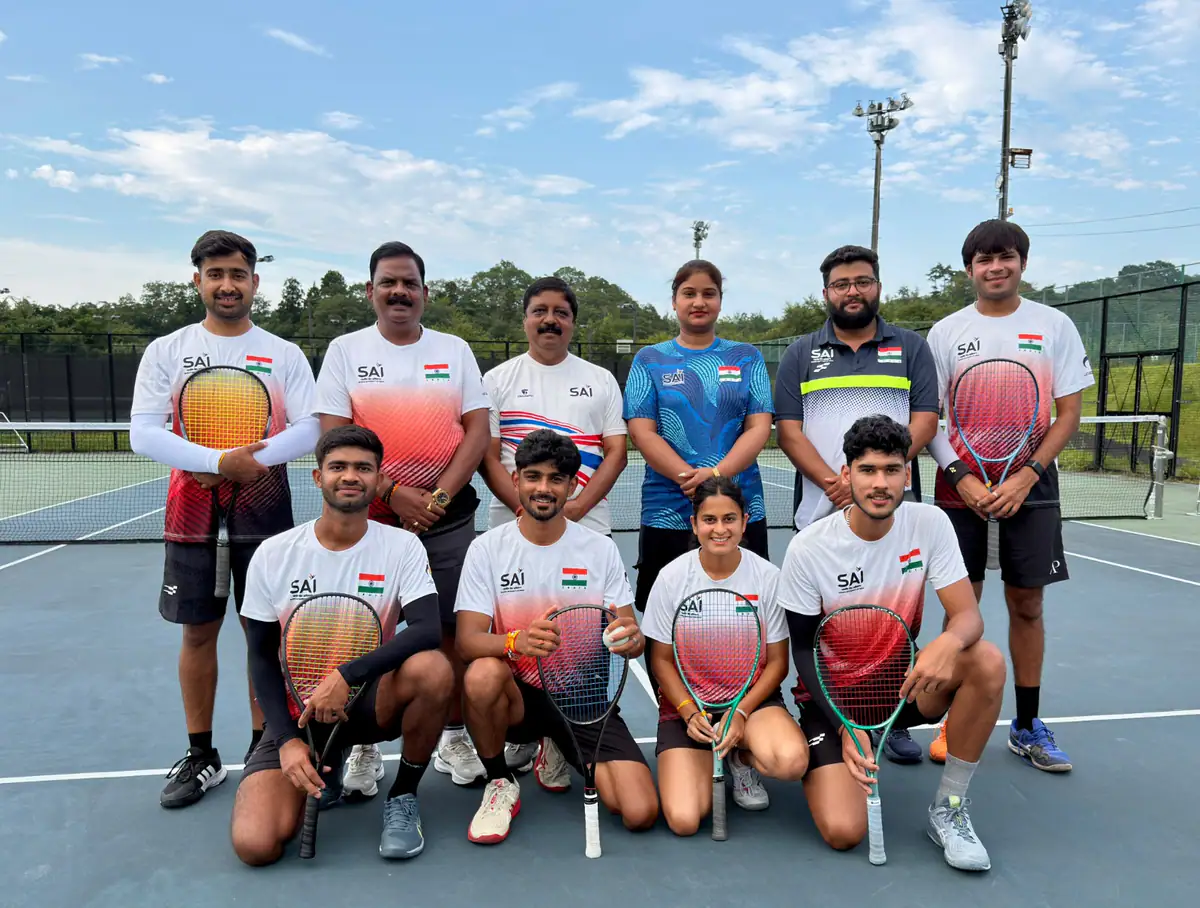
International exposure is particularly important for athletes competing in sports where Asian countries have traditionally been strong. Indian athletes across several disciplines have used overseas camps and competitions as part of their preparation. For example, Indian soft tennis players trained and competed in Japan and Korea ahead of the Asian Games, while athletes from several other disciplines have also undertaken international exposure programs.
The objective is to provide athletes with opportunities to compete against high-level opposition before arriving at the Asian Games.
Significant investment across Olympic and Asian sports
The spending also illustrates the increasingly diverse nature of India’s Asian Games program. While traditional medal sports such as wrestling, shooting, athletics, boxing and hockey account for substantial allocations, the preparation framework extends to disciplines including soft tennis, kurash, sepak takraw, surfing and wushu. Some sports have comparatively smaller allocations, but their inclusion in the program allows athletes to access structured preparation and competition support.
Soft tennis, for instance, received approximately ₹1.61 crore, while kurash received ₹1.58 crore. Surfing received ₹2.90 crore and karate ₹1.99 crore. At the other end of the spectrum, wrestling's ₹82.40 crore allocation was the highest among the 30 disciplines, followed by shooting and hockey.
The Asian Games preparation cycle officially covered the period from November 2023 to August 2026, giving Indian athletes nearly three years of structured support before the Games. The expenditure represents an investment not only in individual athletes but also in coaches, training environments, international competition, and the broader high-performance ecosystem supporting India's Asian Games contingent.
As the Aichi-Nagoya Games get underway, the effectiveness of that preparation will ultimately be reflected on the field of play. India enters the Asian Games with athletes competing across a broad spectrum of disciplines, many of whom have spent years building towards this event.
With approximately ₹703 crore invested across 30 sports, the Aichi-Nagoya preparation cycle represents one of the country's major coordinated efforts to support its athletes at the continental level.
The next stage is for the athletes and teams to translate that preparation into performances when the competition begins adding another chapter to India's growing Asian Games sporting history.
Comments (0)
to post comments, replies, and votes.
Loading comments…