India's Asian Games Medals: The Sporting Dilemma of a Developing Country
The Aichi-Nagoya Asian Games have once again put the depth of a country’s sporting ecosystem on display. India’s campaign is complete, and the medal table reads like a map of money, systems and sporting habit more than a map of talent.
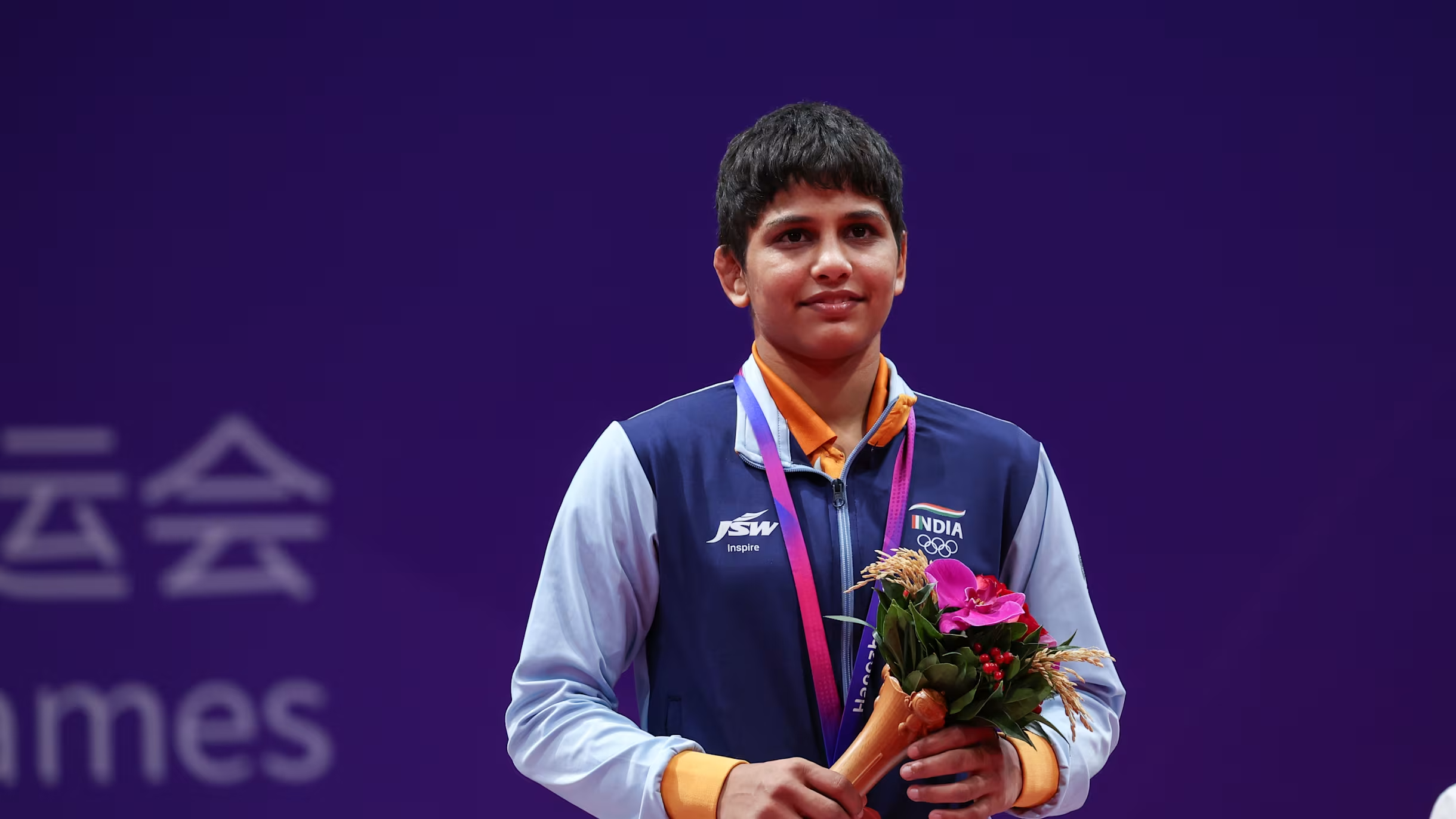
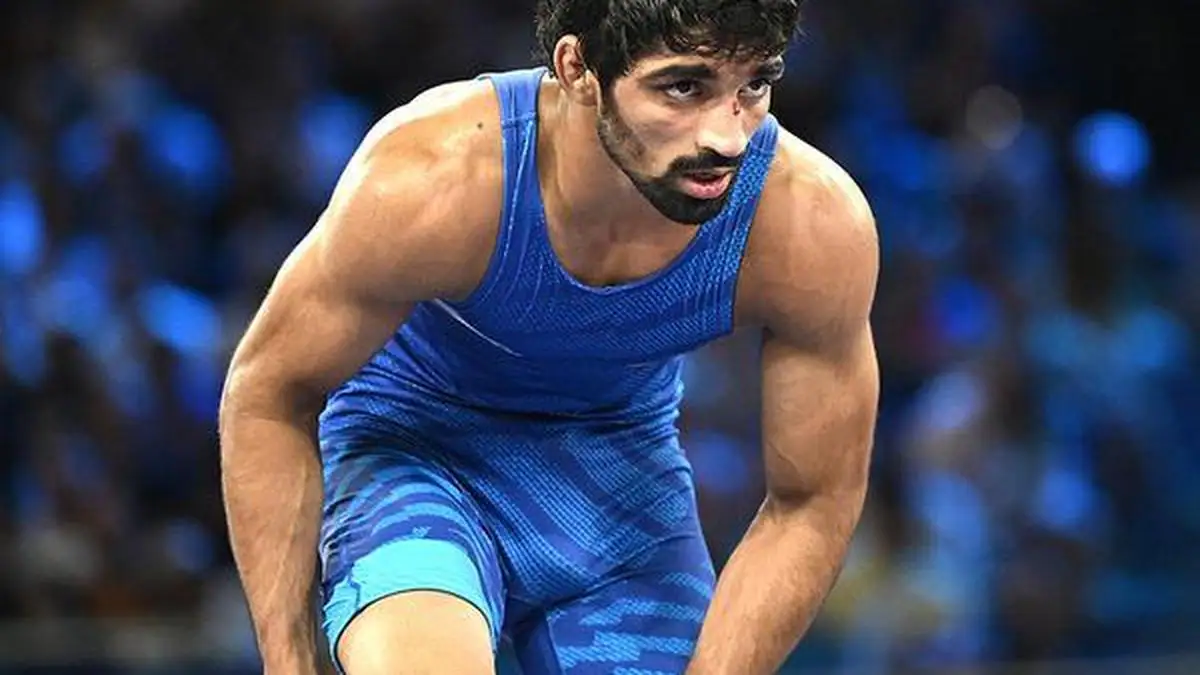
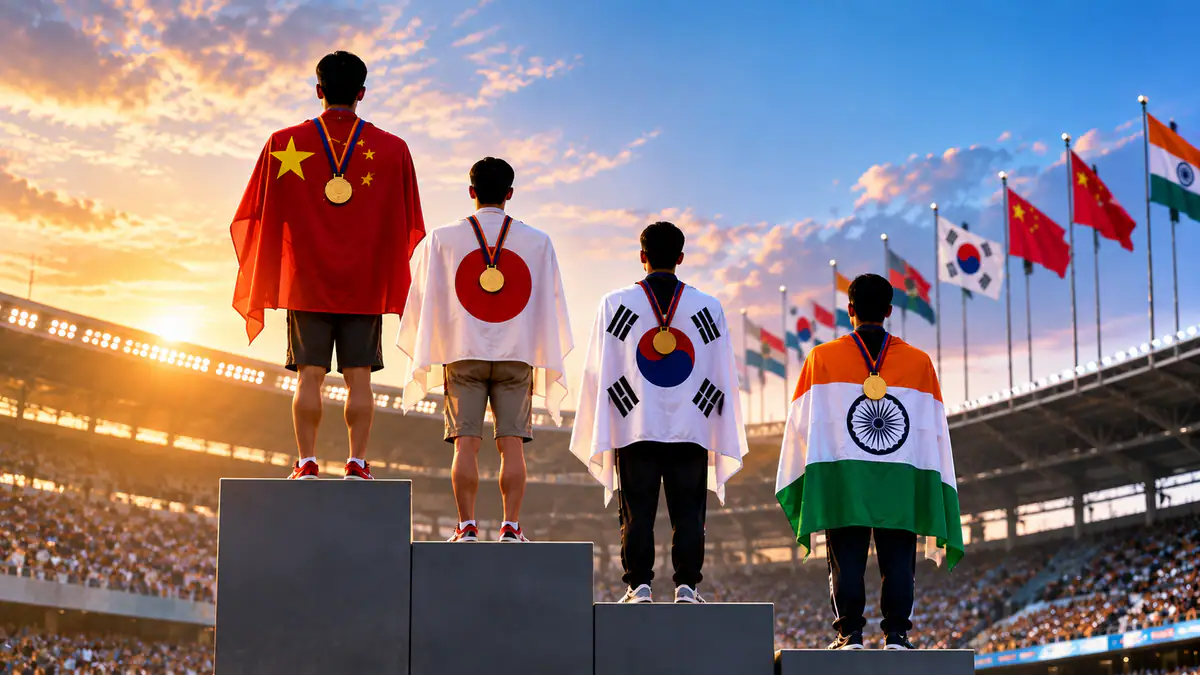
China sits on 169 gold, 89 silver and 83 bronze, 341 medals in all. Host Japan has 83 gold and 269 medals. South Korea, a country of about 51 million, has 39 gold and 150 medals. India, fourth, has 21 gold, 27 silver and 37 bronze, 85 medals, its second-best Asian Games haul after Hangzhou 2023. Athletics alone gave India 24 of those medals, across roughly 20 sports. Fourth place will be celebrated. It should also be read carefully. Japan has won about four golds for every one of India’s. China has won eight.
Aichi-Nagoya Asian Games medal table
That scoreboard captures the sporting dilemma of a developing country in one frame. It is tempting to ask: why are developed nations better at sport? But perhaps that is the wrong question. The more interesting one is: why do some countries create an environment where becoming a good athlete is a realistic life choice, while in others it remains an enormous gamble? And this, to me, is where the sporting dilemma of a developing country really begins.
Talent is not the problem
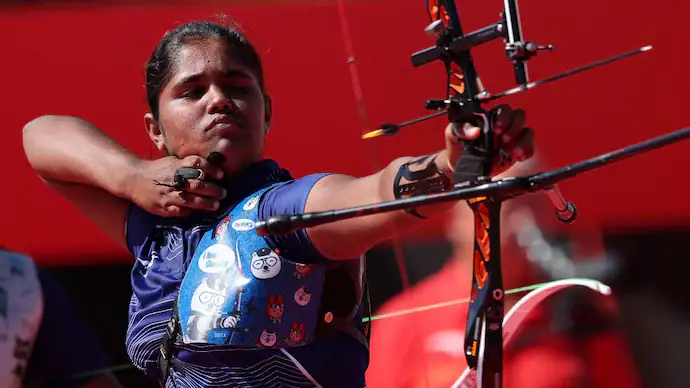
A developing country does not necessarily lack talent.India has demonstrated this repeatedly.The country has produced Olympic champions and world-class athletes in shooting,wrestling,badminton,boxing,athletics,weightlifting,hockey and now increasingly in archery and other sports.What India doesn't lack is someone capable of becoming a great athlete.
What it lacks is the ability to turn millions of talented children into a deep, competitive sporting pool across dozens of disciplines.That distinction is important.
Imagine two countries.
In Country A, a child interested in swimming has access to a swimming pool, a trained coach, sports science, competitions, school teams, scholarships, physiotherapy and a reasonably visible professional pathway.
In Country B, the child may be equally talented, perhaps even more talented, but the nearest decent pool is 20 kilometres away. The family has to pay for coaching. There are very few competitions. The school considers sport something that happens after studies. The parents are constantly asking what the child will do if sport doesn't work out.
The two children may have exactly the same talent.But they don't have the same probability of becoming athletes.That is the difference between talent and ecosystem.
Breadth against niches
A rich sporting nation is rarely a one-sport nation. Japan’s 269 medals are spread across swimming, gymnastics, judo, athletics, cycling, shooting, the combat sports, the racquet sports. South Korea’s haul runs through archery, shooting, taekwondo, fencing, football. China is present in almost everything the programme offers, and dominant in several of them. The machine is not a mystery. It is school sport, club sport, coaching pathways, sports science, and a state that has treated medals as a national project for decades.
Developing countries do not fail at sport. They fail at range. They become very good at the sports that cost little, match the body the population already has, or already sit inside the culture.
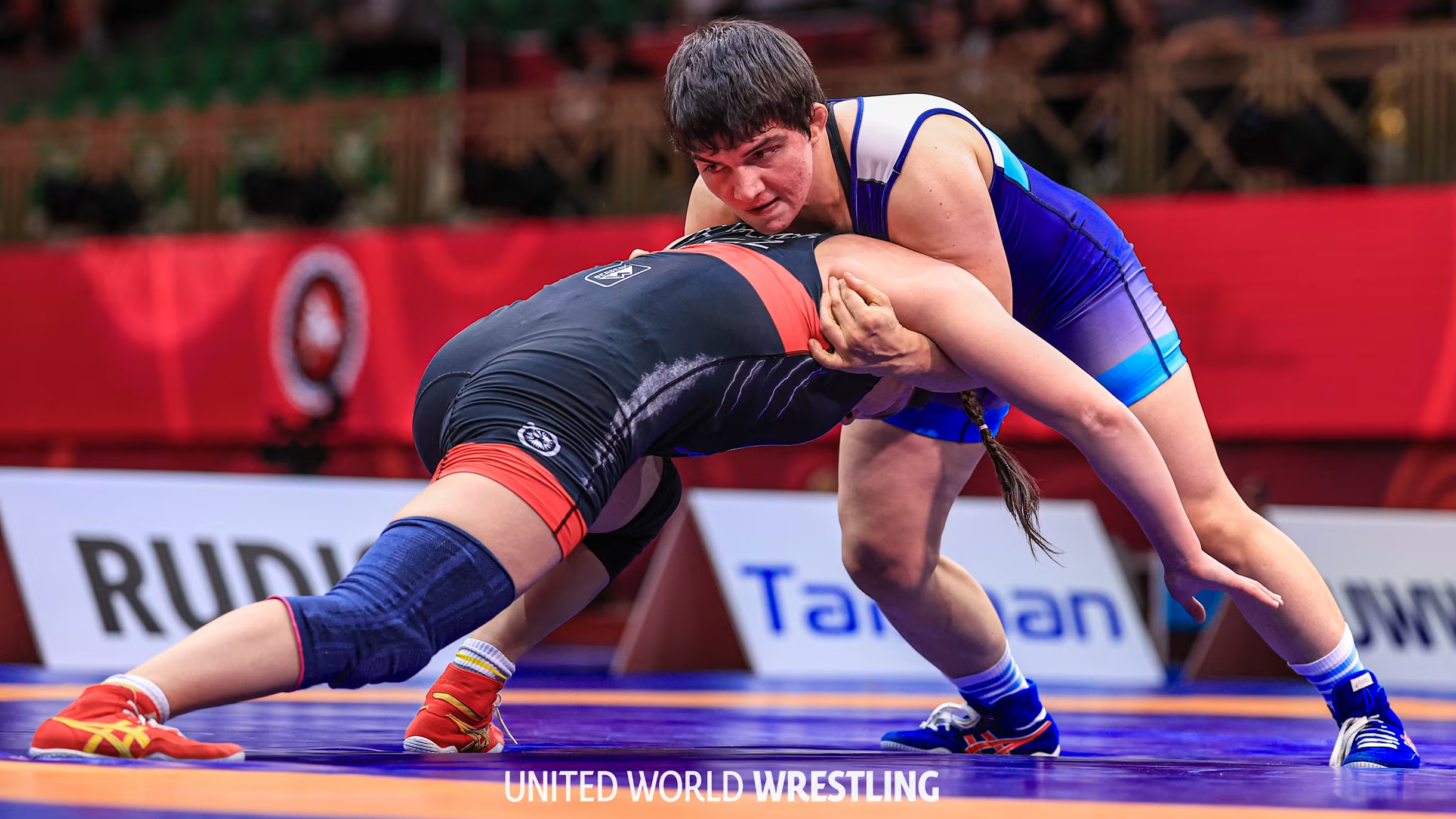
East Africa is the cleanest example. Kenya and Ethiopia do not own the Olympic medal table. They own the distance events. High altitude, a running culture that begins in school, and a sport whose only real equipment is a pair of shoes have produced a pipeline the rest of the world still cannot copy. Jamaica does something similar in the sprints. Cuba did it for years in boxing. Uzbekistan, fifth in Nagoya with 21 gold, has built a serious combat-sports and wrestling base rather than a general one.
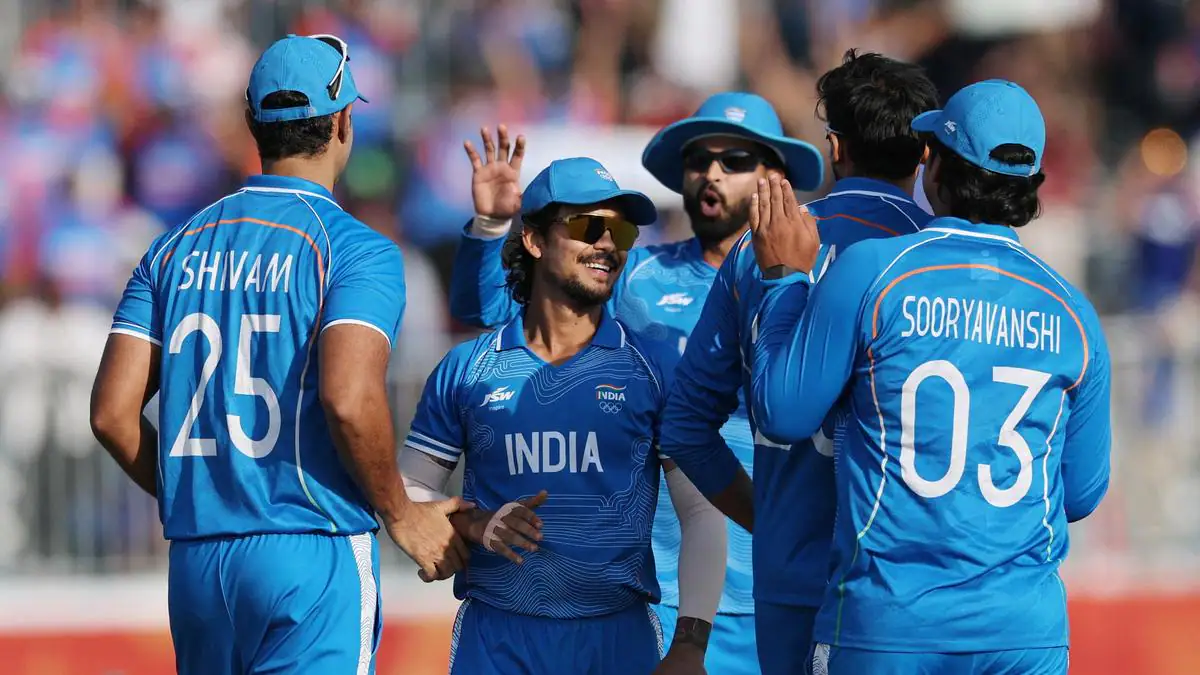
India’s version of that niche is cricket, and cricket is the exception that explains the rule. The Board of Control for Cricket in India is not a government department struggling for grants. It is a commercial ecosystem: television money, a domestic league that pays, a calendar, academies, and a public that already cares. Inside that ecosystem an Indian cricketer can plan a life. Outside it, almost no Indian sport offers the same bargain. Shooting, wrestling, archery, hockey and athletics produce the Asian Games medals. They do not produce the same certainty.
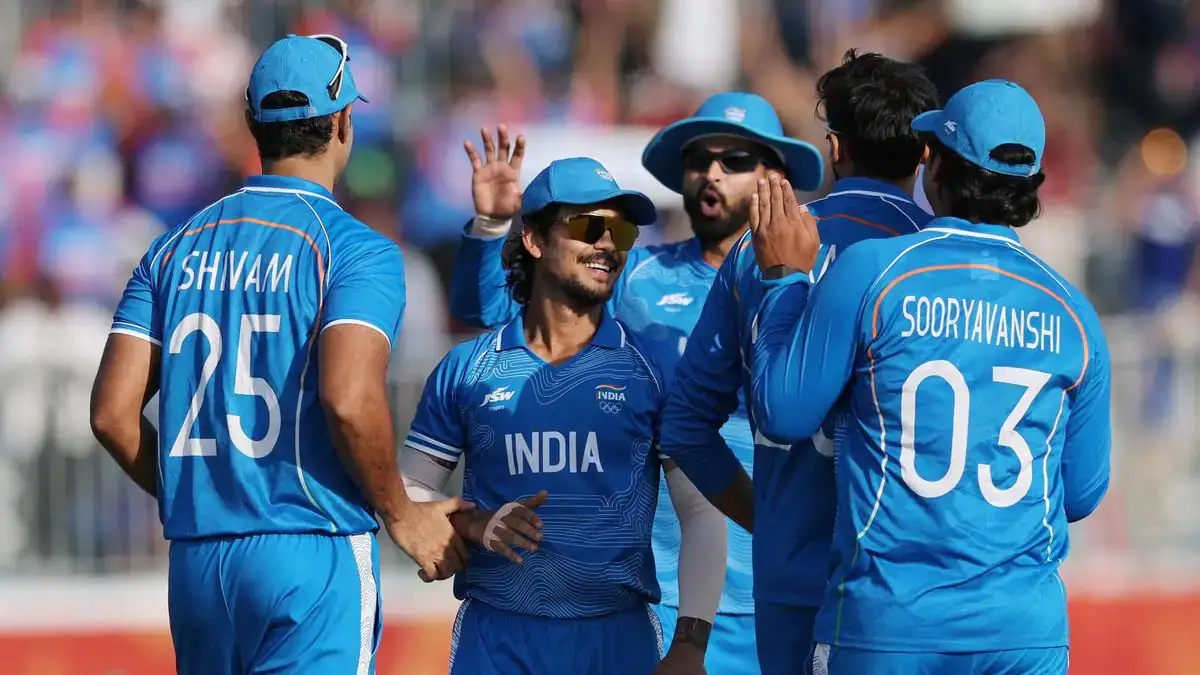
The pattern holds beyond India. A developing country becomes world-class where the barrier to entry is low, or where one sport has become an industry. It stays thin everywhere else.
The rational career
Ask a middle-class family in a developing country what a child should do, and the answer is rarely sport. The answer is study, clear the exam, take the job. That answer is not a failure of imagination. It is a reading of the odds.
A sports career has a short window and a brutal dropout rate even in countries that pay athletes properly. In a developing country the downside is worse. Facilities are uneven. Coaching quality depends on the district you were born in. Selection is slow and often political. Prize money arrives late, or not at all. Injury ends the career with no second income behind it. The athlete who reaches a national camp has already beaten thousands. The athlete who reaches an Asian Games final has beaten almost everyone at home. Most of them still do not make a living from the sport.
So the family does the calculation. A degree and a stable salary will not make anyone famous. They will pay rent at 35. Sport might. It usually will not. The children who ignore that calculation and train anyway are not the average case. They are the exception the medal table is built on, and there are never enough of them.
This is also why the “we have 1.4 billion people” argument misleads. Population is not a talent pool until the talent can afford to stay in the pool. Most of it leaves for engineering, medicine, the civil services, or the private job, because those paths fail more gently.
The missing middle
There is a second trap, and it sits at the other end of the income scale.
Where the state system is weak, sport becomes a private hobby of people who can pay for it. Tennis, golf, shooting, swimming, equestrian sport: the athlete trains in a good academy, often with a foreign coach, sometimes abroad. The problem is not commitment. The problem is that the domestic field is empty. You can be national champion for five years and still have never met the kind of opponent you will meet in the first round at the Asian Games. The ranking was real. The competition was not.
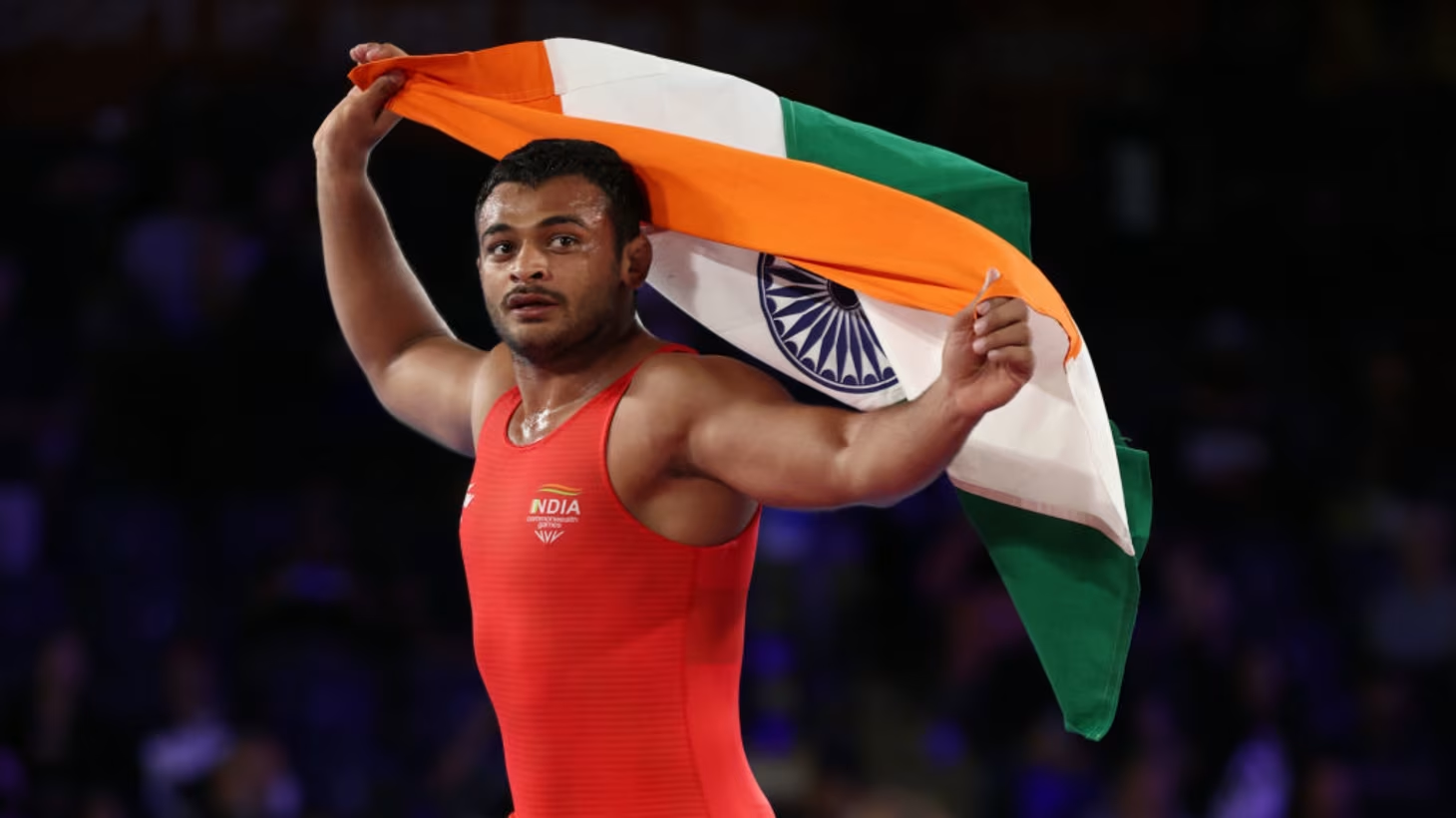
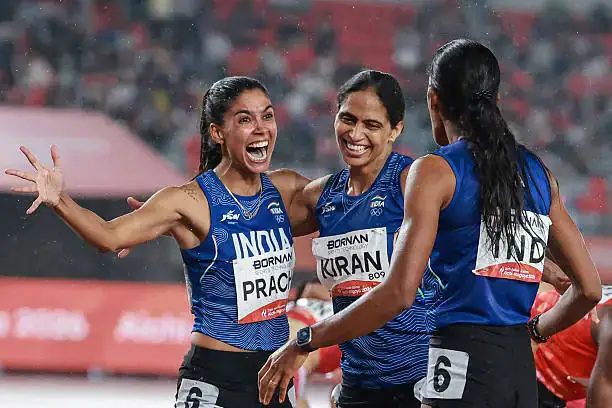
A sporting country is not built by its best athlete. It is built by the fiftieth-best athlete, the one who makes the tenth-best uncomfortable every week. Japan and South Korea have that depth because sport is ordinary there: a school team, a university scholarship, a corporate team that still exists after graduation. India has islands of it , the wrestling akharas, the Services and Railways teams, the hockey belts, the new athletics pockets that produced those 24 medals in Nagoya. It does not have it as a default. The elite athlete and the subsistence athlete both suffer from the same missing middle. One never gets tested. The other never gets paid.
Governance
There is another issue we cannot ignore: governance.
Sport is supposed to be brutally simple.The fastest runner wins.The strongest lifter wins.The person who scores more points wins.But getting to the starting line is not always that simple.
There are selections to be made. Teams have to be picked. Facilities have to be allocated. Coaches have to be appointed. Funding has to be distributed. Travel has to be arranged. Equipment has to be purchased.
Whenever money and access are involved, governance becomes critical.
In a developing country, where resources are already limited, poor governance can do damage that a better-funded system may be better equipped to absorb.
Federations become offices to be held rather than programmes to be run. Selection becomes a negotiation. Grants meant for district centres sit in files. A stadium is built for a Games and then locked, because maintenance was never in the tender. The athlete learns a second sport: managing the official. Time that should go to training goes to paperwork, court cases and waiting for the stipend. The talented coach leaves for a private academy, or for another country, because the federation cannot be trusted with a career.
The effect is quiet. It does not show up as one scandal. It shows up as a generation that decides the fight is not worth it, and as a medal table that keeps producing the same sports from the same pockets, because those pockets learned to work around the system rather than through it.
The danger of corruption in sport is greater than the money that gets lost.
Money can be recovered.
A lost athlete cannot.
The dilemma
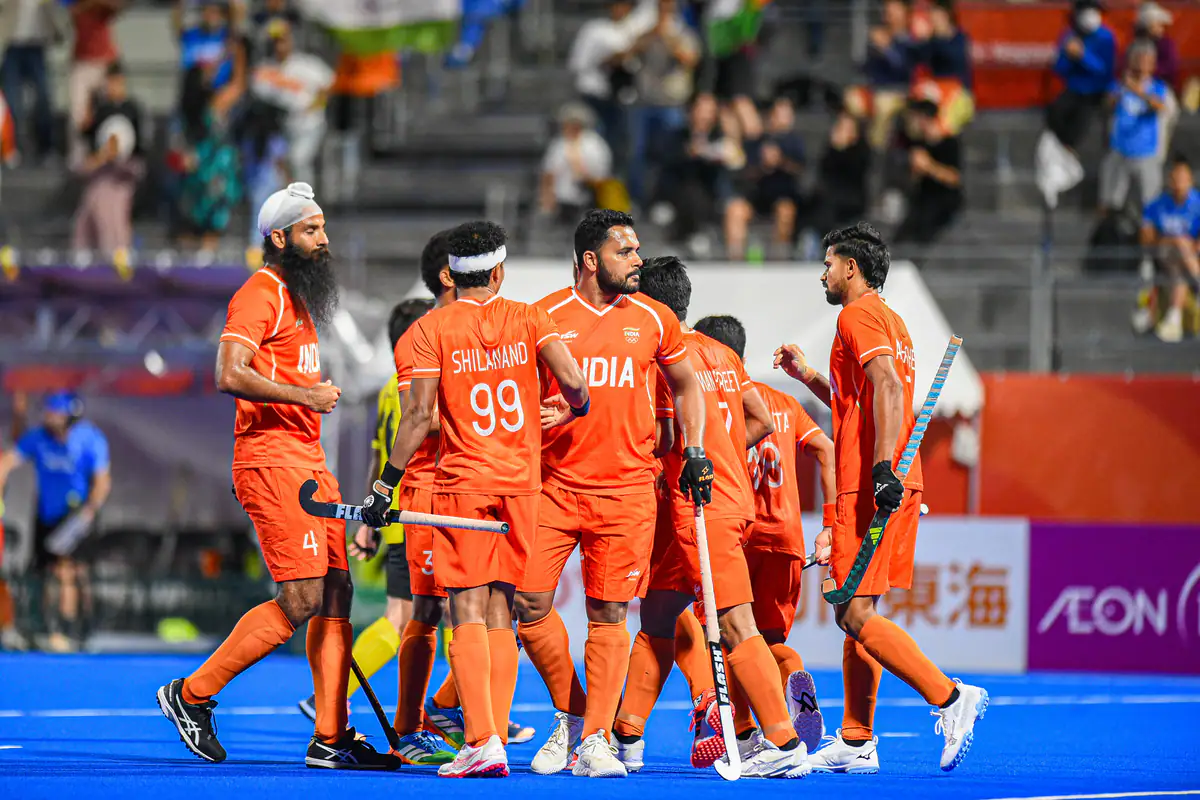
None of this says a developing country cannot win. India has just taken 85 medals and fourth place, its hockey team has another gold, and individual sports keep throwing up athletes who would have been unthinkable twenty years ago. Hangzhou and now Nagoya are evidence that targeted funding and a few serious programmes move the number.
The dilemma is the choice underneath the number. A country still building schools, hospitals and jobs cannot pretend sport is free. Every rupee in a foreign coach is a rupee not in a primary school, and voters know it. The rational private choice remains the degree and the salary. The rational public choice, so far, has been to fund the sports that already win and hope the rest follow. Developed sporting nations did not get breadth that way. They got it by making sport a normal part of childhood, and by making the fiftieth-best athlete’s life stable enough that the best one has someone to lose to.
Until that middle exists, the table in Nagoya will keep telling the same story. A few nations will collect medals in almost everything. Everyone else will be brilliant in the sports they can afford, and absent from the rest.
Comments (0)
to post comments, replies, and votes.
Loading comments…