Asian Games 2026: Deepak Punia Faces a Gruelling 97kg Challenge in Nagoya
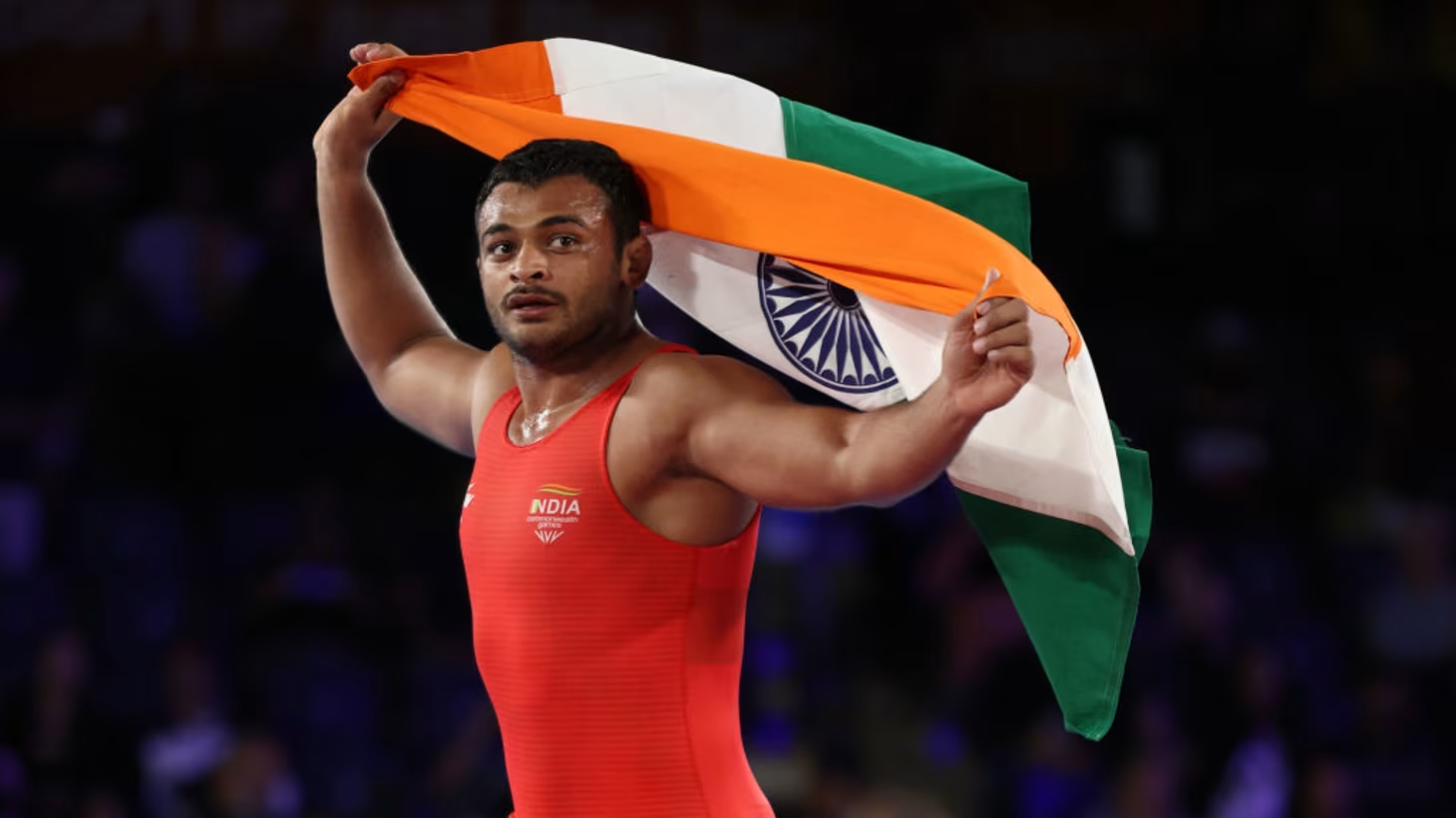
The men’s freestyle 97kg competition at the Asian Games 2026 presents one of the most uneven draws of the wrestling tournament, with India’s Deepak Punia handed a comparatively open route to the final while three of the division’s strongest contenders are packed into the opposite half.
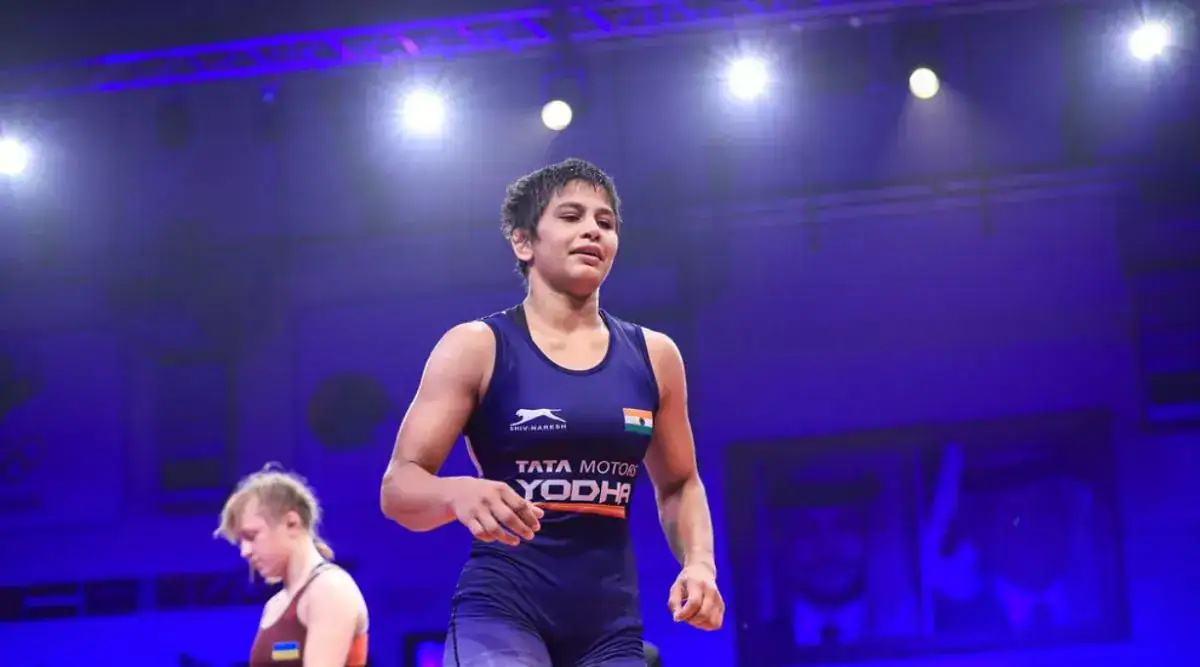
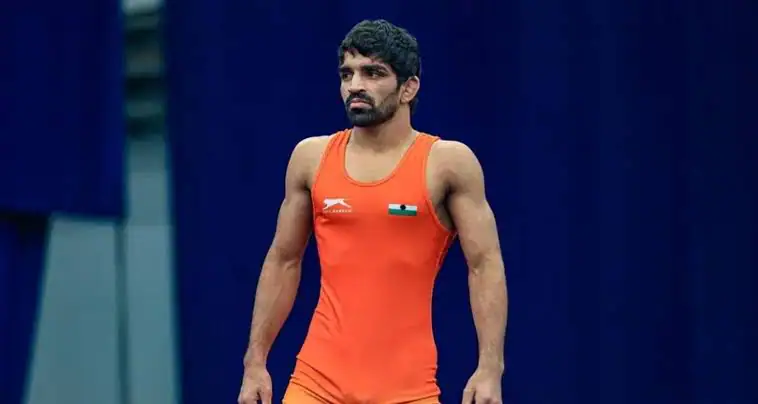
Punia enters the Nagoya City Inae Sports Center on October 3 having moved up from the 86kg category, where he established himself as a world-class competitor. The 27-year-old was a 2019 World Championship silver medallist, finished fifth at the Tokyo Olympics and won Asian Games silver at 86kg in 2022. His transition to 97kg was driven by physical circumstances rather than a conventional long-term weight-class switch. A muscle tear suffered shortly before the 86kg national selection trials in May prevented him from safely completing the weight cut. After winning a medal at 92kg at the National Open Ranking tournament, Punia became eligible to compete at 97kg and subsequently secured his place at the Asian Games.
A difficult first test
Punia begins against China’s Zhou Junpeng in Match 263. The challenge is immediately apparent: Punia stands at 1.77m and weighs around 95kg, while most of the division’s leading contenders possess considerably greater height and natural mass. That physical difference makes Punia’s defensive structure critical.
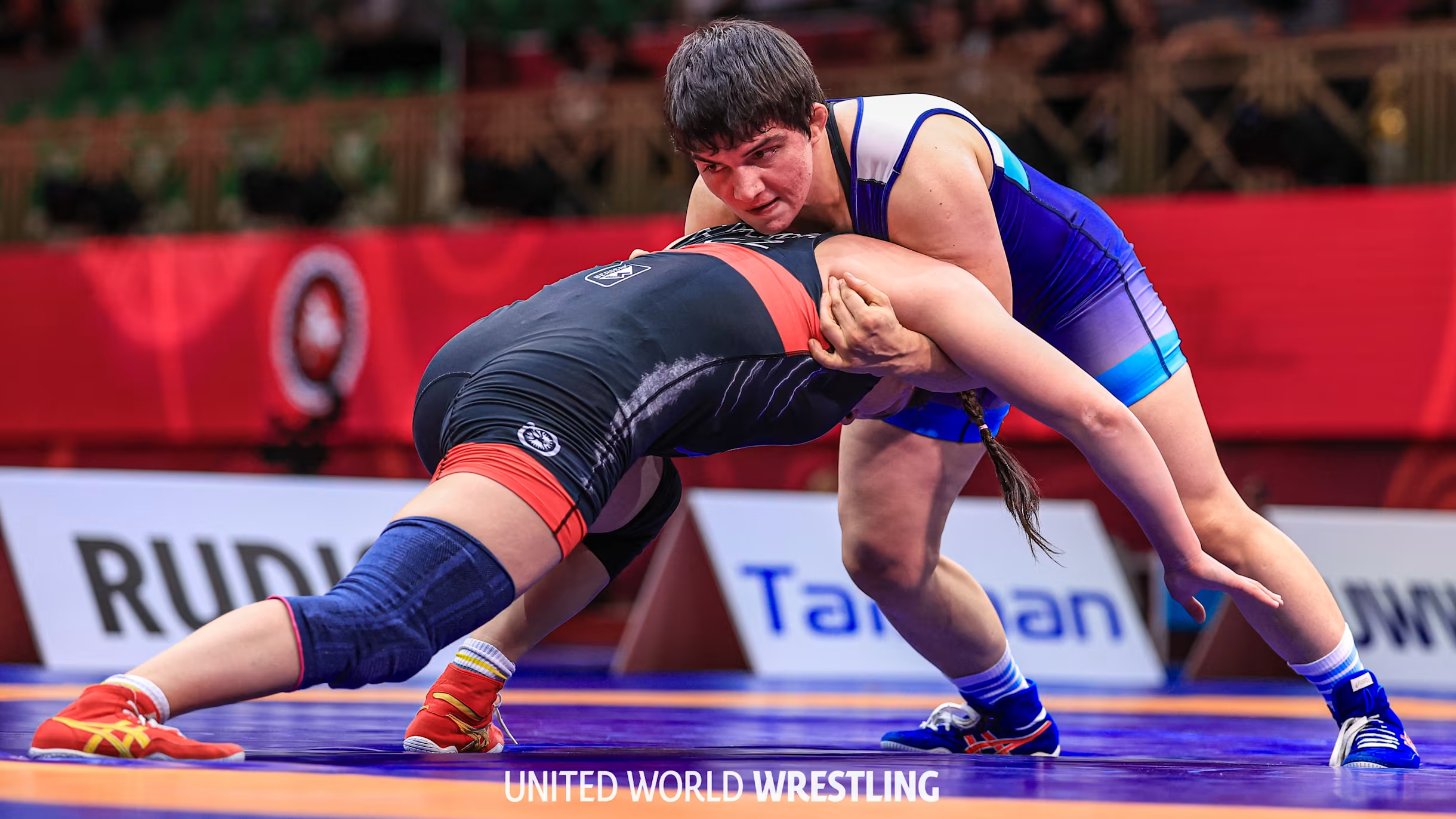
His wrestling at 97kg is built around heavy hips, deep underhooks and compact upper-body positioning. Rather than attempting to match larger opponents in extended strength exchanges, Punia will need to keep bouts compressed, disrupt his opponents’ posture and force them into short scoring sequences. A victory over Zhou would send him into the quarterfinal against Hong Kong’s Vincent Li Wui Fung, who enters directly at that stage after receiving a bye.
The upper branch then offers Punia a potentially favourable semifinal route. Uzbekistan’s Sherzod Poyonov faces Bahrain’s Magomed Sharipov, while South Korea’s Seo Juhwan meets Mongolia’s Ganbaatar Gankhuyag. The winners meet in the other quarterfinal. That means Punia avoids the three major names concentrated in the lower half until the gold-medal bout.
The opposite side of the bracket contains Japan’s Arash Yoshida, Iran’s Amirali Azarpira and Kazakhstan’s Rizabek Aitmukhan. Aitmukhan, the 2023 Senior World champion at 92kg, begins against Tajikistan’s Ismail Kartoev. Yoshida, the three-time Asian champion, opens against Cambodia’s Heng Rottha. Their winners are projected to meet in the quarterfinal.
Yoshida has already established a strong record against Aitmukhan. He defeated the Kazakh 7–1 in the 2025 Asian Championship final, using close-range wrist control and low attacks to neutralise Aitmukhan’s considerable reach. Azarpira, meanwhile, faces Pakistan’s Muhammad Gulzar before a projected quarterfinal against Turkmenistan’s Shatlyk Hemelyayev. The Iranian is a 2024 Olympic bronze medallist and 2025 Senior World silver medallist. His most recent meeting with Yoshida also went the Japanese wrestler’s way. Yoshida won their 2026 Asian Championship final 4–0 by refusing to engage in prolonged collar-tie exchanges and instead attacking when Azarpira extended his position.
For Punia, the key will be turning his apparent physical disadvantage into a tactical advantage. His compact frame allows him to establish a low centre of gravity and defend underhooks effectively. At 97kg, however, he cannot afford to spend entire periods absorbing pressure. Against larger opponents, he will need to create scoring opportunities from defensive positions and use short-burst circular movement to prevent opponents from locking their preferred ties.
His first major objective is therefore not spectacular scoring but control of the match’s geography. Against Zhou, Punia must prevent the Chinese wrestler from establishing the centre and using his natural size to force prolonged upper-body exchanges. Against a potential Sharipov or Poyonov in the semifinal, the tactical demands would change: Sharipov would bring patient Dagestani hand fighting and defensive discipline, while Poyonov would pose a greater threat through lateral movement and upper-body attacks.
Can Punia reach the final?
The bracket unquestionably gives Punia an opportunity. The lower half is likely to produce a finalist who has already navigated multiple high-level physical battles, while Punia’s route allows him to conserve energy if he can close out his early matches efficiently. That matters in a single-day tournament, where wrestlers must progress through multiple rounds before returning for the evening medal bouts.
But reaching the final and winning the final are different challenges.
If Yoshida, Azarpira or Aitmukhan emerges from the lower half, Punia will face a significant physical and stylistic test against a natural 97kg wrestler. His best route will be to make the contest tactical rather than allowing it to become a prolonged strength battle. For Indian wrestling, however, Punia’s appearance itself is significant. A medal at 97kg would add another Asian Games podium finish to a career already built across major international competitions and demonstrate that his technical base can translate beyond the weight class in which he made his name.
In Nagoya, Punia does not need to overpower the 97kg division. He needs to out-position it.
Comments (0)
to post comments, replies, and votes.
Loading comments…