India vs Bangladesh, Women’s Asia Cup 2026: Can Harmanpreet Kaur’s Side Take Another Step Towards the Title?
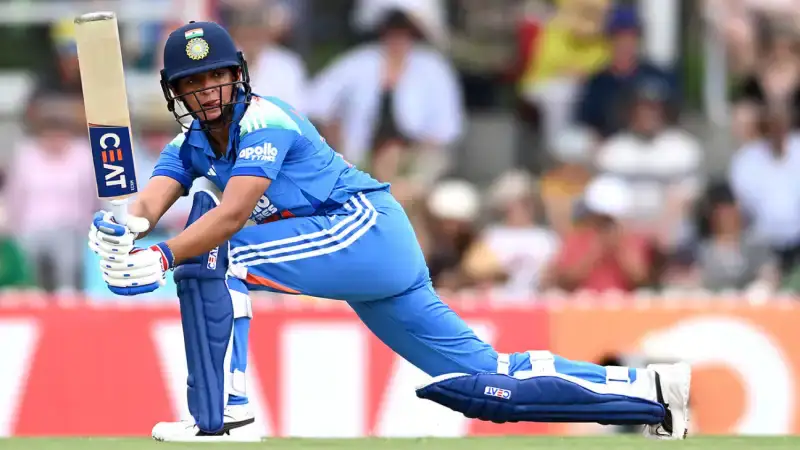
India face Bangladesh in the Women’s Asia Cup 2026 semi-final in Dubai. Can Harmanpreet Kaur’s unbeaten side continue its dominance and reach the final?
India are through to the business end of the Women’s Asia Cup 2026, and the reward for their dominant group-stage campaign is a semi-final clash against Bangladesh at the Dubai International Stadium on Thursday, September 10.
On paper, India enters the contest as an overwhelming favourite. They have history, form and depth on their side, while Bangladesh arrive with the belief that they can disrupt one of the tournament favourites when it matters most.
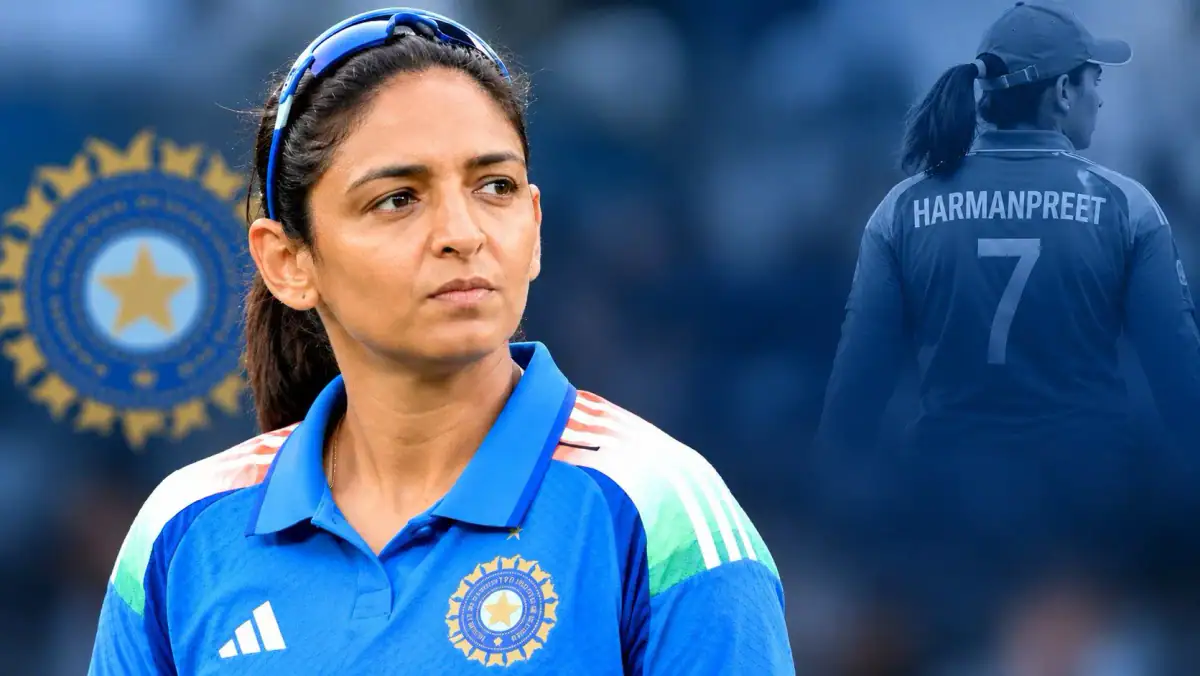
For Harmanpreet Kaur and her team, though, the equation is simple: win, and they move into the final.
The numbers make for formidable reading. India and Bangladesh have met 24 times in Women’s T20Is, with India winning 21 of those contests. Bangladesh have managed only three victories, although one of those remains particularly memorable. The last eight T20I meetings between the sides have gone India's way. The most recent encounter came at the Women’s T20 World Cup, where India secured a five-wicket victory. Shafali Verma was the star with the bat, smashing 53 from 34 deliveries, while Radha Yadav made a significant impact with the ball, finishing with three wickets.
Yet Bangladesh knows better than most that India can be beaten. Their most famous victory came in the 2018 Women’s T20 Asia Cup final. Bangladesh produced an excellent bowling performance to restrict India to 112 for nine before completing the chase with three wickets remaining.
That result is a reminder that past records mean little once the two teams walk onto the field.
India's greatest strength heading into the semi-final is arguably the range of options available in their batting lineup. Smriti Mandhana has been one of the major talking points of India's campaign. The left-hander demonstrated her ability to completely take control of a T20 match with a stunning 124 off 64 balls against Hong Kong. Mandhana's ability to score quickly without compromising her timing puts enormous pressure on opposition bowlers. Bangladesh will be desperate to remove her before she settles into the innings.
Then comes Shafali Verma. Where Mandhana can combine timing and placement with aggression, Shafali can attack from the first ball. Her PowerPlay approach can change the complexion of a match within a few overs. India also possess significant experience further down the order. Harmanpreet Kaur provides leadership and power, while Richa Ghosh offers another aggressive batting option.
That depth is important in knockout cricket. India do not necessarily need one batter to produce a match-winning innings because there are several players capable of taking responsibility.
Bangladesh's route to the semi-finals has demonstrated their fighting qualities, but their batting remains a potential concern. Against the UAE, they found themselves in trouble at 55 for six before Sharmin Akhter and Nigar Sultana helped rebuild the innings. They eventually secured a 34-run victory, but another collapse against India could prove impossible to recover from.
Bangladesh will therefore need their top order to deliver. The opening exchanges could be decisive. If Bangladesh can survive India's initial bowling pressure and establish a partnership, they can put themselves in a position to challenge the favourites. If wickets fall early, however, India's spinners and experienced bowling attack could quickly take control.
Can Bangladesh Trouble India?
The biggest question for Bangladesh is whether they can make India uncomfortable. India have enough batting depth to recover from setbacks, but an aggressive bowling performance during the PowerPlay could change the dynamics of the match. Bangladesh's bowlers will have to be disciplined. Giving Mandhana or Shafali room to free their arms could turn a competitive start into a runaway Indian innings.
The middle overs could also become crucial. India possesses players capable of rotating the strike while maintaining the boundary threat, meaning Bangladesh cannot afford to rely solely on taking wickets. For India, the challenge is different. Being favourites brings its own pressure. Harmanpreet's side cannot afford to underestimate Bangladesh simply because of the head-to-head record. Their opponents have already shown that they can recover from difficult situations, and knockout cricket often rewards the side that handles pressure better rather than the side with the stronger reputation.
India have already established themselves as the team to beat in this edition of the Women's Asia Cup. An unbeaten group-stage campaign has strengthened their position, while the combination of Mandhana's batting, Shafali's explosiveness, Harmanpreet's experience and India's bowling variety gives them a formidable all-round package. Bangladesh, however, has an opportunity to create another memorable chapter in this rivalry. For India, this is about maintaining momentum and moving one step closer to an eighth continental title. For Bangladesh, it is a chance to repeat the spirit of their famous 2018 triumph and produce another upset on the big stage.
The history strongly favours India. The form favours India. The depth favours India. But a semi-final is not won by statistics. It will come down to which team handles the pressure in Dubai when a place in the Women's Asia Cup final is on the line.
Comments (0)
to post comments, replies, and votes.
Loading comments…