India vs China: Women’s Hockey Team Eyes Historic Asian Games Gold After 44-Year Wait
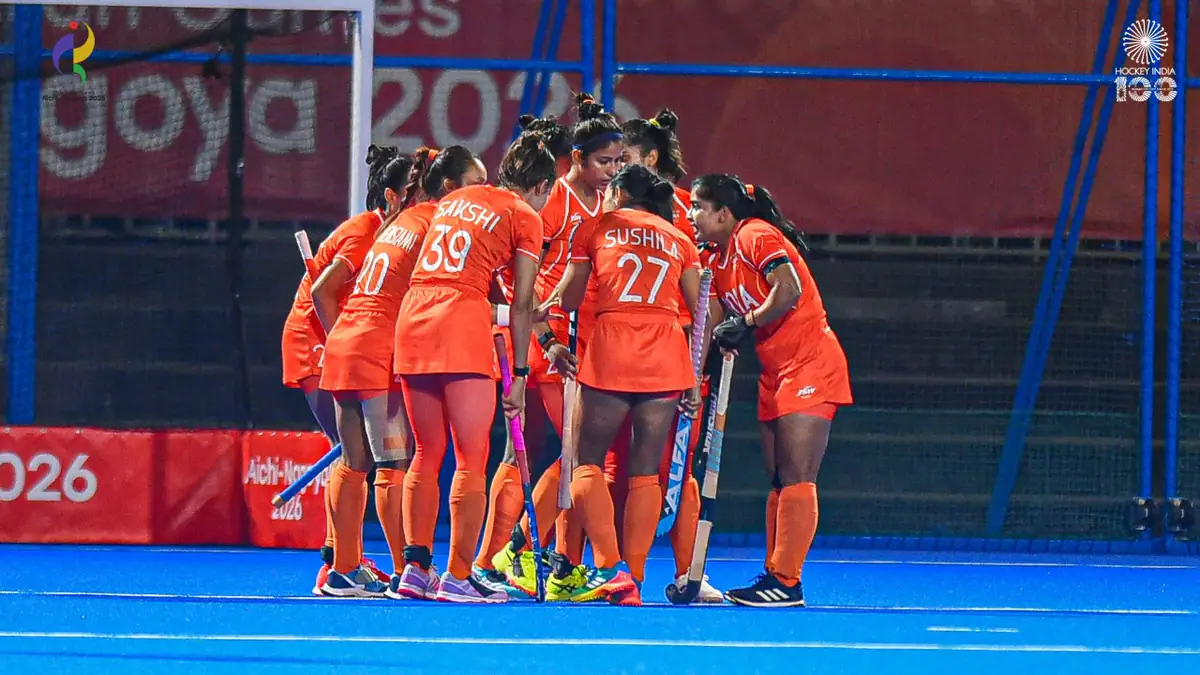
Forty-four years after India’s only Asian Games gold in women’s hockey, the Indian team stands one victory away from ending one of the longest title droughts in its history.
On Friday, India will face defending champions China in the women’s hockey final at Kakamigahara, with the Asian Games title and qualification for the LA 2028 Olympic Games both at stake. India last won the Asian Games women’s hockey gold in 1982. Since then, the team has twice reached the final without completing the job, taking silver in 1998 after losing to South Korea and again in 2018 after defeat against Japan.
This generation now has an opportunity to change that history.
India’s confidence is not built solely on their Asian Games campaign. The team won the FIH Nations Cup earlier in 2026 before producing its best World Cup finish in 52 years, ending the FIH World Cup in Belgium and the Netherlands in fifth place.
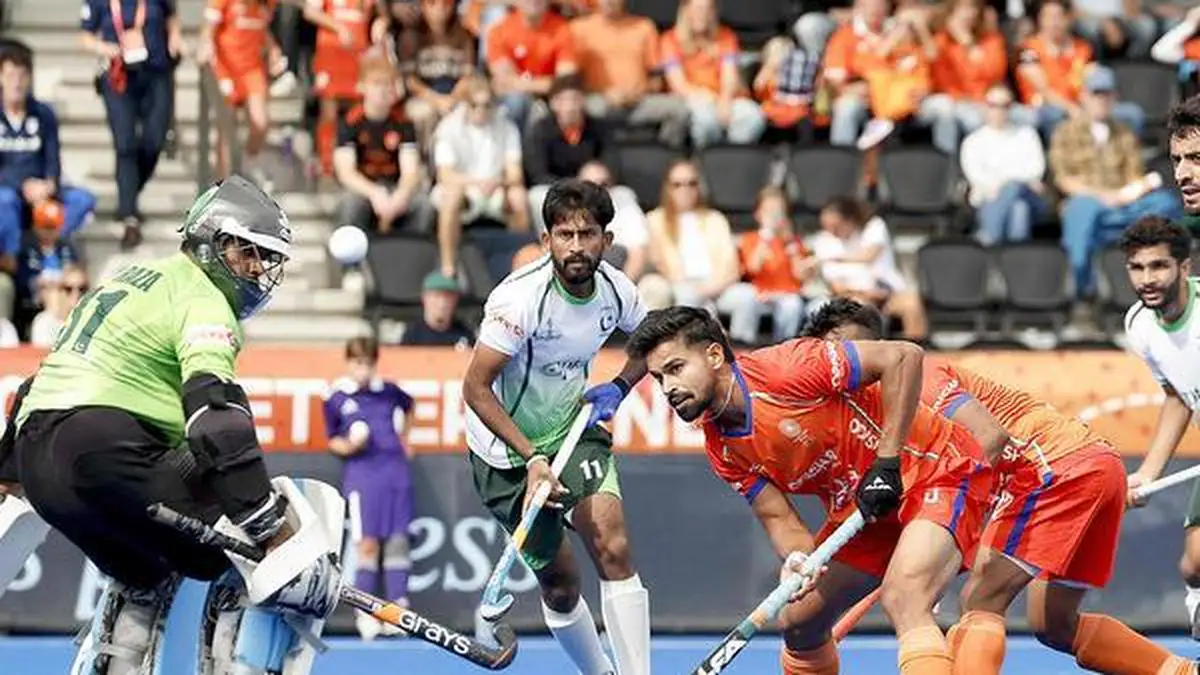
That World Cup campaign also provided India with a useful reference point ahead of Friday’s final. India held world No. 4 China to a goalless draw in Amsterdam, demonstrating that the defending champions can be contained when India maintain their defensive structure and discipline. The two sides have subsequently remained unbeaten at the Asian Games.
Both topped their respective pools with perfect records, but neither had an easy route into the final. China were held to a 0-0 draw by hosts Japan in their semifinal and needed a shootout to settle the contest. The defending champions eventually prevailed 4-2 on shootout attempts.
India also had to work hard for their place in the final against South Korea.
India controlled significant portions of the semifinal but found South Korea difficult to break down. The breakthrough finally arrived late in the third quarter when Ishika found the opening India had been searching for. Captain Salima Tete then doubled the advantage in the fourth quarter, securing a 2-0 victory and India's place in the final.
The performance reflected one of the defining characteristics of this Indian side: patience. Chief Coach Sjoerd Marijne highlighted that aspect after the semifinal.
“For us it was really important to stay calm and have patience, and I think we did that really well.”
That patience could be even more important against China.
Marijne acknowledged that India will face a highly experienced opponent despite their confidence following the World Cup. “We have confidence, but we also realize that China is a very good team,” he said, while pointing to China's world No. 4 ranking and their experience at the highest level. He also identified areas India can improve from the semifinal before facing the defending champions.
India's campaign has been driven by a potent combination of defensive organisation and attacking variety. At the back, Savita and Bichu Devi have provided reliable options in goal. India have also shown an ability to score through different routes, combining penalty-corner efficiency with goals from open play.
Deepika has been the standout attacking player. She leads the tournament scoring charts with 21 goals in six matches, including an extraordinary 19 goals from penalty corners. Her ability to convert set-piece opportunities gives India a major attacking weapon, particularly in a final where chances could be limited.
Navneet has also made a significant contribution, scoring 10 goals, including seven from field play. That variety means China cannot focus exclusively on defending India's penalty-corner routines. India have demonstrated that they can also hurt opponents through attacking movement and field play.
China bring their own scoring threat
The defending champions have considerable firepower of their own. Zhong Jiaqi leads China's scoring charts with nine goals, while Chen Yi and Zhang Ying have contributed seven each. China's ability to remain composed under pressure was evident in their semifinal against Japan. Unable to score during regulation time, they stayed organised through 60 minutes before prevailing in the shootout.
That experience could prove important in a final where momentum can change quickly. India, meanwhile, will need to balance their attacking ambition with the defensive discipline that helped them progress through the tournament. The World Cup draw against China demonstrated that India can keep the Chinese attack quiet, but the final will demand another complete performance.
Gold and Olympic qualification at stake
The significance of the final extends beyond the Asian Games medal table. The gold-medal winner will secure qualification for the LA 2028 Olympic Games, making Friday’s contest one of the most consequential matches of the Indian women’s hockey cycle. For India, the opportunity is particularly significant.
A victory would end a 44-year wait for Asian Games gold, add another major title to a team that has already won the Nations Cup in 2026, and secure an Olympic berth. For China, the challenge is to defend the title they won at the previous Asian Games.
The World Cup meeting ended goalless. The Asian Games final cannot. One team will leave Kakamigahara with gold, while the other will have to settle for silver.
After four decades of waiting, India enter the final with a clear opportunity: win one more match and the 1982 triumph will no longer stand alone in the record books.
Comments (0)
to post comments, replies, and votes.
Loading comments…