Indian Women Rowers Secure Two Bronze Medals at Asian Rowing Cup in Chungju
 Follow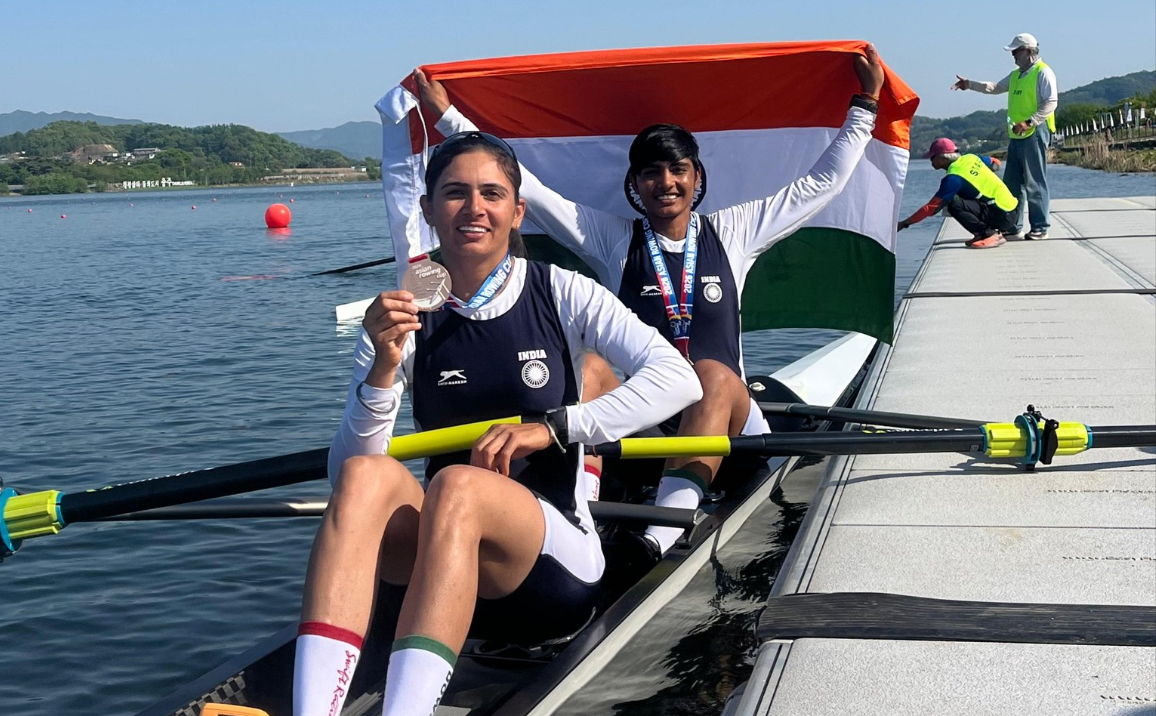
India’s women rowers delivered a composed and effective performance at the Asian Rowing Cup in Chungju, South Korea, returning with two bronze medals despite a relatively small contingent.
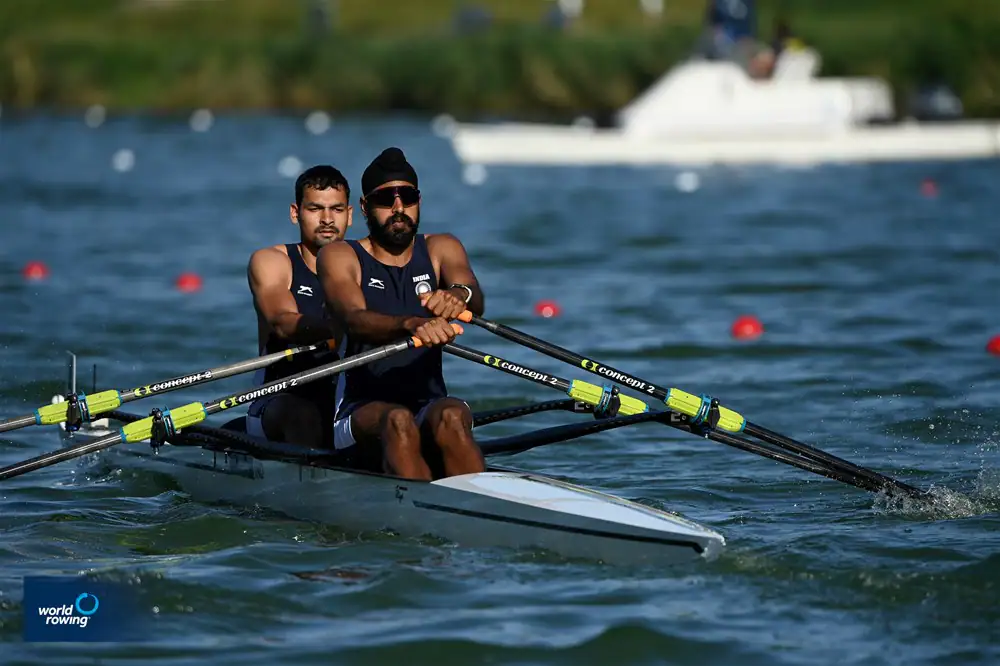
The results, achieved in both the coxless pair and double sculls events, underline steady progress in women’s rowing and provide encouraging signs ahead of the 2026 Asian Games. The Indian women’s coxless pair combination of Suman Devi and Diljot Kaur secured a podium finish in the W2- event, clocking 8:02.384 to claim bronze. In a discipline that demands precise coordination and sustained power output, the duo maintained a controlled race pattern to stay competitive through all phases of the course.
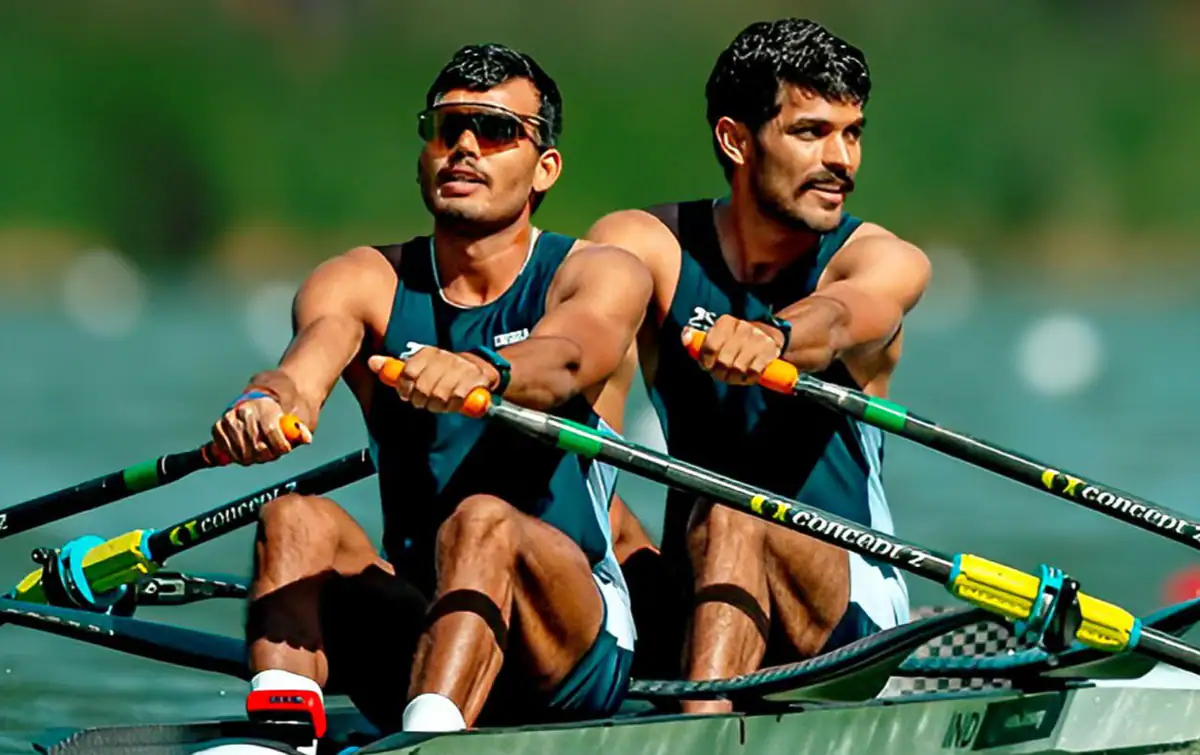
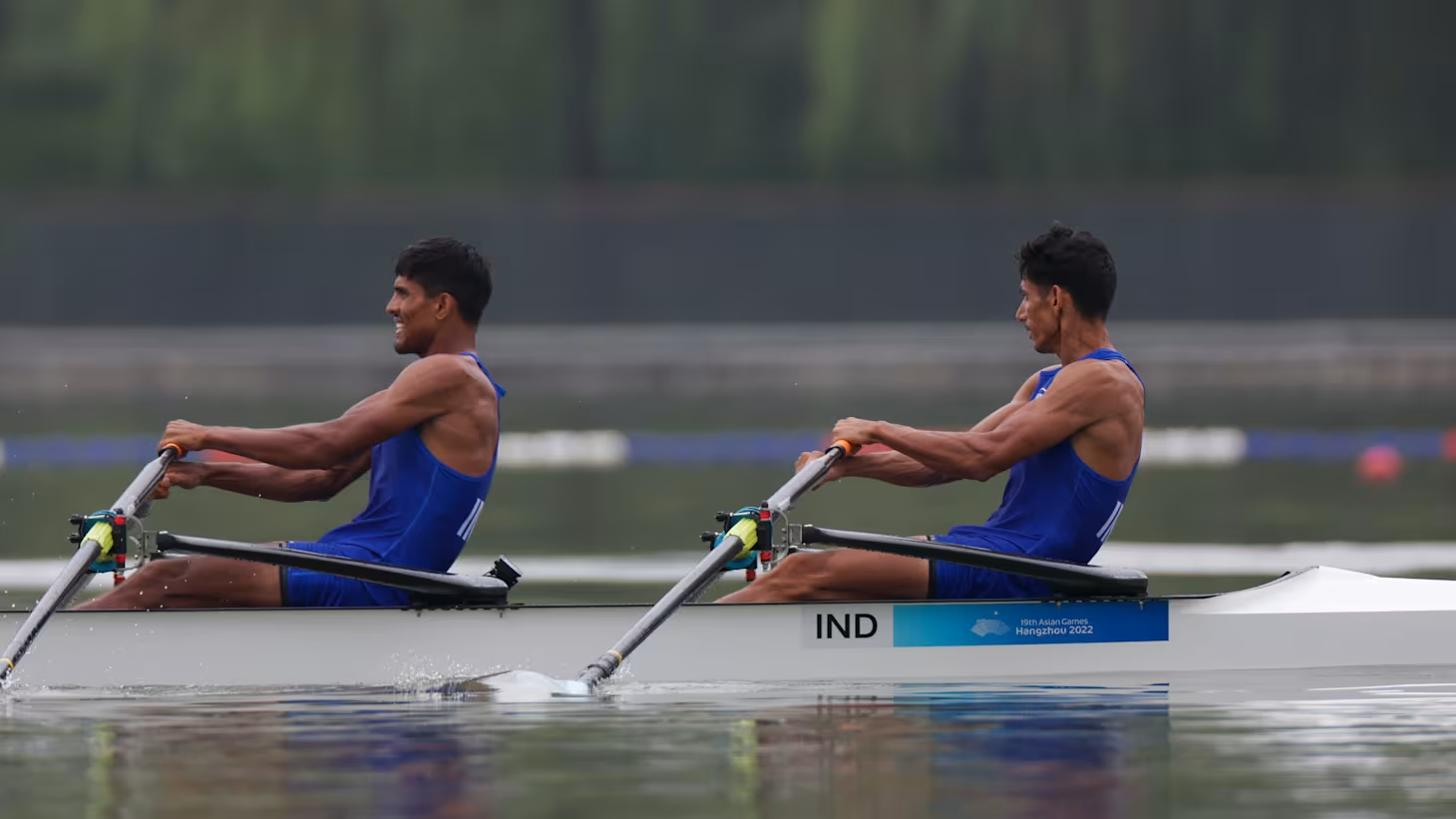
The coxless pair event places significant emphasis on synchronisation, as there is no coxswain to guide rhythm or strategy. Suman and Diljot’s ability to maintain alignment and stroke efficiency across the race distance reflects both technical preparation and race awareness. Their timing places them within a competitive bracket at the continental level, particularly in an event where margins are often dictated by consistency rather than bursts of speed. In the women’s double sculls (W2x), the pairing of Poonam and Priya Devi Thangjam also finished third, registering a time of 7:49.729. Unlike the coxless pair, the double sculls event allows each athlete to operate two oars, placing a premium on balance, blade work, and rhythm. The Indian pair executed a stable race, ensuring that they remained within contention and capitalised on their pacing strategy to secure a medal.
The double sculls result is particularly notable given the technical demands of the event. Maintaining boat stability while generating speed requires a high level of coordination between the rowers. Poonam and Priya’s performance suggests a growing level of technical refinement, which will be critical as they prepare for higher-level competitions. Both boats have also secured qualification for the 2026 Asian Games, adding further significance to their podium finishes. Qualification through performance rather than allocation reflects a level of competitiveness that aligns with continental standards, offering a clearer pathway toward stronger results in multi-sport events.
What makes these achievements more noteworthy is the context in which they were delivered. India fielded a limited number of athletes at the competition, reducing opportunities for broader medal contention. Despite this, the women’s squad managed to convert participation into podium finishes, highlighting efficiency in preparation and execution.
The Asian Rowing Cup often serves as a developmental platform, but it also provides valuable race exposure against regional competitors. For Indian rowers, such competitions are essential in bridging the gap between domestic training environments and international racing conditions. Factors such as water conditions, race pressure, and competition structure can significantly influence performance, and experience in these settings is crucial for long-term progression.
From a broader perspective, these results indicate a gradual strengthening of India’s women’s rowing programme. Historically, rowing in India has seen sporadic success, often dependent on individual performances. However, consistent results across events suggest a more structured approach to athlete development. The qualification of both the coxless pair and double sculls crews for the Asian Games also points to improved depth in women’s rowing. Having multiple competitive boats increases the likelihood of sustained performance across events, rather than reliance on a single medal prospect.
Looking ahead, the focus will shift toward converting these podium finishes into stronger performances at major championships. While bronze medals at the Asian Rowing Cup are a positive outcome, the challenge will be to close the gap with leading Asian nations, particularly in terms of race pace and finishing speed. For Suman Devi, Diljot Kaur, Poonam, and Priya Devi Thangjam, the immediate objective will be refining race execution and improving timing consistency. Small gains in stroke efficiency and pacing can translate into significant improvements over a 2000m race, especially at elite levels where margins are minimal.
The Chungju outing may not have featured a large Indian contingent, but it delivered meaningful results. Two medals, Asian Games qualification, and valuable international exposure collectively mark this as a productive campaign.
As Indian rowing continues to evolve, performances like these reinforce the importance of targeted participation and focused preparation. The foundation is being built steadily, and with sustained support and competitive exposure, the trajectory suggests potential for stronger results in the coming cycle.
Comments (0)
to post comments, replies, and votes.
Loading comments…