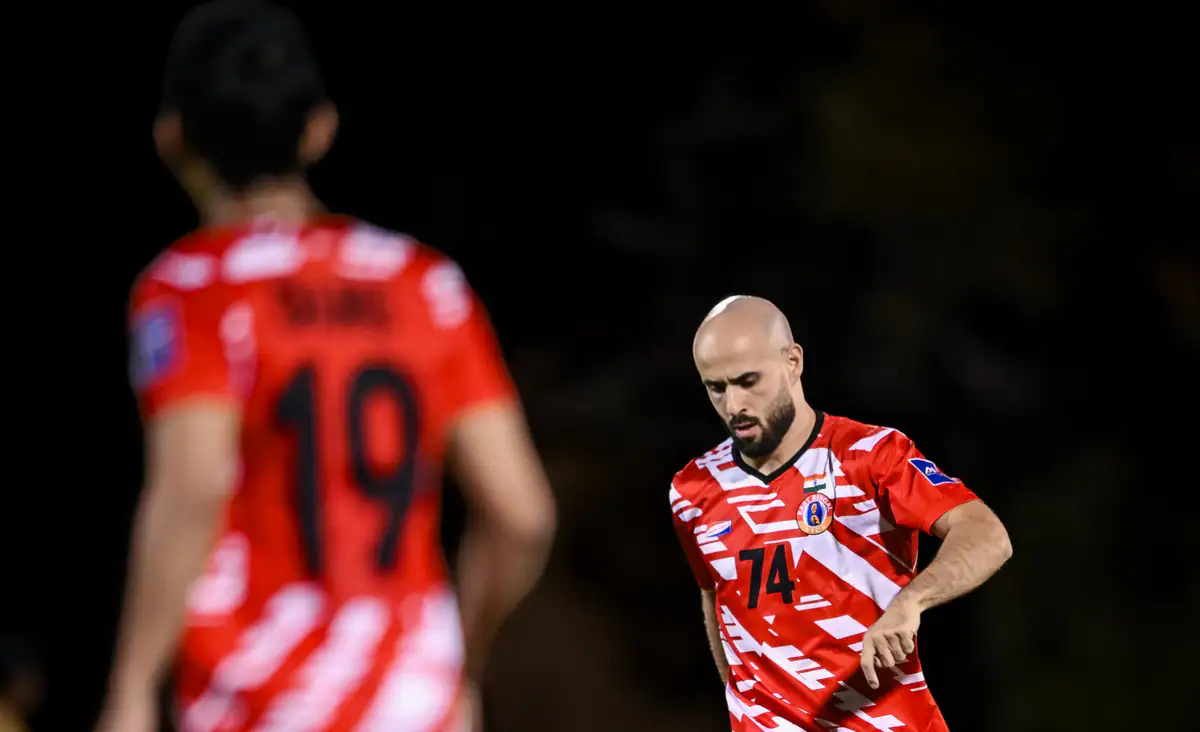
Three Key Takeaways from India’s FIFA Women’s Series 2026 Campaign
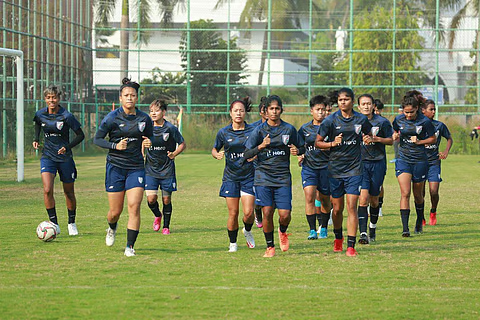
India’s women’s national team wrapped up their FIFA Women’s Series 2026 campaign in Nairobi with a 3-2 victory over Malawi in the third-place playoff.
India’s women’s national team wrapped up their FIFA Women’s Series 2026 campaign in Nairobi with a 3-2 victory over Malawi in the third-place playoff.
On paper, the result offers a positive conclusion, but the broader campaign under head coach Crispin Chhetri presents a more nuanced picture. Across two matches, India registered one win and one loss, scoring three goals and conceding four. While the results themselves were mixed, the tournament served a deeper purpose exposing a young, largely inexperienced squad to international football. For a team in transition, the campaign was less about outcomes and more about assessment, adaptation, and long-term development.
Here are three key takeaways from India’s outing in Kenya.
A Young Squad Showing Fight, But Still Finding Its Feet
One of the most defining aspects of India’s campaign was the composition of the squad. Several players were making their senior international debuts, stepping into a competitive environment without prior exposure at this level. This lack of experience was evident in the opening match against Kenya, where India were outplayed in a 2-0 defeat. Kenya controlled large phases of the game, demonstrating superior physicality, composure, and tactical clarity.
However, the response against Malawi revealed a different side to the team. Despite being expected to dominate a lower-ranked opponent, India were pushed throughout the match and had to rely on resilience and determination to secure a narrow 3-2 win. That contrast being outclassed in one game and grinding out a result in another reflects a team still in its developmental phase. The encouraging takeaway is not just the win, but the mindset displayed. The ability to respond after a defeat and fight through difficult moments suggests a foundation that can be built upon.
For a young group, these experiences are critical. Exposure to varied match scenarios being under pressure, chasing results, and defending leads contributes significantly to long-term growth.
Inexperience and Game Management Remain Key Concerns
While the fighting spirit was evident, the campaign also highlighted the impact of inexperience at the international level.
Against Kenya, India struggled to cope with the tempo and physical demands of the game. Decision-making under pressure, positional discipline, and ball retention were areas where the opposition held a clear advantage. Kenya’s ability to win duels and control possession exposed gaps in India’s structure. Even in the win over Malawi, there were moments of vulnerability. India were unable to fully assert control despite facing a lower-ranked side. Defensive lapses and phases of uncertainty allowed Malawi to stay in the contest longer than expected.
This points to a broader issue game management. Experienced teams know when to control tempo, when to press, and how to close out matches efficiently. These are skills that come with exposure and repetition at the highest level. For India, the lack of such experience meant that key moments often became turning points in favour of the opposition. Whether it was conceding control in midfield or failing to capitalise on attacking phases, the team’s inconsistency stemmed largely from inexperience.
That said, these shortcomings are not unexpected for a young squad. More importantly, they are correctable. With continued exposure to international fixtures, players can develop the composure and awareness required to handle high-pressure situations.
Tactical Experimentation and Positional Flexibility
Another significant aspect of the campaign was the tactical experimentation by head coach Crispin Chhetri. With several senior players unavailable, the coaching staff used the tournament to test players in unfamiliar roles. This approach was particularly visible in the attacking setup. Players were deployed in positions outside their natural roles, challenging them to adapt and contribute in different phases of play.
Aveka Singh’s role as a central forward is a notable example. Traditionally a midfielder, she was tasked with leading the line in both matches. Despite the adjustment, she showed encouraging signs particularly against Malawi, where her movement and finishing ability contributed to India’s attacking output. Such experiments serve multiple purposes. They allow the coaching staff to assess positional versatility, identify alternative tactical options, and understand how players respond under different demands.
In the absence of established attackers like Manisha Kalyan, Dangmei Grace, and Pyari Xaxa, this approach also provided insights into potential backups and long-term replacements. While these changes may have contributed to inconsistencies in performance, they align with a broader developmental objective. Building a squad capable of adapting to different systems and match situations is essential for sustained progress.
India’s FIFA Women’s Series 2026 campaign may not have delivered dominant results, but it achieved something equally important clarity. The tournament highlighted both the potential and the gaps within the current squad. It reinforced the importance of experience, exposed areas requiring technical and tactical refinement, and offered a platform for emerging players to stake their claim.
For Crispin Chhetri and his staff, the takeaways are clear. The next phase will involve building continuity, refining roles, and gradually reintegrating experienced players to complement this young core. For the players, the campaign serves as an initiation into the demands of international football. The lessons learned in Nairobi from handling pressure to adapting tactically will be invaluable as they progress.
In the larger context, this could mark the beginning of a new cycle for Indian women’s football. The results may have been mixed, but the process has begun and that, in many ways, is the more important outcome.
Comments (0)
to post comments, replies, and votes.
Loading comments…