Jwala Gutta and Ashwini Ponnappa: The 2011 World Championships Run That Ended India’s 28-Year Wait
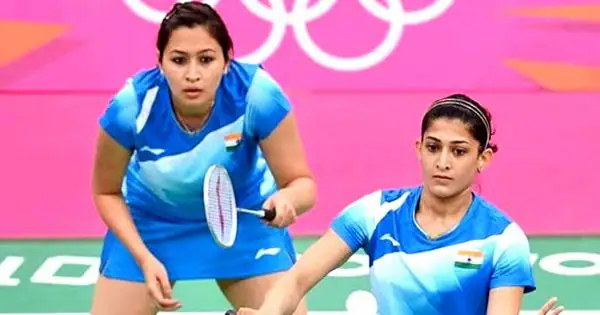
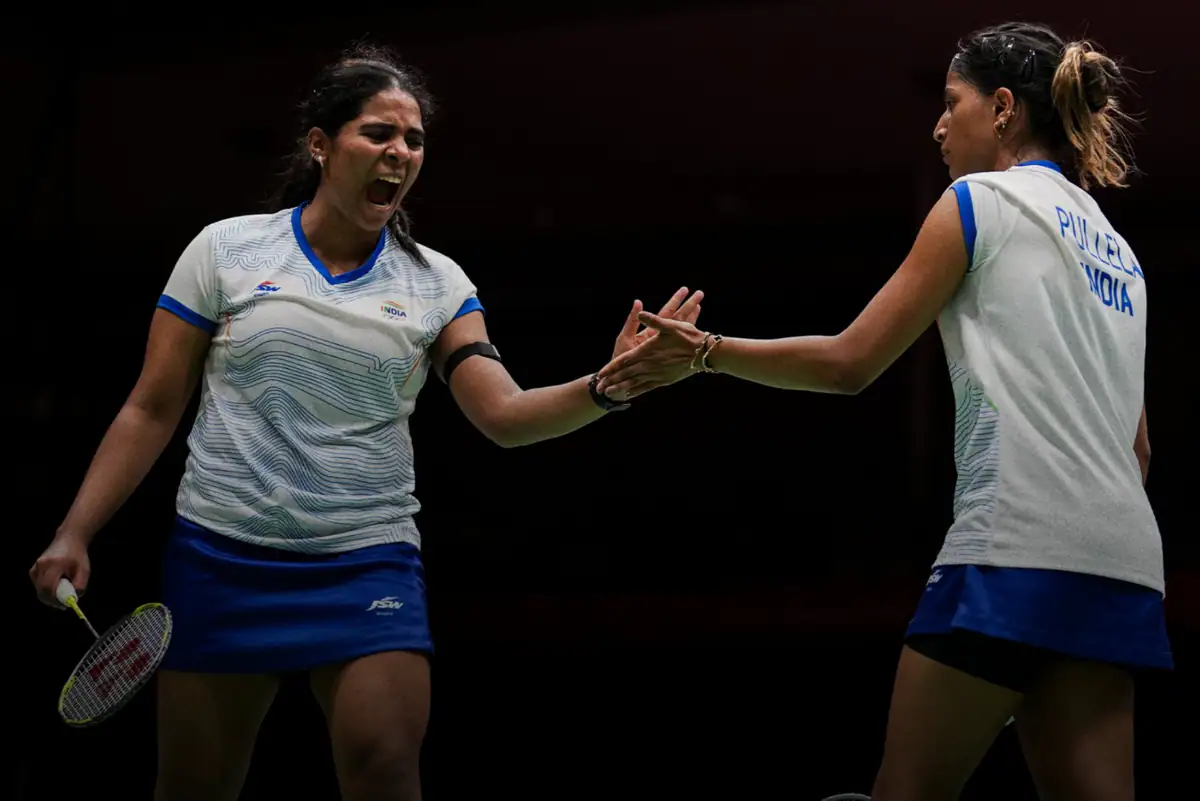
Jwala Gutta and Ashwini Ponnappa ended India’s 28-year wait for a second World Championships medal with a historic bronze in women’s doubles at the 2011 BWF World Championships.
India had to wait 28 years for its second medal at the BWF World Championships. When it finally arrived in 2011, it came from an unseeded women's doubles pair that refused to be intimidated by rankings, reputations or the weight of history.
Jwala Gutta and Ashwini Ponnappa entered the World Championships in London without a seeding. They left with a bronze medal, becoming the first Indian women's doubles pair to stand on the World Championships podium and setting in motion a new era for Indian badminton.
Their achievement was significant not merely because of the medal, but because of the way they earned it. India's first World Championships medal had come through Prakash Padukone, who won bronze in men's singles in 1983. For the next 28 years, no Indian player or pair could add another medal at the event.
That drought ended with Gutta and Ponnappa.
An Unseeded Pair With Nothing to Lose
The 2011 World Championships represented a major challenge from the beginning. Women's doubles was packed with established pairs from China, Indonesia, Hong Kong, Chinese Taipei and other badminton powerhouses. Gutta and Ponnappa were not among the seeded contenders.
That, however, perhaps worked in their favour. They began their campaign against a pair from the United States and won comfortably in straight games, 21-9, 21-18, in the opening round. The next challenge was significantly tougher. In the Round of 32, the Indians faced Cheng Wen-hsing and Chien Yu-chin of Chinese Taipei, the second seeds and former World No. 1 pair. On paper, it was a major mismatch.
On court, Gutta and Ponnappa produced one of the biggest upsets of the tournament. They won 21-18, 21-18, eliminating one of the strongest pairs in the draw and suddenly placing themselves among the serious contenders for the medals. The victory changed the complexion of their campaign.
The Round of 16 brought another difficult opponent in Poon Lok Yan and Tse Ying Suet, the 11th seeds from Hong Kong. This time, the Indian pair had to demonstrate a different quality. They lost the opening game 19-21, putting themselves under immediate pressure. But instead of allowing the match to slip away, Gutta and Ponnappa fought their way back.
They won the second game 21-17 and held their nerve in a tense decider, taking it 21-19. The comeback was important because it demonstrated that their campaign was not simply built around one upset victory. The pair had the resilience to survive difficult moments and recover from setbacks.
One more victory would guarantee India a medal.
In the quarter-finals, Gutta and Ponnappa faced Indonesia's Vita Marissa and Nadya Melati, the 12th seeds. Once again, the Indians found themselves behind after the opening game. They lost the first game 17-21, but their response was emphatic. Gutta and Ponnappa completely changed the momentum, winning the second game 21-10 before closing out the decider 21-17.
With that victory, India's long wait was finally over. A 28-year World Championships medal drought had ended.
More importantly, Gutta and Ponnappa had secured India's first-ever medal in women's doubles at the World Championships. The bronze was assured before they even stepped onto court for the semifinals.
The semifinal brought another formidable challenge: China's Tian Qing and Zhao Yunlei, the fifth seeds. The Chinese pair had a reputation that went beyond their seeding. They were considered considerably stronger than their position in the draw suggested and represented the depth of China's women's doubles system.
Gutta and Ponnappa fought hard but could not reproduce the magic of their previous four rounds. They lost 14-21, 16-21.
Their World Championships campaign was over, but their achievement was already historic. The semifinal defeat did little to diminish what they had accomplished. Four consecutive victories had taken an unseeded Indian pair from the opening round to the World Championships podium.
The significance of Gutta and Ponnappa's bronze extended well beyond London. They became the first Indian women's doubles pair to win a World Championships medal, creating a pathway for future generations to believe that Indian badminton could compete for medals outside men's singles.
Their run also demonstrated something important about Indian badminton at the time: success did not necessarily have to come from the most heavily favoured players. The pair defeated a former World No. 1 combination, survived a three-game battle against a seeded Hong Kong pair and came from behind again in the quarter-finals against Indonesia.
The bronze medal therefore represented more than a podium finish. It was a breakthrough. For Gutta and Ponnappa, it was the reward for years of competing against established international pairs. For Indian badminton, it was the beginning of a new trend.
After 2011, Indian players would increasingly arrive at World Championships expecting to challenge for medals rather than simply hoping to reach the latter stages. Gutta and Ponnappa had shown the way. Their bronze in London remains India's first and only World Championships medal in women's doubles, but its impact cannot be measured by the colour of the medal alone.
Twenty-eight years after Padukone's bronze, two unseeded Indians walked onto the World Championships podium.
They did not simply end a drought.
They started a trend.
Credit NavinSports on X
Comments (0)
to post comments, replies, and votes.
Loading comments…