Neeraj Chopra’s Absence a Major Blow for India, but 2026 Setback Could Shape LA28 Comeback
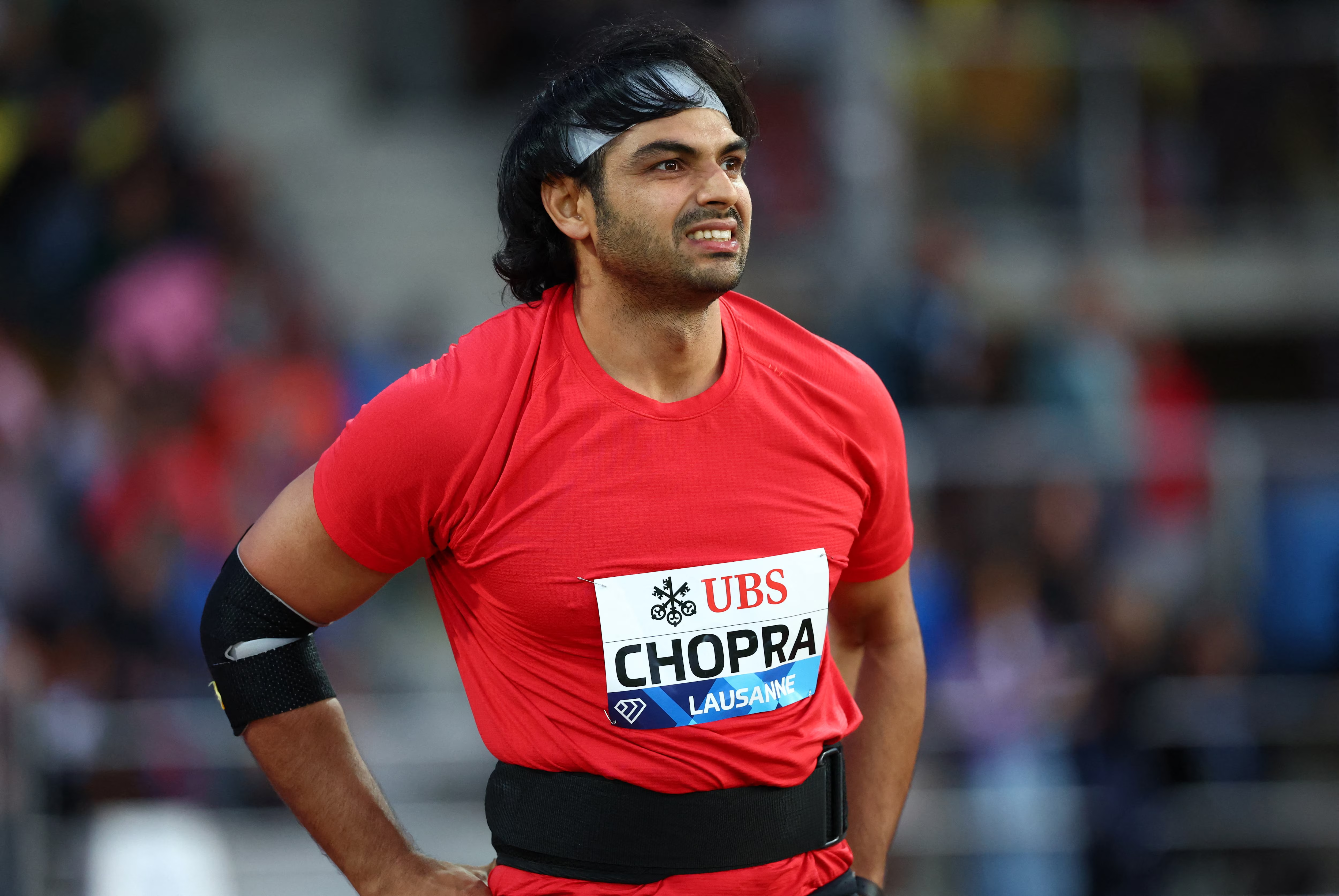
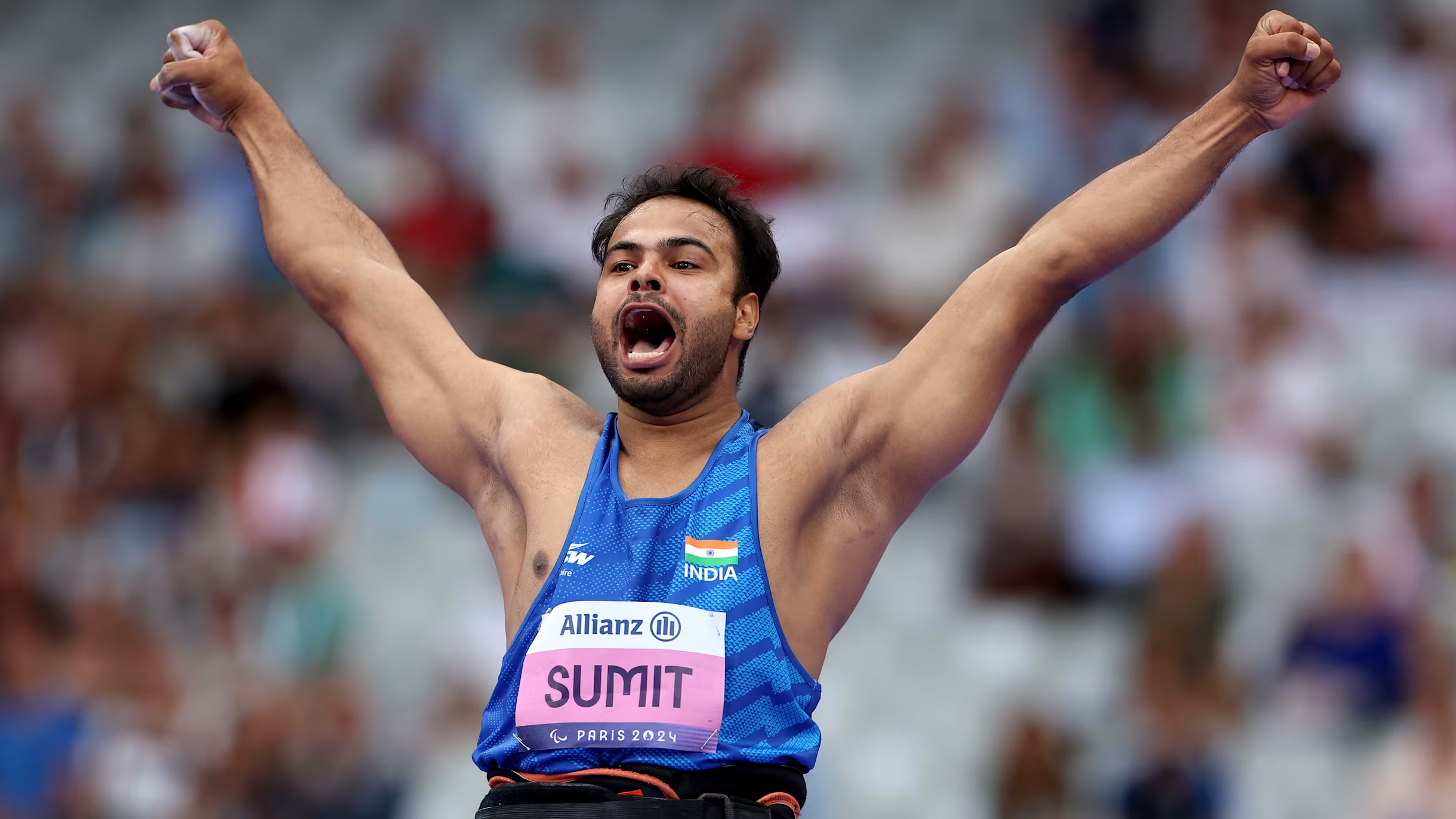
Neeraj Chopra’s decision to withdraw from the remainder of the 2026 athletics season has dealt a major blow to India’s medal hopes, particularly with the Asian Games in Aichi-Nagoya just weeks away.
But while his absence will undoubtedly leave a sizeable void, the decision to prioritise rehabilitation over competition could prove far more important for Chopra’s long-term career.
The two-time Olympic medallist and former world champion announced on August 29 that he would miss the remainder of the season after suffering an ankle ligament tear during a high-intensity training session. The injury came shortly after Chopra had shown encouraging signs of returning to his best, producing a season-best 88.05m at the Lausanne Diamond League to finish second.
His withdrawal means India will be without its biggest athletics star at three major events: the Diamond League Final in Brussels, the inaugural World Athletics Ultimate Championships in Budapest and the 2026 Asian Games in Aichi-Nagoya. Chopra had qualified for the Diamond League Final and was expected to defend his Asian Games title.
The impact of Chopra’s absence goes far beyond the javelin sector. Over the past several years, Chopra has become synonymous with Indian athletics. His performances at the Olympics, World Championships, Asian Games and Diamond League have transformed the visibility of track and field in the country.
Whenever Chopra enters a major competition, he carries enormous attention and expectation. His presence itself has become part of India's athletics narrative, with fans and the wider sporting audience looking towards him for a potential medal.
That will not happen in Aichi-Nagoya.
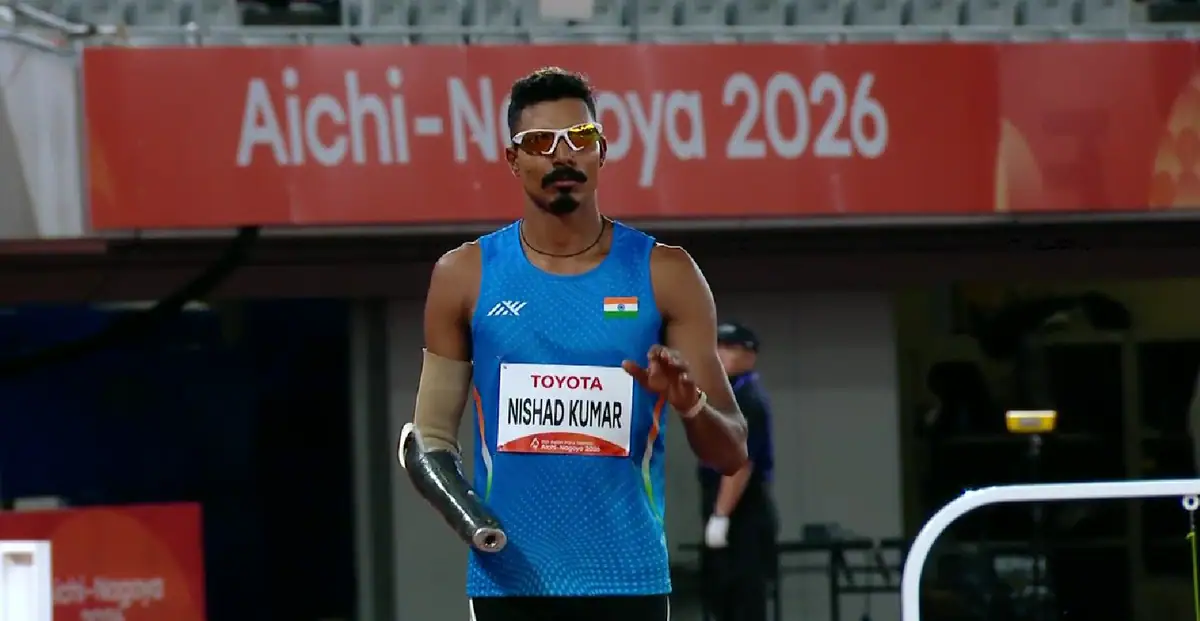
India's athletics contingent will instead have to find its headline performances elsewhere. The country still has a strong 73-member track and field squad, featuring established Asian Games champions and major international medal contenders. Athletes such as Avinash Sable, Tajinderpal Singh Toor, Parul Chaudhary, Jyothi Yarraji, Murali Sreeshankar and Annu Rani will carry significant medal hopes.
But replacing Chopra's influence is not simply about replacing one medal. It is about replacing the certainty and expectation that have surrounded Indian javelin for nearly a decade.
Rohit Yadav emerges as India’s new javelin hope
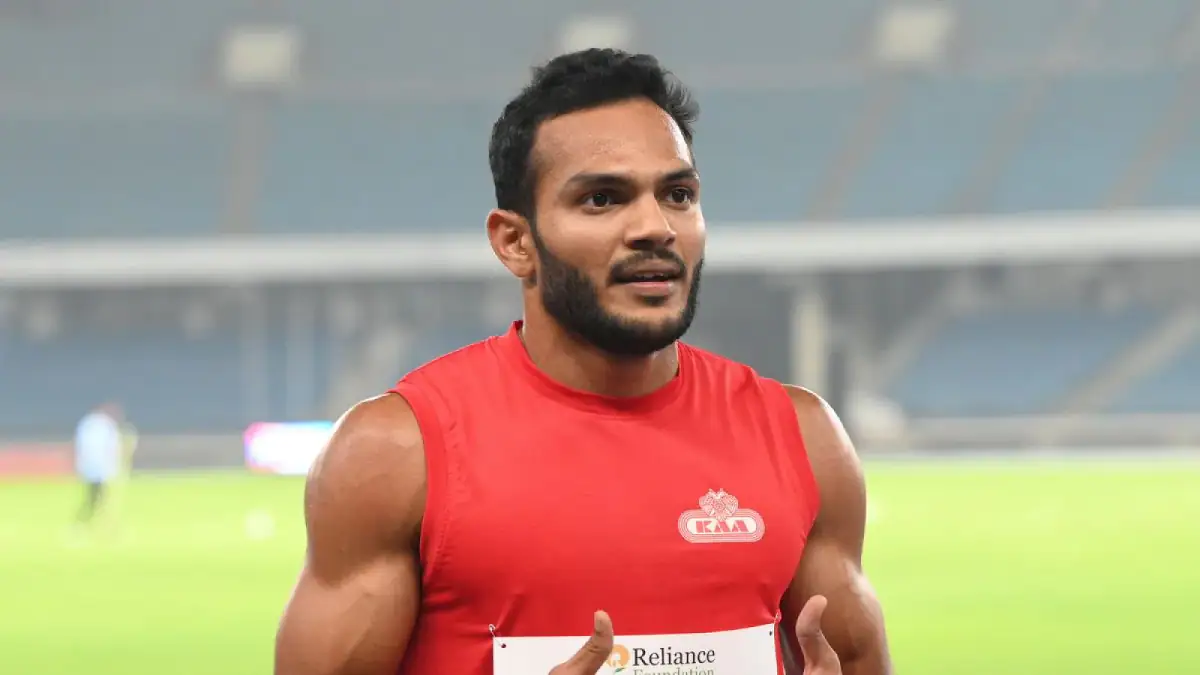
The immediate focus in men's javelin now shifts to Rohit Yadav, who has produced a major breakthrough in 2026. At a World Athletics Continental Tour Silver meeting in Bhubaneswar on August 22, Yadav threw a personal-best 87.68m, moving to second on India's all-time list behind Chopra. His throw also ranked fourth globally in the 2026 season at that stage and third among Asian throwers.
The performance was particularly impressive given the circumstances. Yadav struggled with the slippery runway in rainy conditions and suffered knee discomfort after a fall during his second attempt. After registering two fouls, he gradually rebuilt his rhythm before producing his 87.68m effort on his sixth and final throw.
His emergence gives India a legitimate contender in Chopra’s absence.
However, the challenge is significant. Sri Lanka's Rumesh Tharanga Pathirage and Pakistan's Arshad Nadeem remain major contenders in Asian javelin, meaning India's hopes of another javelin gold medal will now rest on Yadav rather than the athlete who has dominated the event for years.
Chopra's injury also highlights the extraordinary physical demands of competing at the highest level. Javelin throwing is not simply an upper-body movement. The throw relies on an intricate kinetic chain that begins with the lower body before transferring energy through the hips, torso, shoulder, elbow and wrist.
During the crucial block phase, the plant leg must absorb enormous forces as the athlete rapidly converts horizontal momentum into rotational energy. The ankle therefore plays a critical role in maintaining stability and transferring force effectively.
An ankle ligament injury can compromise that foundation.
Attempting to return before the joint has fully recovered could lead to mechanical compensations, potentially placing additional stress on the knee, hip or lower back. For Chopra, who has already dealt with significant physical issues during his career, the priority therefore has to be complete rehabilitation rather than an accelerated comeback.
The timing makes the latest injury particularly frustrating. Chopra entered 2026 after an extended rehabilitation period for a lower-back problem that had disrupted his previous season. His 2026 campaign began only in June, when he finished fourth at the Doha Diamond League with 85.69m.
He subsequently won silver at the Glasgow Commonwealth Games with 85.83m before producing his season-best 88.05m in Lausanne. The upward trajectory suggested that Chopra was moving towards his best form at precisely the point when the late-season schedule was approaching.
Instead, another injury has brought the campaign to an early conclusion. For an athlete competing across Diamond League events, global championships and continental competitions, managing workload becomes increasingly important.
Looking beyond 2026 towards Los Angeles
The biggest positive from Chopra's withdrawal is that it provides an opportunity to reset. At 28, he remains in the prime years of a javelin career, and the decision to sacrifice the final competitions of 2026 can be viewed as an investment in the next Olympic cycle.
The immediate temptation would be to focus on what India has lost at the Asian Games. The more important question is what Chopra can gain by giving his body time to recover properly.
The Los Angeles 2028 Olympics remain the larger objective. A rushed comeback could create further complications and potentially affect his throwing mechanics. A structured rehabilitation programme, followed by a carefully managed return to training and competition, gives Chopra a better opportunity to rebuild his physical base before the major championships of 2027 and the Olympic season.
India will miss its biggest star in 2026.
But Chopra's absence also creates an opportunity for the country's wider athletics programme to demonstrate that its medal ambitions are no longer dependent on one athlete.
Rohit Yadav's emergence is an encouraging sign. So too is the depth across other disciplines. For Chopra, meanwhile, the priority is simpler: recover fully, rebuild patiently and return when he is ready.
The 2026 season may have ended prematurely, but the bigger story could ultimately be about protecting the road to Los Angeles 2028.
Comments (0)
to post comments, replies, and votes.
Loading comments…