NADA’s October 2026 provisional suspension list names 14 sportspersons. Explore the athletics cases, coach complicity rules and clean sport concerns.
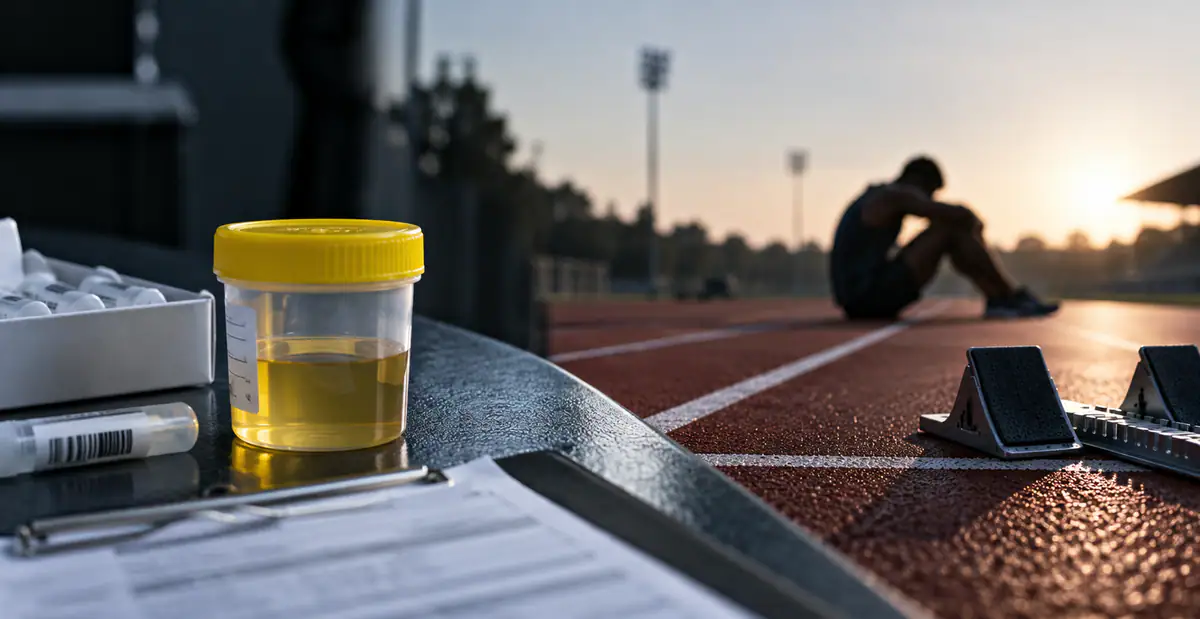
On October 12, 2026, the National Anti-Doping Agency published an updated provisional suspension roster placing 14 sports figures under formal investigation for suspected anti-doping violations. A notable feature of this regulatory notification is the heavy representation of track and field competitors. Out of the 14 individuals named in the update, 8 are associated directly with athletics. The remaining 6 individuals across other sporting disciplines comprise three wrestlers, namely Sushant Ambaji Tambulkar, Avinash, and Chirag, alongside weightlifters including Bhawana and an unnamed junior athlete.
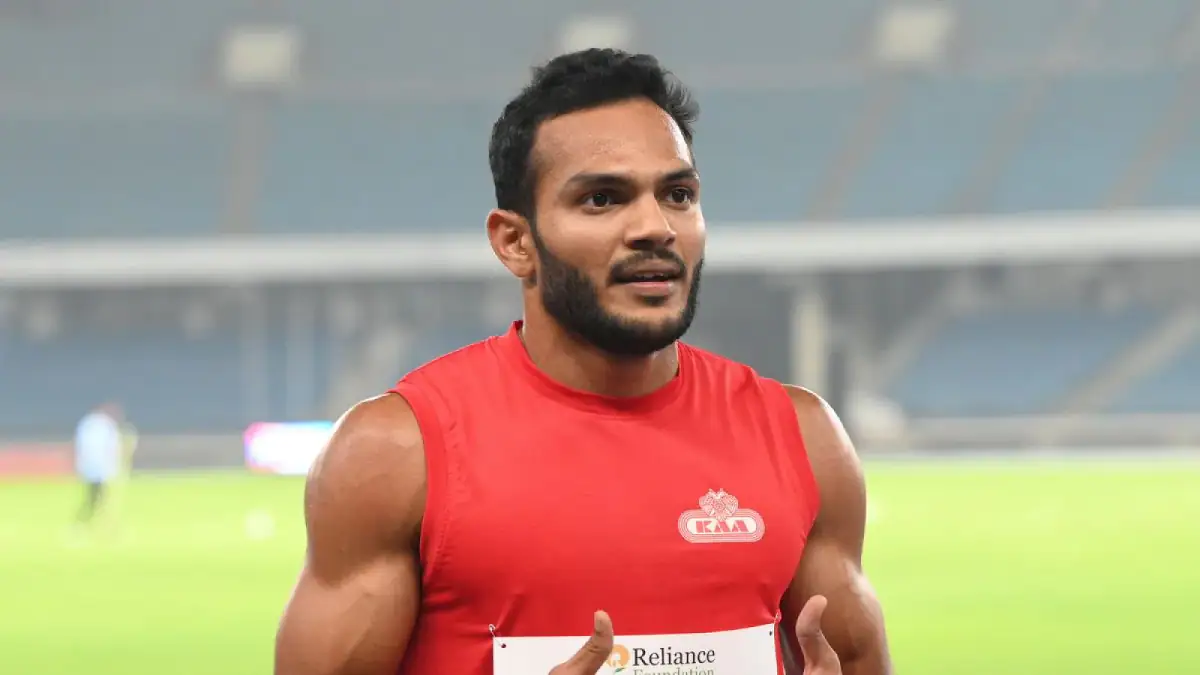
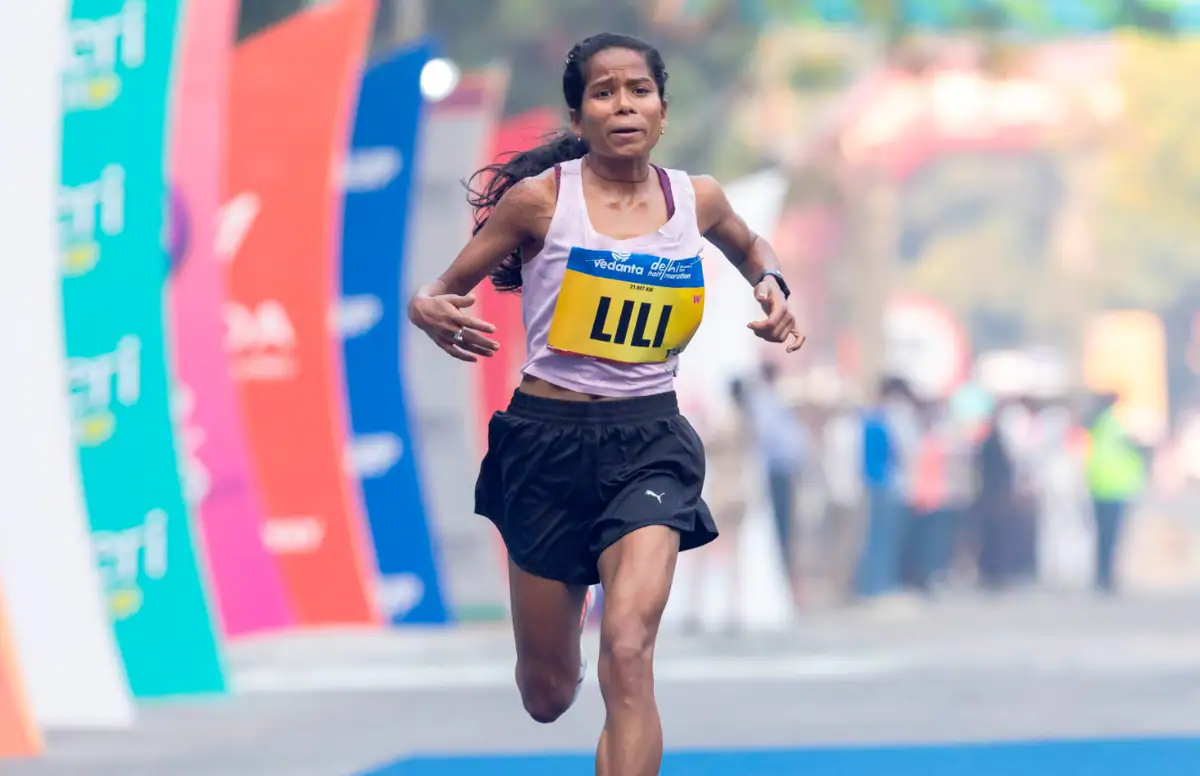
The track and field contingent includes 7 active competitors spanning sprint, middle-distance, and throwing events, alongside one established coach. The athletes named include:
Samir Deshmukh, a hammer thrower who placed tenth at the Indian Athletics Series-14.
Aditya Patial, a middle-distance specialist who secured third place in the first final of the men's 800-meter race at the Indian Athletics Series-5.
Mehardeep Kaur, a sprinter who finished fourth in the 400m final at the 2026 Junior Federation Cup and earned selection to national relay training pools.
Sakir, a middle-distance runner who earned the silver medal in the men's 1500-meter final at the 2026 National Senior Federation Cup in Ranchi with a time of 3:40.83.
Amit Majumdar, a javelin thrower who placed second at the Indian Athletics Series-11.
Shiva Tomar, an 800m runner who claimed victory in the second final at the Indian Athletics Series-9.
Rahul, a field athlete who took first place in the men's shot put at the Indian Athletics Series-11.
Mohammad Yunus Khan, a distance running coach based at the Army Sports Institute, who was provisionally suspended for regulatory complicity.
The disproportionate presence of track and field athletes in this sanction update reflects both the high volume of domestic in-competition testing conducted during recent athletic series and the persistent challenge of substance abuse in events that demand exceptional explosive power and aerobic endurance. Regulatory records indicate that most of the athlete suspensions in this cycle arose from laboratory findings indicating the presence of prohibited anabolic steroids.
Coach Complicity and Support Personnel Accountability under Anti-Doping Rules
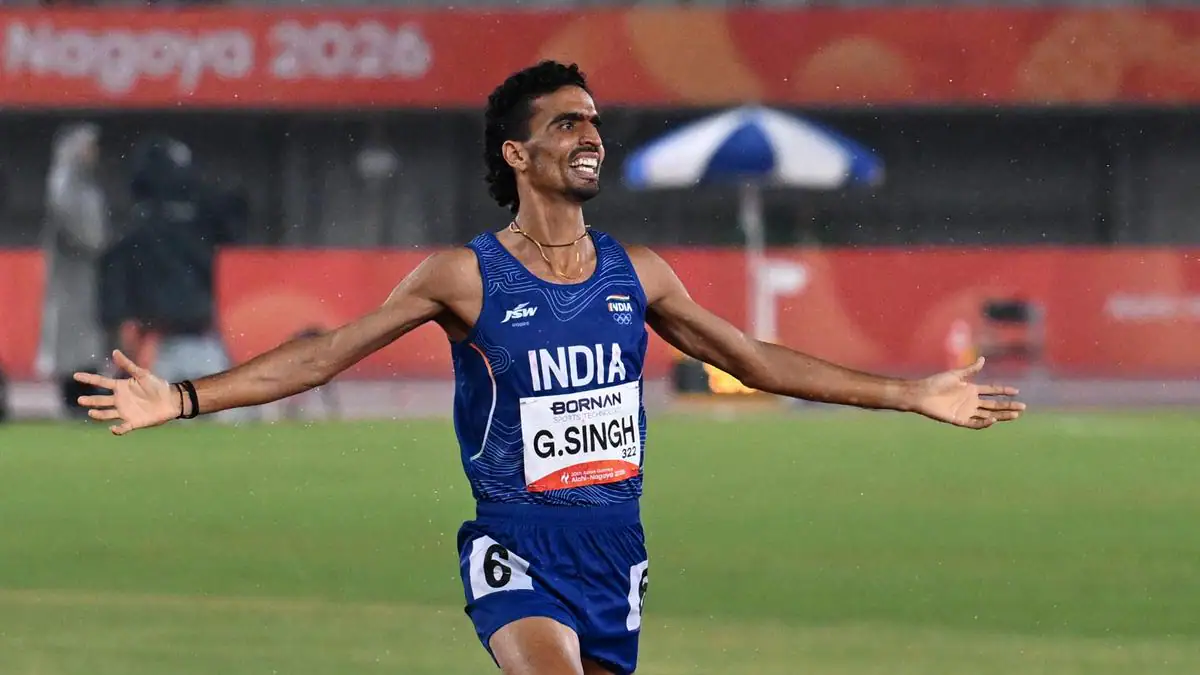
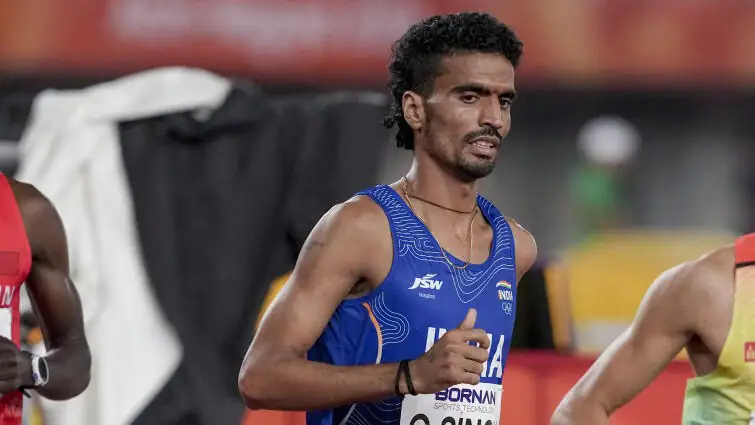
A major regulatory development in this notification is the provisional suspension of coach Mohammad Yunus Khan. Khan, a former national medalist who transitioned to coaching at the Army Sports Institute in Pune, has been an influential figure in Indian middle and long-distance running. During his coaching career, he contributed to the formative training of prominent distance runners, including Asian Games medalist Gulveer Singh and national marathon record-holder Sawan Barwal.
Unlike the competitive athletes charged with physical sample failures, Khan was provisionally suspended under Article 2.9 of the National Anti-Doping Agency Rules. Article 2.9 addresses complicity and attempted complicity, defining an anti-doping violation as assisting, encouraging, aiding, abetting, conspiring, covering up, or intentionally facilitating an anti-doping breach committed by another individual.
The allegations against Khan originate from his association with Kartik Kumar, a 10,000m silver medalist from the 2022 Asian Games who accepted a three-year suspension from the United States Anti-Doping Agency in November 2025 following positive tests for prohibited anabolic agents. Investigation findings indicate that Khan provided an official reference letter enabling Kumar to gain unauthorized access to a government-funded synthetic track facility in Uttarakhand for training purposes while Kumar was serving his period of ineligibility.
Under Article 10.14.1 of the anti-doping framework, an athlete serving a suspension is strictly barred from participating in any capacity in competitions, organized team sessions, or training activities conducted at facilities funded or recognized by sports governing bodies. The regulations outline an extremely narrow exception under Article 10.14.2, which allows an ineligible athlete to resume training using official facilities only during the final two months or the final quarter of their sanction, whichever is shorter. Because Kumar remained well outside that permitted return window, providing institutional assistance to facilitate his training directly breached governing standards.
This enforcement action highlights the broader legal reach codified under the National Anti-Doping Act of 2022. The contemporary regulatory environment does not restrict its focus to the athlete who provides a urine or blood sample. Support staff, including coaches, trainers, physiotherapists, and administrators, carry direct legal duties. If the charges are upheld by the independent Anti-Doping Disciplinary Panel, Khan faces a potential multi-year ban from all athletic activities, demonstrating that facilitating a violation carries severe professional consequences.
https://www.indiasportshub.com/articles/india-doping-crisis-and-the-legal-framework-for-clean-sports
The Legal Mechanics of Provisional Suspensions and Due Process
To interpret anti-doping announcements correctly, athletes, coaches, and sports observers must understand the precise legal meaning of a provisional suspension. A provisional suspension is an interim administrative restriction rather than a final verdict of guilt. Its purpose is to temporarily remove an individual from competitive and official sporting environments while disciplinary investigations and formal hearings take place.
When an accredited laboratory detects an adverse analytical finding in an athlete's "A" sample, or when an investigation produces documented evidence of a non-analytical violation, the anti-doping agency issues a formal notice of charge. The accompanying provisional suspension immediately bars the individual from entering sanctioned competitions, participating in official training camps, and holding recognized coaching responsibilities.
Throughout this process, the regulatory framework guarantees several legal protections to ensure fair adjudication. An athlete has the right to request the testing of their split "B" sample to verify the initial laboratory result. If the "B" sample confirms the finding, or if the charge involves a non-analytical breach, the individual may apply for a preliminary hearing to challenge the provisional suspension on procedural or evidentiary grounds. If the interim suspension remains in place, the individual has the right to present defense arguments, medical records, and expert witness testimony before the independent Anti-Doping Disciplinary Panel. If the panel issues an adverse decision, the individual can file an appeal with the Anti-Doping Appeal Panel or the Court of Arbitration for Sport.
A central legal pillar governing these proceedings is the principle of strict liability. Under sports anti-doping law, every athlete bears personal responsibility for any prohibited compound found in their body. The anti-doping agency is not required to establish deliberate cheating or culpable negligence to confirm that an anti-doping rule violation occurred. Demonstrating lack of significant fault or inadvertent exposure can reduce the eventual period of ineligibility, but it rarely eliminates the infraction entirely.
Systemic Drivers of Doping Infractions in Domestic Sports
The recurrence of doping cases across regional and national competitions points to structural challenges within the athletic ecosystem. A major contributing factor is the intense socioeconomic pressure tied to domestic performance milestones. In the Indian sporting landscape, podium finishes at state, university, and national meets often serve as the sole criterion for securing government employment, police recruitments, military sports quotas, and cash incentives. For young competitors from modest socioeconomic backgrounds, the financial difference between winning a medal and finishing just outside the podium can determine their long-term economic security, creating an environment where individuals may feel pushed toward pharmaceutical shortcuts.
Another common pathway to unintentional doping is the proliferation of unregulated dietary supplements. The domestic retail market features numerous multi-ingredient sports supplements, protein formulations, and pre-workout drinks that suffer from poor quality control and inaccurate labeling. Studies have repeatedly shown that commercial wellness products frequently contain undeclared anabolic steroids, stimulants, or selective androgen receptor modulators that are not listed on the packaging. Athletes who consume these products without third-party laboratory verification can easily register positive tests without intending to violate the rules.
This risk is compounded by persistent information gaps at the grassroots level. Many developing athletes lack structured education regarding the World Anti-Doping Agency Prohibited List. Competitors regularly consume over-the-counter cold remedies, cough syrups, pain relievers, or herbal concoctions without realizing that standard pharmaceutical preparations may contain prohibited substances such as pseudoephedrine or glucocorticoids. Furthermore, athletes frequently misunderstand the administrative requirements for therapeutic medications. When an athlete suffers from an acute or chronic medical condition that requires a banned substance, they must secure a formal Therapeutic Use Exemption from the National Anti-Doping Agency before taking the treatment. Consuming a medically necessary drug without prior exemption approval constitutes a violation under the code.
Health Consequences of Prohibited Substances and Clean Sport Guidelines
Beyond regulatory penalties and reputational damage, the misuse of performance-enhancing drugs poses severe, long-term health risks. Anabolic androgenic steroids disrupt normal physiological systems, leading to cardiovascular complications such as elevated blood pressure, unhealthy lipid profiles, arterial stiffening, and an increased risk of sudden cardiac arrest. Oral anabolic compounds place considerable strain on the liver and kidneys, often resulting in toxic hepatitis and organ damage. Furthermore, synthetic hormone intake shuts down the body's natural endocrine production, leading to persistent hormonal deficiencies, reproductive complications, and severe mood swings, depressive episodes, or behavioral changes upon substance withdrawal.
To avoid these health hazards and safeguard their sporting careers, athletes must integrate strict clean sport protocols into their daily training routines. Competitors should consistently consult the active World Anti-Doping Agency Prohibited List and utilize verified pharmaceutical databases like Global Drug Reference Online before taking any medication. When dietary supplementation is deemed necessary by qualified sports physicians, athletes must restrict their intake to products that have undergone independent batch testing by accredited certifying agencies such as Informed Sport or NSF Certified for Sport. Whenever an illness or injury requires a prescription drug containing a prohibited substance, the athlete and their treating physician must prepare and submit a complete Therapeutic Use Exemption application well in advance of competition. Finally, athletes must maintain strict personal custody over their food, drink bottles, and personal gear to prevent accidental contamination.
https://antidopingdatabase.com/facts/rule-violations
Building Institutional Integrity and Sustainable Educational Solutions
The provisional suspensions issued in October 2026 demonstrate that the National Anti-Doping Agency is maintaining continuous testing scrutiny across track and field competitions while actively targeting support personnel who facilitate infractions. However, punitive measures alone cannot resolve systemic doping challenges. Real long-term change requires sustained educational initiatives that begin at school, district, and regional levels.
Sports federations, state associations, and premier institutions like the Army Sports Institute must conduct mandatory, recurring anti-doping workshops for every athlete, coach, and trainer. Coaches must recognize that their professional duties extend beyond training drills and race tactics; they carry a clear legal obligation to protect the health and integrity of their athletes. Facilitating unauthorized access for banned athletes, recommending unverified nutritional powders, or turning a blind eye to performance-enhancing drugs harms both the competitor and the entire sporting community. By treating these recent provisional suspensions as an urgent educational warning, sports authorities can foster a transparent athletic culture rooted in personal accountability, medical literacy, and fair competition.