From 14 to 108 Medals: How India Transformed Its Asian Para Games Campaign Between 2010 and 2022
India’s Asian Para Games medal tally rose from 14 in 2010 to 108 in 2022. Explore the performances, sports and developments behind the country’s historic rise.
India’s journey at the Asian Para Games underwent a remarkable transformation between 2010 and 2022.
From winning just 14 medals at Guangzhou in the inaugural edition to securing 108 at Hangzhou, China, India steadily evolved into one of Asia’s leading para-sport nations. The progress reflected not only improved performances by individual athletes but also a broader expansion of the country’s competitive strength across athletics, badminton, archery, shooting and other disciplines.
The 2022 Asian Para Games, held from October 22 to 28, 2023, marked the defining moment in this progression. India initially celebrated 111 medals, including 29 gold, but subsequent anti-doping adjudications and medal reallocations revised the official tally to 108 medals: 27 gold, 32 silver and 49 bronze. India finished sixth in the final standings, having crossed the 100-medal mark for the first time at the Games.
India's progress across the four editions from 2010 to 2022 showed a substantial increase in both medal numbers and competitive depth.
At Guangzhou 2010, India sent 102 athletes across nine sports and won 14 medals, including one gold, four silver and nine bronze. The country finished 15th in the standings. Jagseer Singh, who won gold in the men's F46 triple jump, became an early symbol of India's potential in para athletics.
The 2014 edition in Incheon, South Korea, brought an improvement in the total medal count to 33, comprising three gold, 14 silver and 16 bronze. However, India remained 15th, indicating that the increase in podium finishes had not yet translated into a comparable improvement in overall standing.
A major breakthrough came at Jakarta-Palembang in 2018. India won 72 medals, including 15 gold, 24 silver and 33 bronze, and rose to ninth place. The campaign demonstrated that Indian athletes were becoming competitive across more events, with athletics continuing to provide the foundation for the country's medal tally.
Hangzhou took that progress further. India won 108 medals after the official adjustments, improving its total by 36 medals compared with 2018 and moving up to sixth place. Across the four editions, India accumulated 227 medals, according to the supplied historical data.
Para athletics remained India's biggest strength
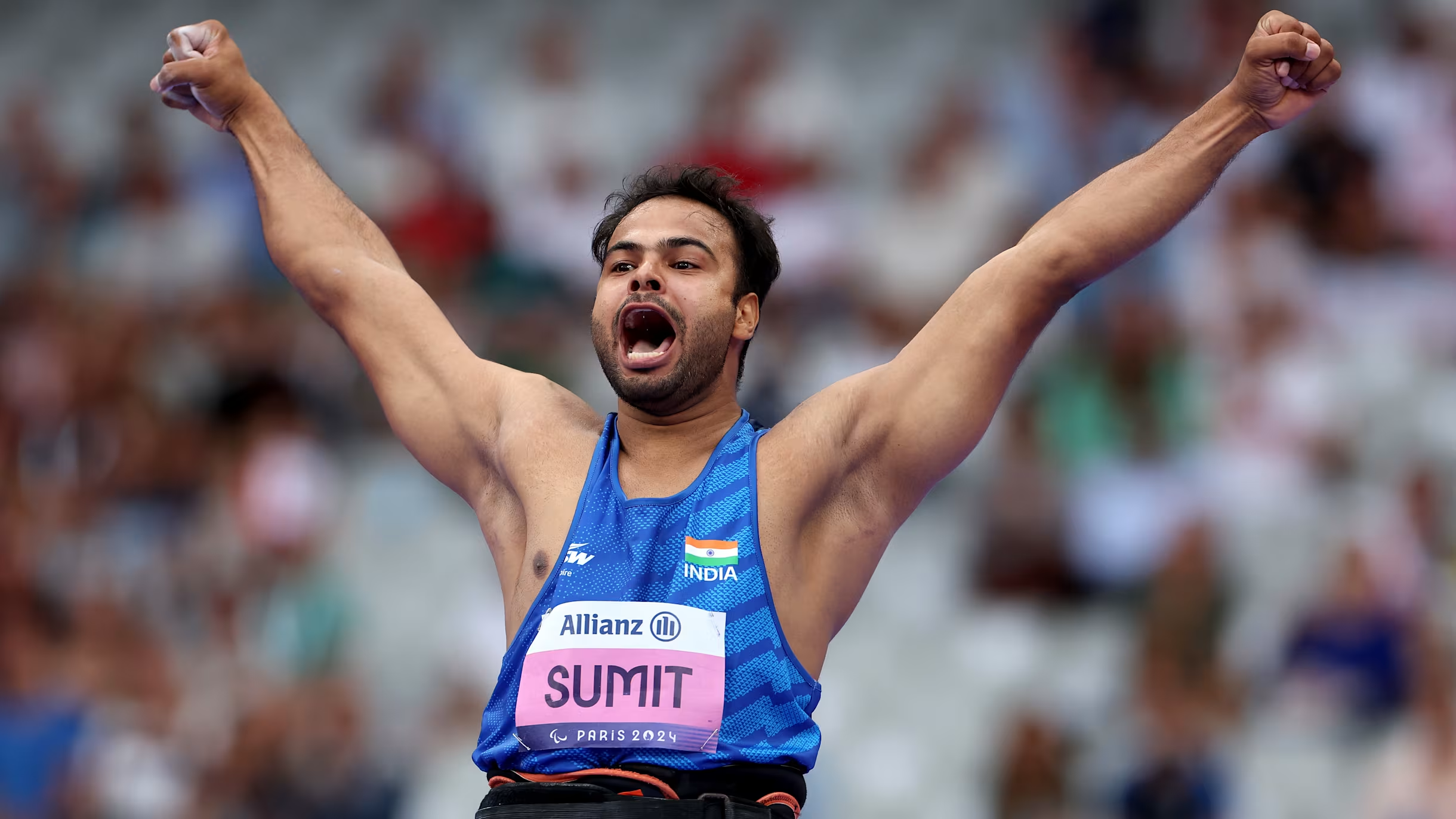
Athletics was the central contributor to India's growth at the Asian Para Games. At Hangzhou, the discipline produced 53 medals, comprising 16 gold, 17 silver and 20 bronze. Field events continued to deliver major results, particularly in javelin, club throw, shot put and discus. Sumit Antil won gold in the men's F64 javelin throw, while Sundar Singh Gurjar secured the men's F46 javelin title. Pranav Soorma triumphed in the F51 club throw, and Sachin Sarjerao Khilari won the men's F46 shot put.
India also expanded its success on the track and in jumping events. Ankur Dhama won both the men's T11 1500m and 5000m titles, while Deepthi Jeevanji won the women's T20 400m. Nishad Kumar and Shailesh Kumar added gold medals in their respective high-jump events.
These performances illustrated how India's athletics programme had expanded beyond a small group of field-event specialists to include sprinters, distance runners and jumpers.
Para badminton became India's most successful discipline outside athletics. The team won 21 medals at Hangzhou, compared with nine at Jakarta in 2018. Pramod Bhagat captured the men's SL3 singles title, Suhas Yathiraj won men's SL4 singles, and Thulasimathi Murugesan claimed the women's SU5 singles gold. Tarun Dhillon and Nitesh Kumar also won the men's doubles SL3-SL4 title.
Archery contributed seven medals in Hangzhou, including two gold. Sheetal Devi and Rakesh Kumar won the mixed team compound open event, while Sheetal added the women's individual compound open title. Their performances underlined India's growing strength in compound archery.
Shooting provided six medals, with Avani Lekhara winning the women's 10m air rifle standing SH1 event. Siddhartha Babu also claimed gold in the mixed 50m rifle prone competition.
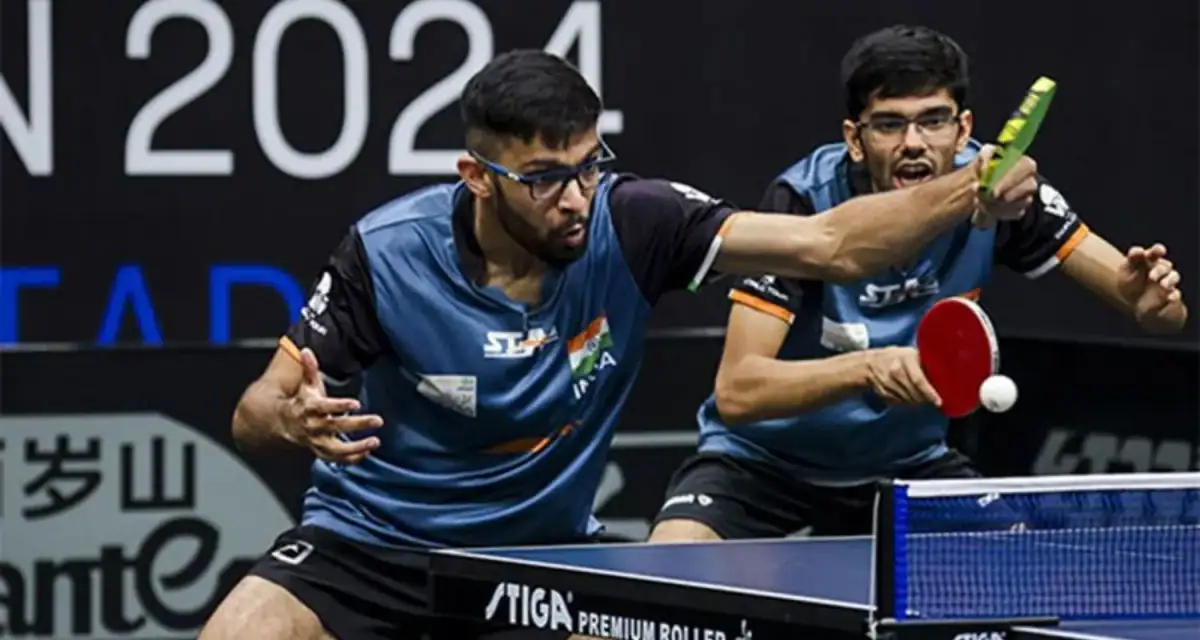
Chess added eight medals, including two gold, while canoeing delivered an important breakthrough through Prachi Yadav, who won gold in the women's KL2 event and silver in the VL2 va'a. Powerlifting, judo, rowing, table tennis, swimming and taekwondo also contributed to India's overall tally.
India's progress was built over several generations. Early performers such as Jagseer Singh established the country's presence at the Games, while athletes including Amit Kumar Saroha and swimmer Sharath Gayakwad demonstrated the potential for sustained international success.
In badminton, Parul Parmar helped establish India's presence before a new generation of champions emerged. The growth of para badminton was later reflected in the achievements of Pramod Bhagat, Suhas Yathiraj and Thulasimathi Murugesan.
The modern generation also included Sumit Antil, whose F64 javelin performances placed him among the leading athletes in the world, and Sheetal Devi, whose compound archery victories showcased India's growing competitiveness in precision sports.
The rise in medal numbers highlighted the benefits of stronger athlete support, specialist coaching, sports science and more structured competition opportunities. Targeted government funding, including support through the Target Olympic Podium Scheme, helped elite para-athletes access training, equipment and international competition.
However, the supplied analysis also identified persistent weaknesses. Accessible facilities remained unevenly distributed, particularly outside established sporting centres. High-performance prosthetics, racing wheelchairs and specialised equipment remained expensive, while limited access to internationally accredited classifiers created additional challenges for athletes seeking official classification.
Anti-doping education and medical oversight also required continued attention. The post-Games disqualification of Neeraj Yadav, who had initially won two gold medals, demonstrated how violations could alter medal standings even after competition had ended.
India's progression from 14 medals in 2010 to 108 in 2022 represented a major change in its Asian Para Games performance. The increase reflected stronger results in established disciplines, the emergence of new medal prospects and a broader distribution of success across the programme.
The Hangzhou campaign established a new benchmark, with India finishing sixth and collecting 27 gold, 32 silver and 49 bronze medals. Its historical trajectory showed that the country had moved beyond isolated podium finishes towards a deeper, more diverse para-sport programme.
Sustaining that progress depended on expanding grassroots access, improving equipment affordability, strengthening athlete classification and ensuring that institutional support reached emerging competitors as well as established champions. The four-edition journey demonstrated how far Indian para sport had advanced—and highlighted the structural work still needed to maintain its upward trajectory.
Comments (0)
to post comments, replies, and votes.
Loading comments…