PV Sindhu vs Line Højmark Kjærsfeldt: Tactical Edge, Fitness and History Favour Indian in Hylo Open 2026 Final
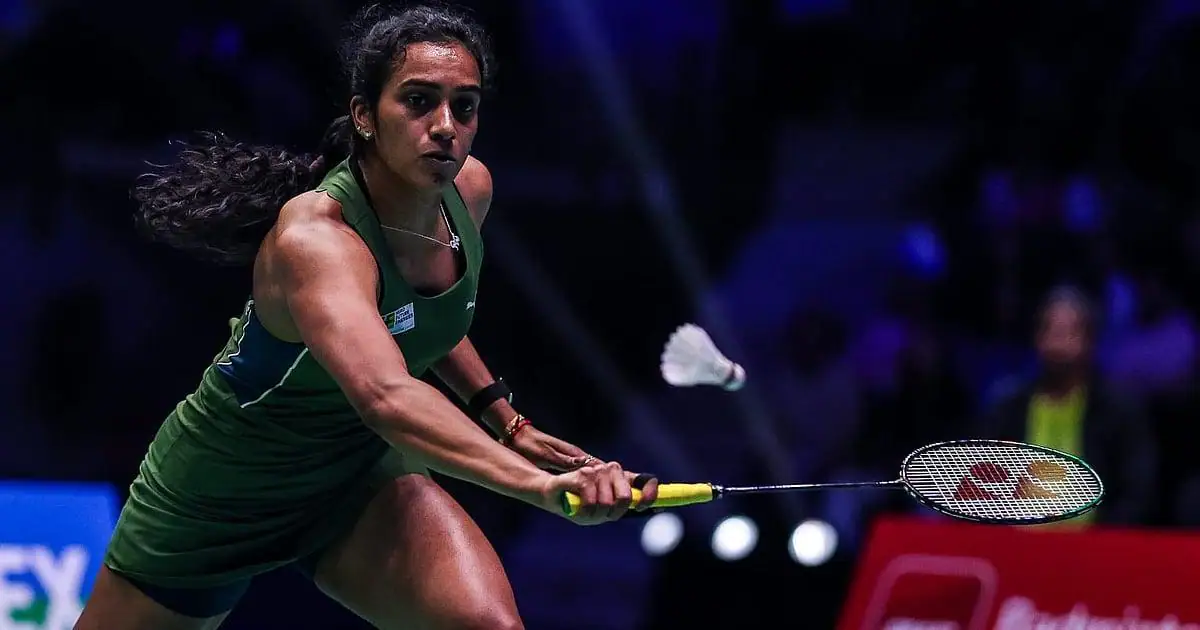
PV Sindhu faces Denmark's Line Højmark Kjærsfeldt in the Hylo Open 2026 final. A 6-1 head-to-head advantage and superior fitness make the Indian the favourite.
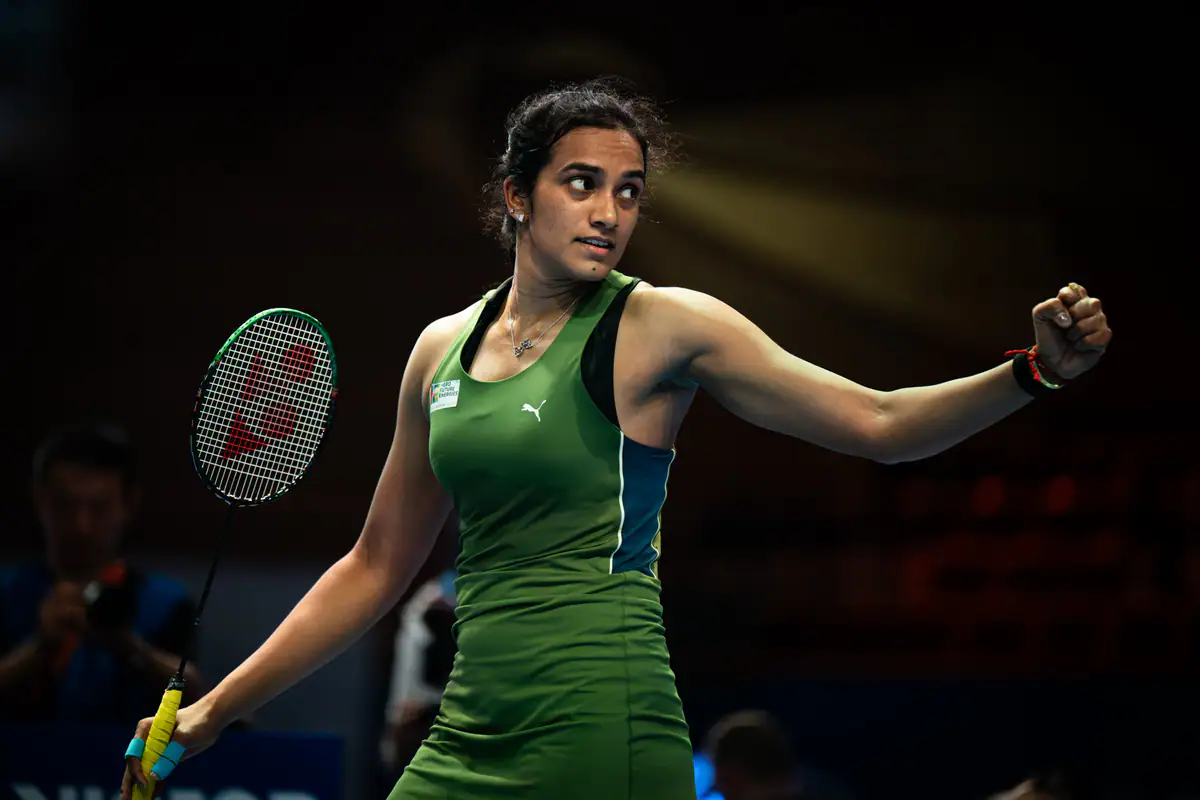
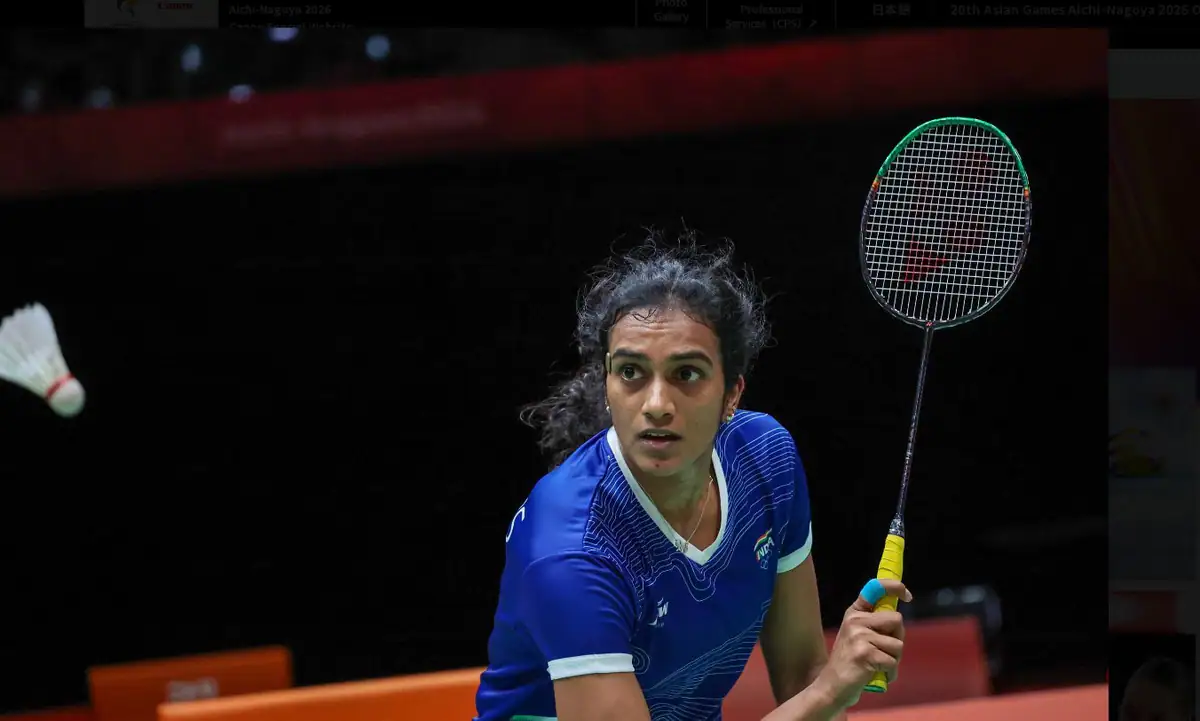
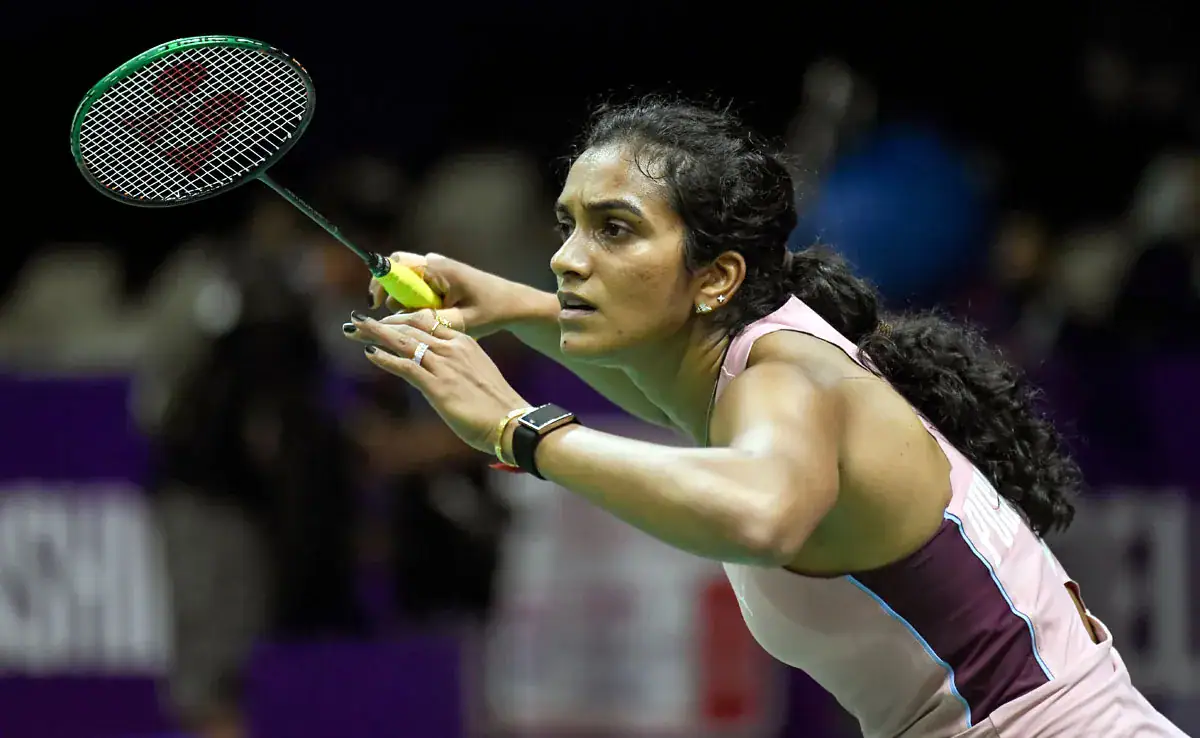
PV Sindhu will look to add another significant title to her 2026 campaign when she faces Denmark's Line Højmark Kjærsfeldt in the women's singles final of the Hylo Open Super 500 in Saarbrücken on Sunday, November 1.
The second-seeded Indian enters the championship match with an imposing head-to-head record, superior recent form and a considerably lighter workload than her Danish opponent.
For Sindhu, currently ranked World No. 8, the final represents an opportunity to secure another major title after her triumph at the Japan Open Super 750 in July and a runner-up finish at the French Open Super 750 last week. For World No. 25 Kjærsfeldt, the contest offers another chance to break a difficult pattern: she has reached seven previous BWF World Tour finals but finished runner-up on every occasion.
The contrast between the two players' routes to the final could prove equally important. Sindhu has won all four matches in straight games, while Kjærsfeldt has had to negotiate several demanding contests, including an 80-minute semifinal against top seed Pornpawee Chochuwong.
Sindhu has enjoyed an exceptionally efficient week in Germany. She opened with a 21-10, 21-10 victory over compatriot Prakriti Bharath before defeating France's Rosy Oktavia Pancasari 21-9, 21-6 in the second round.
In the quarterfinals, Sindhu defeated Germany's Amalie Schulz 21-12, 21-10 in 28 minutes, winning 42 of the 64 points played. She then overcame another Indian challenge in the semifinal, beating 19-year-old Anmol Kharb 21-13, 21-16.
The semifinal required Sindhu to adjust her approach when Anmol moved ahead 15-13 in the second game. The experienced Indian responded emphatically, winning eight of the next nine points through attacking drops and steep overhead smashes to close out the contest.
Across four rounds, Sindhu has won eight games without conceding one, spending approximately 114 minutes on court.
Kjærsfeldt's route has been considerably more demanding. She began with a three-game comeback against Thailand's Tonrug Saeheng, winning 16-21, 21-18, 21-12 in 56 minutes. She followed that with a 21-14, 21-19 victory over India's Isharani Baruah and a straight-games quarterfinal win against Scotland's Kirsty Gilmour.
Her semifinal against top seed Chochuwong was the defining test. After losing the opening game 8-21, the Dane recovered to take the second 21-19 before surviving an extraordinary 28-26 decider. The 80-minute contest demonstrated her resilience but also added significantly to her physical workload.
Kjærsfeldt has spent approximately 213 minutes on court during the tournament, almost 100 minutes more than Sindhu.
Head-to-head record heavily favours Sindhu
The historical numbers provide another advantage for the Indian. Sindhu leads their BWF head-to-head 6-1, having won six of their seven previous encounters. Their rivalry began at the 2015 World Championships in Jakarta, where Sindhu recovered from losing the opening game to win 11-21, 21-17, 21-16. She subsequently defeated the Dane at the 2017 Sudirman Cup, 2022 Swiss Open and 2024 Singapore Open.
Kjærsfeldt's only victory came at the 2025 Sudirman Cup, where she won two closely contested games, 22-20, 23-21. Sindhu restored her advantage at the 2026 Indonesia Masters, defeating the Dane 21-19, 21-18 in the round of 16. That victory also marked Sindhu's 500th career international win.
The record suggests that Kjærsfeldt can challenge Sindhu, particularly when she keeps the rallies flat and makes the Indian work defensively. However, Sindhu has repeatedly demonstrated an ability to adapt and take control as matches progress.
The central tactical contest will be between Sindhu's powerful, vertical attacking game and Kjærsfeldt's compact, horizontal style. At 1.79 metres, Sindhu uses her reach to generate steep smash angles and put opponents under pressure from the back court. Her attacking game is complemented by punch clears, sliced drops and tighter net shots, giving her several ways to create openings.
Kjærsfeldt, standing 1.74 metres, prefers flatter exchanges, compact racket preparation and defensive counter-attacking. Rather than allowing taller opponents time to prepare their overhead attacks, she attempts to direct drives towards the body and hip areas, disrupting their positioning. She also uses quick wrist movements to redirect smashes into open spaces.
For Sindhu, the priority will be to establish attacking control early. Tight net shots can force Kjærsfeldt into lifting the shuttle, creating opportunities for steep smashes. Varying the pace with deep clears and sliced drops will also prevent the Dane from settling into flat exchanges.
Sindhu must be careful not to allow Kjærsfeldt to repeatedly target her backhand rear corner. Fast cross-court drives could disrupt her footwork and create openings in the opposite forecourt.
Kjærsfeldt, meanwhile, will need to survive the opening exchanges and extend rallies. Directing pushes towards Sindhu's backhand corner and keeping the shuttle flat could reduce the Indian's opportunity to attack. Longer rallies may also test Sindhu's patience, although sustaining that approach will require considerable physical energy.
The workload difference is perhaps the most significant variable entering Sunday's final. Sindhu's four straight-game victories have allowed her to conserve energy. Her average match duration has been approximately 28.5 minutes, and she has avoided the extended physical battles that can affect recovery during a tournament.
Kjærsfeldt's 80-minute semifinal, particularly the 28-26 deciding game, demanded repeated sprints, defensive lunges and sustained concentration. Recovering from that effort in time for the final will be a considerable challenge.
If fatigue becomes a factor, the effects could be visible in slower split-step reactions, reduced lateral movement and less effective defensive returns. Those are precisely the areas Sindhu can target with changes in direction and attacking combinations.
Sindhu has the advantage in ranking, head-to-head record, recent results and tournament workload. Her Japan Open Super 750 title and French Open final appearance underline the quality of her current season, while her efficient progress in Saarbrücken has left her well positioned for the championship match.
Kjærsfeldt's resilience should not be underestimated. Her semifinal comeback demonstrated considerable determination, and her flat game could create problems if Sindhu allows her to dictate the exchanges.
However, the combination of Sindhu's attacking options and physical freshness makes the Indian the clear favourite. If she establishes control early and avoids getting drawn into prolonged flat exchanges, she has a strong opportunity to finish the tournament with the title.
For Sindhu, Sunday's final is a chance to turn another impressive run into silverware. For Kjærsfeldt, it is an opportunity to finally convert a World Tour final appearance into a championship victory. The contest promises a compelling tactical battle, but the numbers and recent performances point towards the Indian having the edge.
Comments (0)
to post comments, replies, and votes.
Loading comments…