Road to the T20 World Cup: India Women Leave South Africa With Questions To Answer
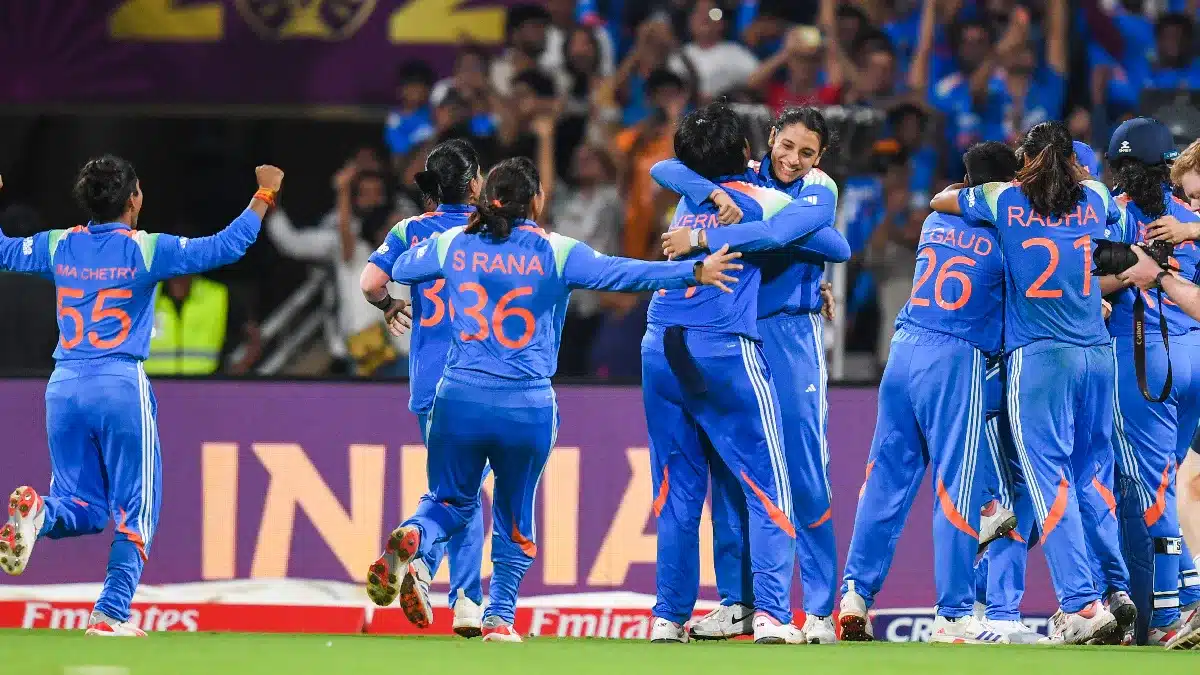
With less than two months remaining before the ICC Women's T20 World Cup 2026 in England and Wales, India’s women’s cricket team heads into the final stret…
With less than two months remaining before the ICC Women's T20 World Cup 2026 in England and Wales, India’s women’s cricket team heads into the final stretch of preparations carrying both concern and opportunity after a difficult tour of South Africa.
Coming into the series, India had momentum on their side following a strong 2-1 T20I series victory in Australia earlier this year. However, the South Africa tour exposed several areas that still require urgent attention before the World Cup begins in June. South Africa dominated the five-match T20I series 4-1, producing a far more balanced and composed performance throughout the contest. For the hosts, the series win was a major confidence boost after their recent struggles against New Zealand. For India, though, the tour served as a reminder that talent alone will not guarantee success in global tournaments.
On paper, India still possess one of the strongest batting line-ups in women’s T20 cricket. The top order features explosive players like Shafali Verma and Smriti Mandhana, while the middle order is anchored by experienced names such as Harmanpreet Kaur, Jemimah Rodrigues, and Richa Ghosh.
But the South Africa series highlighted how fragile that batting unit can become under sustained pressure.
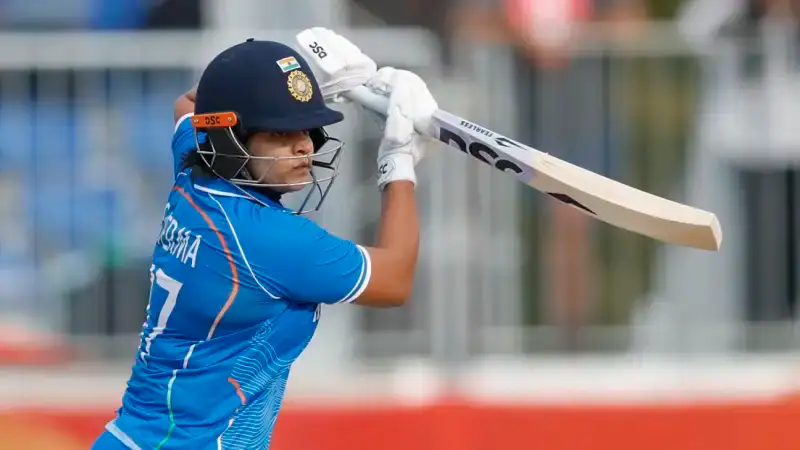
Shafali’s aggressive approach remains both her greatest strength and biggest weakness. She began the series positively with scores of 34, 57, and 64, looking dangerous during the powerplay. However, her inability to consistently convert starts into match-defining innings resurfaced once again as she finished the final two games with scores of just 4 and 9.
Mandhana, meanwhile, struggled to settle into South African conditions. The left-hander never fully found her rhythm in the opening three matches before being rested later in the series due to workload management. India’s opening pair, expected to dominate the powerplay, often failed to consistently control games early. The No. 3 position also remains a concern. Jemimah Rodrigues showed glimpses of fluency but failed to register a half-century during the series, limiting India’s ability to build stable middle-over partnerships.
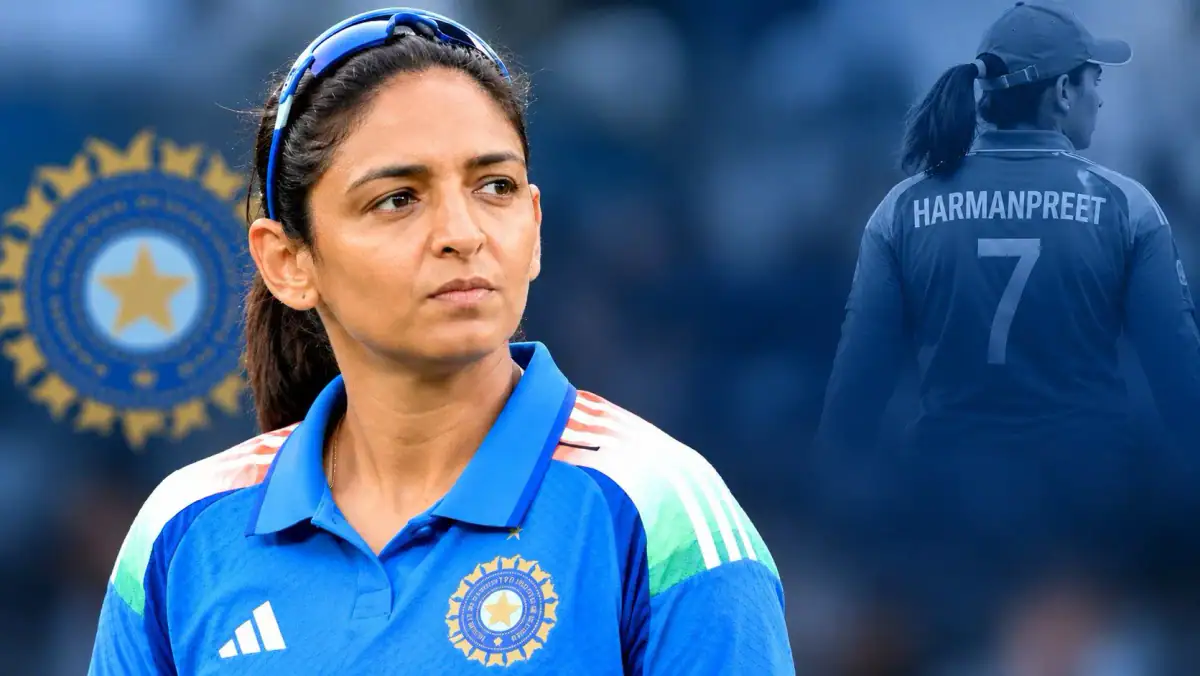
Captain Harmanpreet Kaur, however, produced one standout innings in the third T20I, smashing 66 at a strike rate above 170. Yet even that effort could not prevent India from losing the match and conceding the series. One major positive for India was Richa Ghosh’s finishing role. After a quiet start, the wicketkeeper-batter regained her composure and remained unbeaten in the final three games, providing much-needed acceleration at the death.
While India relied heavily on individual contributions, South Africa operated far more effectively as a unit.
Captain Laura Wolvaardt led from the front throughout the series. Her consistency at the top of the order was remarkable as she accumulated 330 runs across five matches to deservedly win the Player of the Series award. South Africa’s batting depth consistently reduced pressure on the middle order. Wolvaardt and the opening unit laid strong foundations, allowing experienced players like Sune Luus, Tazmin Brits, and Annerie Dercksen to attack more freely later in the innings.
That collective batting structure was one of the biggest differences between the two teams.
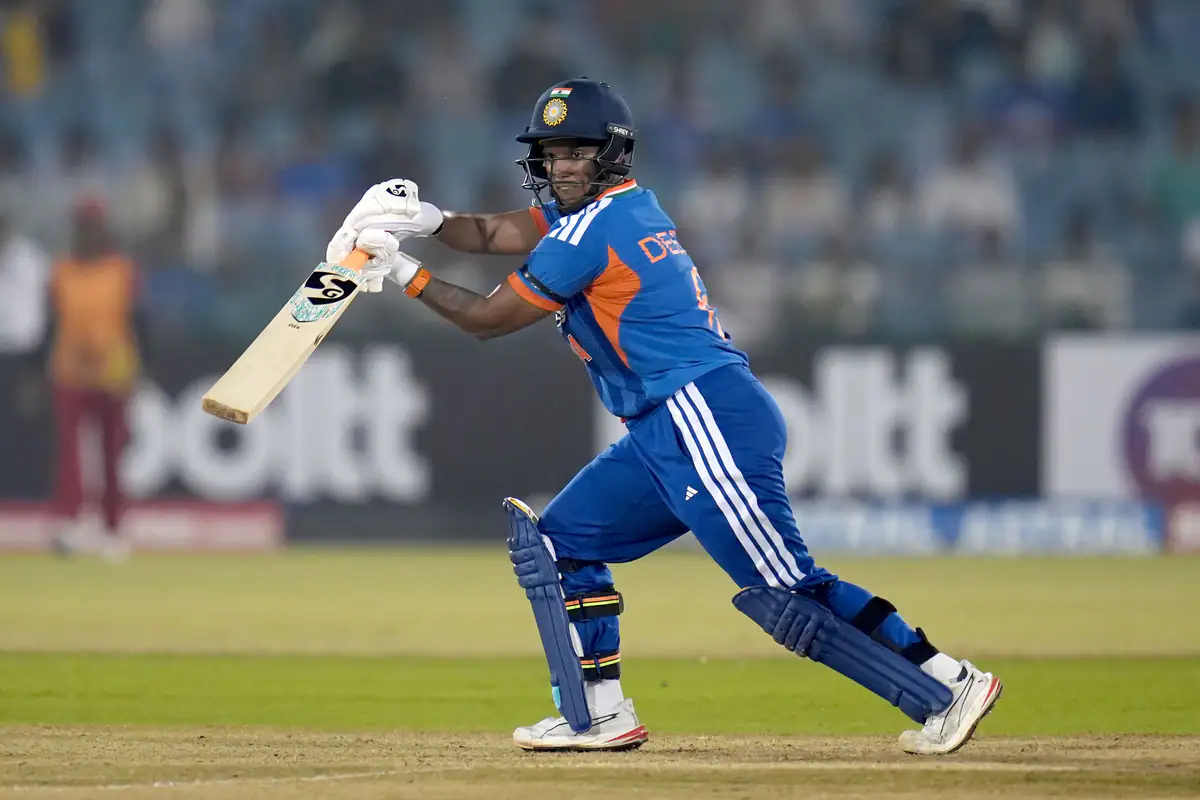
India’s only victory in the series came in the fourth T20I, largely thanks to an outstanding all-round performance from Deepti Sharma. Deepti first played a crucial unbeaten knock of 36, stitching together an important partnership with Richa Ghosh to push India to a competitive total. She then delivered one of the finest bowling performances of the series, taking 5 wickets under pressure to help India defend the target by 14 runs.
Her spell showcased exactly why her experience remains so important to India’s T20 World Cup plans.
The series also gave India opportunities to test younger players ahead of the World Cup. Twenty-three-year-old Anushka Sharma impressed after making her T20I debut during the second match. Her fearless strokeplay and intent provided encouraging signs for the future. India’s younger bowling options including Kashvee Gautam, Shree Charani, and Kranti Gaud also showed promise in phases. But the lack of international experience was visible. India’s pace attack struggled for consistency, with senior seamers Renuka Singh and Arundhati Reddy managing just two wickets combined across three matches.
The inability to consistently strike with the new ball allowed South Africa’s batting line-up to settle too comfortably. One encouraging tactical success came through Shreyanka Patil, who repeatedly troubled Wolvaardt and Luus during the series.
The tour ultimately highlighted several recurring concerns for India heading into the World Cup:
Lack of consistency from the opening pair
Overdependence on individual performances
Inexperience within the pace attack
Difficulty handling pressure moments collectively
At the same time, the tour also reinforced the importance of experienced players like Harmanpreet, Deepti, and Richa in stabilising the side. India now have little time left to fine-tune combinations. Their final major preparation assignment before the World Cup will be another five-match T20I series against England women's cricket team beginning on May 28. That series could prove critical in shaping India’s confidence, combinations, and momentum ahead of their World Cup opener against Pakistan women's cricket team on June 14 in Birmingham. The talent within this Indian side remains undeniable.
But after South Africa, one thing is clear: if India are to seriously challenge for the T20 World Cup title, they will need far greater consistency, composure, and collective execution under pressure.
Written by Sounak
Comments (0)
to post comments, replies, and votes.
Loading comments…