Roshibina Devi Completes Medal Hat-Trick with Silver After Replacement Call-Up at Asian Games 2026
Roshibina Devi’s journey at the Asian Games 2026 began with uncertainty and ended with another piece of history.
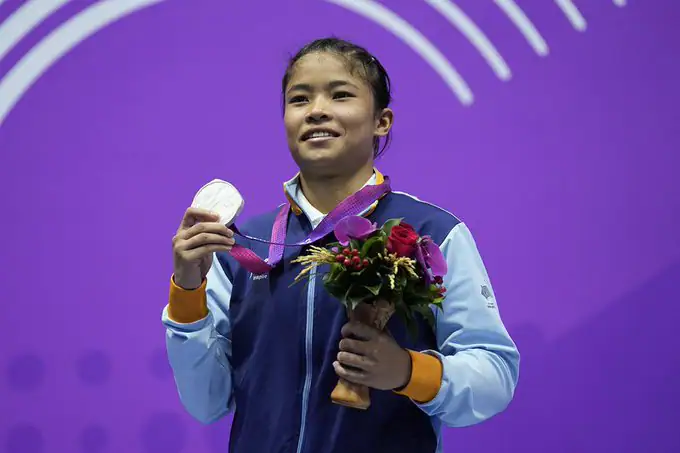
The Indian wushu star discovered on September 10 that she had been selected for the Asian Games as a replacement. Less than two weeks later, she walked away from Aichi-Nagoya with a silver medal in the women’s 60kg Sanda, completing a remarkable hat-trick of Asian Games podium finishes.
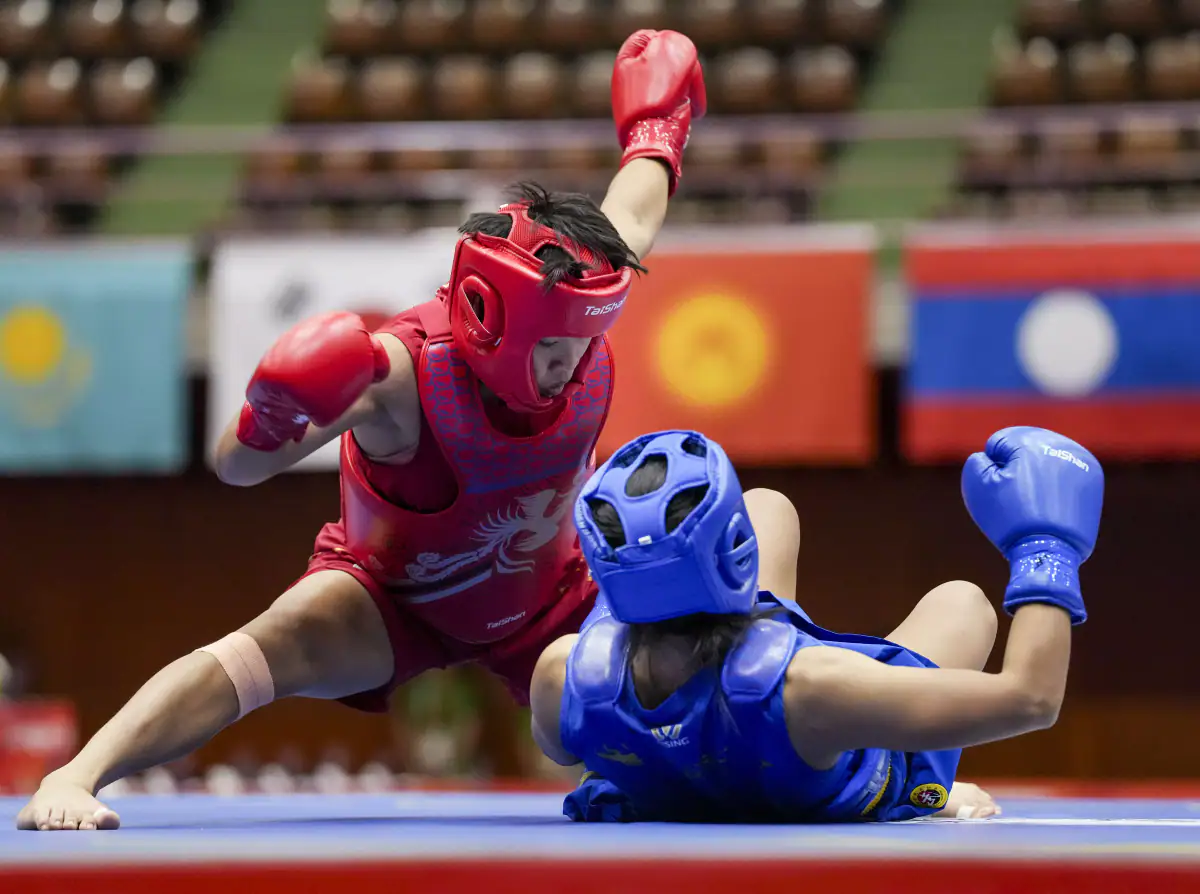
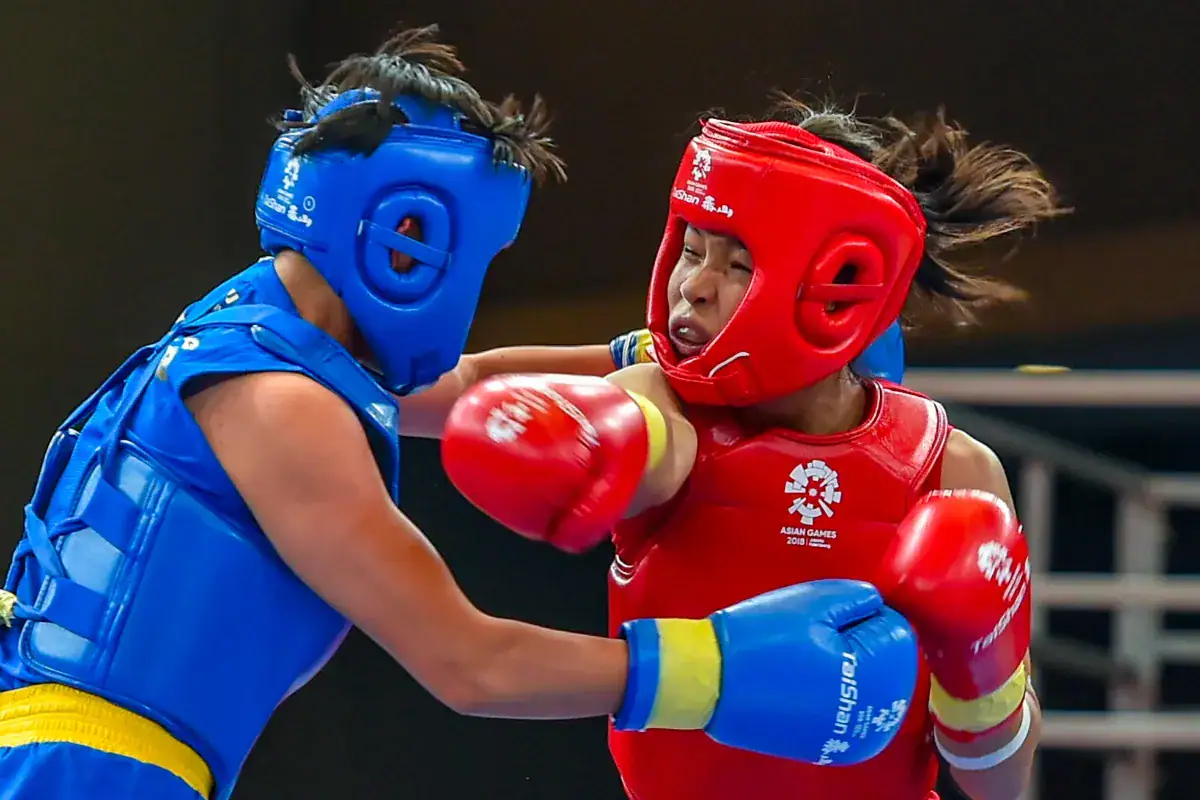
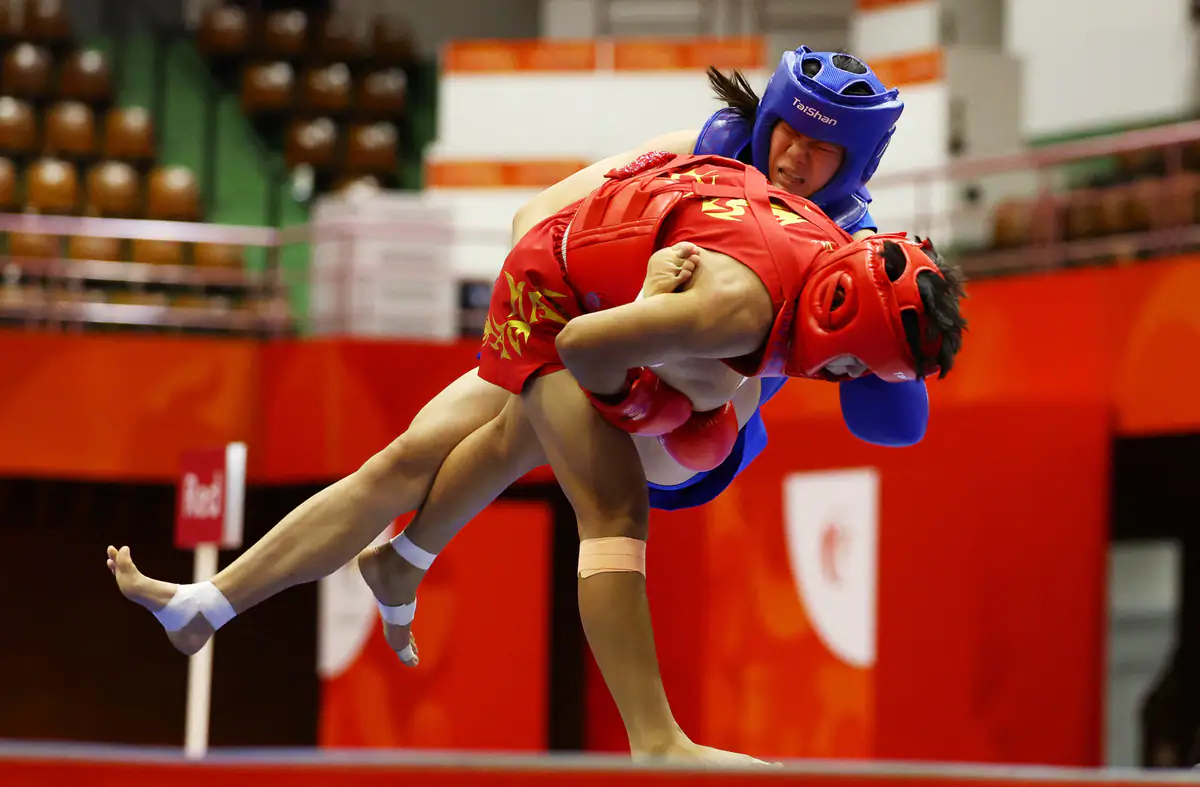
The medal came after Roshibina lost 0-2 to China’s Zhang Xiaoyu in the gold-medal bout, with Zhang winning both rounds 5-0. Despite missing out on gold, Roshibina's silver adds another significant chapter to an already decorated career.
She had won bronze at the 2018 Asian Games and silver at the 2023 edition. Now she has a second Asian Games silver and, more importantly, three consecutive medals at the continental event.
Roshibina's route to Aichi-Nagoya was far from straightforward. She only learned on September 10 that she would represent India as a replacement. That left little time to settle into the Games environment and prepare for the competition after the uncertainty surrounding her selection.
Yet once the competition began, the experienced Indian athlete showed why she remained capable of challenging for a medal. Roshibina progressed through the tournament and reached the final, ensuring herself of another Asian Games medal before stepping onto the platform against Zhang Xiaoyu. Reaching the championship bout meant she had already achieved a significant milestone — becoming the first Indian wushu athlete to reach two Asian Games finals.
Zhang Xiaoyu Takes Gold
The final itself belonged to Zhang. The Chinese fighter produced a dominant performance and won both rounds 5-0, completing a 2-0 victory and taking the gold medal.
The result meant China swept both women's Sanda classes at the Asian Games, with Zhang claiming the title in the 60kg division. Roshibina had to settle for silver, while Indonesia’s Thania Kusumaningtyas and Vietnam’s Nguyen Thi Thu Thuy took the bronze medals. The final scoreline did not, however, diminish the significance of Roshibina's campaign.
For an athlete who had been called up as a replacement just days before the competition, reaching the gold-medal bout and returning home with silver represented another major achievement.
Roshibina's Asian Games record now tells a remarkably consistent story. At Jakarta-Palembang 2018, she won bronze.
At Hangzhou 2023, she improved that result to silver. At Aichi-Nagoya 2026, she once again won silver.
That makes her a three-time Asian Games medallist, with medals at three successive editions. The latest result also gives her a second Asian Games silver, reinforcing her status as one of India's most successful wushu athletes at the continental level. Her consistency is particularly notable because the Asian Games represent one of the strongest competitive environments in the sport, with China and other established Sanda nations producing highly experienced athletes.
The Aichi-Nagoya result also carries historical significance beyond the medal itself. Roshibina became the first Indian wushu athlete to reach two Asian Games finals.
She had already reached the final in 2023, where she won silver. Returning to the championship bout three years later means she has now contested the gold-medal match at two consecutive editions. While the elusive gold remains missing from her collection, the achievement of reaching consecutive finals places her among India's most consistent performers in Asian Games wushu. Her campaign in Japan also demonstrated her ability to perform despite an unusual build-up to the competition.
Roshibina's medal in Aichi-Nagoya is therefore about more than the final result against Zhang Xiaoyu. It is about how she arrived at the Asian Games, the uncertainty surrounding her selection and the limited time she had to prepare after being named as a replacement. It is also about what she has built over three Asian Games.
A bronze became a silver. The silver became another silver. And the athlete who once again found herself outside the most straightforward route to the Games still managed to reach the final and return with a medal.
Zhang Xiaoyu's 5-0, 5-0 victory in the final was decisive, but Roshibina leaves Aichi-Nagoya with another significant achievement.
Roshibina Devi may not have completed the journey to Asian Games gold this time, but her record at the continental event is already substantial.
2018: Bronze.
2023: Silver.
2026: Silver.
Three editions. Three medals. For Indian wushu, it represents a rare level of consistency at the Asian Games. For Roshibina, it adds another medal to a career that has already included major international success. She arrived in Aichi-Nagoya as a late replacement. She leaves as a three-time Asian Games medallist and two-time Asian Games finalist.
The gold medal remains the one missing piece.
But the silver from 2026 ensures that Roshibina Devi's name is now firmly embedded in the history of Indian wushu.
Comments (0)
to post comments, replies, and votes.
Loading comments…