Thomas Cup: The Elite Club of Champions and What It Tells Us About World Badminton
The Thomas Cup remains the most definitive measure of strength in men’s team badminton.
Unlike individual tournaments, it demands depth across singles and doubles, tactical flexibility, and the ability to deliver under collective pressure. Since its inception, only a handful of nations have managed to lift the trophy a reflection of how difficult it is to build a complete team ecosystem. As things stand heading into the 2026 cycle, just six countries have ever won the Thomas Cup: Indonesia, China, Malaysia, Japan, Denmark, and India. That limited list alone underlines the exclusivity of this competition and the structural dominance required to succeed at this level.
A Closed Circle of Champions
The distribution of Thomas Cup titles has long been dominated by traditional badminton powerhouses, with Indonesia leading historically and China emerging as the most consistent force in the modern era, including their status as defending champions in 2024. Malaysia, which controlled the early years of the competition, has found it difficult to reclaim the title, with its last triumph coming in 1992. In contrast, nations such as Japan (2014), Denmark (2016), and India (2022) represent breakthrough champions that have disrupted the established hierarchy. Indonesia’s most recent title came in 2020, underlining its continued relevance at the top. Taken together, this list is not merely a record of winners but a reflection of how badminton’s global power structure has evolved over time, both geographically and competitively.
Indonesia and China: The Two Pillars
Historically, the Thomas Cup has largely been a two-nation story: Indonesia and China.
Indonesia’s dominance was built on a deep-rooted badminton culture supported by strong club systems. Their ability to consistently produce world-class doubles combinations, combined with aggressive attacking singles players, made them nearly unbeatable through multiple eras. China, on the other hand, approached the sport through a centralized, state-driven system. Their rise began in the 1980s, and since then, they have built unmatched depth. What sets China apart is not just top-tier players, but their second and third options often good enough to decide ties.
The 2024 edition reinforced this dominance, with China reclaiming the title and reasserting control at the top of world badminton.
Malaysia’s five titles came largely in the early decades of the competition, with their last triumph in 1992. That victory remains a defining moment, but it also highlights a prolonged drought.
Despite producing elite players from Lee Chong Wei to strong doubles pairs Malaysia has struggled with squad balance. The Thomas Cup format punishes reliance on one or two stars, and Malaysia’s inability to build consistent depth has been a recurring issue.
The Era of Disruptors
From 2014 onwards, the Thomas Cup saw a significant shift. New champions emerged, breaking the long-standing China–Indonesia duopoly.
Japan (2014): Japan’s victory was the result of long-term investment in structured development. Their strength lay in squad balance multiple competitive singles players and technically sound doubles pairs. They didn’t overpower opponents; they outlasted them tactically.
Denmark (2016): Denmark’s win was historic the first by a European nation. Built around players like Viktor Axelsen, Denmark showcased that European systems could compete with Asian giants. Their success came through discipline, physical conditioning, and strong domestic leagues.
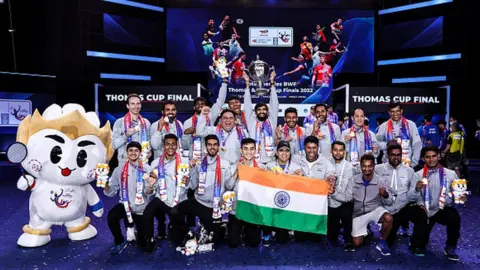
India (2022): India’s triumph in 2022 marked a watershed moment. It was not just a win, but a statement that India had evolved into a complete badminton nation.
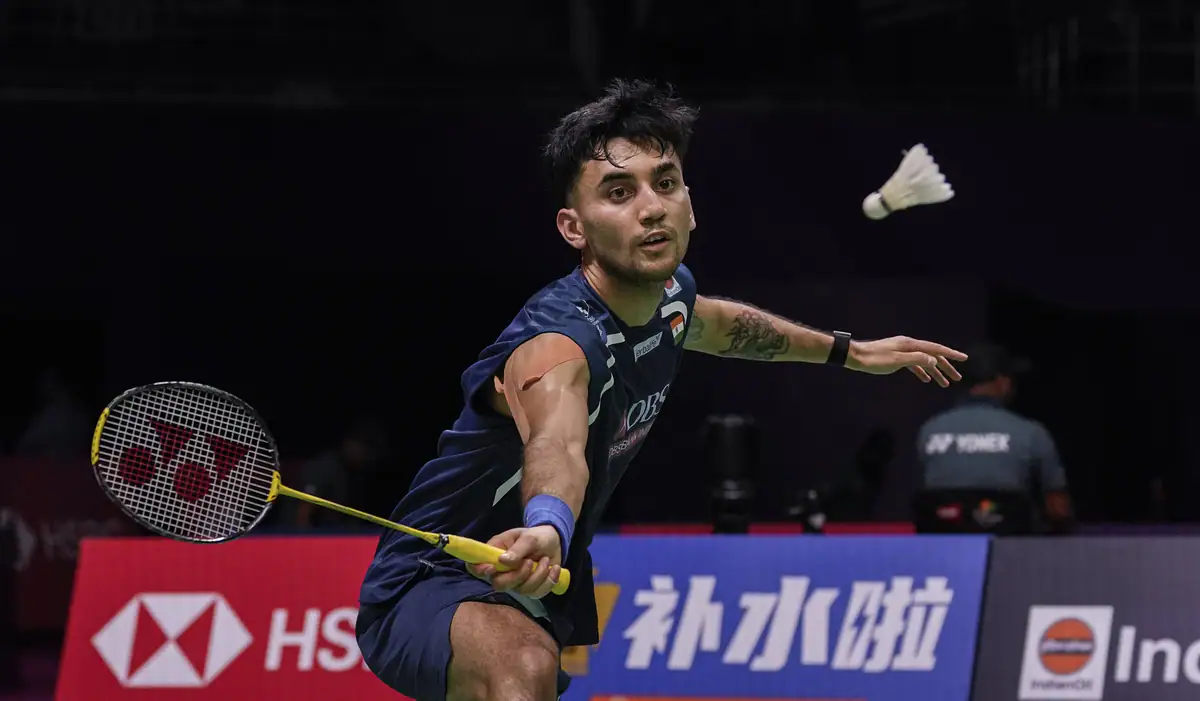
With Lakshya Sen, Kidambi Srikanth, and the doubles pair of Satwiksairaj Rankireddy and Chirag Shetty, India combined youth, experience, and tactical clarity. The 3-0 win over Indonesia in the final was one of the most dominant performances in Thomas Cup history.
Why So Few Winners?
The limited number of Thomas Cup champions is no coincidence, but rather a reflection of the unique demands of the competition. Success requires depth across disciplines, with teams needing at least six to seven high-quality players to cover three singles and two doubles matches in each tie.
Beyond individual quality, consistency across multiple rounds is critical, as teams must sustain performance over the course of the tournament rather than rely on one-off brilliance. Equally important is bench strength, since injuries or dips in form can quickly derail a campaign without reliable backups. Finally, tactical adaptability plays a decisive role, with teams required to constantly adjust their lineups based on specific opponents. While many nations excel in one or two of these areas, only a select few have been able to bring all four elements together at the same time.
https://www.indiasportshub.com/articles/uber-cup-2026-preview-india-face-stern-test-as-global-powers-eye-women-s-team-crown
The gap between top teams and challengers is narrowing. Nations like Chinese Taipei, France, and South Korea are consistently reaching advanced stages.
However, breaking into the winner’s circle remains a different challenge altogether. Even India, after their historic 2022 win, found it difficult to defend the title in 2024 a reminder of how competitive and unforgiving the format is. The absence or decline of generational players in some teams could open doors for new challengers, but history suggests that only well-structured teams will go the distance.
The Thomas Cup is not just a tournament it is a test of a nation’s badminton ecosystem. The fact that only six countries have ever won it speaks volumes about the level required.
Indonesia and China built dynasties. Malaysia created early legacy. Japan, Denmark, and India proved that breakthroughs are possible but sustaining success is far harder than achieving it once. As the sport evolves, more nations are closing the gap. But until they develop the depth and resilience needed for team competition, the Thomas Cup will likely remain in the hands of a select few.
That exclusivity is precisely what makes it the ultimate prize in men’s badminton.
Comments (0)
to post comments, replies, and votes.
Loading comments…