Uber Cup 2026 Preview: India Face Stern Test as Global Powers Eye Women’s Team Crown
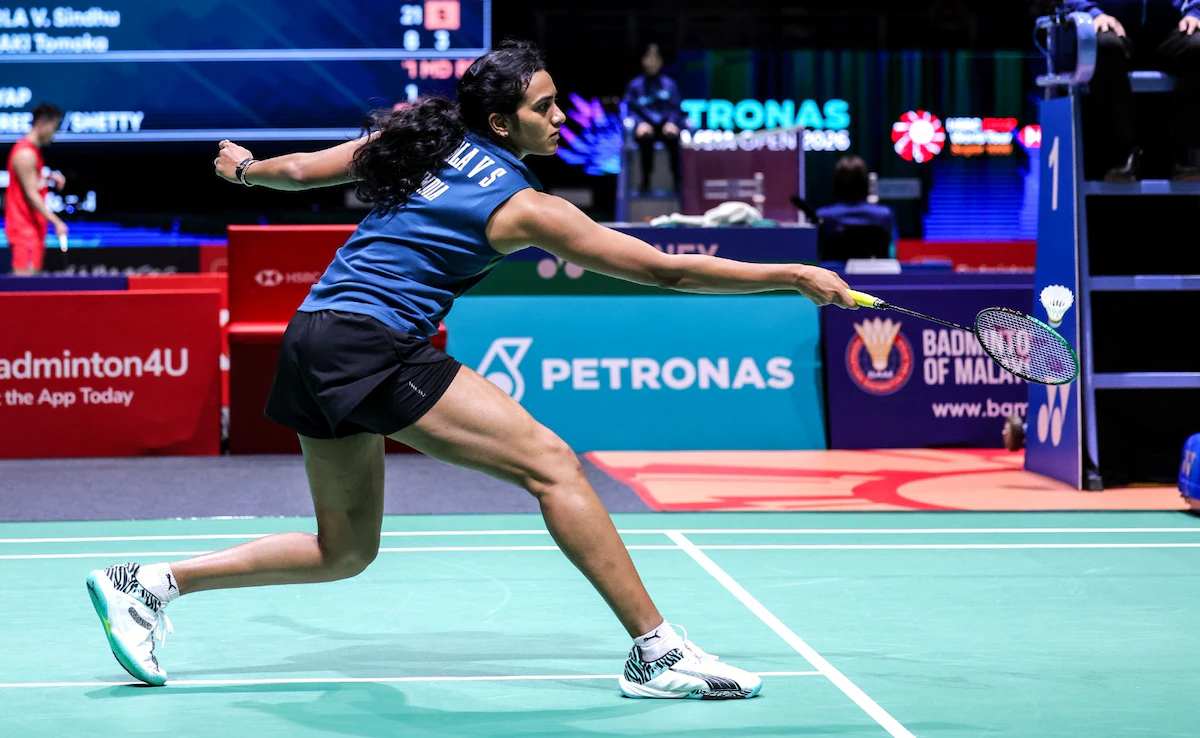
The Uber Cup 2026, the pinnacle of women’s team badminton, returns with Horsens, Denmark, set to host the world’s best from April 24 to May 3.
With 16 nations competing for one of the sport’s most prestigious team titles, the tournament once again promises a blend of established dominance and emerging challenges, where depth, adaptability, and composure under pressure will define success.
The format remains straightforward yet unforgiving. Four groups of four teams each will battle in the league stage, with the top two advancing to the quarterfinals. From there, the knockout phase determines the eventual champion, often turning on fine margins across five-match ties featuring three singles and two doubles.
India find themselves in Group A alongside defending champions China, hosts Denmark, and Ukraine. On paper, this is one of the most competitive groups, primarily because of the presence of China, a team that continues to set the benchmark in women’s badminton. China’s squad is built on both depth and consistency. With players such as Chen Yu Fei and Wang Zhi Yi leading the singles charge, supported by Han Yue, they possess multiple match-winning options. In doubles, combinations like Jia Yi Fan and Liu/Tan provide further strength, making them formidable across all five rubbers. Their ability to field high-quality players in every position makes them clear favourites not just for the group, but for the title itself.
For India, the realistic pathway to the knockout stage lies in securing the second spot, which brings the focus squarely on their clash against Denmark. This tie is likely to determine whether India progress or exit early.
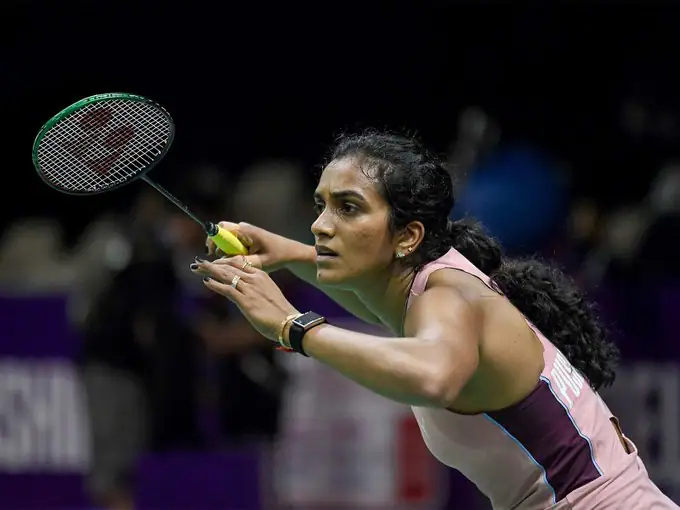
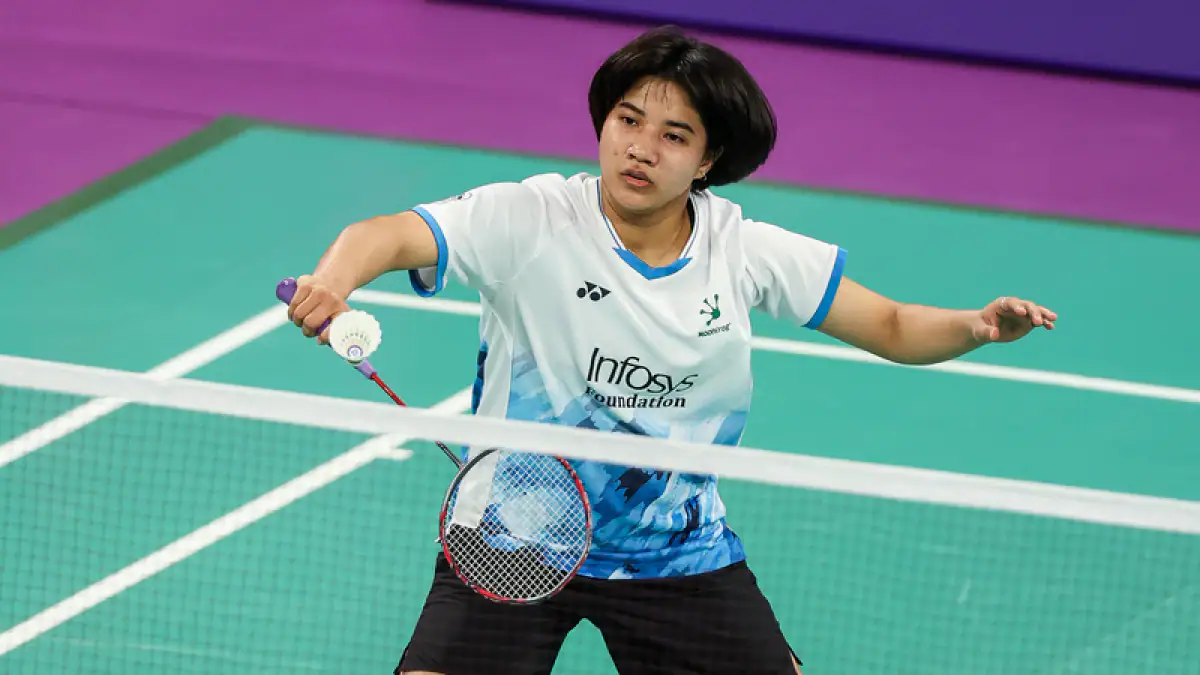
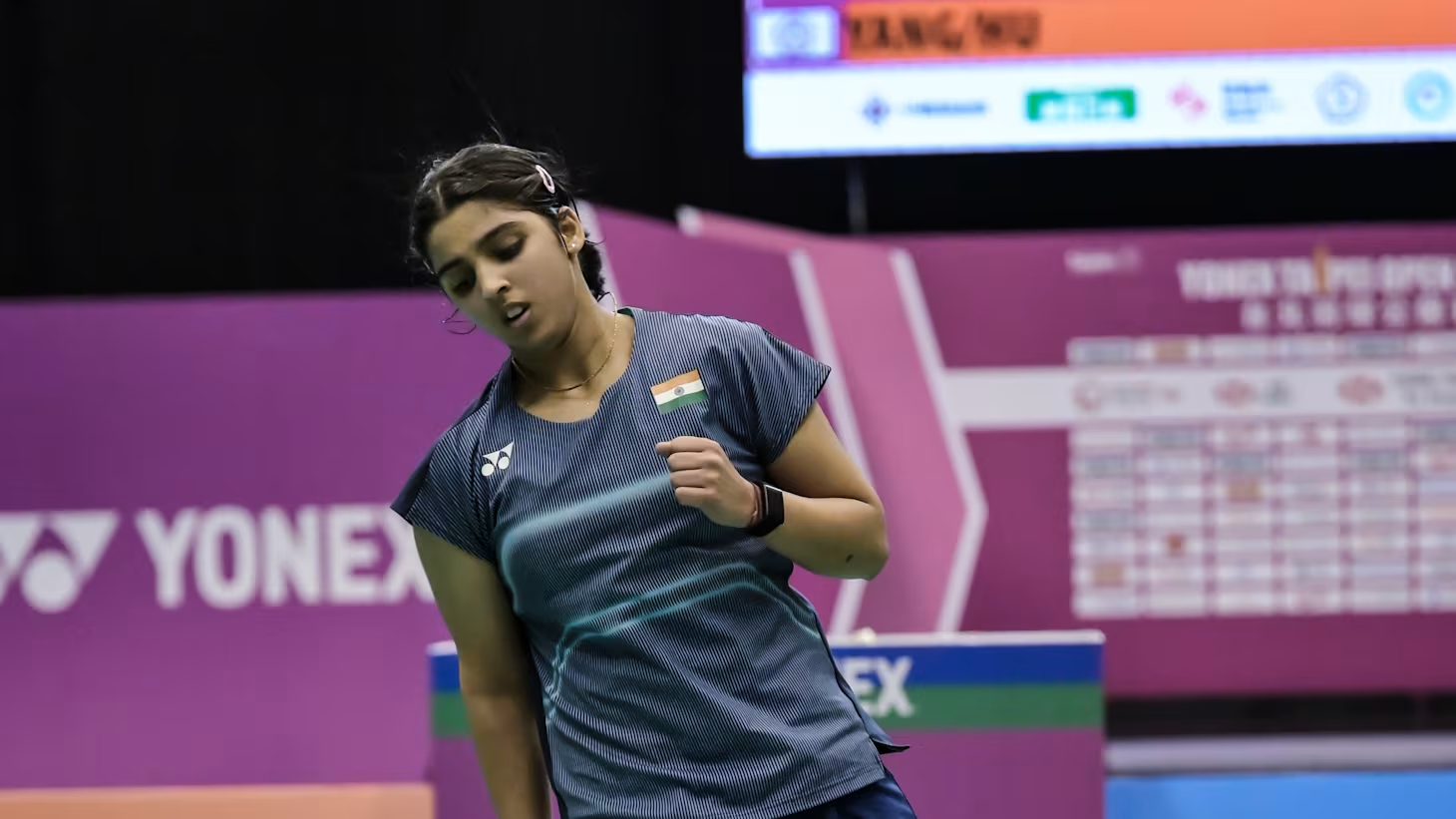
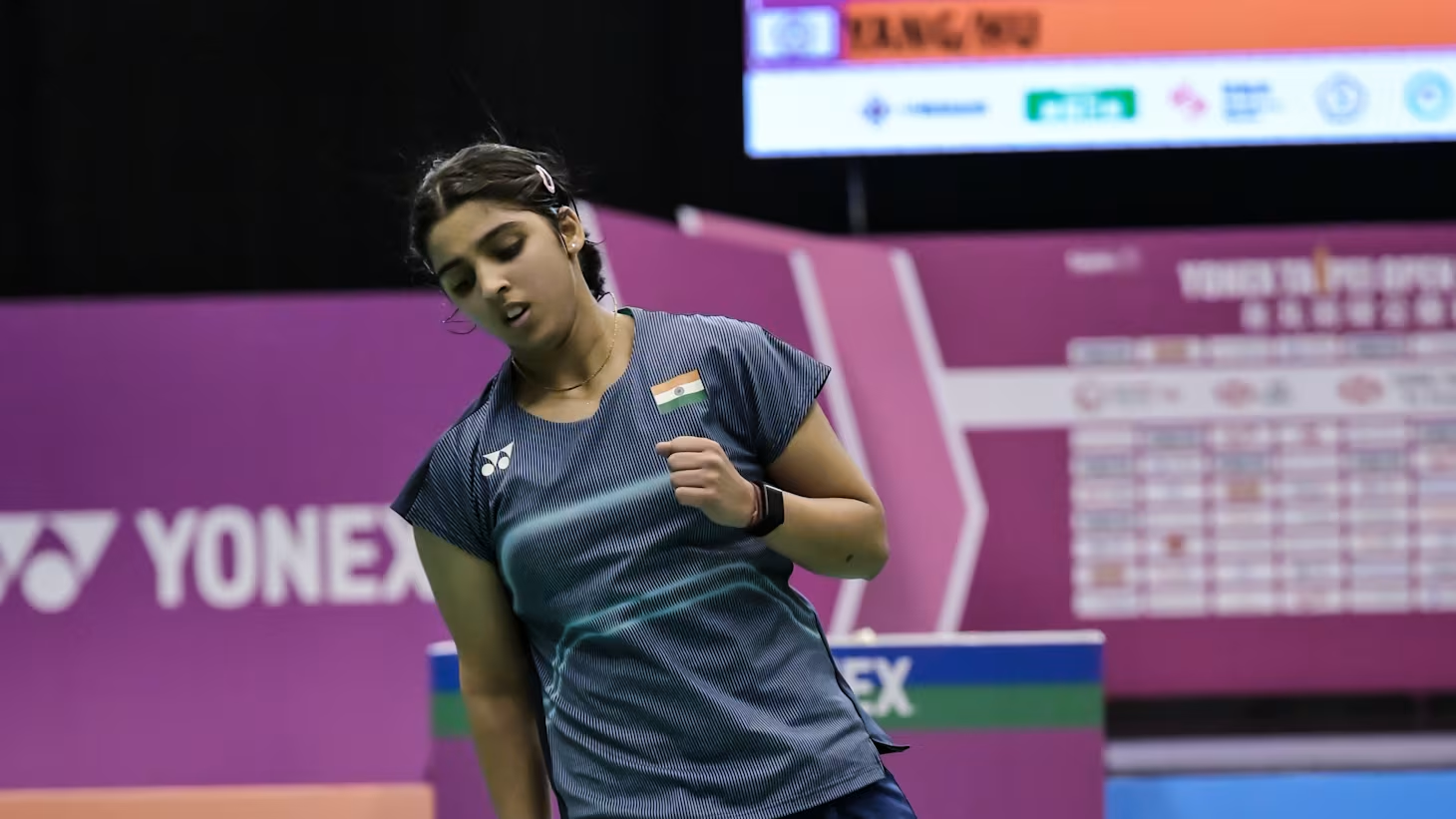
India’s campaign will be anchored by PV Sindhu, whose experience in major tournaments remains invaluable. Alongside her, a young core including Tanvi Sharma, Unnati Hooda, Isharani Baruah, and Devika Sihag adds unpredictability. This mix of experience and youth provides India with flexibility in singles, but also introduces variability in performance. The absence of their top doubles pair, Treesa Jolly and Gayatri Gopichand Pullela, presents a significant challenge. Tanisha Crasto will lead the doubles unit, supported by combinations such as Priya/Shruti and Simran/Kavipriya. While these pairs offer potential, they lack the consistency required against top-tier opposition.
Denmark, meanwhile, bring a balanced lineup led by players like Mia Blichfeldt and Line Christophersen. With three top-30 singles players, they hold a slight edge in depth. However, like India, their doubles combinations are not among the strongest, making the tie evenly poised and tactically intriguing. Ukraine, the fourth team in the group, are expected to struggle against higher-ranked opponents, making them unlikely contenders for qualification.
Group B appears relatively straightforward, with Japan entering as clear favourites. Their lineup, featuring players such as Akane Yamaguchi, Tomoka Miyazaki, and Riko Gunji, offers both consistency and attacking depth. Malaysia could pose some resistance, but the absence of Pearly Tan weakens their doubles significantly. Their singles lineup, though capable, has shown inconsistency at the highest level. South Africa and Türkiye complete the group, but both face an uphill task against stronger opposition.
https://www.indiasportshub.com/articles/india-s-thomas-cup-2026-campaign-contenders-but-not-yet-favourites
Group C is expected to deliver one of the more competitive group-stage contests, with Indonesia and Chinese Taipei likely to fight for the top two spots. Indonesia’s strength lies in their emerging singles players, including Komang Ayu Cahya Dewi and Ester Wardoyo, combined with a solid doubles setup. Their ability to compete across all five matches makes them a well-rounded team. Chinese Taipei, on the other hand, bring strength in doubles, with multiple top-15 pairs. Their singles unit, led by players like Sung Yun, adds further balance, making them a difficult team to overcome. Canada, led by veteran Michelle Li, could act as a disruptor, particularly in singles-heavy ties. Australia round out the group but are unlikely to challenge for qualification.
Group D features two strong contenders in Korea and Thailand. Korea, the 2022 champions, arrive with one of the most complete squads in the competition. An Se Young leads the singles lineup, supported by players such as Kim Ga Eun and Sim Yu Jin. Their doubles strength is equally impressive, with pairs like Baek/Lee and Kim/Jeong providing consistency. This balance across disciplines makes Korea one of the favourites alongside China. Thailand present a different kind of challenge. With experienced players like Ratchanok Intanon and Busanan Ongbamrungphan, they possess strong singles options. Their doubles unit, led by Benyapa Aimsaard and Supissara Paewsampran, adds further depth.
Bulgaria, the new European champions, could produce surprises, particularly through players like Kaloyana Nalbantova and the Stoeva sisters. Spain complete the group.
From an Indian perspective, the tournament presents both opportunity and difficulty. The singles lineup has the ability to compete with most teams, and Sindhu’s presence ensures stability in high-pressure matches. However, the lack of a consistent top-tier doubles combination remains a critical limitation. Against stronger teams, where ties often hinge on doubles results, this gap could prove decisive. A quarterfinal finish is a realistic expectation, but progressing beyond that would require multiple results going India’s way, including strong performances from younger players and at least one upset against higher-ranked opponents.
The Uber Cup is not just about rankings or individual brilliance. It is about team dynamics, adaptability, and the ability to deliver under pressure. While China and Korea enter as favourites, the presence of teams like Japan, Thailand, Indonesia, and Chinese Taipei ensures that the competition remains open. For India, this edition represents a phase of transition. The blend of experienced players and emerging talent offers potential, but consistency across all matches remains the key challenge.
As the tournament unfolds in Horsens, the margins will be minimal, and momentum will play a decisive role. In team badminton, one match can change everything—and that unpredictability is what makes the Uber Cup one of the most compelling events in the sport.
Written by Nishant Meher
Comments (0)
to post comments, replies, and votes.
Loading comments…