Kush Maini’s F1 Test at Zandvoort Aligns with India’s Renewed Push for Formula One Return
Kush Maini’s F1 Test at Zandvoort Aligns with India’s Renewed Push for Formula One Return — latest Formula1 news, results and analysis for Indian sports fans on IndiaSportsHub.
As discussions around bringing Formula One back to India gather momentum, Kush Maini’s latest outing in Formula 1 machinery offers a timely reminder of the country’s growing presence in global motorsport.
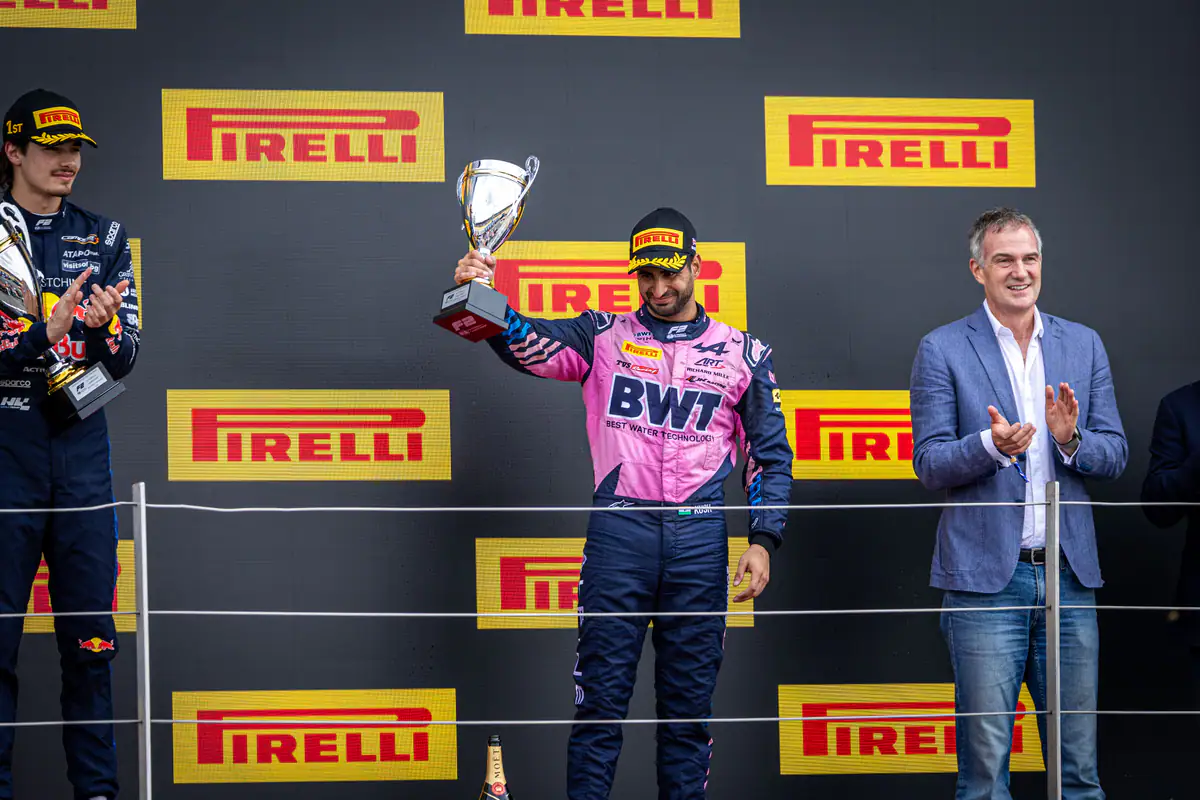
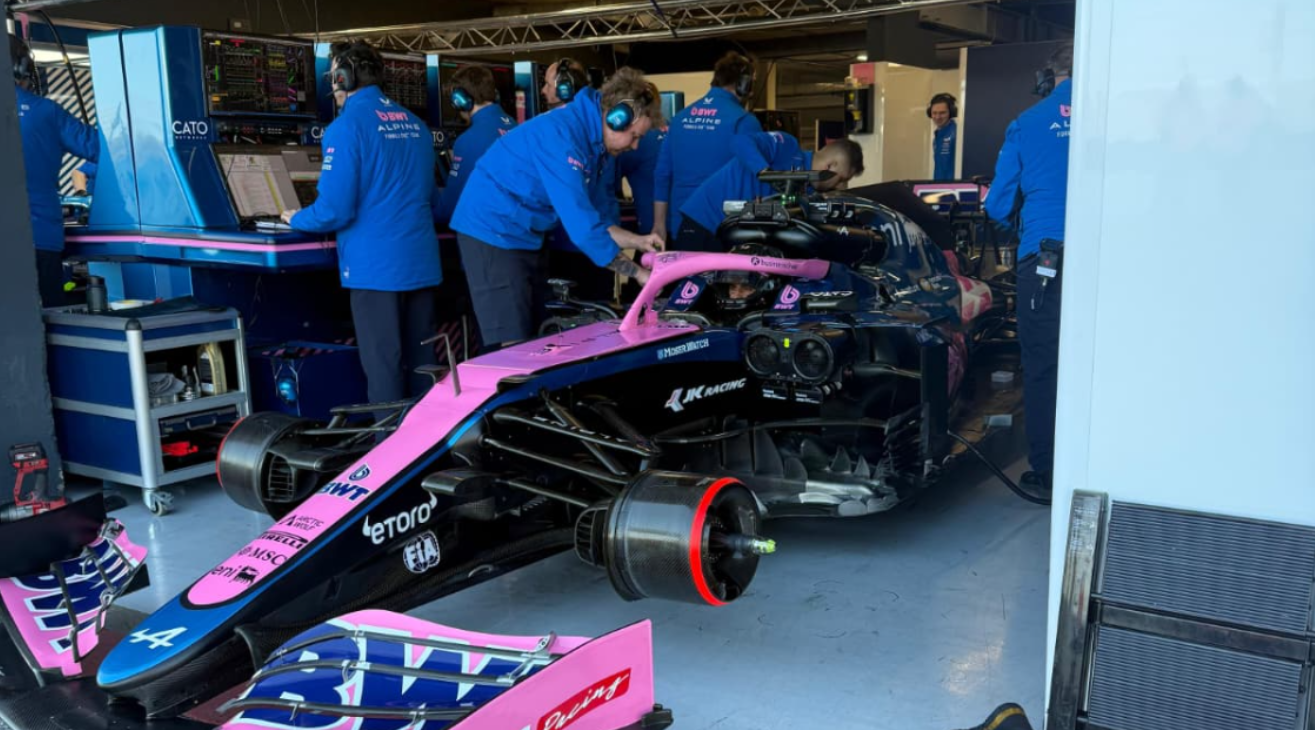
The 25-year-old completed his first official Formula 1 test of the 2026 season with the BWT Alpine F1 Team at the Circuit Zandvoort, marking another step forward in his progression on the international stage.
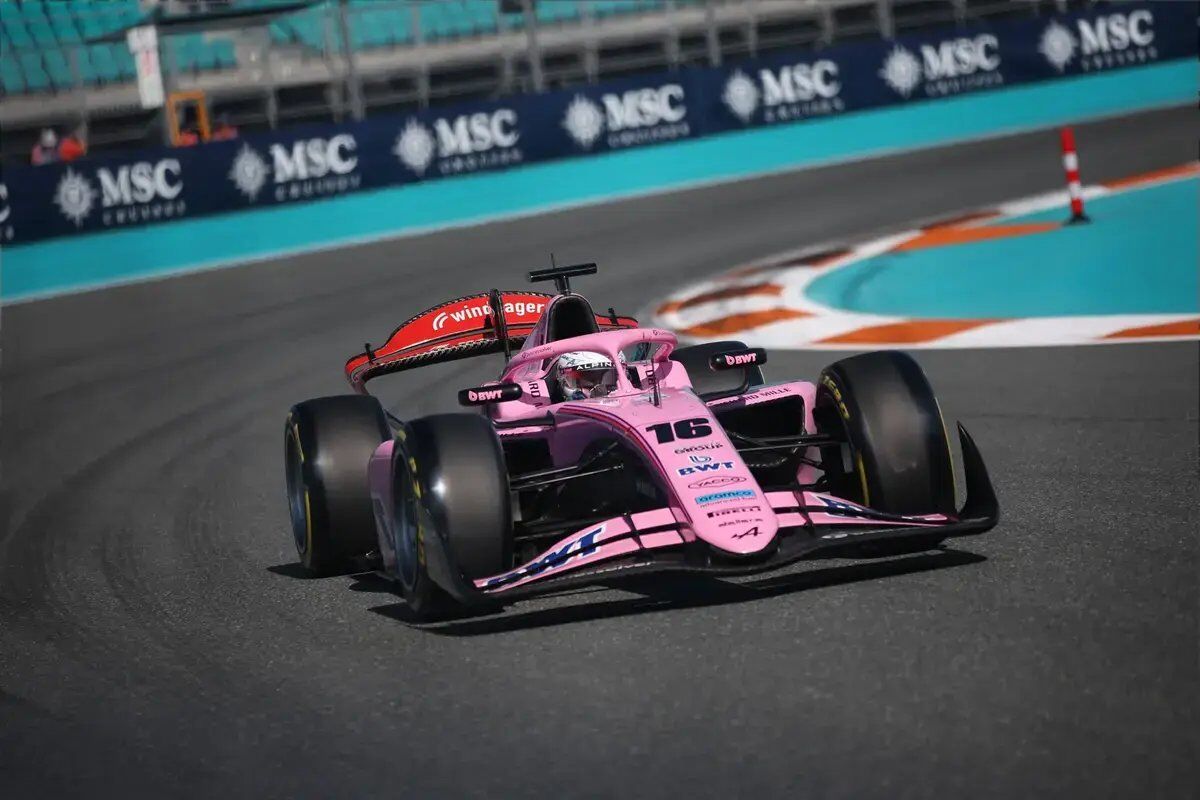
Maini’s test came under the Testing of Previous Cars (TPC) programme, where he drove the Alpine A521 across two closed-door sessions. Over the course of the test, he completed 193 laps, covering 822 kilometres a workload that reflects both the team’s confidence in his ability and the emphasis placed on consistency and technical feedback during such runs. For Maini, this outing was not just about mileage. It was about reaffirming his role within the Alpine setup, where he continues as a Test and Reserve Driver for the 2026 season. In a highly competitive environment like Formula 1, opportunities to drive remain limited, making each session critical for demonstrating adaptability, understanding of car dynamics, and the ability to translate feedback into performance improvements.
The Zandvoort circuit itself presents a unique challenge. Known for its banked corners, narrow layout, and evolving track conditions, it demands precision and rhythm from drivers. Completing nearly 200 laps in such an environment highlights Maini’s ability to maintain consistency while adapting to varying conditions a key requirement at the highest level of motorsport. This test also comes at an important juncture in Maini’s season. Competing in the FIA Formula 2 Championship, he is currently navigating a demanding calendar that requires balancing performance with development. The experience gained in Formula 1 machinery offers a distinct advantage, particularly in areas such as race craft, tyre management, and technical understanding.
Exposure to Formula 1 systems, including advanced aerodynamics, braking performance, and energy recovery systems, provides drivers with insights that can be directly applied in Formula 2. For Maini, this translates into a sharper competitive edge as he prepares for the next round of the championship in Miami. Beyond individual progression, Maini’s continued involvement in Formula 1 carries broader implications for Indian motorsport. At a time when the Indian Government is exploring the possibility of reintroducing Formula One to the country, having an active driver within an F1 team strengthens the narrative around India’s relevance in the global racing ecosystem.
India last hosted a Formula One race in 2013, and since then, the absence of a Grand Prix has left a gap in the country’s motorsport landscape. However, renewed discussions around infrastructure, investment, and regulatory alignment indicate a growing interest in bringing the sport back. In this context, Maini’s presence serves as both representation and validation a signal that Indian drivers are capable of competing within the highest tiers of the sport.
The alignment between grassroots ambition and elite-level participation is crucial for sustainable growth. While infrastructure and commercial viability play significant roles in hosting a Formula One race, the presence of competitive local talent adds an additional layer of engagement. It creates a connection between the global spectacle and domestic audiences, enhancing both viewership and long-term interest. Maini’s journey reflects this connection. From progressing through junior categories to establishing himself in Formula 2 and securing a role within a Formula 1 team, his trajectory mirrors the pathway that aspiring drivers in India aim to follow. Each milestone he achieves contributes to building a clearer roadmap for the next generation.
The significance of his Zandvoort test, therefore, extends beyond lap times and kilometres covered. It represents continuity the sustained presence of an Indian driver within the Formula 1 ecosystem at a time when the country is reconsidering its position within the sport.
As he shifts focus back to the Formula 2 season, the immediate objective will be performance. The Miami round presents an opportunity to translate the confidence and experience gained from the F1 test into competitive results. Consistency in Formula 2 remains a critical factor in attracting further opportunities, whether within Formula 1 teams or across other top-tier racing series. At the same time, the broader narrative continues to evolve. India’s ambitions of hosting a Formula One race once again are closely tied to visibility, infrastructure readiness, and global integration. Drivers like Kush Maini play a central role in this equation, bridging the gap between national aspirations and international participation.
In many ways, his latest test at Zandvoort captures this intersection. It is a moment that reflects both individual progress and a larger movement within Indian motorsport one that is gradually positioning itself back on the global stage.
Comments (0)
to post comments, replies, and votes.
Loading comments…