India’s Thomas Cup 2026 Campaign: Contenders, But Not Yet Favourites
India’s Thomas Cup 2026 Campaign: Contenders, But Not Yet Favourites — latest badminton news, results and analysis for Indian sports fans on IndiaSportsHub.
India’s campaign at the Thomas Cup 2026 begins with a familiar sense of belief, but also with a few unresolved questions.
Four years on from their historic title win, the objective has shifted. This is no longer about producing a breakthrough performance; it is about establishing consistency at the highest level of team badminton. On paper, India arrive with a squad that combines experience and emerging talent. It is a group that has the ability to compete with the best, but also one that still carries a few structural gaps—gaps that could become decisive in the latter stages of the tournament.
A Squad Built on Stability and Depth
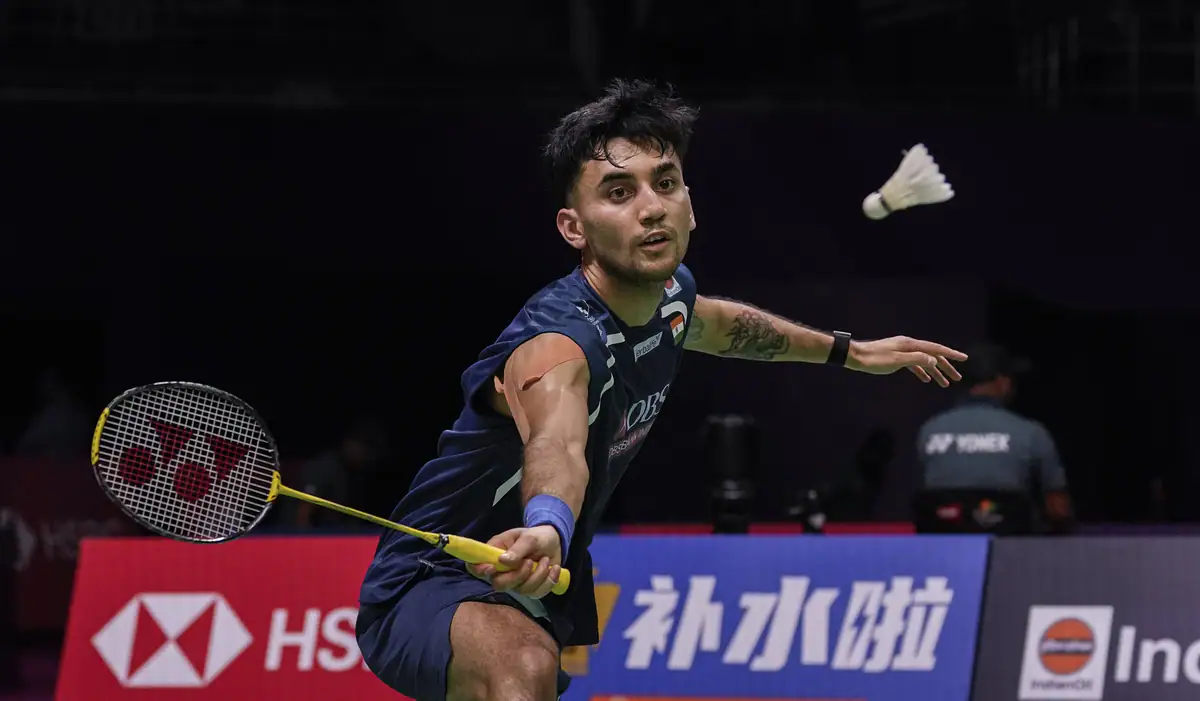
The singles unit remains India’s primary strength. Lakshya Sen continues to be the focal point, offering reliability in high-pressure situations. His ability to handle top-tier opponents makes him central to India’s chances, particularly in knockout ties where the first singles match often sets the tone. Alongside him, Ayush Shetty represents the next phase of Indian badminton. His recent rise on the international circuit adds freshness to the lineup, providing India with an additional attacking option in singles.
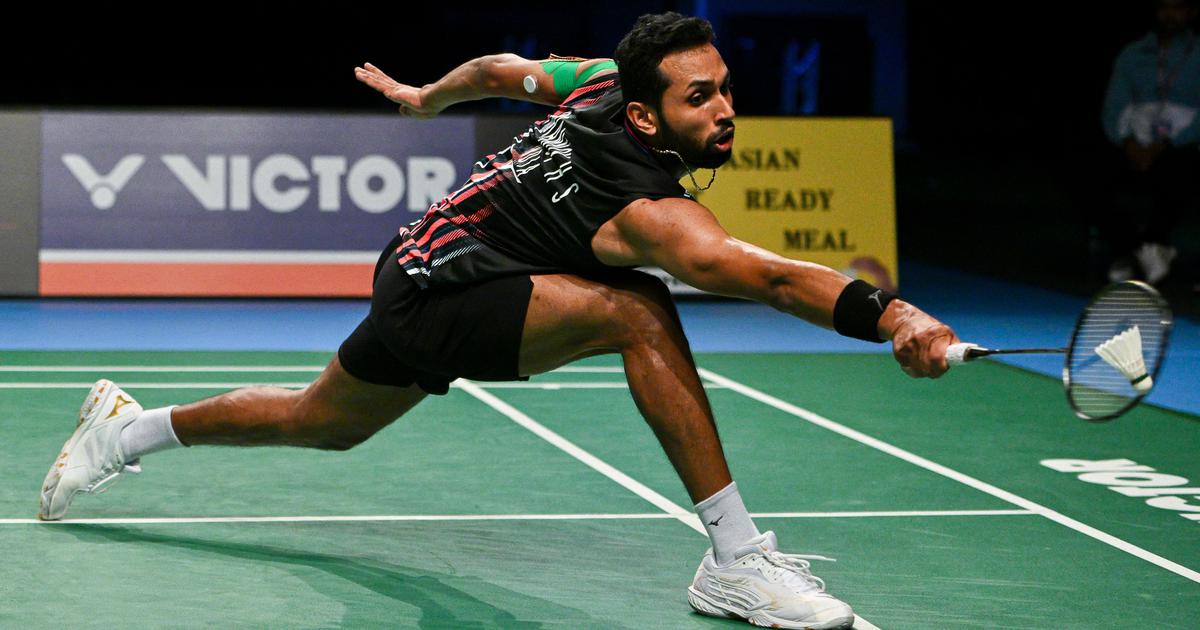
The presence of Kidambi Srikanth and H. S. Prannoy adds a layer of experience that few teams can match. While both are past their peak years, their ability to navigate tight matches remains valuable. In team events, where momentum can shift rapidly, such experience often proves critical.
In doubles, India’s fortunes are closely tied to Satwiksairaj Rankireddy and Chirag Shetty. As one of the world’s leading pairs, they offer a clear advantage in most matchups. Their consistency and ability to deliver under pressure make them India’s most reliable point in any tie. However, the gap becomes evident beyond the first pair. The second doubles combination lacks the same level of assurance, particularly against stronger opponents. In modern team badminton, this second doubles match frequently becomes the turning point, and India’s inconsistency in this area remains a concern.
Against lower-ranked teams, this weakness may not be exposed. But against top nations, it is likely to be targeted.
Group Stage: A Manageable Start with One Key Test
India’s group includes China, Canada, and Australia. On paper, Canada and Australia should not pose significant challenges. India’s depth across singles and doubles should allow them to navigate these ties without major difficulty. The defining group-stage encounter will be against China. As one of the most complete teams in world badminton, China brings strength across both singles and doubles. Historically, Indian players have found it difficult to consistently overcome Chinese opponents, particularly in singles.
A win against China would significantly alter India’s trajectory, potentially opening a more favourable path in the knockout stages. However, the more realistic scenario is India finishing second in the group and progressing to the next round.
https://www.indiasportshub.com/articles/india-s-badminton-stars-ready-to-roar-at-thomas-and-uber-cup-finals-2026-eyes-on-reclaiming-thomas-cup-glory
India’s biggest advantage lies in the quality of their top players. When Lakshya Sen is in form and the Satwik–Chirag pair are delivering, India have the ability to challenge any team. There is also an intangible factor the experience of having won the tournament before. That success has shifted expectations and added a level of composure within the squad. In high-pressure situations, particularly in knockout matches, this belief can make a significant difference. Additionally, India’s singles depth has improved. The presence of multiple players capable of stepping up reduces reliance on any one individual, offering flexibility in team combinations.
Despite these strengths, the structural imbalance in doubles remains the most significant concern. Against elite teams, where margins are minimal, the second doubles match often decides the outcome of the tie. India’s challenge is not just to compete in that match, but to win it when required. Without a reliable second pair, the pressure on the singles players and the top doubles combination increases significantly. There is also the broader issue of consistency against top-ranked opponents. Indian players have shown the ability to produce high-quality performances, but sustaining that level across multiple matches in a single tournament remains a challenge.
Progressing beyond the group stage should not be a major hurdle. The real test begins in the knockout rounds. If India finish second in their group, they are likely to face teams such as Japan or Malaysia—both of whom possess balanced line-ups and strong doubles combinations. Such ties are unlikely to be straightforward. India will need at least one unexpected result, either in singles or doubles, to tilt the balance in their favour. The ability to deliver in these moments will determine how far the team progresses.
For India to make a deep run, several elements must come together. Lakshya Sen needs to convert competitive matches against top players into wins. Satwik and Chirag must maintain their consistency across all ties. Most importantly, the second doubles pair needs to contribute at least once in a crucial moment. In team badminton, success is rarely about dominance across all matches. It is about securing three points, often through a combination of expected and unexpected results. India enter the Thomas Cup 2026 in a transitional space. They are no longer outsiders, but they are not clear favourites either. A semifinal finish represents a realistic and strong outcome, while progressing further would require overcoming one of the established powerhouses.
This campaign is less about replicating the 2022 triumph and more about establishing continuity. If India can consistently position themselves among the top teams and compete deep into the tournament, it would signal a maturing phase in their team structure.
The opportunity is clear. The question is whether India can convert potential into sustained success on the biggest stage.
Written by Ishant Garg
Comments (0)
to post comments, replies, and votes.
Loading comments…