Women’s DPL Season 3 Signals Growing Depth and a Stronger Pathway for Women’s Cricket in Delhi
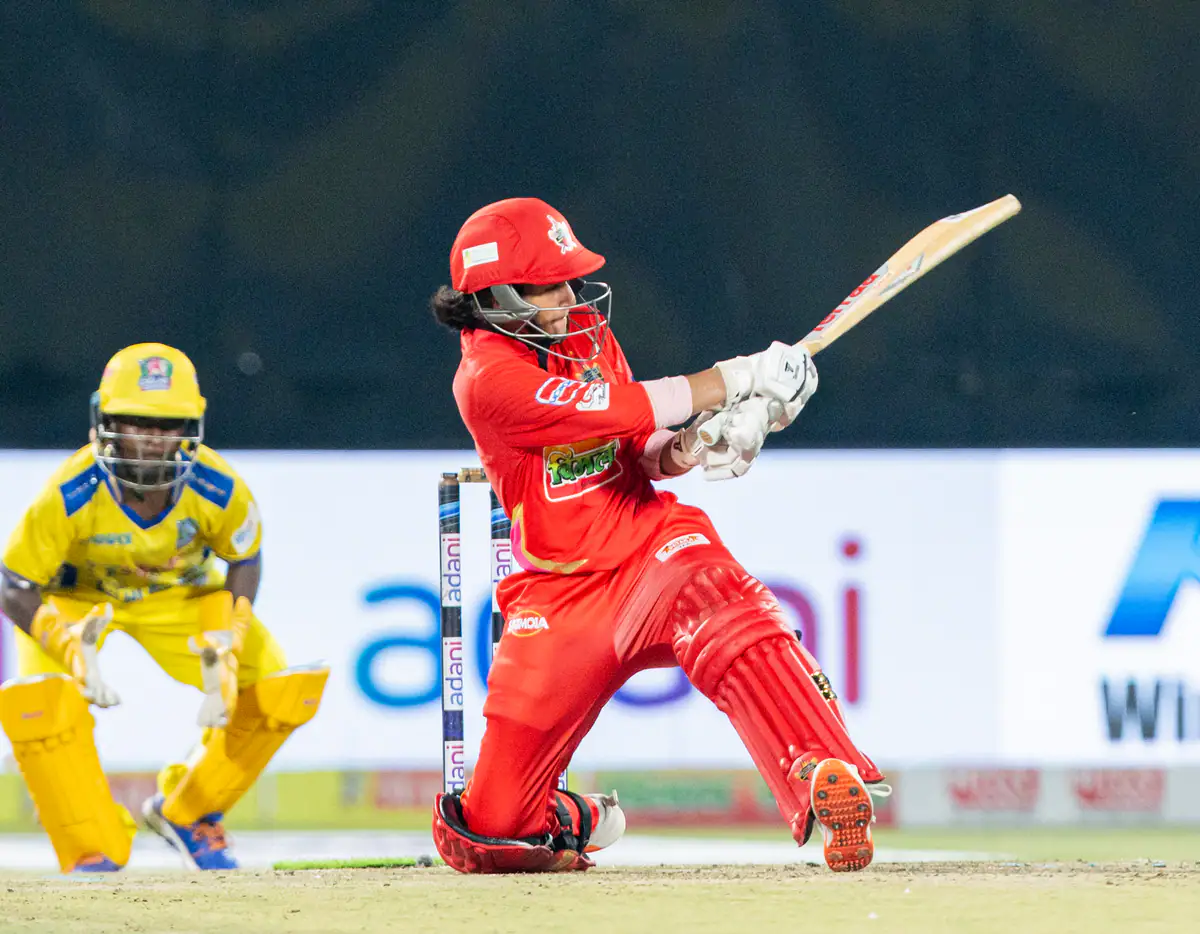
Women’s Delhi Premier League Season 3 begins as Delhi’s women’s cricket ecosystem expands from 80 auction registrations to more than 700 players and 48 club teams.
The third season of the Women’s Delhi Premier League gets underway on Thursday, marking another significant moment in the rapid growth of women’s cricket in the capital.
In just three seasons, the landscape has changed considerably. What began with a relatively small group of players entering the league’s auction has developed into a wider cricketing ecosystem featuring dozens of club teams, a significantly larger player database and stronger performances from Delhi sides across senior and age-group competitions.
The numbers tell part of the story.
When the Women’s DPL was first introduced, around 80 players registered for the auction, with 78 players needed to fill four squads. Today, Delhi’s domestic women’s cricket structure has expanded to 48 club teams and a database of more than 700 players.
For the Delhi & District Cricket Association, however, the growth is about more than participation.
“The most encouraging aspect for us is that the growth of women’s cricket in Delhi is not limited to numbers,” DDCA President Rohan Jaitley said. “When we started the Women’s DPL, we wanted to create a platform where players could get regular competitive cricket and an opportunity to showcase themselves. Today, we are seeing a much larger pool of players coming through the system, and that tells us that the pathway is working.”
From participation to a structured pathway
One of the key developments in Delhi’s women’s cricket has been the creation of a clearer pathway for emerging players. The DDCA Women’s League provides players with regular opportunities to compete and showcase their talent. Strong performances can then open the door to the Women’s DPL, where players have the chance to enter the auction and earn selection with one of the franchise teams.
The structure gives young and aspiring cricketers a more defined progression route. Players can begin by competing in the domestic league, establish themselves through consistent performances and then use the DPL as a bigger platform to test themselves in a more competitive franchise environment.
According to DDCA Vice President Shikha Kumar, the increasing number of opportunities is central to the growth being witnessed. “The most important thing is that we are creating more opportunities for women cricketers to play competitive cricket and prove themselves,” Kumar said.
“The journey from the DDCA Women’s League to the DPL is giving players a clear pathway, and we are seeing more and more talented players come through that system.”
The expansion in the player pool has also been reflected in the latest DPL auction, where a significantly larger number of women cricketers registered to compete for a place in the league. That growing interest is important because franchise competitions can provide emerging players with exposure to a higher-pressure environment, while also allowing them to play alongside and against more established names.
For any domestic cricket ecosystem, participation is only one measure of progress. The more important question is whether a wider player base eventually translates into stronger performances on the field. Delhi has begun to see encouraging evidence of that.
The senior women’s team recently ended a 14-year wait for silverware by winning the 2025–26 Senior Women’s One-Day Trophy. The achievement represented a major moment for women’s cricket in the state and offered tangible evidence of the increasing depth within the system.
The younger age groups have also made an impact. Delhi finished runners-up in the 2023–24 Women’s Under-23 T20 Trophy, underlining the presence of emerging talent and suggesting that the state has a pipeline capable of producing players for senior-level cricket.
“For us, this is the most important measure of progress,” Jaitley said.“It is one thing to see more players registering and more teams participating, but the real success is when that increased participation starts to translate into quality and performance.”
Delhi’s senior title and the Under-23 team’s run to the final provide exactly that kind of evidence. A broader ecosystem means more players competing for places. More competition can raise standards. And stronger domestic competition gives selectors a larger pool from which to identify talent.
That process takes time, but Delhi’s recent results suggest the investment in building opportunities for women cricketers is beginning to deliver.
Women’s DPL as the next stage
The Women’s DPL occupies an important place within this structure. While the DDCA Women’s League provides the competitive foundation, the DPL offers players a larger stage and exposure to the demands of franchise cricket. For young cricketers, that environment can be a crucial learning experience. Matches are played with greater attention, players face different tactical situations and the pressure to perform increases.
The league also allows emerging players to share dressing rooms and the field with more experienced cricketers. DDCA Secretary Ashok Sharma believes the combination of platforms at different levels has been essential. “The growth we are seeing in women’s cricket is a result of creating the right platforms at the right stages,” Sharma said.
“The DDCA Women’s League gives players the opportunity to perform, while the DPL gives them a bigger platform to showcase their ability.” The long-term focus, he added, is to continue strengthening the pathway so that more players can progress through the system and eventually represent Delhi at the highest level.
As the third season gets underway, the Women’s DPL is no longer simply an emerging tournament searching for its identity. It is increasingly becoming part of a broader development structure for women’s cricket in Delhi. The growth from around 80 auction registrations in the inaugural season to a database of more than 700 players is a significant shift. The presence of 48 club teams indicates that the game is developing at the grassroots and domestic levels, while Delhi’s recent success in senior and Under-23 competitions suggests that this growth is beginning to influence results.
For Jaitley, however, Season 3 is not a finish line.
“We have seen the numbers grow, we have seen the quality improve and, most importantly, we have started seeing the results,” he said.
“But we do not want to stop here.” The objective is to continue expanding the ecosystem, create meaningful opportunities and ensure that more young women see cricket as a viable sporting pathway.
The challenge now will be sustaining that momentum.
Participation must continue to grow, competitive opportunities need to remain accessible and the pathway from grassroots cricket to domestic and franchise competition must become even stronger. If the first three seasons are any indication, however, women’s cricket in Delhi is moving in the right direction.
The Women’s DPL Season 3 begins not just as another tournament, but as a reflection of how much the ecosystem around it has evolved. From a small auction pool to hundreds of registered players, from four squads to a network of 48 club teams, and from participation growth to major domestic trophies, the signs of progress are becoming increasingly visible.
For Delhi’s next generation of women cricketers, the pathway is wider than ever before.
Comments (0)
to post comments, replies, and votes.
Loading comments…