Asian Games 2026: Anahat Singh Makes History with Women’s Singles Silver
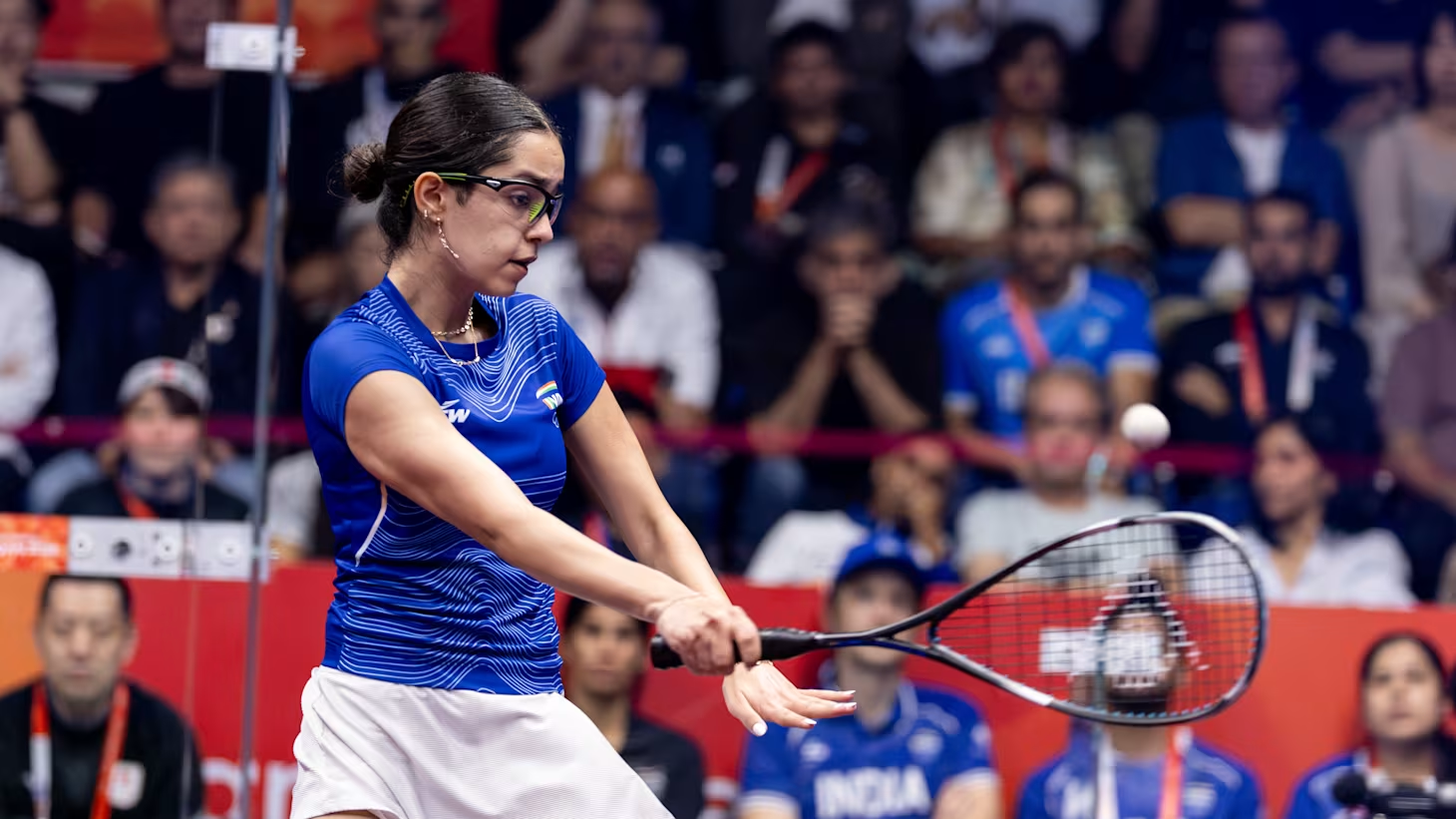
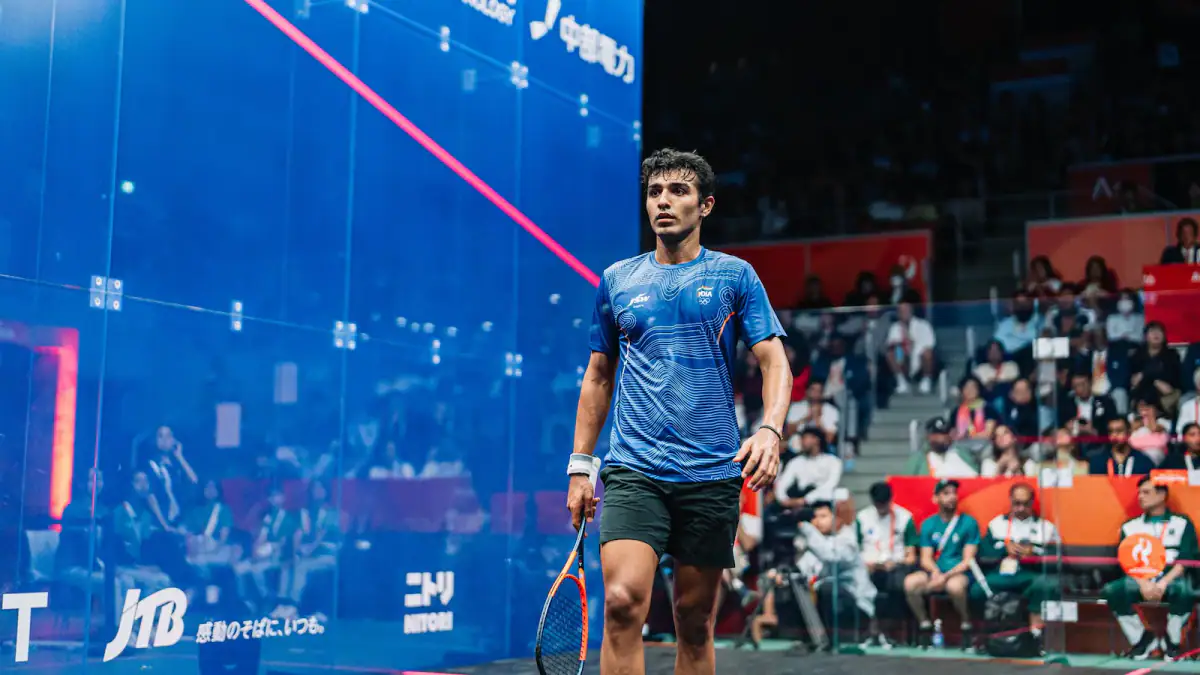
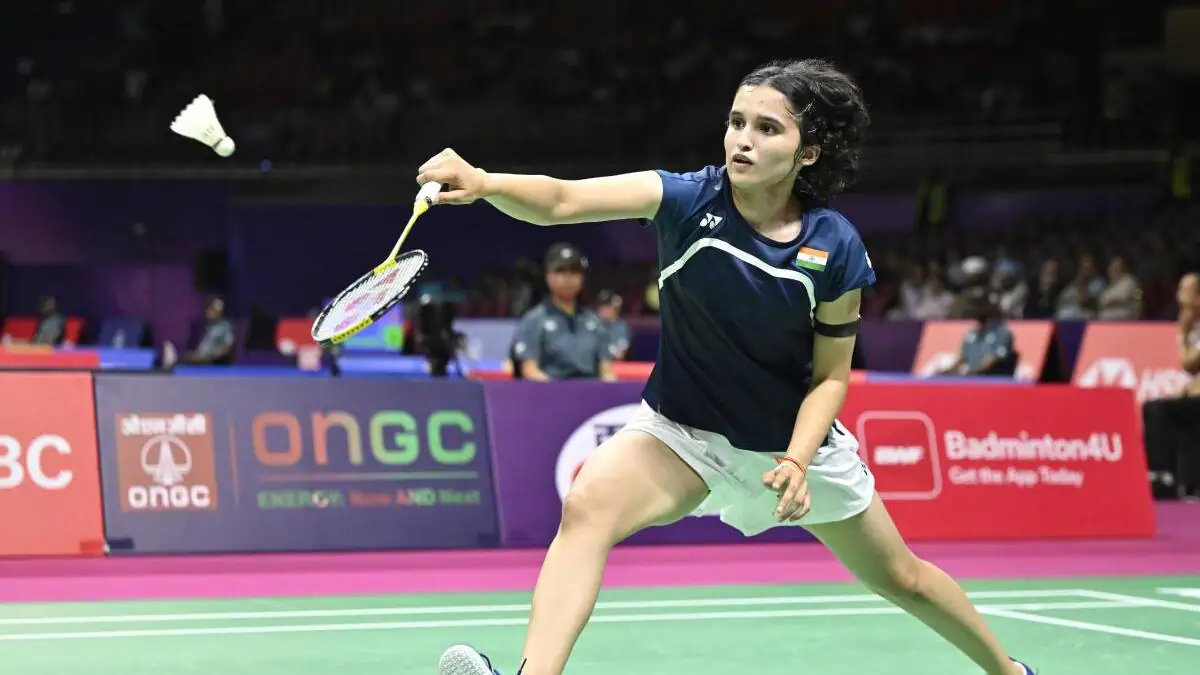
Anahat Singh created history at the Asian Games 2026, becoming the first Indian woman to win a silver medal in the women’s singles squash event.
The 18-year-old’s remarkable campaign ended with a 0-3 defeat to Malaysia’s Sivasangari Subramaniam, who produced a dominant performance to win the gold medal.
Sivasangari prevailed 11-4, 11-4, 11-7, controlling the match from the outset and denying Anahat the opportunity to reproduce the stunning comeback that had taken her into the final.
Despite the defeat, Anahat leaves the competition with a historic achievement and a first Asian Games singles medal.
Anahat entered the final after one of the most memorable performances of her young career. The previous day, she had defeated Japan’s Satomi Watanabe in a dramatic five-game semifinal, recovering from two games down to win 3-2. That victory had sent her into the final against Sivasangari, the world No. 4.
The Malaysian represented a considerably different challenge. Anahat had faced Sivasangari just a couple of weeks earlier at the London Squash Classic, where the Malaysian had won in straight games, 11-4, 11-4.
The Asian Games final therefore presented Anahat with another opportunity to close the gap against one of the leading players in women's squash.
The Indian teenager began the final positively. Anahat took an early 3-2 lead, showing no obvious signs of nerves and matching Sivasangari in the opening rallies. The Malaysian, however, soon began to demonstrate the qualities that have made her one of the leading players in the sport. Sivasangari's speed around the court allowed her to retrieve Anahat's attacking shots, while her variation of pace and stroke selection repeatedly forced the Indian into difficult positions.
Anahat made a series of errors with her drop shots, including three that went too low, allowing Sivasangari to take control. From 3-2 down, the Malaysian gradually pulled away.
Sivasangari moved to 6-3 and then 9-3, leaving Anahat with little opportunity to regain control of the rallies. She eventually closed out the opening game 11-4, taking a 1-0 lead.
Sivasangari Extends Advantage
The second game followed a similar pattern. Sivasangari continued to retrieve almost everything Anahat threw at her while simultaneously producing precise attacking shots of her own. The Malaysian's control of the rallies made it difficult for Anahat to construct points on her terms. Sivasangari's ability to vary her shots and change the pace repeatedly forced Anahat to cover the court, while the Indian struggled to maintain the consistency required to stay with her opponent.
The Malaysian moved towards another comfortable game victory and once again finished with an 11-4 scoreline. With two games gone, Sivasangari had established a commanding 2-0 lead. For Anahat, the situation was reminiscent of her semifinal against Watanabe, where she had recovered from two games down to produce an extraordinary comeback.
The question was whether she could find another gear in the final.
Anahat began the third game with the need for a major turnaround. She continued to search for opportunities and tried to challenge Sivasangari's control of the rallies.
But the Malaysian remained in complete command. Her movement, retrieval and decision-making repeatedly prevented Anahat from establishing sustained pressure. Sivasangari was also highly effective with her drop shots, choosing the right moments to attack rather than forcing the issue. Anahat attempted to stay in the contest, but the gap remained significant.
Sivasangari eventually secured the third game 11-7, completing a straight-games victory and claiming the Asian Games gold medal. The 3-0 scoreline underlined the Malaysian's control throughout the final.
Historic Silver for Anahat
Although the final did not go her way, Anahat's Asian Games campaign remains historic. At just 18 years old, she becomes the first Indian woman to win a silver medal in women's singles squash at the Asian Games. Her achievement also adds another chapter to India's growing presence in the sport. Anahat had already secured her place in the final by producing one of the tournament's most dramatic comebacks against Watanabe. That victory demonstrated her resilience and ability to compete at the highest level.
The final against Sivasangari provided a different lesson. The Malaysian's control and consistency meant Anahat never found the rhythm required to mount another comeback. Sivasangari's ability to dictate rallies and execute her attacking options consistently kept the Indian under pressure throughout.
For Anahat, however, reaching the final at 18 represents a major milestone in her career.
Anahat's silver adds to an impressive Asian Games campaign for Indian squash. Abhay Singh had earlier won silver in the men's singles, while Joshna Chinappa and Velavan Senthilkumar secured bronze in mixed doubles. Anahat's medal carries its own historical significance as India's first women's singles silver in squash at the Asian Games.
Sivasangari, meanwhile, successfully defended her title and secured gold after producing a commanding performance. For Anahat, the result offers both a medal and valuable experience at the highest level. Her semifinal comeback showed the fighting qualities that have already taken her into the Asian elite, while the final provided a demanding test against a player operating at an exceptional level. The teenager leaves the Asian Games with a historic silver medal and the experience of having contested a major final at just 18.
The gold went to Sivasangari, but Anahat Singh has written her name into Indian squash history.
Comments (0)
to post comments, replies, and votes.
Loading comments…