Can India End T20 World Cup Wait? Strengths, Weaknesses and Full Squad Analysis
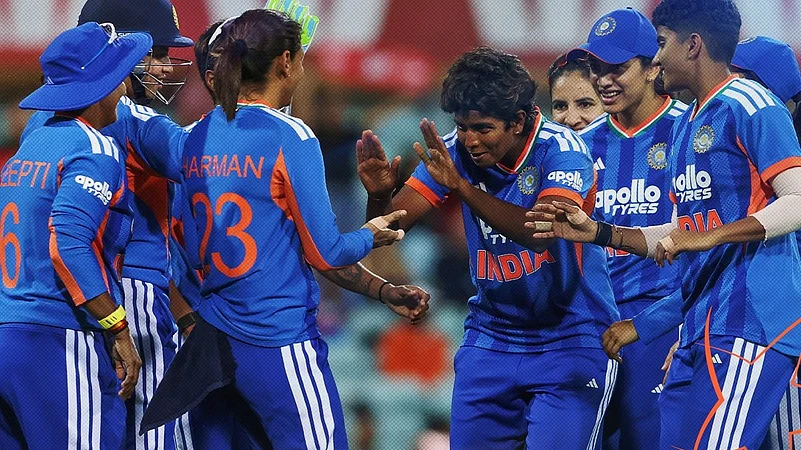
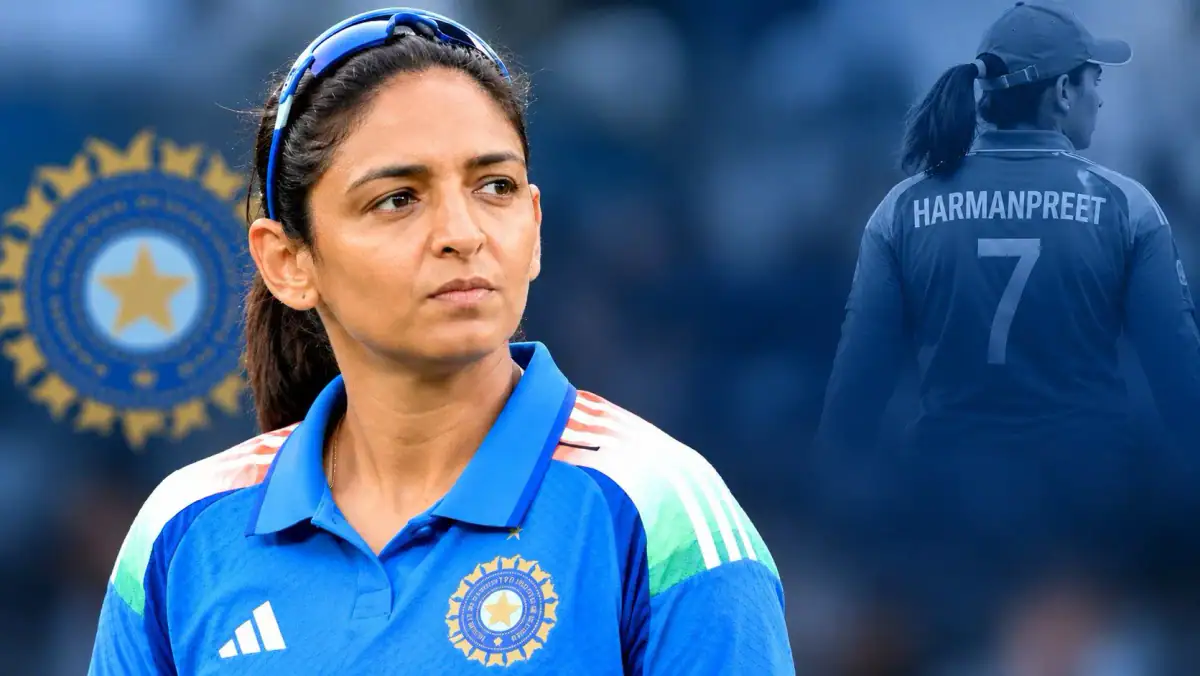
Led by Harmanpreet Kaur, India enter the ICC Women's T20 World Cup 2026 with renewed confidence after their ODI World Cup triumph. Here's a complete squad analysis.
India head into the ICC Women's T20 World Cup 2026 carrying greater expectations than ever before. Less than two years after a disappointing group-stage exit in the previous edition, the landscape around Indian women's cricket has changed dramatically.
The biggest difference is belief.
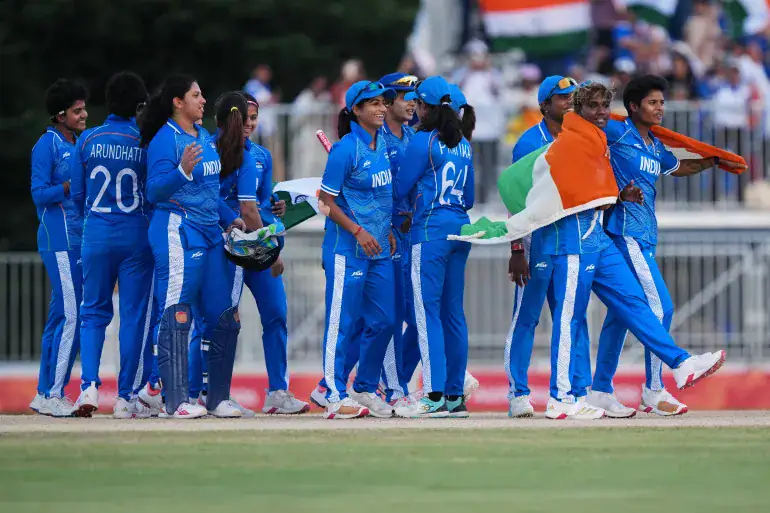
Since their early elimination at the 2024 Women's T20 World Cup in the UAE, India have transformed into a more confident and battle-hardened unit. The crowning moment came earlier this year when Harmanpreet Kaur led India to the ODI World Cup title, ending a long wait for a major global trophy and proving that this group is capable of succeeding on the biggest stage.
Now, attention turns to the shortest format.
India have already arrived in the United Kingdom for a five-match T20I series against England before beginning their World Cup campaign against Pakistan on June 14 in Birmingham. With a balanced squad featuring experienced stars and exciting new faces, the team enters the tournament with genuine hopes of mounting a title challenge.
The selectors have largely retained faith in the core group that has represented India in recent years. Of the 15 players selected, 11 were part of the squad that featured in the previous T20 World Cup. Harmanpreet Kaur continues as captain, while Smriti Mandhana has been named vice-captain.
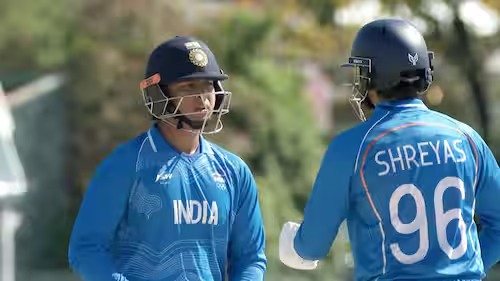
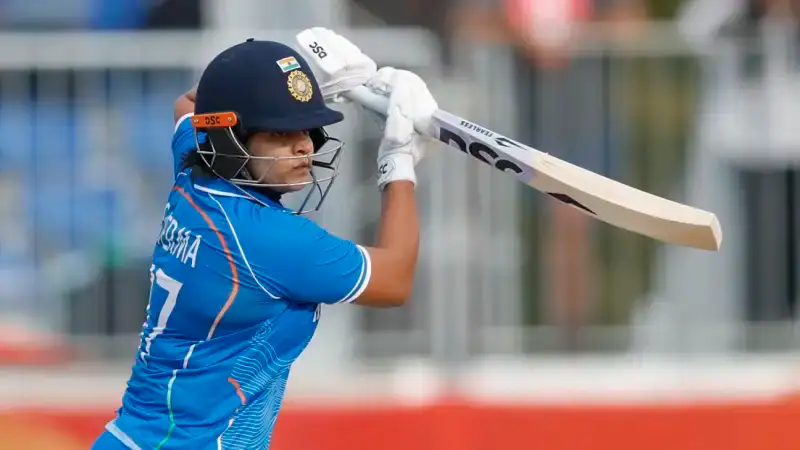
The batting unit is packed with experience. Mandhana remains one of the most consistent top-order batters in world cricket, while Shafali Verma's aggressive approach gives India the ability to dominate powerplays. Jemimah Rodrigues provides stability in the middle order, and captain Harmanpreet remains one of the most destructive finishers in the women's game.
Behind them is wicketkeeper-batter Richa Ghosh, whose ability to accelerate quickly makes her one of India's most valuable T20 assets. This experienced batting core has played together for several years and will form the backbone of India's campaign.
Four New Faces Get Their Opportunity
While continuity has been rewarded, the squad also features four fresh faces. Bharti Fulmali, Nandani Sharma, Shree Charani and Kranti Gaud have all earned maiden T20 World Cup selections. Their inclusion reflects India's growing talent pool, largely aided by the Women's Premier League (WPL), which has become a crucial platform for identifying and developing young talent.
Among the newcomers, Bharti Fulmali's selection has generated considerable discussion. The 31-year-old batter was preferred ahead of Harleen Deol and could have an important role to play in the middle order.
Meanwhile, Shree Charani and Kranti Gaud represent the next generation of Indian bowlers and will be eager to make an impact if given opportunities.
The strongest aspect of this squad is undoubtedly its batting experience. Mandhana, Shafali, Harmanpreet and Richa collectively possess the ability to win matches single-handedly. Their experience in major tournaments and franchise cricket around the world gives India a strong foundation.
The all-round options also provide significant balance. Deepti Sharma remains one of the most valuable players in women's cricket due to her ability to contribute with both bat and ball. Radha Yadav offers a similar advantage while also being among India's best fielders.
Fielding could prove to be an underrated strength for this Indian side. In a format where matches are often decided by small margins, saving runs and converting half-chances can make a major difference.
The presence of Shreyanka Patil also adds depth to the spin department, giving the team additional flexibility depending on conditions and opposition.
Despite the positives, there are areas of concern. The most obvious weakness is India's pace bowling resources.
Renuka Singh remains the leader of the attack, but her recent form has been inconsistent. India will need her to rediscover her best rhythm quickly, especially in English conditions where seam bowlers often play a decisive role. The pressure on the younger fast bowlers could therefore be significant.
Shree Charani and Kranti Gaud are highly rated prospects, but a World Cup presents a completely different challenge. Adapting to unfamiliar conditions, handling pressure and delivering against the world's best batting line-ups will not be easy. Their performances could play a major role in determining how far India progress.
Another significant setback is the absence of Amanjot Kaur through injury. Amanjot's all-round capabilities have made her an important member of India's white-ball setup, and her ability to contribute in multiple departments would have added valuable balance to the squad.
Her absence places additional responsibility on players such as Deepti Sharma and Arundhati Reddy to provide depth.
India's group-stage campaign begins with a blockbuster clash against Pakistan on June 14 before matches against the Netherlands, Bangladesh and Australia. The fixture against Australia could prove particularly crucial given the history between the two sides in ICC events. Unlike previous editions, however, India enter this tournament carrying the confidence of world champions.
The ODI World Cup triumph has changed perceptions both inside and outside the dressing room. Combined with the impact of the WPL and the emergence of new talent, India appear better equipped than ever to challenge for the T20 crown.
Whether they can finally translate potential into success remains to be seen, but one thing is certain: expectations have never been higher.
Comments (0)
to post comments, replies, and votes.
Loading comments…