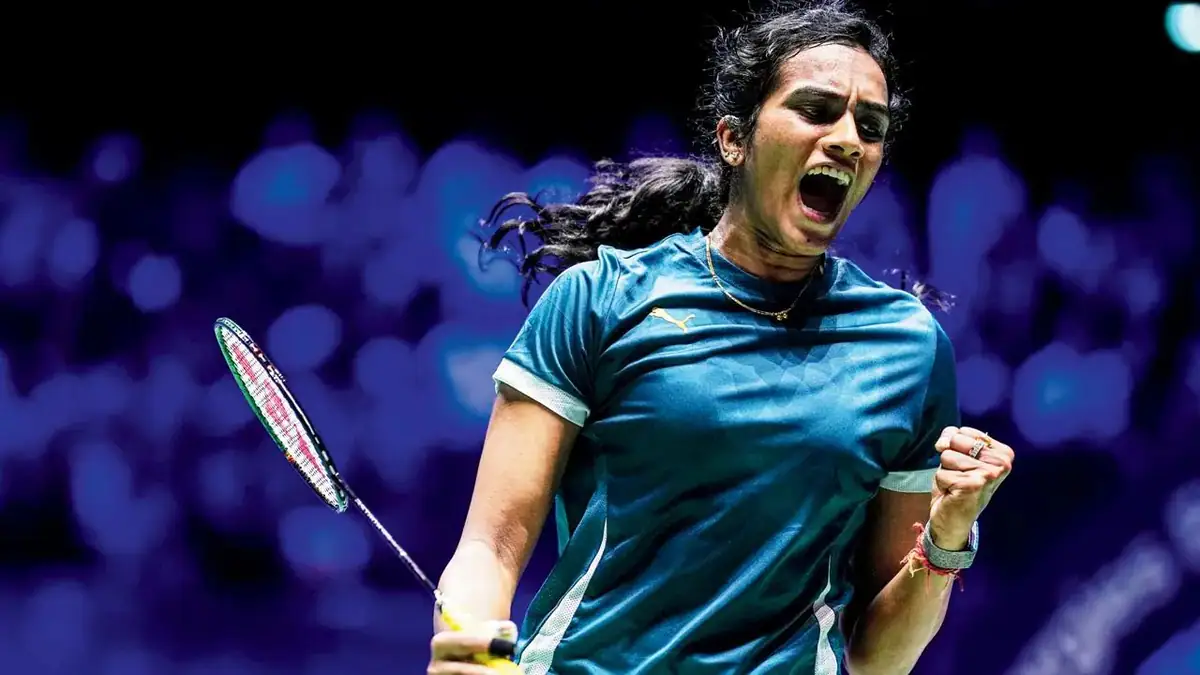
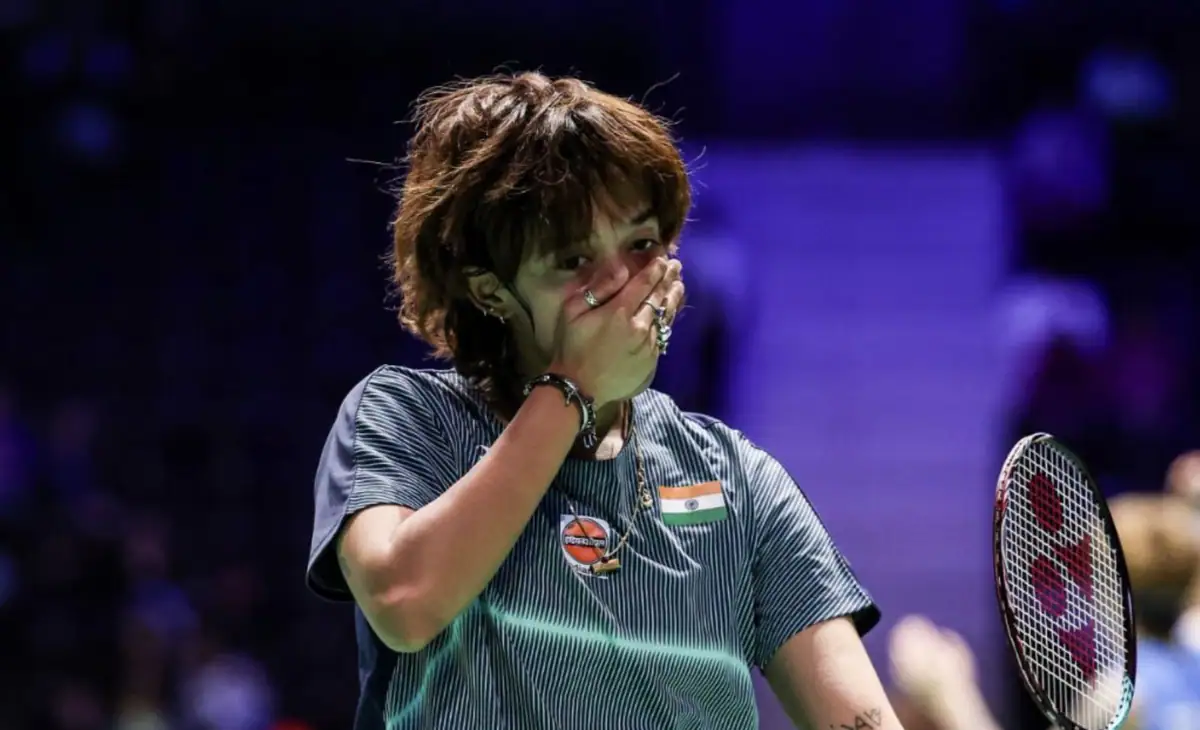
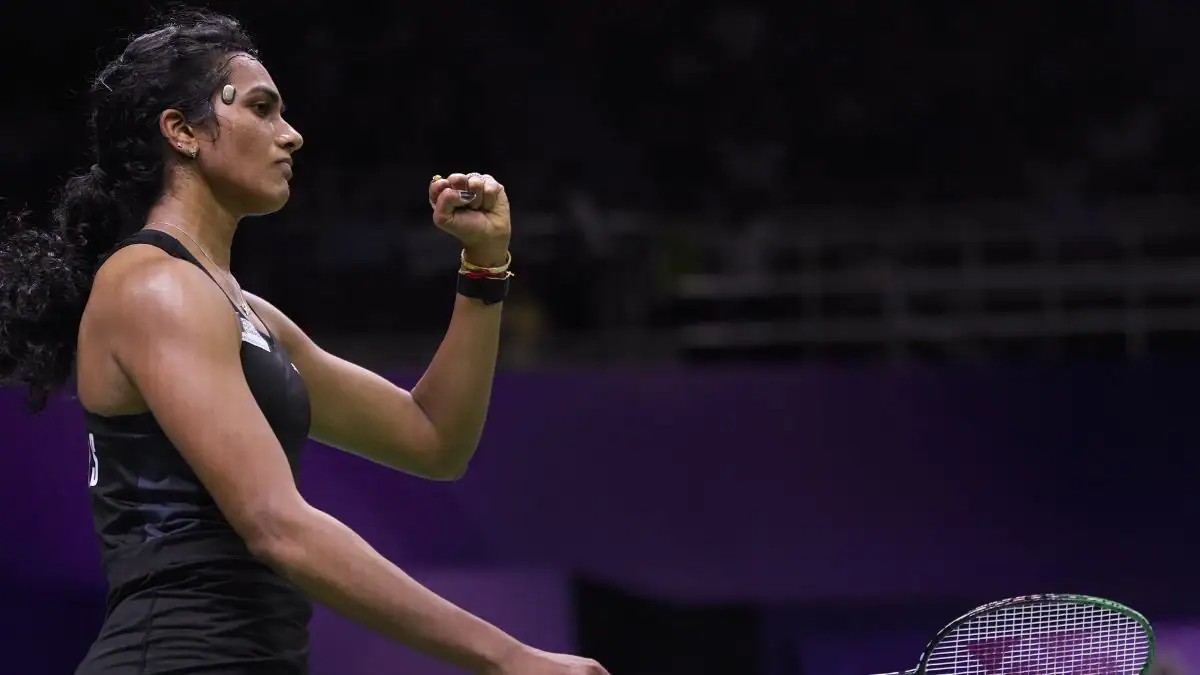
Dakar 2026 Youth Olympics: India’s Dev Ruparelia and Tanvi Patri Set for Badminton Singles Challenge
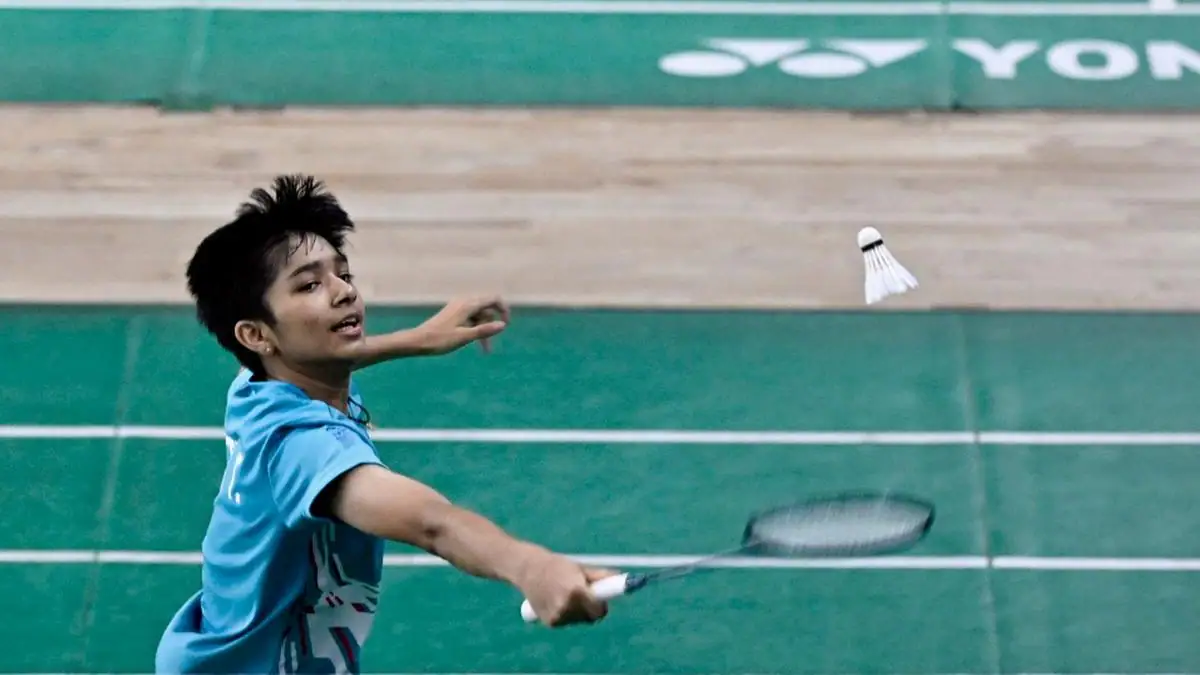
India will field Dev Ruparelia in boys’ singles and Tanvi Patri in girls’ singles at the Dakar 2026 Youth Olympic Games, where the next generation of badminton talent will compete from November 1 to 5.
The next generation of international badminton talent will assemble in Senegal for the Dakar 2026 Youth Olympic Games, with India represented by Dev Ruparelia in boys’ singles and Tanvi Patri in girls’ singles. The competition will provide both young shuttlers with an opportunity to test themselves against leading players from around the world on one of the biggest stages in junior sport.
Badminton has featured at all four editions of the Youth Olympic Games, establishing the competition as an important platform for emerging players. Several athletes who previously reached the Youth Olympic Games podium have gone on to become world champions, world No. 1s and leading figures on the Badminton World Federation (BWF) circuit.
The Dakar competition begins on November 1, with the boys’ and girls’ singles finals scheduled for November 5 at the 15,000-seater Dakar Arena.
India will compete in both singles categories, with Dev Ruparelia entering the boys’ singles draw and Tanvi Patri representing the country in girls’ singles.
The tournament offers the Indian pair an opportunity to gain international experience against players from a wide range of badminton backgrounds. With only singles events being contested in Dakar, the focus will be on individual performances across the group stage, followed by the knockout rounds.
The competition will begin with three days of group-stage matches from November 1 to 3. Players will need to navigate their respective groups before the tournament moves into the quarterfinals and semifinals on November 4.
For India, progressing beyond the group stage will be an important first objective. The knockout rounds will then provide a more direct test of each player’s ability to handle pressure and deliver against the strongest remaining opponents.
The supplied tournament information identifies Dev and Tanvi as India’s entrants but does not provide their complete group assignments or individual match schedules. Those details should be checked against the official event draw and results page as the competition approaches.
The Youth Olympic Games have previously featured several players who later established themselves among the leading names in international badminton.
Japan’s Akane Yamaguchi and China’s Shi Yuqi, both former world champions and world No. 1s, are among the notable players associated with the tournament’s history. He Bingjiao, the women’s singles silver medallist at the Paris 2024 Olympic Games, also featured among the Youth Olympic Games medallists.
Other prominent names include China’s Wang Zhiyi, Indonesia’s Anthony Sinisuka Ginting and Japan’s Kodai Naraoka, who have gone on to become established competitors on the international circuit.
Their progress illustrates the potential value of the Youth Olympic Games as a development platform. The competition brings talented young players together at an early stage of their careers, allowing them to experience a major multi-sport event while testing their skills against international opposition.
Dakar 2026 will provide the next group of juniors with a similar opportunity to make their mark.
International Competition to Watch
The Dakar field includes several highly ranked junior players, according to the event preview.
France’s Mady Sow is identified as the world No. 1 in the boys’ junior rankings, while Hong Kong, China’s Ip Sum Yau, is listed as the world No. 2 in the girls’ category. China’s Zhang Yixin, described in the preview as a world champion, is another name to watch.
The presence of highly ranked juniors adds to the competitive depth of the tournament. For Dev and Tanvi, the draw will determine their immediate challenges, while their performances across the group stage will shape their prospects of reaching the medal rounds.
However, junior rankings alone do not determine the outcome of a short tournament. Consistency across group matches and the ability to manage different playing styles and execution in decisive moments will all be important as the competition progresses.
Dakar 2026 Badminton Schedule
All times below are local time in Dakar, which is the same as UTC.
November 1: Boys’ and girls’ singles group matches, 9:00 AM–6:55 PM.
November 2: Boys’ and girls’ singles group matches, 9:00 AM–6:55 PM.
November 3: Boys’ and girls’ singles group matches, 9:00 AM–6:55 PM.
November 4: Boys’ singles quarterfinals, 9:00–10:45 AM; girls’ singles quarterfinals, 10:50 AM–12:35 PM; boys’ singles semifinals, 2:30–4:35 PM; girls’ singles semifinals, 4:40–6:45 PM.
November 5: Boys’ singles bronze-medal match, 2:00–3:00 PM; boys’ singles final, 3:10–4:10 PM; girls’ singles bronze-medal match, 4:35–5:35 PM; girls’ singles final, 5:45–6:45 PM.
The group-stage matches will determine which players advance to the quarterfinals, with the medal matches bringing the competition to a close on November 5.
Live streams of the Dakar 2026 Youth Olympic Games badminton competition will be available through Olympics.com and the official Olympic YouTube channel.
For Indian badminton, attention will be on how Dev Ruparelia and Tanvi Patri handle the group stage and whether they can progress into the knockout rounds. The Youth Olympic Games offer a valuable international test, and strong performances in Dakar could provide both players with important experience for their future development.
With five days of singles competition and medals decided on November 5, Dakar will offer India’s young shuttlers an opportunity to compete on a global stage and measure themselves against some of the most promising players in junior badminton.
Comments (0)
to post comments, replies, and votes.
Loading comments…