Fighting Effort Falls Short as Indian Women Go Down 2-3 to Denmark in Uber Cup Opener
India’s women’s team began their Uber Cup 2026 campaign with a narrow 2-3 defeat against hosts Denmark in Horsens, a result that reflected both the promise and growing pains of a young squad competing against an experienced European side.
India’s women’s team began their Uber Cup 2026 campaign with a narrow 2-3 defeat against hosts Denmark in Horsens, a result that reflected both the promise and growing pains of a young squad competing against an experienced European side.
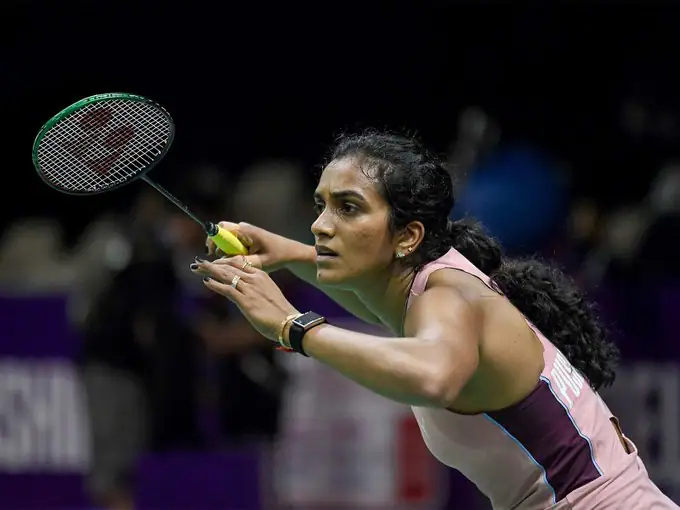
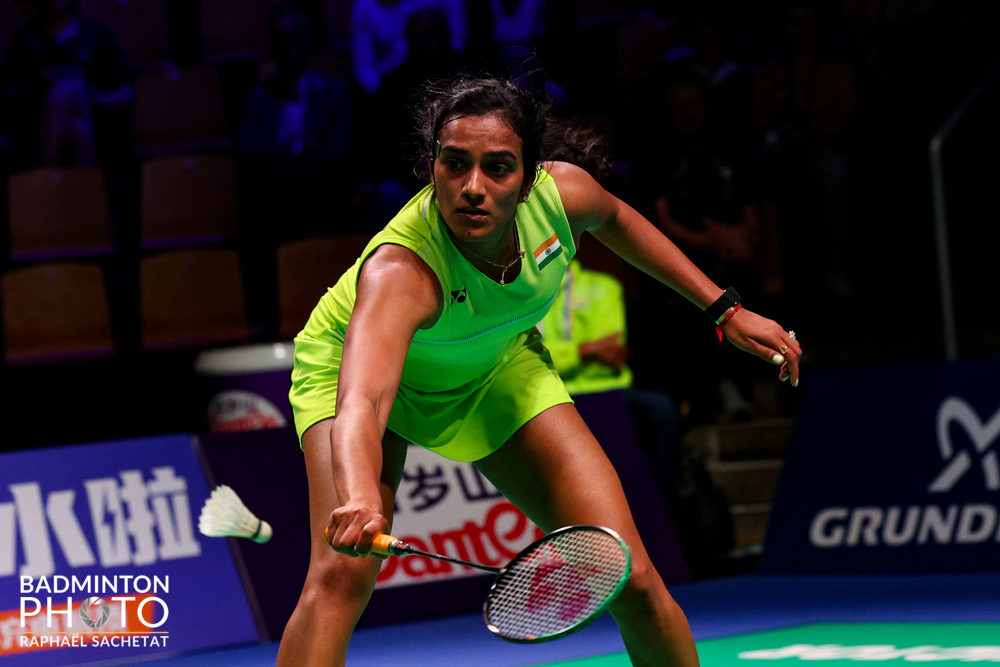
While the Indian men secured a comfortable 4-1 win over Canada earlier in the day, the women’s tie carried a different narrative one defined by fine margins, missed opportunities, and moments of individual brilliance that ultimately were not enough to tilt the result. The contest opened with PV Sindhu setting the tone for India. Facing Line Christophersen, Sindhu delivered a composed three-game victory, winning 21-13, 18-21, 21-17. The match showcased her ability to control rallies and absorb pressure, particularly after dropping the second game.
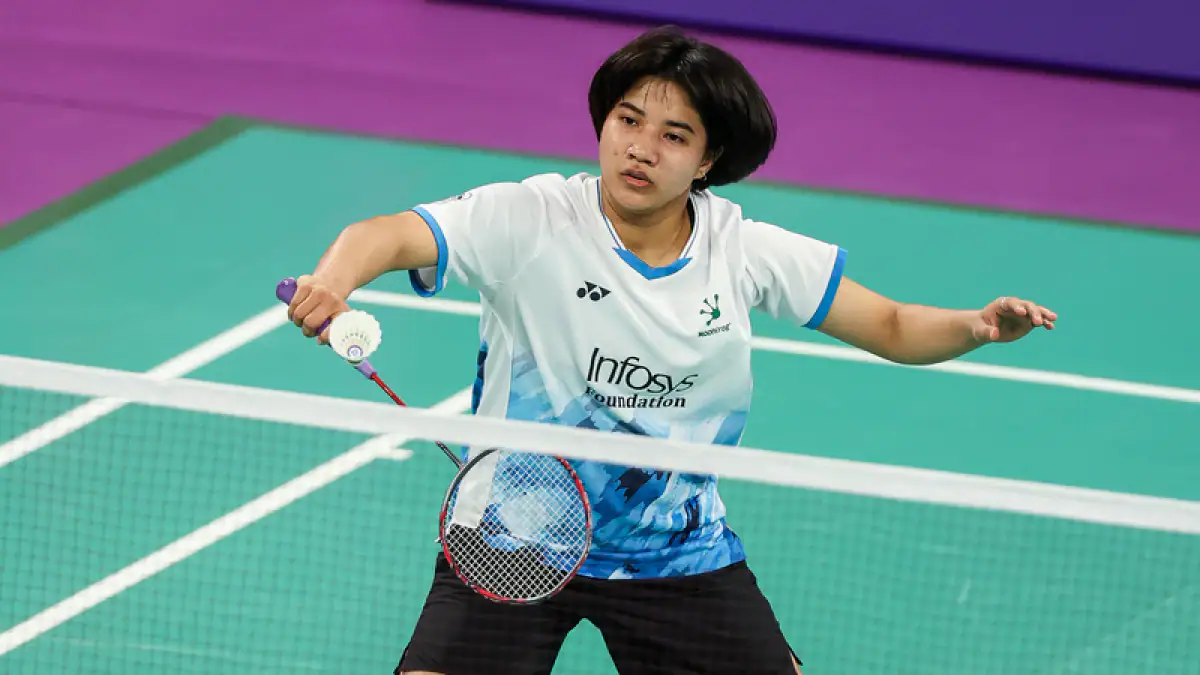
Sindhu’s win gave India an early 1-0 lead and provided a strong platform. In team events, the first singles match often shapes momentum, and her victory suggested that India could challenge Denmark across the tie. However, the second singles match proved to be a turning point. Unnati Hooda, one of India’s promising young players, faced Line Kjaersfeldt in a closely contested encounter. After losing the opening game 12-21, Hooda responded with a much stronger second game, pushing it to 23-25. Despite the improvement, she was unable to convert key points, allowing Denmark to level the tie at 1-1.
That inability to close out tight situations became a recurring theme. The first doubles match, featuring Priya Konjengbam and Shruti Mishra, offered India a significant opportunity to regain the lead. After losing the opening game 17-21, the Indian pair responded with a strong 21-11 win in the second, forcing a decider. In the third game, they found themselves in a position to win the match, holding match points against Amalie Kudsk and Mette Werge. However, the Danish pair held their nerve, edging the decider 23-21. The narrow loss shifted the tie in Denmark’s favour, giving them a 2-1 lead and placing India under pressure.
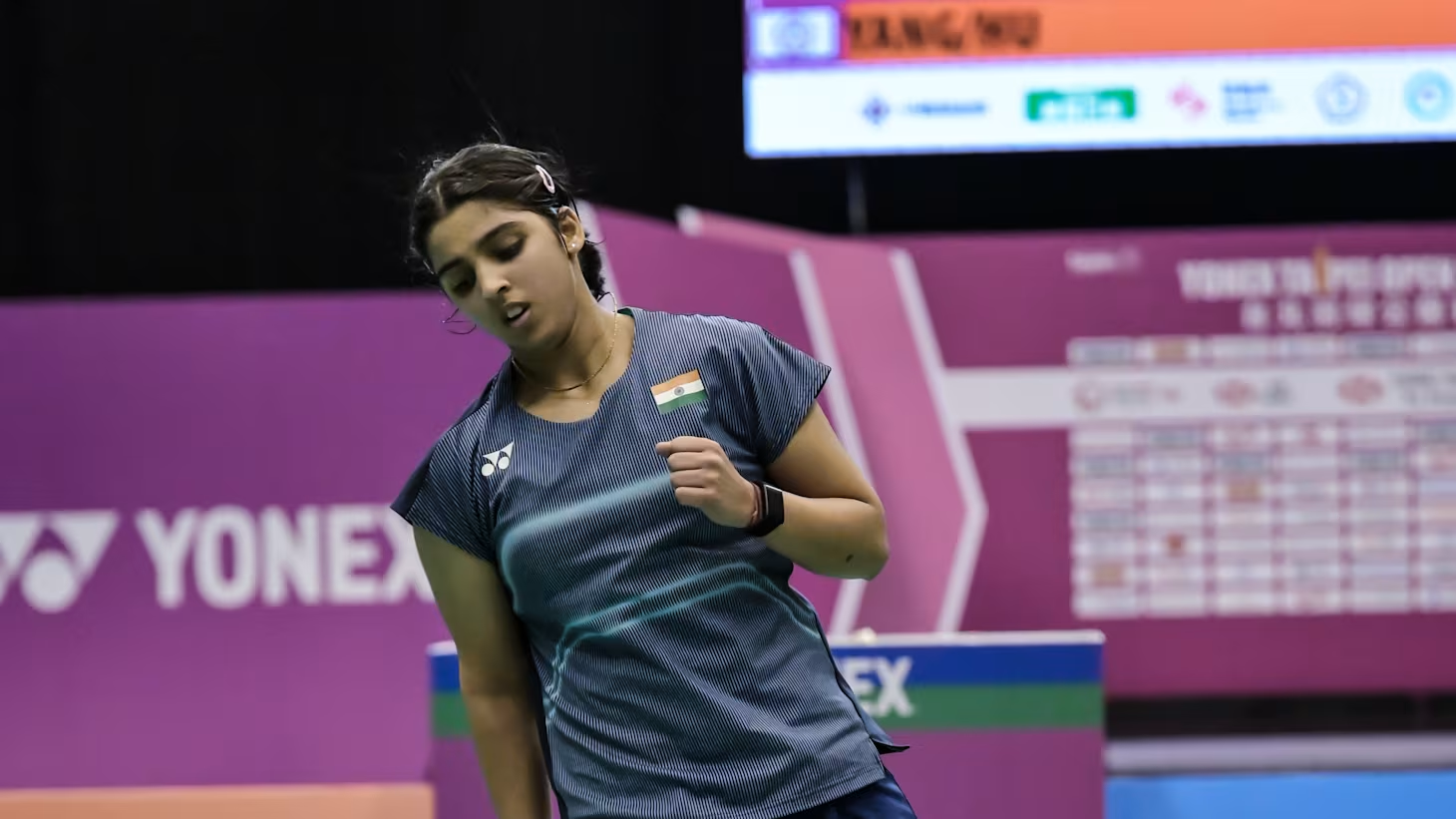
The fourth match saw Tanvi Sharma take the court in the second singles. Facing Amalie Schulz, Sharma started well, taking the first game 21-19. However, the Danish player responded with greater consistency, winning the next two games 21-16, 21-16. The result sealed the tie for Denmark at 3-1, effectively ending India’s chances of a comeback. Despite the tie being decided, the final doubles match still held importance for overall momentum and confidence. Tanisha Crasto, partnering Sindhu, secured a win against Alexandra Boje and Christine Busch. The match ended with a retirement from the Danish pair, but the Indian duo had already shown competitiveness across the exchanges.
While the final scoreline read 3-2 in favour of Denmark, the tie itself was far more closely contested than the result suggests. Two matches extended to three games, and the doubles encounter that could have shifted the balance slipped away by the narrowest of margins. From a structural perspective, the tie highlighted both strengths and areas for improvement within the Indian squad. Sindhu’s presence continues to provide stability in the top singles position, offering a reliable point against strong opposition. However, the reliance on younger players in the remaining singles matches introduces variability.
Unnati Hooda and Tanvi Sharma both showed phases of strong play but were unable to sustain consistency across entire matches. At this level, the difference often lies in converting crucial points, particularly in extended rallies and tight game situations. The doubles segment also reflected a gap in execution under pressure. While Priya and Shruti demonstrated the ability to compete and even dominate phases of the match, the inability to close out match points proved costly. Against experienced teams, such moments often define the outcome.
The result places India in a challenging position within Group A. With China and Ukraine still to be faced, the pathway to the quarterfinals becomes more demanding. Realistically, India will need to secure wins in both remaining ties, including a strong performance against China, to stay in contention. From a broader perspective, the match serves as a learning phase for a relatively young Indian team. Competing against established European players in a high-pressure team environment provides valuable experience, particularly in understanding match dynamics and handling critical moments.
The conditions of team events also add complexity. Unlike individual tournaments, the outcome depends on collective performance, where each match contributes to the overall result. Managing momentum shifts and maintaining composure across the tie are essential aspects that develop with experience. For India, the immediate focus will be on recovery and preparation for the upcoming tie against Ukraine. That match presents an opportunity to regain momentum and keep qualification hopes alive. At the same time, the team will need to address the small but significant gaps that emerged in the opening encounter.
The defeat to Denmark, while disappointing, also highlighted the team’s competitive potential. The margins were narrow, and the difference lay in execution during decisive moments. As the Uber Cup campaign progresses, India’s challenge will be to convert these competitive performances into results. The foundation is evident, but consistency under pressure remains the key to advancing further in the tournament.
Comments (0)
to post comments, replies, and votes.
Loading comments…