Glasgow CWG 2026 Drops Rugby, Hockey, Cricket and 9 Other Sports in Major Commonwealth Games Overhaul
Glasgow 2026 will feature only 10 sports after rugby sevens, hockey, cricket, badminton, wrestling and several others were dropped as part of a streamlined Commonwealth Games.
The 2026 Commonwealth Games in Glasgow will be unlike any previous edition in recent history. Following Victoria's withdrawal as host and Glasgow's decision to rescue the event with a scaled-down model, organisers have confirmed a significantly reduced sports programme that has sparked disappointment across the global sporting community.
Only ten sports will feature at Glasgow 2026, with several high-profile disciplines—including rugby sevens, hockey, cricket, badminton, squash, wrestling and table tennis—removed from the programme. While the streamlined format has ensured the Games will go ahead, it has also raised important questions about the future direction of the Commonwealth Games.
Despite the reduced schedule, organisers believe the new model offers a financially sustainable solution that preserves one of the world's oldest multi-sport events.
The dramatic changes to the sports programme are directly linked to the financial crisis that threatened the existence of the 2026 Commonwealth Games. Victoria had originally secured hosting rights but withdrew in 2023 after projected costs reportedly escalated beyond A$6 billion. The withdrawal left the Commonwealth Games Federation searching for an alternative host with very limited preparation time.
Glasgow eventually stepped in, offering to stage a compact edition built around existing infrastructure rather than investing in expensive new venues. To make the project financially viable, organisers significantly reduced both the number of venues and the number of sports. The result is the smallest Commonwealth Games programme in more than three decades.
Glasgow 2026 will feature the following sports:
Athletics
Swimming
3x3 Basketball
Artistic Gymnastics
Boxing
Judo
Indoor Bowls
Netball
Track Cycling
Weightlifting
The competitions will take place across a handful of existing venues already used during Glasgow's successful hosting of the 2014 Commonwealth Games. This compact approach allows organisers to reduce operational costs while maintaining international competition standards.
The biggest talking point is undoubtedly the number of established Commonwealth Games sports that have been excluded. Among the most notable omissions are Rugby Sevens, Hockey, Twenty20 Cricket, Badminton, Wrestling, Squash, Table Tennis, Beach Volleyball, Diving, Road Cycling, Mountain Biking & Rhythmic Gymnastics
For many nations, these sports have traditionally contributed a significant share of their medal tally. Countries such as India, Australia, England, New Zealand, South Africa and Malaysia have all enjoyed considerable success in several of the excluded disciplines. The decision therefore affects not only athletes but also national sporting strategies leading into the Games.
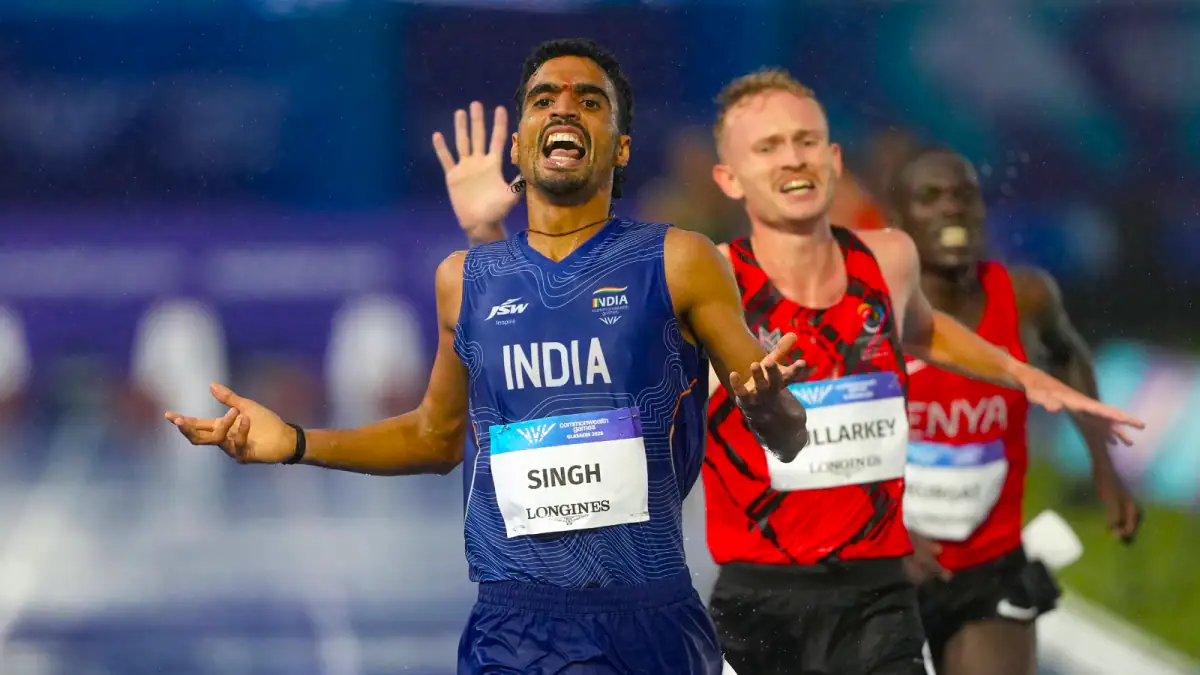
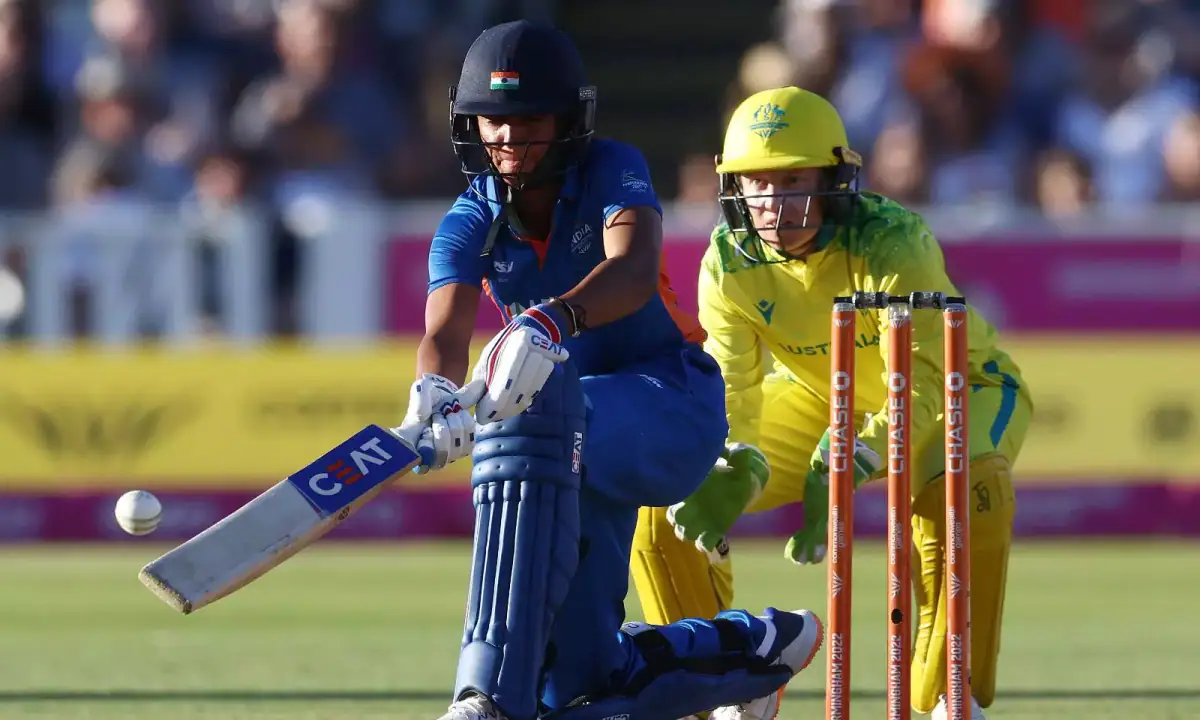
Few countries are affected more significantly than India. Over the past several editions of the Commonwealth Games, India has consistently won medals in wrestling, badminton, table tennis, squash and cricket—all of which have now been removed. Wrestling has historically been one of India's strongest sports at the Commonwealth Games, producing multiple gold medals across every edition. Similarly, badminton has emerged as another major medal contributor, while table tennis and squash have witnessed India's growing dominance in recent years.
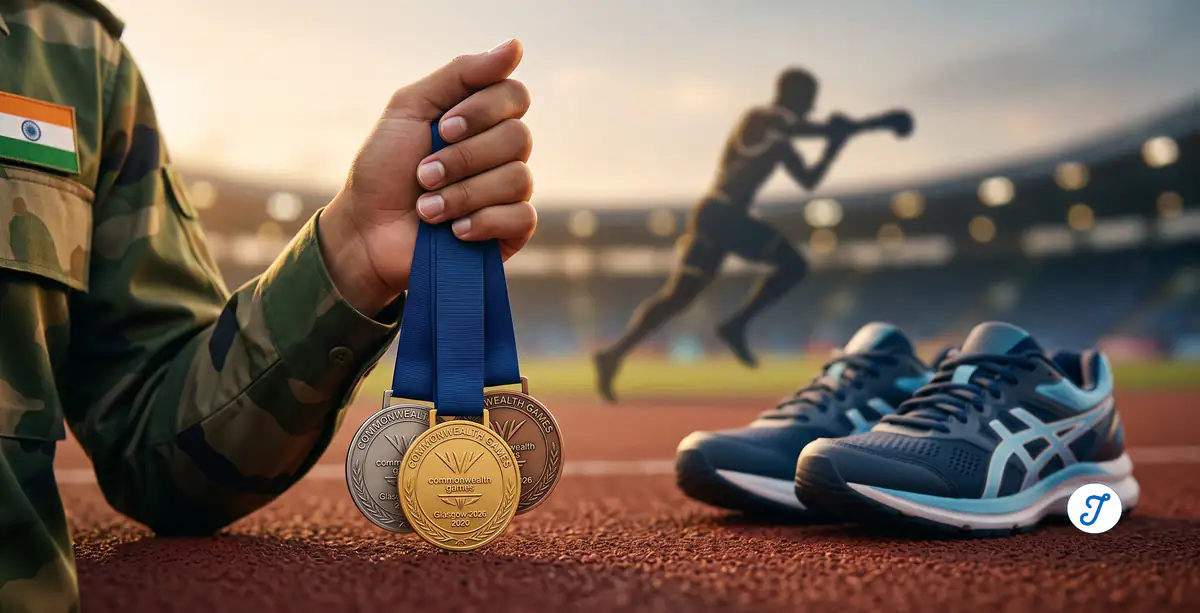
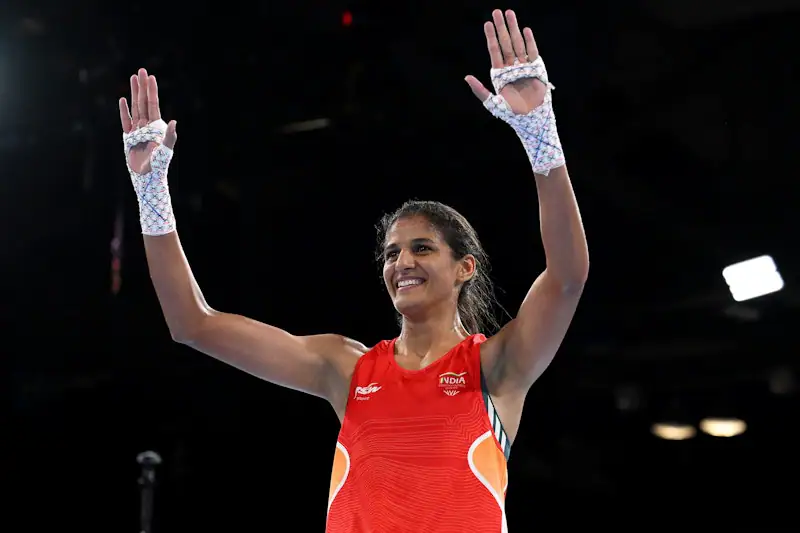
The exclusion of these sports substantially reduces India's medal opportunities compared to previous Commonwealth Games. Instead, Indian athletes will now look towards boxing, weightlifting, athletics, swimming and judo to maintain the country's strong Commonwealth Games record.
The announcement triggered contrasting reactions from international sporting bodies. Sports removed from the programme expressed disappointment over losing one of their biggest international multi-sport platforms. Rugby sevens, which has grown considerably through Commonwealth Games exposure over the past two decades, is among the biggest casualties.
Likewise, hockey and cricket, both immensely popular across Commonwealth nations, will be absent despite their strong fan following. Squash, table tennis and beach volleyball also miss out, denying athletes valuable opportunities to compete on one of the sport's biggest stages. On the other hand, sports that retained their place welcomed the decision.
Netball remains the only traditional full-team sport included in the Games, highlighting its importance within the Commonwealth sporting landscape.
Although the sporting impact has been significant, organisers argue that difficult compromises were unavoidable. Glasgow's proposal focused on ensuring the Games survived rather than attempting to recreate the scale of previous editions. Existing venues from 2014 will once again host competitions, including Scotstoun Stadium for athletics, Tollcross International Swimming Centre for swimming, the Sir Chris Hoy Velodrome for track cycling and the Scottish Event Campus for indoor sports.
Athletes will also stay in existing hotels and university accommodation instead of a purpose-built athletes' village, further reducing costs. This model has allowed Glasgow to host the Games with minimal public expenditure, largely funded through compensation received following Victoria's withdrawal.
One area that remains unaffected by the reduction is para-sport. Glasgow 2026 will continue the Commonwealth Games tradition of fully integrating Para events alongside able-bodied competition. Unlike the Olympic and Paralympic Games, which are organised separately, the Commonwealth Games continue to stage Para-competitions within the same event.
The 2026 edition will feature the largest integrated Para sport programme in Commonwealth Games history, reinforcing the event's commitment to inclusivity despite its smaller scale.
The streamlined Glasgow 2026 Commonwealth Games represents a major turning point for the movement. While the absence of several iconic sports has disappointed athletes and fans alike, the alternative could have been far worse. Without Glasgow's willingness to host a reduced event, the Commonwealth Games faced a genuine risk of cancellation.
The success of this edition will likely influence how future Games are organised. If Glasgow demonstrates that a compact, financially sustainable model can still deliver a successful international sporting event, future hosts may adopt a similar approach.
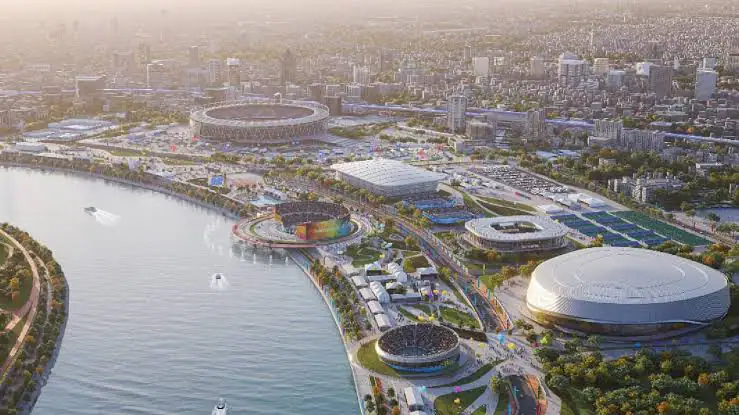
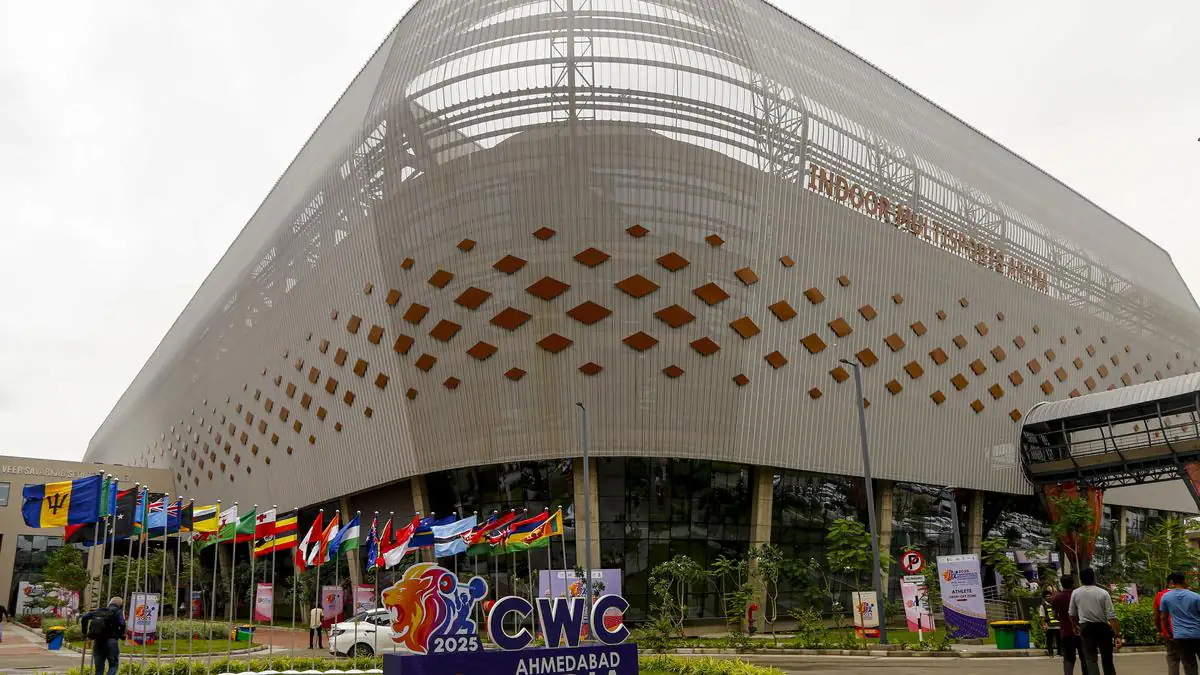
For athletes in the excluded sports, attention will now shift towards the 2030 Commonwealth Games in Ahmedabad, where many hope these disciplines will return to the programme. Until then, Glasgow 2026 stands as a reminder of the financial realities facing major sporting events and the difficult choices required to keep them alive.
Comments (0)
to post comments, replies, and votes.
Loading comments…