India at Home: A Roar, a Bronze and the Questions Left Behind at the BWF World Championships
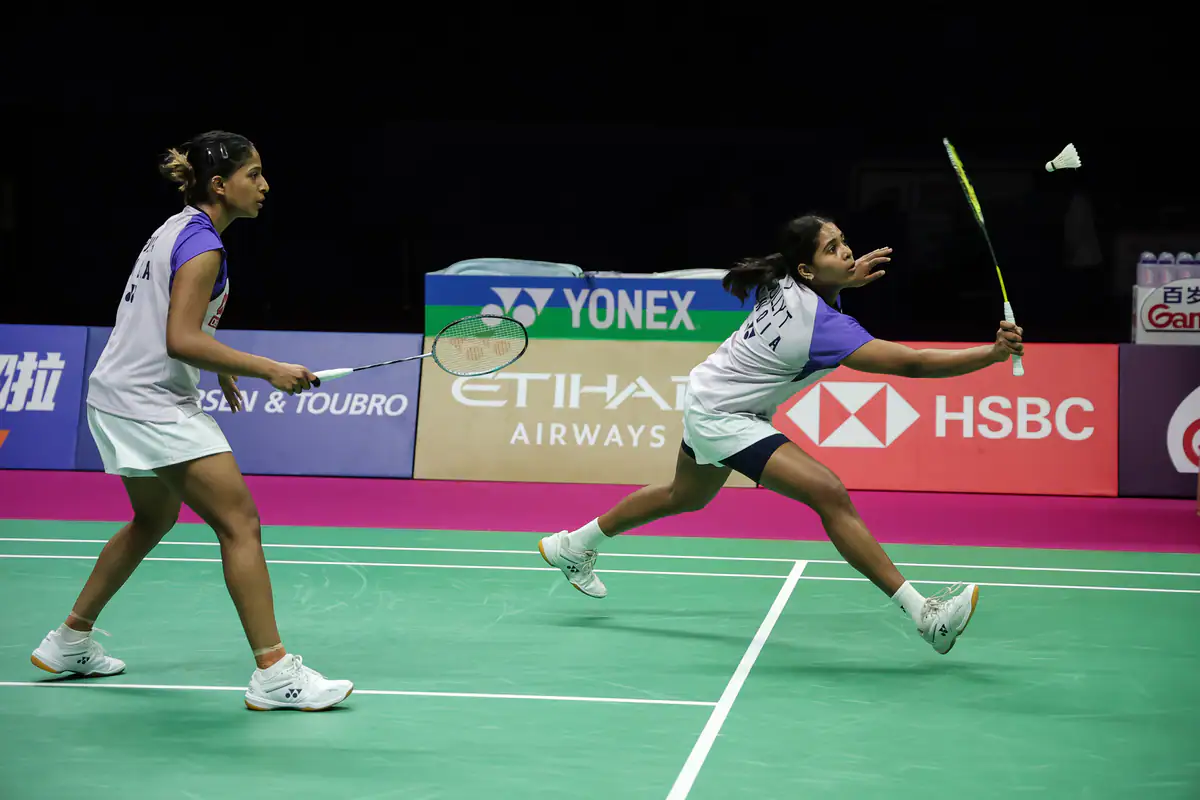
India’s BWF World Championships 2026 campaign began with Ayush Shetty’s stunning win over Shi Yuqi and ended with Treesa Jolly and Gayatri Gopichand’s historic bronze.
This is how the Indian campaign ended. Not with a bang, but with a bronze. And perhaps that is what makes the final assessment of India’s campaign at the 2026 BWF World Championships so difficult.
Because this was not a bad tournament. India won a medal. Treesa Jolly and Gayatri Gopichand created history. A 21-year-old debutant beat the defending champion and world No. 1. India went 5-0 on the opening day. There were moments when the home crowd believed the championship might become something far bigger.
But there were also too many matches that slipped away. Too many first games won and then forgotten. Too many leads built and then surrendered.
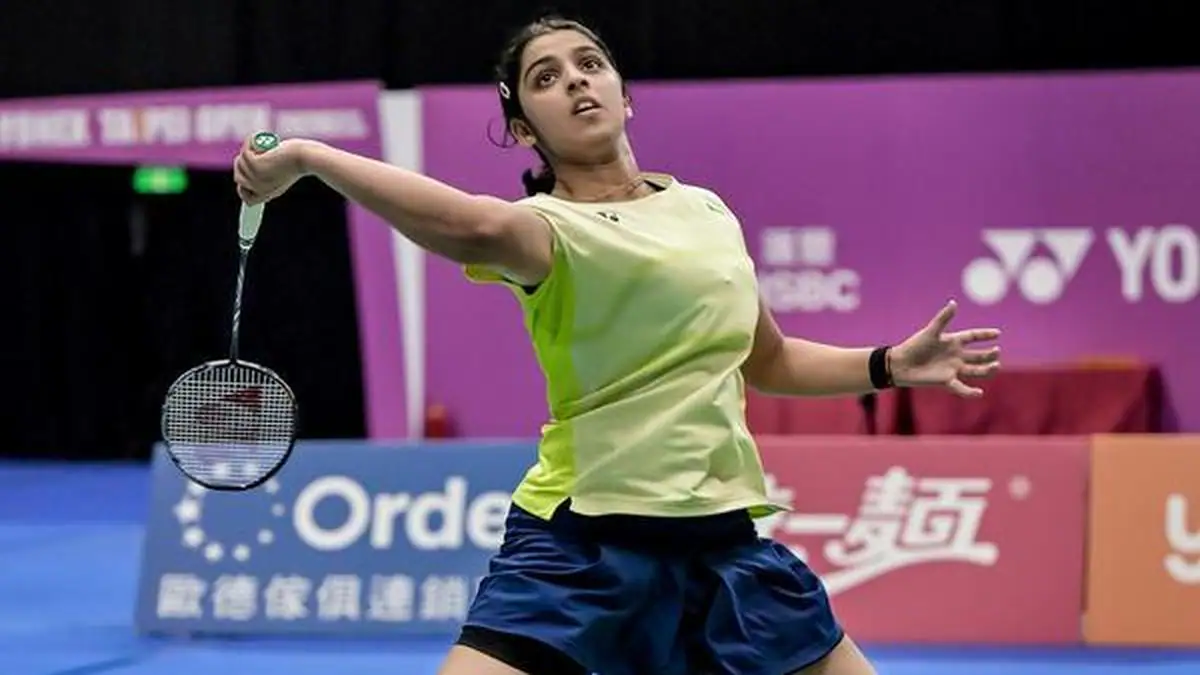
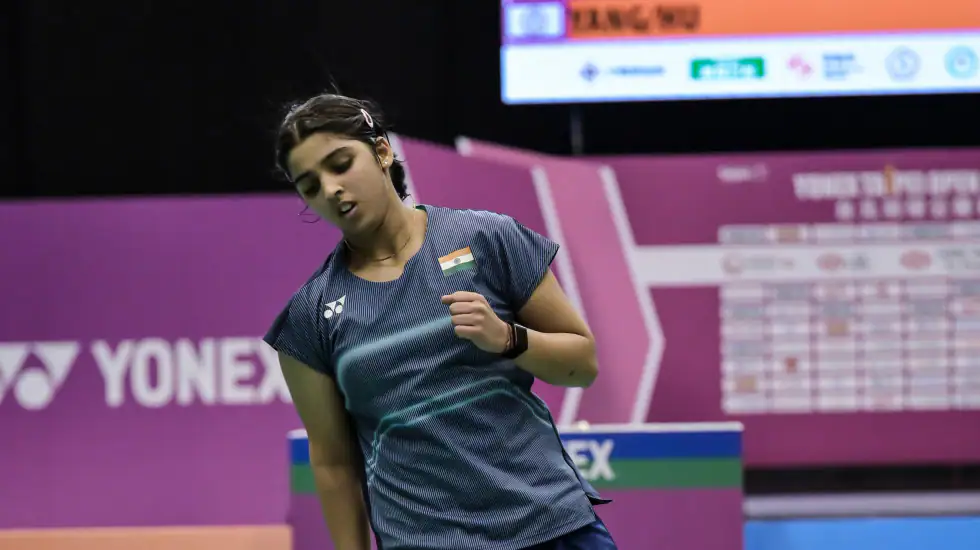
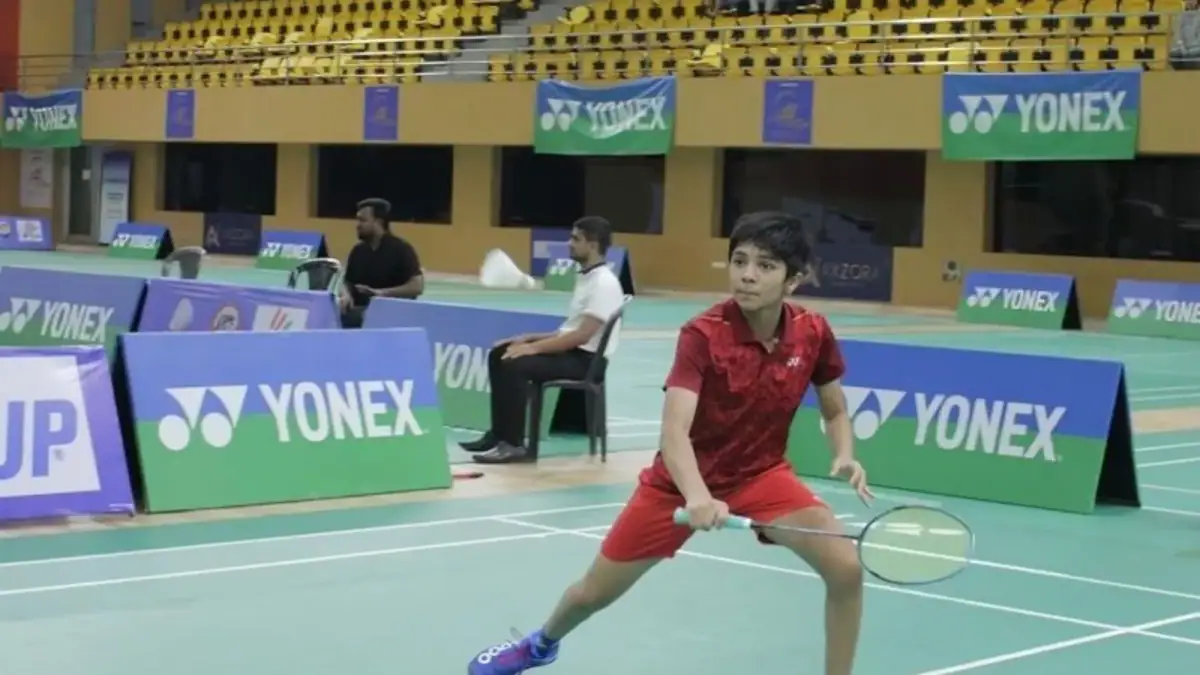
Too many rankings that suggested one thing before the match and another after it. The Indian campaign began with a roar. Ayush Shetty, playing his first World Championships at just 21, walked onto Court 1 against Shi Yuqi. The Chinese star was the defending champion. He was world No. 1. On paper, this was the kind of draw a debutant was supposed to survive, learn from and remember.
Shetty did not read the script.
He won 21-14, 13-21, 21-19.
For a few hours, the entire championship looked different. The stadium shook. India finished the opening day with five wins from five matches. The home crowd had arrived, the young players had arrived, and, suddenly, the possibility of something extraordinary did not feel ridiculous.
Then came the harder part.
The uncomfortable truth about India’s campaign was not the final medal count. It was the manner in which several of the defeats unfolded. At the World Championships, every player can play badminton. Technique is the entry ticket. Fitness gets you through the long matches. But when the momentum changes, when the opponent finds another gear and when a comfortable lead begins to disappear, the match increasingly becomes a mental contest.
That is where India still has work to do. Lakshya Sen’s defeat to Garrett Tan was one of the clearest examples. Lakshya entered the tournament as the 14th seed. Tan was ranked 92nd in the world. Lakshya won the opening game 21-17. Then the match changed.
He lost the second game 14-21.
He lost the decider 15-21.
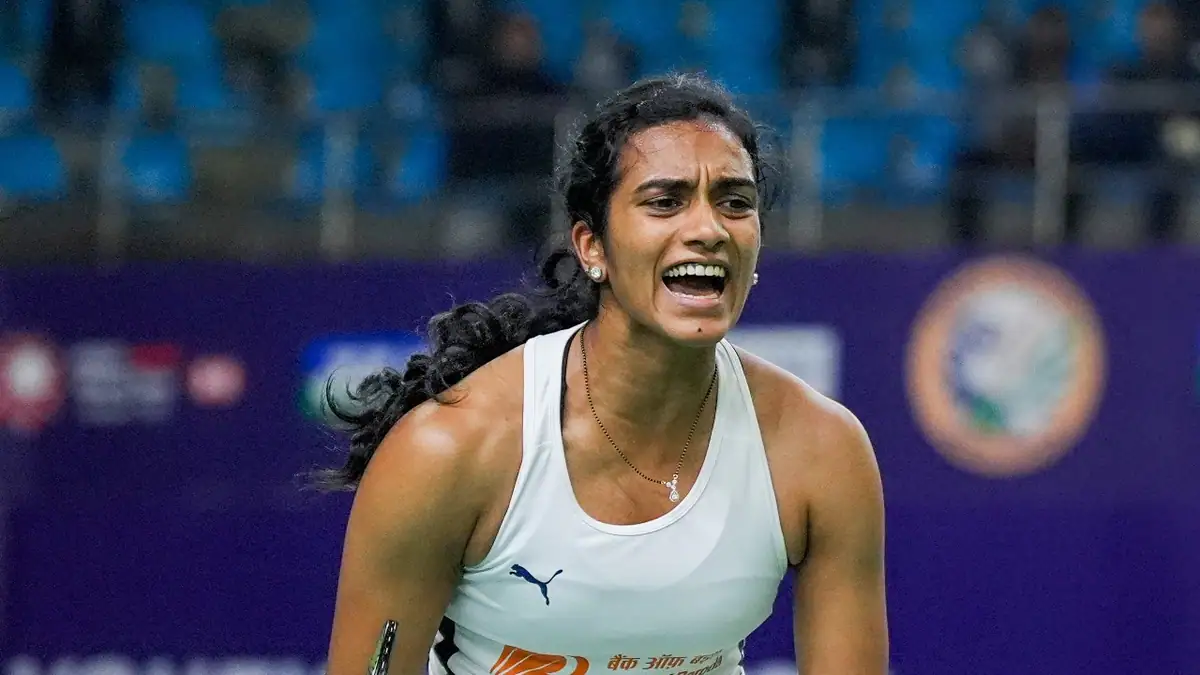
A player expected to challenge deep into the draw was gone in the second round. The ranking had meant nothing once the match turned. PV Sindhu fought hard but exited in the last 16. Ayush Shetty could not repeat his opening-round magic against Alwi Farhan. Satwiksairaj Rankireddy and Chirag Shetty, India's strongest medal contenders and one of the most established pairs in the field, reached the quarter-finals but fell in straight games.
One by one, the names disappeared. Until only one Indian challenge remained.
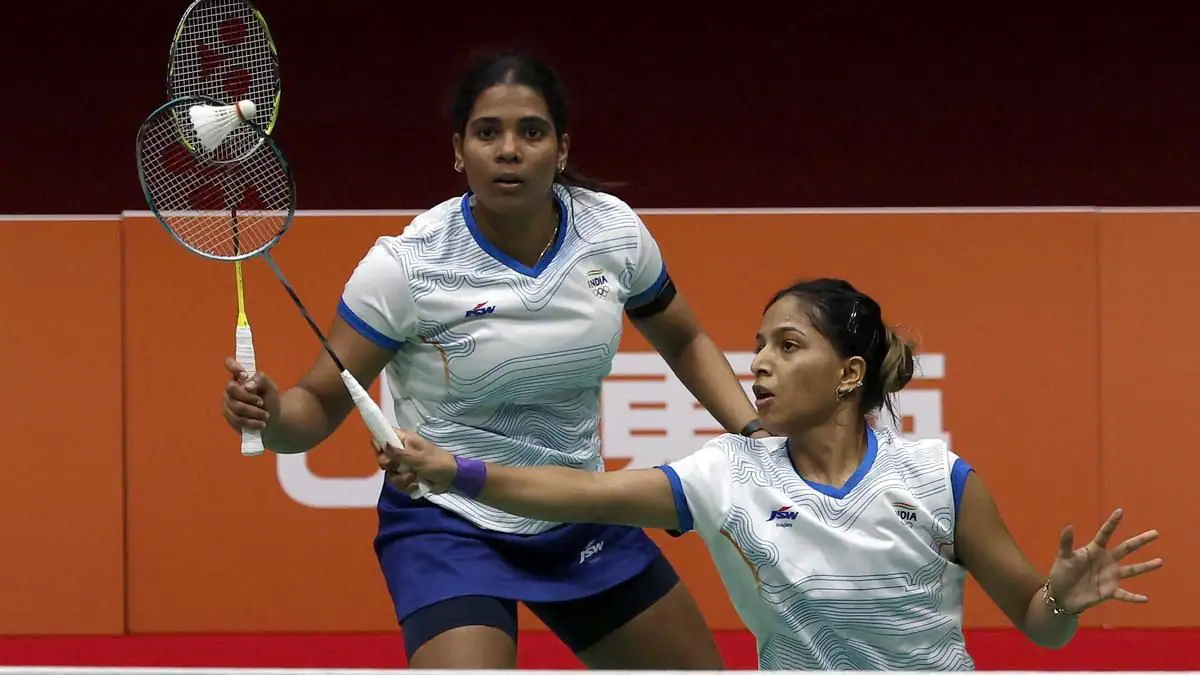
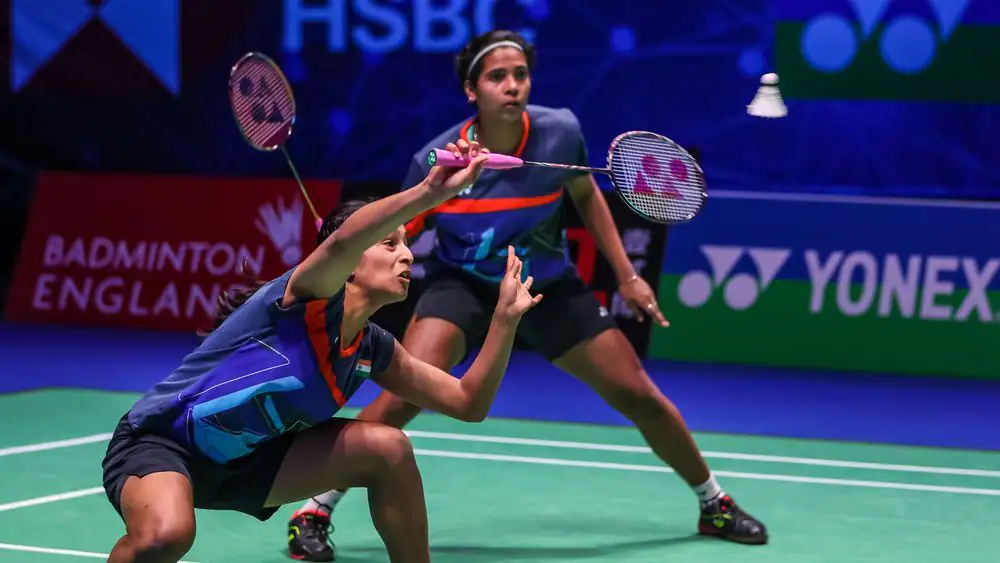
Treesa Jolly and Gayatri Gopichand.
Unseeded.
Ranked 39 in the world.
And playing without the burden that often follows d. They beat three seeded pairs. They defeated a Chinese combination in the quarter-finals. Then they walked into a semi-final against the world No. 1 pair and defending champions.
And they won the first game. For a moment, another upset was possible. Another rewrite.
Another evening when the home crowd could believe. But the Chinese pair responded. They found their rhythm, raised their level and gradually closed every door that had been open in the first game. Treesa and Gayatri lost 18-21, 21-13, 21-8.
Bronze.
India's only medal of the championships. The first medal in women's doubles at the World Championships for India since Jwala Gutta and Ashwini Ponnappa in 2011.
By any ordinary measure, it was historic. And it was.
There is no reason to diminish what Treesa and Gayatri achieved. They played with freedom and courage. They beat higher-ranked opponents. They kept India's medal streak alive. They gave the home championship a story that will survive beyond the final weekend.
But the larger Indian campaign still leaves an uncomfortable question. Why does the gap between India's best and its average performance remain so large?
Beating a world No. 1 once proves that you have the ability to reach that level. Doing it repeatedly is what makes you a champion. Ayush Shetty showed that the talent exists.
Treesa and Gayatri showed that rankings can be overturned. Lakshya, Sindhu, Satwik and Chirag have already shown, across their careers, that Indian badminton can compete with the best. The problem is not a shortage of ability. It is the ability to finish.
A first game won is not a victory. A six-point lead is not a victory. A better ranking is not a victory. You have to close the match.
And at the World Championships, where every opponent is playing with the belief that one breakthrough performance can change a career, that final step is often the hardest.
There is no disgrace in bronze. But there is also no escaping the fact that the week began with expectations of something more.
A bang would have been gold. Or two medals.
Or a singles finalist on home soil. What India received instead was a historic bronze and a series of reminders about how close elite badminton can be.
The talent is there. The depth is growing.
The next generation is capable of beating the very best players in the world. What India still needs is the ability to sustain that level when the match starts slipping away, when the opponent begins coming back and when talent alone is no longer enough.
The shuttles have stopped for India. The finals will be played without an Indian player on court. But somewhere in the memories of this championship, people will remember the opening day.
They will remember a 21-year-old debutant walking onto Court 1. They will remember the world No. 1 falling. They will remember five wins from five. They will remember an unseeded women's doubles pair walking all the way to a historic bronze.
That is not failure. But it is a warning.
India has the players. India has the talent. India has the ability to beat anyone. The next challenge is to do it again when it matters most.
Because that first night remains. Ayush Shetty made the world look different for an evening. The bronze ensured India did not leave empty-handed.
The rest is the question Indian badminton must answer before the next World Championships. How do you turn moments of brilliance into the habit of winning?
Comments (0)
to post comments, replies, and votes.
Loading comments…